
In a world increasingly driven by personalization and convenience, even the most seemingly mundane decisions are being transformed by technology. One such universal quandary – “what haircut should I have?” – has traditionally relied on subjective advice from friends, stylists, or flicking through magazines. However, the advent of sophisticated AI, machine learning, and interactive applications is revolutionizing this experience, offering a precise, data-driven approach to personal styling. The “what haircut should I have quiz” is no longer a simplistic questionnaire but a gateway to a hyper-personalized recommendation engine, a testament to how technology is enhancing even our most personal choices.
The Evolution of Style Guidance: From Barbershop Chat to Digital Algorithms
For centuries, deciding on a new hairstyle was an intimate process, often involving a trusted barber or hairdresser. Their experience, combined with a subjective assessment of your face shape and hair texture, formed the basis of their recommendation. While invaluable, this traditional model had inherent limitations that modern technology is now adept at overcoming.
The Limitations of Traditional Advice
Traditional haircut advice, while often well-intentioned, is inherently subjective and inconsistent. A stylist’s recommendation might be influenced by their personal preferences, their current skillset, or even the latest salon trends rather than what genuinely suits an individual. Furthermore, the ability to visualize a new hairstyle before the cut is made remains a significant challenge. Customers often struggle to articulate their desires, and stylists, no matter how skilled, are limited in their ability to bridge this visualization gap. This often leads to “haircut regret”—the all-too-common feeling of disappointment after a new style doesn’t quite live up to expectations, resulting in wasted time, money, and a temporary dent in self-confidence. The process is slow, relies heavily on trial and error, and offers little empirical data to back up the suggestions made. There’s no scientific method to traditional consultations; it’s an art form, which, while beautiful, lacks the precision many seek in their personal style decisions.
The Rise of Personalization Demands
The digital age has ushered in an era where consumers expect tailor-made experiences in every facet of their lives. From streaming service recommendations to curated shopping suggestions, personalization is no longer a luxury but an expectation. This demand extends naturally to personal appearance and styling. Individuals seek solutions that truly understand their unique characteristics, preferences, and lifestyle. They want to move beyond generic advice to receive recommendations that feel uniquely “theirs.” The sheer volume of style inspiration available online, from social media to dedicated fashion blogs, further fuels this desire for personalization. With so many options, filtering through them to find the perfect match becomes overwhelming without intelligent assistance. Users are looking for more than just options; they are looking for informed decisions, backed by data and intelligence, that resonate with their individuality and aesthetic goals, reflecting their desire for an authentic and expressive self-presentation in a visually driven world.
Decoding Your Look: How AI-Powered Quizzes Work
The modern “what haircut should I have quiz” transcends a simple multiple-choice survey. It’s a sophisticated data collection and analysis tool, powered by advanced artificial intelligence and machine learning algorithms designed to understand not just your preferences, but your physical attributes as well. This technological leap allows for recommendations that are far more precise and nuanced than ever before.
Facial Recognition and Analysis
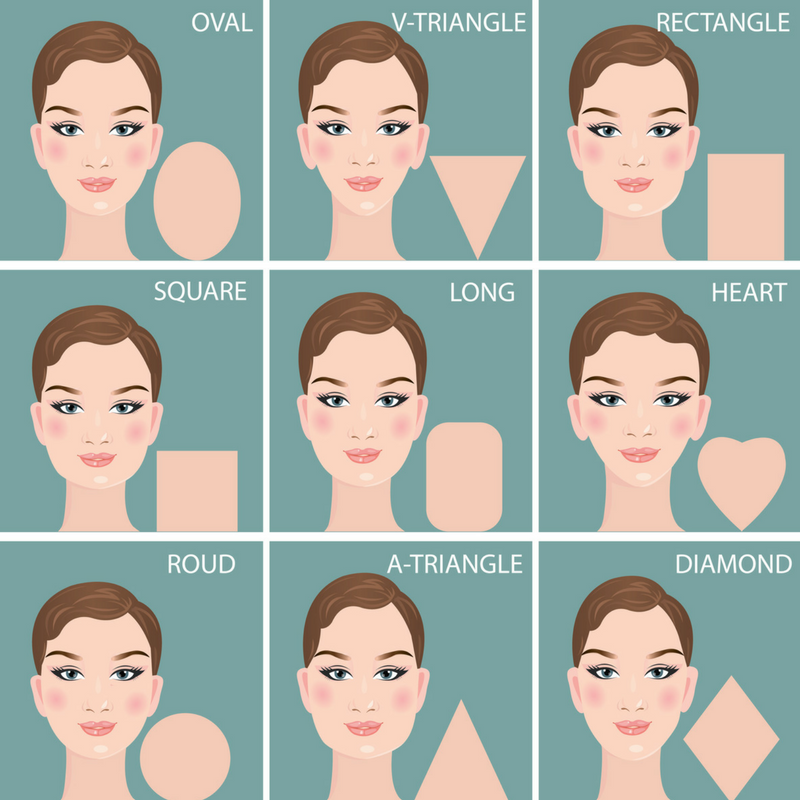
At the core of many advanced haircut quizzes lies cutting-edge facial recognition technology. Users upload a photo or engage with a live camera feed, allowing the AI to meticulously analyze various features of their face. This goes beyond a simple oval, round, or square categorization. The AI precisely measures the proportions of the forehead, cheekbones, jawline, and chin. It identifies the presence and prominence of features like a widow’s peak, the width of the nose, the shape of the eyes, and even the natural arch of the eyebrows. Furthermore, some systems can assess skin tone and undertones, which can influence how certain hair colors appear. This granular analysis is crucial because subtle variations in facial structure can significantly impact how well a particular haircut frames the face, creating balance and enhancing natural attractiveness. By quantifying these previously subjective elements, the AI lays a foundational, objective understanding of the user’s unique facial geography, providing the scientific basis for suitable style suggestions.
Lifestyle and Preference Profiling
Beyond physical attributes, a comprehensive haircut quiz delves into a user’s lifestyle and personal preferences. This involves a series of carefully crafted questions designed to build a holistic profile. Questions might cover daily routines (e.g., “How much time do you typically spend styling your hair each morning?”), professional environments (e.g., “Is your workplace formal or casual?”), and personal style inclinations (e.g., “Do you prefer a classic, trendy, edgy, or low-maintenance look?”). Users might also be asked about their hair’s natural texture (straight, wavy, curly, coily), density (fine, medium, thick), and any specific concerns (e.g., frizz, dryness, oiliness). These inputs are critical because the most flattering haircut is not just about aesthetics; it must also be practical and align with the individual’s ability and willingness to maintain it. An elaborate style that requires significant daily effort will not be a good fit for someone with a busy schedule, regardless of how good it looks on paper. This profiling ensures that recommendations are not only visually appealing but also realistic and sustainable, preventing the frustration of a high-maintenance cut for a low-maintenance person.
Algorithmic Recommendation Engines
Once the facial data and preference profile are established, the magic happens within the algorithmic recommendation engine. This engine sifts through vast databases of haircut styles, which have often been meticulously tagged and categorized based on their suitability for various face shapes, hair textures, and maintenance levels. The AI applies complex machine learning models, trained on millions of data points and expert stylist insights, to cross-reference the user’s profile with the haircut database. It identifies patterns and relationships between facial features, lifestyle factors, and successful hairstyle outcomes. For instance, a particular bob might be recommended for a user with a heart-shaped face and fine hair who prefers a professional yet low-maintenance look. The algorithms also learn from user feedback—if many users with similar profiles rate a particular style highly, its recommendation weight increases. This iterative learning process continuously refines the engine’s accuracy, making each subsequent recommendation more precise and personally relevant. The output is a curated list of suitable haircuts, often accompanied by visual examples and explanations of why each style is a good match, transforming a potentially daunting decision into an informed and exciting choice.
Beyond the Quiz: Integrating Advanced Styling Technologies
While the core “what haircut should I have quiz” provides invaluable insights, the future of personal styling technology extends far beyond static recommendations. Integrating augmented reality (AR), sophisticated data analytics, and expert systems creates an even more immersive and accurate consultation experience. These complementary technologies enhance visualization, predict trends, and ensure the practicality of chosen styles.
Virtual Try-On Apps and Augmented Reality (AR)
Perhaps the most revolutionary advancement in personal styling tech is the advent of virtual try-on apps powered by Augmented Reality (AR). Once a user receives a personalized recommendation from the quiz, AR technology allows them to “try on” different hairstyles in real-time. Using a smartphone or tablet camera, the app overlays 3D models of various haircuts and colors onto the user’s live image or a high-resolution photo. This isn’t merely a static image; advanced AR allows for dynamic interaction, simulating how the hair moves, reflects light, and integrates seamlessly with the user’s actual facial features. Users can experiment with different lengths, fringes, layers, and even bold color changes without commitment. This eliminates the guesswork and anxiety associated with a drastic change, providing a realistic preview that empowers users to make confident decisions. The psychological benefit of “seeing is believing” is immense, reducing haircut regret and fostering a sense of excitement and control over one’s appearance.
Data-Driven Trend Forecasting

The vast amounts of data collected by haircut quizzes and virtual try-on apps—anonymously and ethically—also fuel powerful trend forecasting capabilities. By analyzing what styles are being recommended most frequently, which ones users are “trying on” virtually, and which styles are receiving positive feedback, AI algorithms can identify emerging trends in real-time. This allows platform providers and even individual salons to anticipate popular styles, adapt their offerings, and provide even more current and relevant recommendations. Beyond general trends, data can also pinpoint micro-trends specific to demographics, geographic regions, or even certain face shapes, allowing for even more granular personalization. For instance, a platform might identify that users with angular jawlines in urban areas are increasingly opting for textured pixies. This data isn’t just useful for consumers; it provides invaluable market intelligence for the beauty industry, informing product development, marketing strategies, and stylist training programs, creating a symbiotic relationship between tech and style.
The Role of Expert Systems and Machine Learning
The intelligence behind these advanced styling technologies is deeply rooted in expert systems and machine learning. Expert systems integrate the knowledge base of human hair stylists—their rules of thumb, aesthetic principles, and years of experience—into a digital framework. For example, an expert system might encode the rule: “If a user has a long face, avoid styles that add volume to the crown.” Machine learning algorithms, on the other hand, learn autonomously from vast datasets of successful and unsuccessful style outcomes. They can identify complex patterns that human experts might miss, optimizing recommendations based on empirical evidence. This combination creates a powerful synergy: the structured knowledge of human expertise combined with the pattern-recognition capabilities of AI. As more data is fed into these systems—from user choices, stylist feedback, and even social media trends—the machine learning models become increasingly sophisticated, providing ever more precise and insightful recommendations. This continuous learning ensures that the advice provided remains at the forefront of style and suitability, making these tools indispensable in the pursuit of the perfect haircut.
The Benefits of a Tech-Driven Haircut Consultation
Embracing technology for haircut decisions offers a myriad of advantages that transcend traditional methods. From enhanced accuracy to unparalleled convenience, these digital tools fundamentally improve the user experience and the ultimate outcome, leading to greater satisfaction and confidence.
Enhanced Accuracy and Objectivity
One of the most significant benefits of tech-driven haircut consultations is the dramatic increase in accuracy and objectivity. Unlike human stylists whose judgments can be influenced by personal taste, limited experience, or even mood, AI operates on a cold, hard logic driven by data. Facial recognition algorithms precisely measure every dimension of the face, ensuring that recommendations are based on scientific principles of balance and proportion rather than subjective opinion. The lifestyle and preference profiling ensures practicality, preventing suggestions that clash with a user’s daily routine. This data-driven approach minimizes the margin for error, significantly increasing the likelihood of a flattering and appropriate haircut, reducing the chance of regret and ensuring a truly personalized fit.
Convenience and Accessibility
Digital haircut quizzes and virtual try-on apps offer unparalleled convenience and accessibility. Users can engage with these tools anytime, anywhere, from the comfort of their home. There’s no need to schedule a consultation, travel to a salon, or feel pressured by time constraints. This on-demand access democratizes personal styling, making expert-level advice available to anyone with an internet connection, regardless of their location or access to high-end stylists. It’s particularly beneficial for individuals in rural areas or those with mobility challenges, breaking down geographical and physical barriers to professional styling advice. The ease of use and instant feedback empower users to explore options at their own pace, making the decision-making process stress-free and enjoyable.
Empowering User Confidence
The ability to visualize a new haircut with virtual try-on technology is a game-changer for user confidence. Uncertainty about how a new style will look is a primary driver of hesitation and anxiety. By allowing users to “see” themselves with various cuts and colors before committing, these tools eliminate much of that apprehension. They empower individuals to make bold choices they might otherwise shy away from, secure in the knowledge of how the outcome will appear. This newfound confidence extends beyond the salon chair; feeling good about one’s appearance has a positive ripple effect on self-esteem and overall well-being, contributing to a more positive self-image in all aspects of life.
Reducing “Haircut Regret”
Perhaps the most universally appreciated benefit is the significant reduction in “haircut regret.” The disappointment that follows a bad haircut is a common and frustrating experience. Tech-driven consultations, by providing objective, accurate, and visually confirmable recommendations, drastically lower the chances of this outcome. Users can explore multiple options, tweak details, and confirm their preference visually, ensuring that when they finally sit in the stylist’s chair, they are making an informed decision with a high degree of certainty. This saves time, money, and emotional energy, transforming the haircut experience from a gamble into a predictable and satisfying transformation.
The Future of Hair Tech: Hyper-Personalization and Beyond
The current capabilities of haircut quizzes and styling AI are just the beginning. The trajectory of this technology points towards an even more integrated, intuitive, and hyper-personalized future, seamlessly blending digital intelligence with the physical salon experience.
Predictive Styling for Events
Imagine not just finding a haircut, but finding the perfect haircut for a specific upcoming event. Future hair tech could integrate with personal calendars and even social media profiles (with user permission) to offer predictive styling advice. For a wedding, it might suggest elegant updos; for a job interview, a polished, professional look. This could extend to seasonal recommendations, adapting styles based on weather patterns, or even suggesting cuts that complement specific fashion trends. By moving beyond general recommendations to context-aware suggestions, these tools will provide an unparalleled level of utility, ensuring users are always looking their best for any occasion.
Integration with Smart Mirrors and Salons
The ultimate vision involves a seamless integration of digital tools with the physical salon environment. Smart mirrors, already in nascent stages, could become interactive styling stations. Clients could sit down, have their face analyzed instantly, and virtually try on recommended styles directly on the mirror, with the stylist observing and providing expert input. This creates a collaborative decision-making process, blending AI’s precision with human creativity. Salons could leverage this technology for inventory management (knowing which products are needed for popular AI-recommended styles), personalized client records (tracking preferred styles and formulas), and even dynamic pricing based on AI-identified trends. The consultation process would become a rich, interactive experience, where the client is an active participant in their style journey, guided by both human and artificial intelligence.
Ethical Considerations and Data Privacy
As with all advanced technologies that collect personal data, the future of hair tech necessitates a strong focus on ethical considerations and data privacy. Facial scans, lifestyle data, and style preferences are highly personal. Developers and service providers must ensure robust data encryption, transparent data usage policies, and give users complete control over their information. Anonymization of data for trend analysis is crucial, and consent for sharing any personal data must be explicit and easily revocable. Building trust through responsible data stewardship will be paramount for widespread adoption and continued innovation in this space. The potential for misuse, such as leveraging facial data for unrelated marketing or identification, must be proactively addressed through strong ethical guidelines and regulatory frameworks, ensuring that this exciting technology serves to empower individuals without compromising their privacy or security.
In conclusion, the simple “what haircut should I have quiz” has evolved into a sophisticated technological marvel, embodying the potential of AI to enhance personal decision-making. By moving beyond subjective opinions to data-driven insights, integrating virtual reality for immersive visualization, and continuously learning from user interactions, these tools are redefining how we approach personal style. As this technology continues to mature, we can anticipate a future where finding the perfect haircut is not a gamble, but a confident and informed choice, made possible by the seamless fusion of artificial intelligence and human aspiration.
aViewFromTheCave is a participant in the Amazon Services LLC Associates Program, an affiliate advertising program designed to provide a means for sites to earn advertising fees by advertising and linking to Amazon.com. Amazon, the Amazon logo, AmazonSupply, and the AmazonSupply logo are trademarks of Amazon.com, Inc. or its affiliates. As an Amazon Associate we earn affiliate commissions from qualifying purchases.