
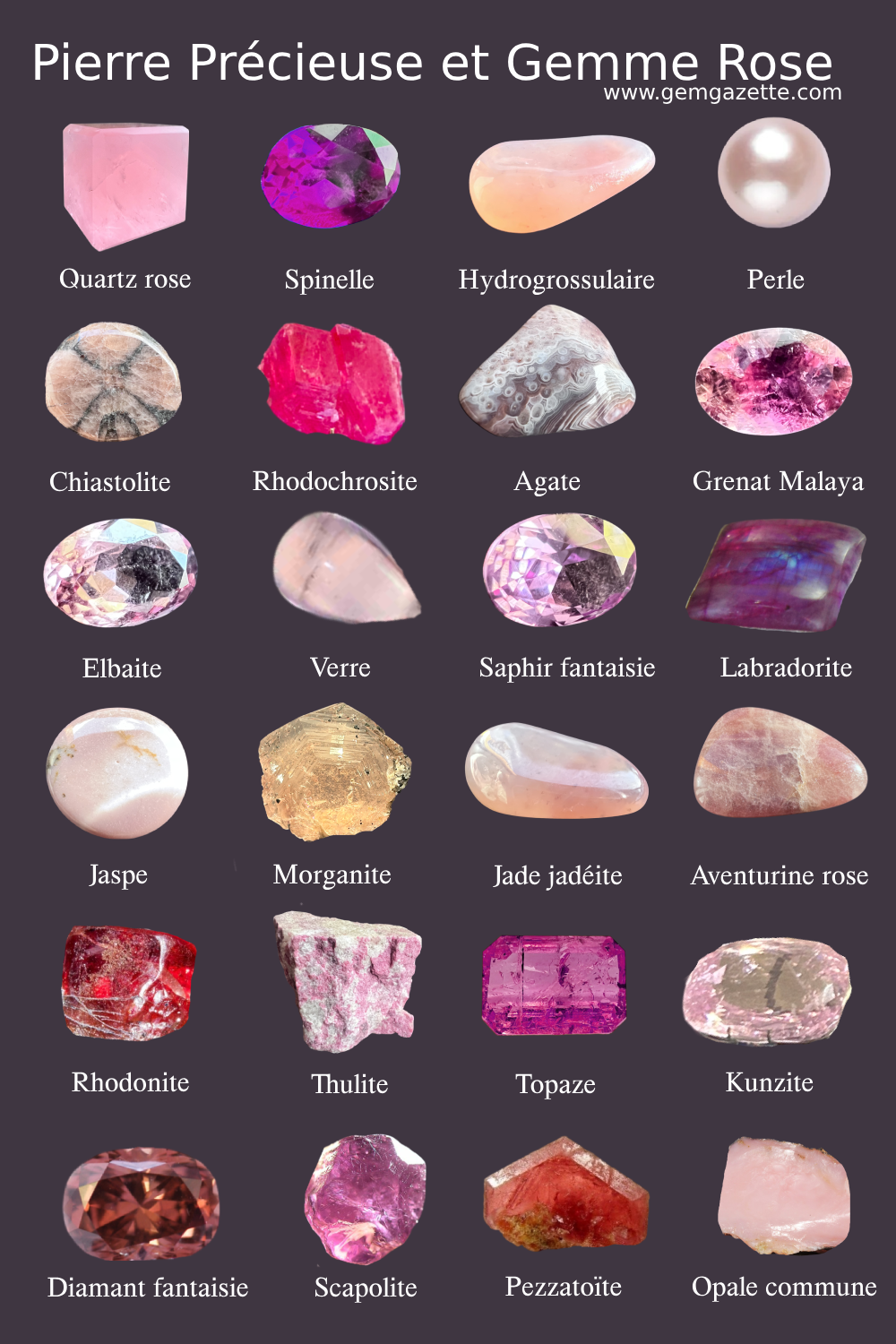
Pink, a color often associated with romance and tenderness, holds a surprisingly powerful and robust position in the world of high finance, particularly when it comes to precious gemstones. Far from a mere aesthetic preference, the presence of pink hues in certain gems can signify extraordinary rarity, formidable market demand, and unparalleled investment potential. This guide delves into the specific gemstones that captivate with their pink brilliance, but more importantly, examines them from a strict financial perspective, revealing why these beautiful stones are often considered shrewd investments and critical components of a diversified wealth portfolio. Understanding which gemstones are pink is merely the entry point; the real insight lies in comprehending their value drivers, market dynamics, and their role as tangible assets.
The Financial Lure of Pink Gemstones: Rarity, Demand, and Value Drivers
The intrinsic appeal of pink gemstones extends beyond their aesthetic beauty, translating into tangible financial value driven by their scarcity and a consistently high demand in global markets. For investors, understanding these foundational aspects is crucial to discerning real opportunity from mere adornment. The rarity of truly vibrant, natural pink gemstones ensures their exclusivity, which, in turn, fuels their investment potential, often outperforming traditional assets during periods of market volatility.
Rarity and Investment Potential: A Scarce Asset Class
The fundamental principle underpinning the value of most pink gemstones, especially the premier examples, is their profound rarity. Unlike more common colored gemstones, high-quality pink specimens are found in limited quantities, often from specific, geologically unique locales. This scarcity creates a natural upward pressure on prices, making them a compelling asset for wealth preservation and growth. Pink diamonds, for instance, are among the rarest diamonds in the world, with only a minute fraction of global diamond production exhibiting a natural pink hue. The closure of the Argyle mine in Australia, once the primary source of these coveted gems, starkly illustrates how diminishing supply can drastically inflate market values and solidify their status as a premium investment. For the astute investor, this finite supply represents a compelling case for allocation within a diverse portfolio, acting as a hedge against inflation and currency devaluation. Their tangible nature and global recognition provide a secure store of value, particularly attractive in uncertain economic climates.
Key Factors Driving Financial Value in Pink Gems
While rarity sets the stage, several critical characteristics determine the precise financial value and investment grade of any pink gemstone. These factors are universally applied by appraisers and inform market pricing, making them indispensable knowledge for serious investors.
- Color Saturation and Hue: For pink gemstones, the intensity and purity of the pink hue are paramount. The more vivid and evenly distributed the pink color, the higher the value. Terms like “fancy intense pink” or “fancy vivid pink” command significant premiums, especially in diamonds, sapphires, and tourmalines. Undertones (e.g., purplish-pink, orangish-pink) can also influence desirability and price, depending on market trends and specific gem types.
- Clarity: As with all precious gems, fewer inclusions or blemishes generally lead to higher value. However, some pink gemstones, particularly tourmalines, may have minor inclusions that do not significantly detract from their beauty or value if the color is exceptional. For diamonds, clarity grades (e.g., FL, IF, VVS1) play a critical role in valuation, impacting investment liquidity.
- Cut: A well-executed cut maximizes the gem’s brilliance, fire, and ability to display its color. For pink gemstones, the cut is often designed to enhance and optimize the color, as this is their primary value driver. A poor cut can significantly diminish the financial appeal of even a high-quality stone.
- Carat Weight: Larger gemstones of high quality are inherently rarer and thus command disproportionately higher prices per carat. The price per carat often increases exponentially with weight, reflecting the scarcity of large, fine-quality specimens.
- Origin and Certification: The geographic origin of certain pink gemstones can significantly impact their value (e.g., Kashmir sapphires, Argyle pink diamonds). Independent gemological certifications from reputable labs (e.g., GIA, Gubelin, SSEF) are non-negotiable for investors, providing objective grading and ensuring authenticity, which is crucial for valuation and resale.
Navigating the Pink Gemstone Market: Investment Opportunities by Type
The universe of pink gemstones offers a spectrum of investment opportunities, ranging from ultra-luxury assets that break auction records to more accessible options with strong growth potential. Understanding the distinct financial profiles of different pink gemstones is key to making informed investment decisions.
Pink Diamonds: The Pinnacle of Gemstone Investment
Pink diamonds stand as the undisputed titans of the pink gemstone investment world. Their extreme rarity, coupled with their unparalleled beauty, has seen them consistently achieve record-breaking prices at auction. The financial narrative of pink diamonds is one of stratospheric appreciation, particularly following the closure of the Argyle mine in 2020, which had supplied over 90% of the world’s pink diamonds. This dramatic reduction in supply has solidified their position as a highly sought-after, finite asset. Investors seeking to diversify into ultra-high-value tangible assets often turn to pink diamonds as a robust store of wealth. Their global liquidity and portability make them an attractive option for high-net-worth individuals and institutional investors.
Sapphires and Tourmalines: Accessible High-Value Options
Beyond diamonds, pink sapphires and pink tourmalines represent formidable investment opportunities, offering varying degrees of entry points and growth potential.
- Pink Sapphires: These vibrant gems, belonging to the corundum family, are highly valued for their range of pink hues, from delicate pastels to vivid fuchsias, including the coveted “Padparadscha” sapphire (a rare orange-pink variety). While not as rare as pink diamonds, high-quality, unheated pink sapphires with excellent color saturation and clarity command significant prices and have demonstrated consistent appreciation. They offer a more accessible entry point for investors seeking high-value colored gemstones with strong market demand and liquidity.
- Pink Tourmalines: Particularly those from certain regions like Brazil (Rubellite) and Afghanistan, pink tourmalines are celebrated for their wide array of pinks and often larger crystal sizes. While generally less expensive per carat than sapphires, exceptional “Rubellite” tourmalines with intense, saturated red-pink hues can achieve substantial values. They represent an attractive option for investors looking for potentially undervalued assets with significant upside potential, especially as global demand for colored gemstones continues to grow.
Spinel, Morganite, and Kunzite: Emerging Market Players
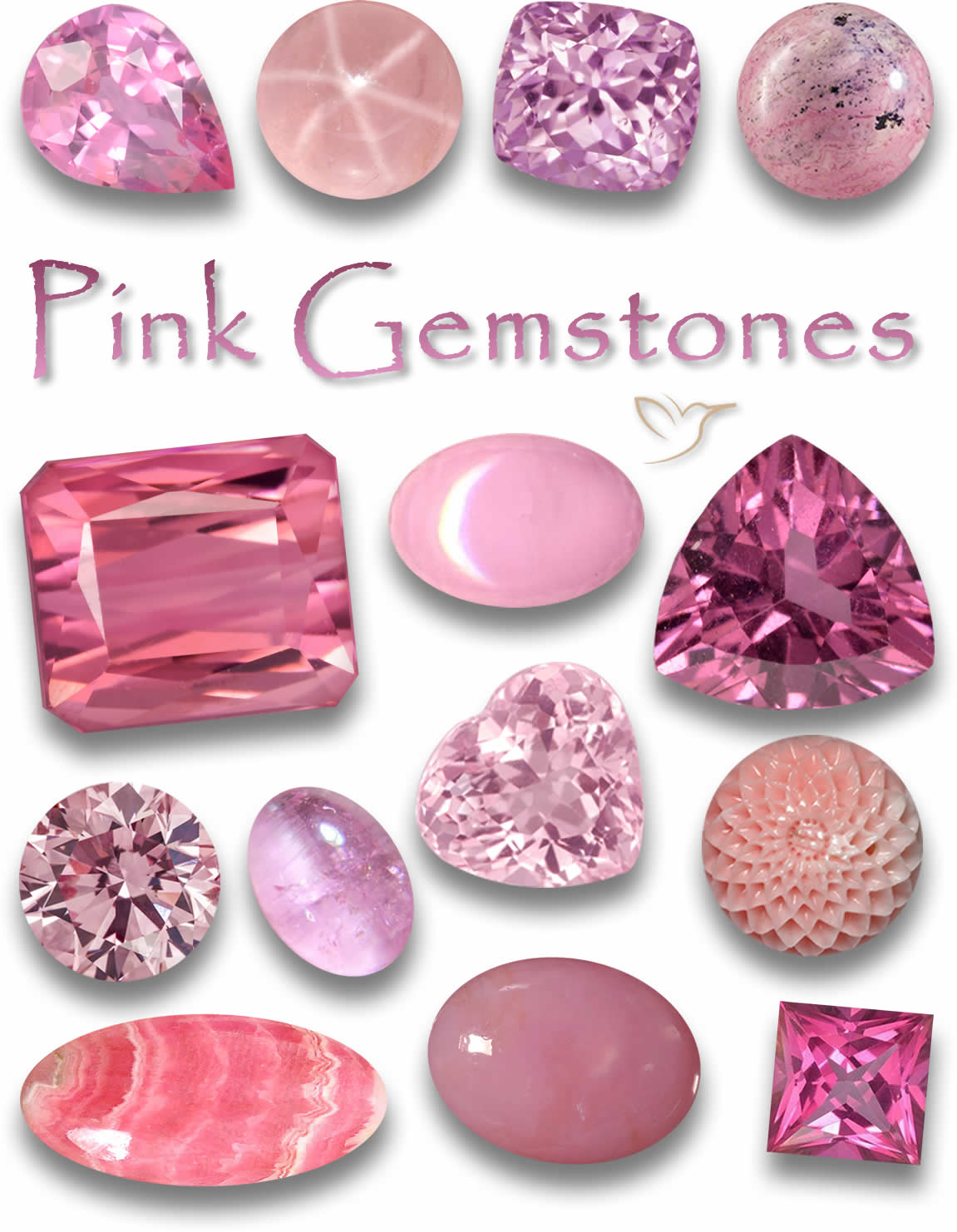
For investors looking beyond the established giants, several other pink gemstones offer intriguing possibilities, often at more modest price points but with potential for future appreciation as market awareness grows.
- Pink Spinel: Once mistaken for rubies, high-quality pink spinel has emerged as a distinct and highly respected gemstone. Its exceptional brilliance, vibrant color, and lack of common treatments make it an increasingly desirable gem. Fine pink spinels, especially those from Myanmar and Tanzania, are experiencing a surge in demand and value, positioning them as an intelligent investment for those seeking undervalued gems with strong natural characteristics.
- Morganite: A pastel pink variety of beryl (related to emerald and aquamarine), morganite is known for its soft, peachy-pink hues. While generally more affordable, large, well-cut morganites with good color saturation are popular in the broader jewelry market, indicating steady demand. For investors, morganite might be considered for diversification into more consumer-driven gemstone assets, though its appreciation curve is typically flatter than rarer pink gems.
- **Kunzite: This lilac-pink to purplish-pink gemstone from the spodumene family is cherished for its delicate color and impressive size availability. While more susceptible to fading in prolonged sunlight, high-quality kunzite, particularly in larger carat weights, offers an attractive entry point for investors looking for visually striking pink gemstones at a lower price per carat, with a potential for long-term hold if market preferences shift.
Due Diligence: Protecting Your Pink Gemstone Investment
Investing in pink gemstones, like any alternative asset class, requires diligent research, expert consultation, and careful attention to documentation. Protecting your investment ensures both its authenticity and its long-term financial viability.
The Importance of Certification and Provenance
For any significant pink gemstone investment, an independent laboratory certification is non-negotiable. Reputable gemological institutes (e.g., GIA, Gubelin, SSEF, AGS) provide objective analyses of a stone’s color, clarity, cut, and carat weight, as well as identifying treatments and natural origin. This certification serves as a gemstone’s financial passport, verifying its attributes and guaranteeing its authenticity, which is critical for valuation, insurance, and eventual resale. For specific gemstones like pink diamonds, detailed provenance—tracing the stone’s history and origin, especially from famous mines like Argyle—can add considerable financial value and collector appeal. Without proper certification, a gemstone’s investment value is significantly diminished, posing a substantial risk to the buyer.
Market Trends and Expert Consultation
Staying abreast of global gemstone market trends is vital for making informed investment decisions. Factors such as new mine discoveries, shifts in consumer preferences, economic indicators, and geopolitical stability can all impact gemstone values. Engaging with reputable gem dealers, appraisers, and financial advisors specializing in tangible assets is paramount. These experts can provide invaluable insights into market conditions, assist in sourcing high-quality stones, conduct independent appraisals, and help integrate gemstone investments into a broader financial strategy. Their expertise helps mitigate risks and maximize potential returns by identifying undervalued opportunities or warning against speculative bubbles.
Pink Gemstones in a Diversified Financial Portfolio
For discerning investors, pink gemstones are not merely beautiful objects but powerful instruments for wealth preservation and growth, offering distinct advantages within a well-structured financial portfolio. Their role extends beyond aesthetic appeal, entering the realm of strategic asset allocation.
Wealth Preservation and Tangible Assets
In an era of volatile financial markets and fluctuating currencies, high-quality pink gemstones serve as a robust form of tangible wealth. They represent a hard asset, impervious to the digital vulnerabilities or systemic risks associated with paper assets. Their inherent value is globally recognized and often transcends national borders, making them a portable and discreet store of wealth. As a hedge against inflation and economic uncertainty, rare pink gemstones have historically demonstrated resilience, often appreciating in value when traditional investments falter. This makes them a compelling choice for investors seeking stability and long-term capital preservation.

Considerations for Liquidity and Long-Term Holding
While pink gemstones offer significant investment potential, investors must consider their liquidity. Unlike stocks or bonds, selling a high-value gemstone can take time, particularly if you are aiming for a premium price. The market for exceptionally rare pink gemstones is more specialized and less liquid than conventional markets. Therefore, a long-term holding strategy is typically advised for maximizing returns. Investors should view pink gemstones as a generational asset, appreciating over decades rather than months. Furthermore, proper insurance and secure storage are crucial to protect these valuable assets, adding to the holding costs. Understanding these dynamics allows investors to align their expectations with the unique characteristics of gemstone investments, ensuring they are integrated thoughtfully into their overall financial planning.
Ultimately, the question “what gemstone is pink in color?” leads down a fascinating path for the financially astute. From the unparalleled scarcity of pink diamonds to the emerging markets for pink spinels, these gems represent not just a spectrum of beauty, but a robust class of tangible assets with significant potential for wealth preservation and growth.
aViewFromTheCave is a participant in the Amazon Services LLC Associates Program, an affiliate advertising program designed to provide a means for sites to earn advertising fees by advertising and linking to Amazon.com. Amazon, the Amazon logo, AmazonSupply, and the AmazonSupply logo are trademarks of Amazon.com, Inc. or its affiliates. As an Amazon Associate we earn affiliate commissions from qualifying purchases.