
The seemingly simple image of a white ribbon carries a remarkable depth of meaning, transcending its humble form to become a powerful symbol across diverse contexts. In the world of branding, corporate identity, and social activism, understanding such symbols is paramount. A white ribbon is not merely a decorative element; it’s a statement, a banner under which causes rally, and a silent communicator of values, solidarity, and remembrance. For brands seeking to engage with purpose, build an authentic identity, or launch impactful campaigns, discerning the nuances of symbols like the white ribbon is a critical strategic imperative.
This article delves into the multifaceted meanings attributed to the white ribbon, primarily exploring its most prominent association as a global campaign against male violence against women, but also touching upon its broader symbolic uses. We will examine how these meanings are established, communicated, and leveraged within brand strategies, offering insights into how organizations can effectively align with such powerful iconography to foster deeper connections with their audiences and champion meaningful causes.
The White Ribbon Campaign: A Global Stand Against Violence
Perhaps the most universally recognized meaning of the white ribbon is its association with the White Ribbon Campaign (WRC), an international movement of men and boys working to end male violence against women and girls. This campaign exemplifies how a simple symbol can catalyze a global dialogue and mobilize action around a critical social issue, making it a compelling case study in cause-driven branding and social impact.
Genesis and Core Mission of the White Ribbon Campaign
The White Ribbon Campaign originated in Canada in 1991, conceived by a group of men in response to the tragic “Montreal Massacre” of 1989, where 14 female engineering students were murdered by an anti-feminist gunman. Stunned by this act of gender-based violence, these men felt a collective responsibility to speak out against violence perpetrated by men against women. They chose the white ribbon as their symbol, signifying “the idea of men giving up their arms, their willingness to fight, their support for peace, and a personal pledge never to commit, condone or remain silent about violence against women.”
The campaign’s core mission is twofold:
- Education: To raise awareness among men and boys about the issue of male violence against women, its causes, and its consequences.
- Advocacy: To encourage men and boys to take a public stand and commit to being part of the solution, challenging harmful norms and behaviors.
This mission effectively positions the WRC as a powerful brand in the social justice landscape, with the white ribbon serving as its unmistakable logo and a badge of commitment for its supporters.
Expanding the Message: Education and Advocacy Beyond Borders
From its Canadian roots, the White Ribbon Campaign rapidly grew into a global phenomenon, establishing branches in over 60 countries, including Australia, the UK, the US, and many others. Each national campaign adapts the core message to local contexts while retaining the fundamental commitment to ending gender-based violence.
Key strategies employed by the WRC that offer insights for brand communication include:
- Clear Call to Action: The campaign provides a tangible way for individuals (men and boys) to show their commitment by wearing the ribbon and taking a pledge.
- Positive Messaging: While addressing a grim topic, the campaign focuses on proactive engagement and positive change, empowering men to be allies rather than simply condemning perpetrators.
- Partnerships and Collaborations: The WRC frequently partners with schools, universities, workplaces, sports organizations, and government bodies to amplify its message and integrate educational programs. This collaborative approach enhances brand reach and credibility.
For a brand considering associating with such a movement, understanding its history, precise mission, and established global presence is crucial. The white ribbon, in this context, embodies a specific set of values: accountability, allyship, peace, and gender equality.
Corporate and Organizational Partnerships: A Branding Perspective
Brands often seek to align with social causes to enhance their corporate social responsibility (CSR) initiatives, build goodwill, and appeal to values-driven consumers. Partnering with the White Ribbon Campaign can offer significant benefits, provided the alignment is authentic and strategic.
- Enhanced Brand Reputation: Associating with a reputable global campaign against violence can significantly boost a brand’s image as socially conscious and ethical.
- Employee Engagement: Supporting the WRC can provide a meaningful cause for employees to rally behind, fostering a positive workplace culture and demonstrating corporate values internally.
- Consumer Connection: For consumers who prioritize social justice and gender equality, a brand’s support for the WRC can be a powerful differentiator and driver of loyalty.
However, such partnerships demand genuine commitment. Superficial “ribbon-wearing” without deeper engagement (e.g., internal policy changes, financial support, awareness campaigns) can be perceived as “woke-washing,” damaging brand credibility. Brands must ensure their internal culture and practices genuinely reflect the values of the White Ribbon Campaign before publicly aligning with it. This involves a comprehensive brand strategy that integrates purpose into core operations, rather than simply as an external marketing tactic.
Diverse Meanings and Contextual Interpretations of the White Ribbon
While the White Ribbon Campaign represents its most prominent global identity, the white ribbon, like many universal symbols, carries various other meanings depending on the specific context, geography, and cause. Understanding these alternative interpretations is vital for brands to avoid unintended associations or to strategically leverage a specific meaning.

Commemoration and Remembrance
In some cultures and contexts, a white ribbon can symbolize remembrance, mourning, or peace. Its pure, unblemished color often links it to innocence, purity, and a respectful homage to those who have passed or suffered. For example:
- It might be used in memorial services or during periods of national mourning to signify peace, hope, or a silent tribute.
- In specific historical commemorations, a white ribbon could represent reconciliation or the aspiration for a peaceful future after conflict.
For brands, this meaning could be relevant for initiatives related to remembrance days, historical anniversaries, or product lines designed to evoke a sense of heritage or timelessness, provided the context makes this interpretation clear and respectful.
Support for Specific Health Conditions or Causes
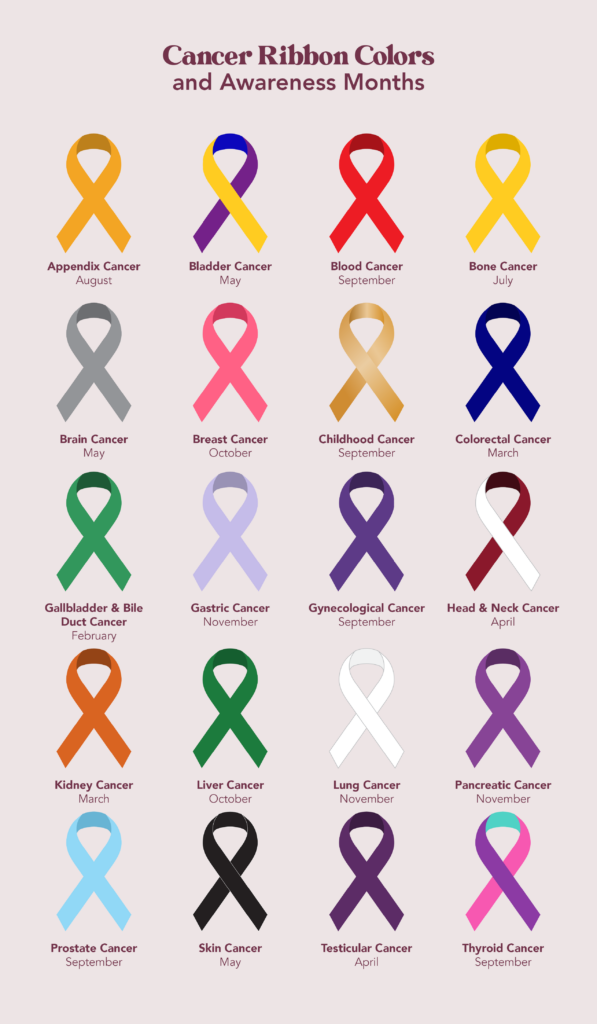
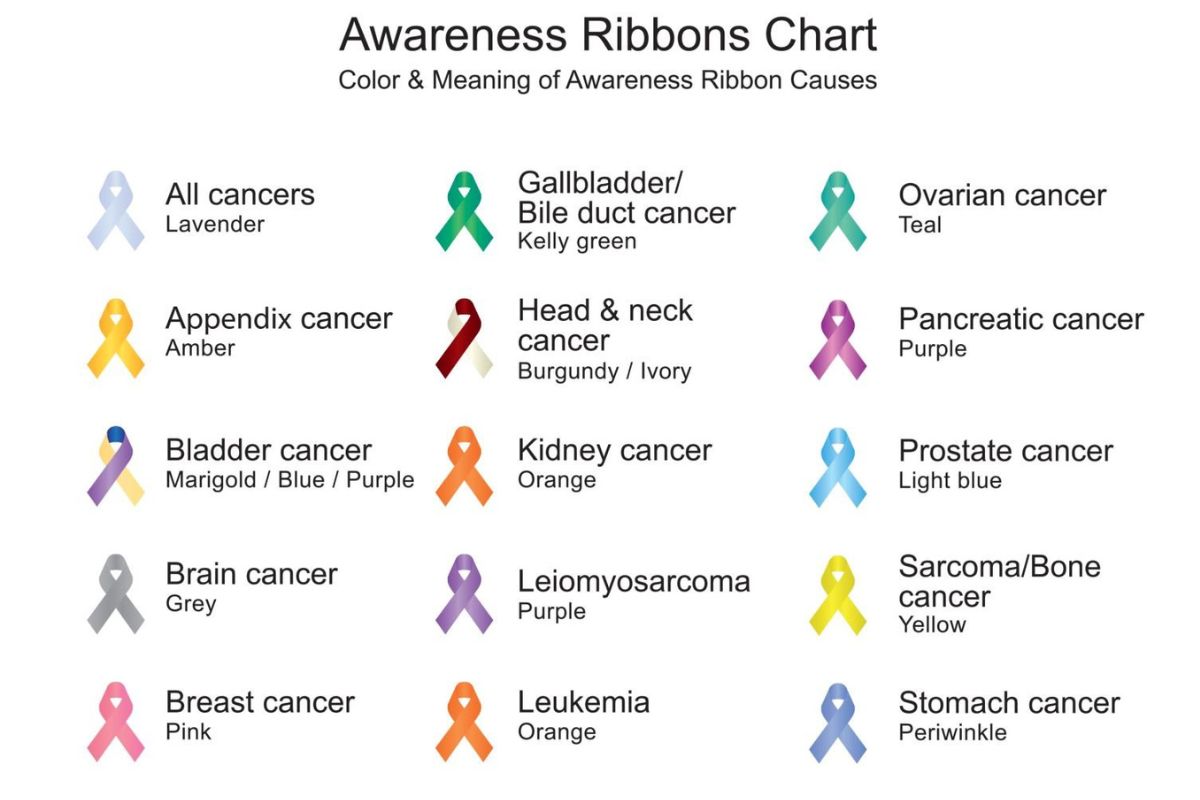
Like many colored ribbons, the white ribbon also serves as an awareness symbol for several specific, often less universally known, health conditions or social causes. This highlights the adaptability of simple symbols in grassroots movements. Some examples include:
- Lung Cancer Awareness: In some regions, a white ribbon is used to raise awareness for lung cancer, symbolizing the hope for clear lungs and breath.
- Bone Cancer and Osteosarcoma Awareness: Similarly, it can represent support for individuals battling bone cancer.
- Adoptee Rights and Search: The white ribbon has also been adopted by some groups advocating for adoptee rights and the ability of adoptees to access information about their biological families.
- Anti-Pornography Movements: In certain conservative or religious contexts, the white ribbon has been used to symbolize opposition to pornography.
The proliferation of meanings underscores a crucial branding lesson: while symbols can be powerful, their interpretation is not always monolithic. Brands considering the use of a white ribbon must thoroughly research all potential associations to ensure their message is unambiguous and aligns perfectly with their intended purpose. Failure to do so could lead to confusion, misinterpretation, or even alienate segments of their target audience who might associate the ribbon with a different, perhaps conflicting, cause.
Leveraging Symbolic Ribbons in Brand Strategy
The strategic incorporation of symbolic elements like the white ribbon into brand strategy goes beyond mere aesthetics; it’s about communicating purpose, values, and a commitment to causes that resonate with an audience. When done authentically, this can significantly enhance brand equity, foster loyalty, and create a deeper, more emotional connection with stakeholders.
Authenticity and Alignment with Brand Values
The most critical factor in leveraging any symbolic ribbon, including the white one, is authenticity. A brand’s engagement with a cause must be genuinely aligned with its core values, mission, and business practices.
- Genuine Commitment: Is the brand merely “wearing” the ribbon, or is it actively contributing to the cause through financial support, employee volunteering, policy changes, or long-term advocacy?
- Internal Consistency: Do the brand’s internal operations, workplace culture, and supply chain practices reflect the values of the cause it supports? For instance, a brand supporting the White Ribbon Campaign against violence must ensure it has robust anti-harassment policies and a respectful, equitable workplace.
- Transparency: Brands should be transparent about their level of involvement and the impact of their contributions. This builds trust and validates the sincerity of their efforts.
Authenticity is the bedrock upon which successful cause-related branding is built. Without it, the use of a powerful symbol like the white ribbon can quickly be perceived as opportunistic or performative, leading to reputational damage.
Crafting Impactful Awareness Campaigns
Symbolic ribbons are particularly effective in awareness campaigns due to their visual simplicity and immediate recognition. For brands, this translates into opportunities for impactful messaging:
- Clear Messaging: When using a white ribbon, the campaign message should explicitly state which meaning the brand is aligning with. For example, “Wear a white ribbon to support the White Ribbon Campaign against violence against women.”
- Integrated Marketing: The ribbon should be integrated across various marketing channels – digital, print, social media, in-store – to ensure consistent visibility and reinforce the message.
- Call to Action: Effective campaigns guide the audience on how they can participate or contribute, whether it’s through wearing a ribbon, donating, signing a petition, or educating themselves further.
- Storytelling: Brands can amplify the ribbon’s meaning by sharing compelling stories related to the cause, showcasing the impact of their support, or highlighting the individuals benefiting from the initiatives. This personalizes the message and creates emotional resonance.
By thoughtfully designing campaigns around the white ribbon, brands can effectively communicate their commitment, mobilize their audience, and contribute to the broader awareness goals of the chosen cause.
Measuring Campaign Effectiveness and Brand Perception
The effectiveness of a brand’s cause-related marketing campaign, particularly one employing a powerful symbol like the white ribbon, needs careful measurement. This involves assessing not only the direct impact on the cause but also the resulting shifts in brand perception and consumer behavior.
Metrics to consider include:
- Awareness Metrics: Tracking increases in brand mentions alongside the cause, social media engagement with campaign hashtags, and media coverage.
- Brand Sentiment: Monitoring public sentiment towards the brand before, during, and after the campaign to identify positive shifts in perception (e.g., increased trust, respect, or admiration).
- Consumer Engagement: Analyzing website traffic to campaign pages, sign-ups for related initiatives, and participation in calls to action.
- Sales and Loyalty: While often a secondary objective, observing any uplift in sales or customer loyalty among values-driven consumers can indicate a successful brand alignment.
- Impact on the Cause: Quantifying the brand’s contribution to the cause itself, whether through funds raised, volunteers mobilized, or awareness generated for the partner organization.
By rigorously evaluating these factors, brands can gain insights into the true impact of their engagement with symbolic causes, refine their future strategies, and ensure their use of symbols like the white ribbon genuinely contributes to both social good and long-term brand equity.
In conclusion, the white ribbon is far more than a simple piece of fabric. It is a potent symbol with a rich tapestry of meanings, predominantly representing the global fight against male violence against women. For brands, understanding these meanings and the history behind them is not just an academic exercise; it’s a strategic imperative. When wielded with authenticity, integrity, and a deep commitment to the underlying cause, the white ribbon can become an invaluable asset in a brand’s quest to build a powerful identity, communicate its values, and forge meaningful connections in an increasingly purpose-driven marketplace.
aViewFromTheCave is a participant in the Amazon Services LLC Associates Program, an affiliate advertising program designed to provide a means for sites to earn advertising fees by advertising and linking to Amazon.com. Amazon, the Amazon logo, AmazonSupply, and the AmazonSupply logo are trademarks of Amazon.com, Inc. or its affiliates. As an Amazon Associate we earn affiliate commissions from qualifying purchases.