
In a world increasingly defined by visual cues, personal narratives, and strategic communication, the wedding ring stands as an enduring, powerful emblem. Far from being merely a piece of jewelry, it functions as a masterclass in branding – a potent visual identifier, a statement of commitment, and a cornerstone in establishing and communicating a couple’s shared identity to the world. To understand the ring’s symbolism is to dissect an age-old branding strategy, perfected over centuries, that eloquently communicates status, promises, and the profound shift in individual identity that marriage entails.

The Wedding Ring: A Masterpiece of Relationship Branding
At its core, the wedding ring is perhaps the most universally recognized “brand mark” for a married relationship. It’s a silent, yet incredibly effective, piece of non-verbal communication that instantly conveys a wealth of information about the wearer’s status and commitments.
The Ring as a Visual Identifier and Status Symbol
Just as a corporate logo instantly signifies a company’s identity and values, the wedding ring serves as an immediate visual identifier of marital status. Its circular form, placed prominently on the fourth finger of the left hand in many Western cultures, broadcasts a clear message: “I am committed; I am married.” This is more than just a declaration; it’s a social signal, a marker of a new status within society. For individuals, it defines a new phase of their personal brand – moving from single to partnered, with all the societal expectations and perceptions that accompany such a shift. For the couple, it is the first, most fundamental element of their shared brand identity, publicly affirming their union and exclusivity. The consistent design and placement across cultures, while having minor variations, solidify its global brand recognition.
Communicating Commitment: Beyond Words
Effective branding communicates a core message without needing explicit articulation. The wedding ring excels at this. Its continuous, unbroken circle inherently symbolizes eternity, completeness, and a love that knows no end. This profound symbolism communicates an unwavering commitment and a promise of fidelity and lasting partnership. It’s a tangible representation of an intangible bond, transforming abstract vows into a visible, wearable pledge. From a branding perspective, it’s a physical embodiment of a brand promise – a guarantee of dedication and an investment in a shared future. This silent communication is incredibly powerful, transcending language barriers and cultural nuances to convey a universal message of enduring love and partnership.
Building a Shared Identity: From Individuals to a Couple Brand
Marriage is the ultimate merger, where two individual brands coalesce to form a new, combined entity. The wedding ring is instrumental in this process of building a shared identity, establishing what we might call the “couple brand.” Before marriage, individuals cultivate distinct personal brands, shaped by their aspirations, careers, and social circles. The act of exchanging rings, however, signifies the intentional creation of a unified brand. It’s a mutual adoption of a new identity that doesn’t erase individuality but rather integrates it into a larger, more comprehensive brand narrative. This shared identity influences how the couple is perceived socially, professionally, and personally. The rings become a constant reminder, not just to each other but to the world, of this new, unified brand presence – a testament to a partnership built on mutual respect, shared values, and collective aspirations.
A Legacy of Brand Equity: Historical Roots and Enduring Value
The enduring power of the wedding ring as a symbol stems from its rich history, which has built immense brand equity over millennia. Like any legacy brand, its value is deeply rooted in tradition, cultural significance, and consistent messaging.
Ancient Origins: The First Brand Marks of Union
The concept of using a ring to symbolize commitment dates back thousands of years. Early examples from ancient Egypt and Rome illustrate the ring’s foundational role as a brand mark of ownership and, later, affection. In these early iterations, the circular shape already carried connotations of eternity and an unbreakable bond. Initially, they might have been made of simple materials like woven reeds or leather, but their symbolic function was clear: to denote a binding agreement or a claim. This historical lineage has imbricated the ring with layers of meaning, transforming it into a powerful archetype. Each generation’s adoption and adaptation of the ring have reinforced its brand strength, adding to its deep-seated cultural resonance and making it one of the longest-standing and most recognized symbols in human history.
Evolution of Design: Adapting the Brand Aesthetic
While the core symbolism has remained remarkably consistent, the aesthetic and material composition of the wedding ring have evolved significantly. From simple bands of iron to intricate designs adorned with precious stones, each era has contributed to the ring’s “brand aesthetic.” The introduction of diamonds, popularized by strategic marketing campaigns in the 20th century, transformed the engagement ring into a symbol of enduring value and luxury, further enhancing its brand prestige. These design evolutions are akin to a brand refreshing its logo or product line – maintaining core identity while adapting to contemporary tastes and technological advancements. Yet, through all these changes, the fundamental brand message of commitment and eternity has persisted, demonstrating the incredible adaptability and enduring power of this symbol.
The Psychological Impact: Imprinting Brand Loyalty
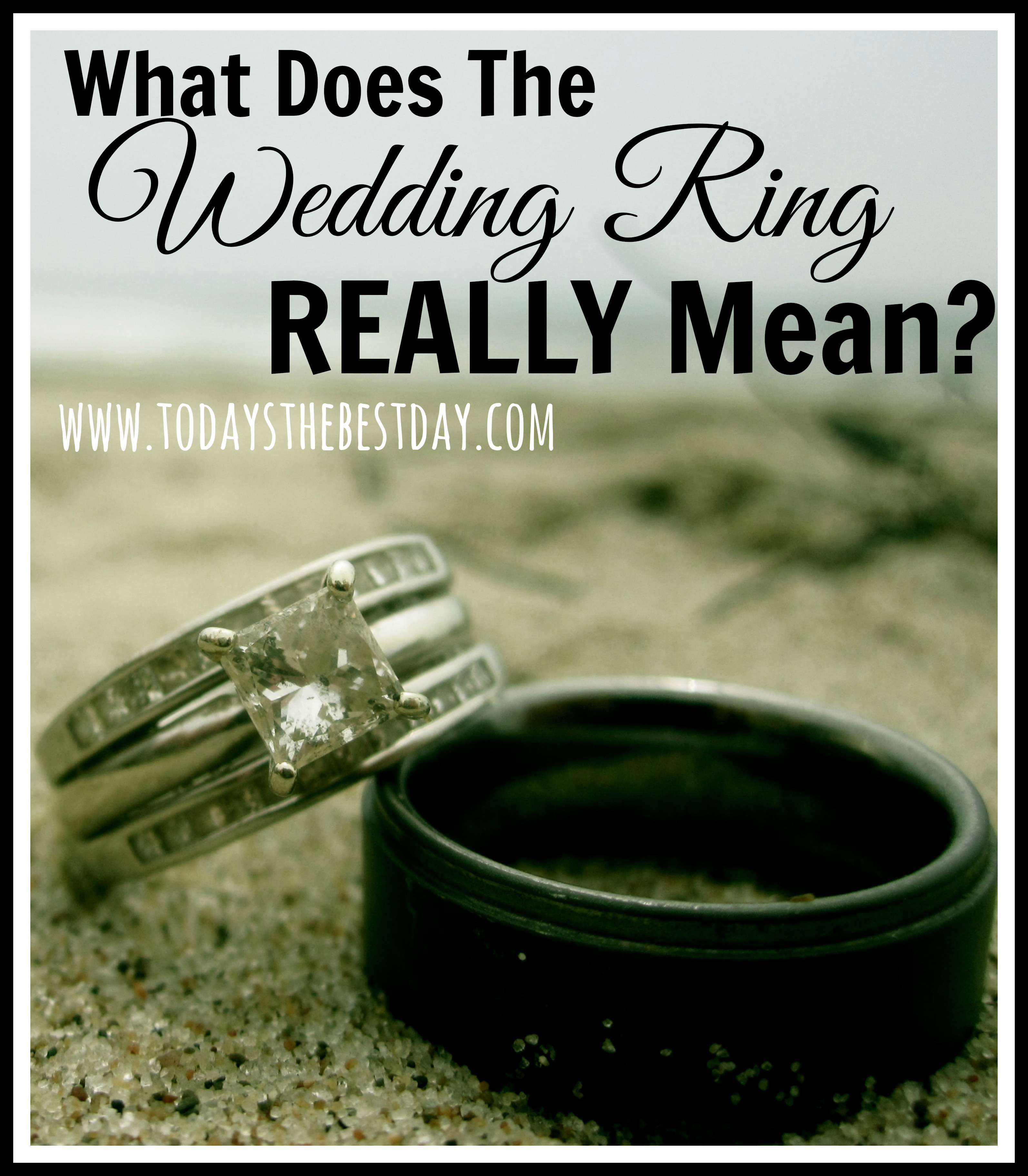
The consistent presence and reinforcement of the ring’s symbolism over centuries have had a profound psychological impact, akin to imprinting brand loyalty. From a young age, individuals are exposed to the wedding ring as the ultimate symbol of love and commitment, fostering a deep-seated desire and expectation for it in their own lives. This cultural conditioning creates a powerful emotional attachment to the symbol, making it almost indispensable to the wedding ritual. It taps into universal human desires for connection, security, and belonging, establishing the ring as a brand that resonates on a deeply personal and emotional level. This psychological anchoring ensures its continued relevance and demand, perpetuating its legacy and reinforcing its brand equity with each new generation.
Strategic Marketing of Matrimony: How Brands Capitalize on Symbolism
Jewelry companies and the broader wedding industry are masters at leveraging the inherent symbolism of the wedding ring for strategic marketing. They don’t just sell rings; they sell dreams, aspirations, and the powerful brand narrative of eternal love.
Crafting Narratives: Storytelling in Jewelry Marketing
Modern marketing thrives on storytelling, and few products come with a narrative as rich and emotionally resonant as the wedding ring. Jewelry brands skillfully weave tales of enduring love, commitment, and personal legacy into their campaigns. They highlight the ring not just as a commodity, but as a vessel for memories, a promise for the future, and a tangible representation of a couple’s unique love story. Advertisements often depict romantic proposals, joyous ceremonies, and idyllic marital life, all centered around the gleaming symbol on the finger. This narrative-driven approach elevates the ring beyond its material value, imbuing it with emotional significance that drives consumer desire and loyalty to specific brands.
Emotional Resonance: Tapping into Core Human Desires
The most successful brands tap into fundamental human emotions and desires. The wedding ring, with its profound symbolism, naturally resonates with desires for connection, security, belonging, and the dream of a lifelong partnership. Marketers exploit this emotional resonance by positioning their rings as the embodiment of these deep-seated aspirations. They sell hope, security, and a future filled with love. This approach ensures that purchasing a wedding ring is not just a transaction but an emotional investment, a significant milestone in a personal journey. The ring, therefore, becomes a powerful conduit for expressing and fulfilling these universal human needs, reinforcing its position as a high-value “brand asset.”
Product Placement on the Finger: The Ultimate Brand Ambassador
Consider the ring’s placement: directly on the finger, visible to the world every single day. This is the ultimate, continuous product placement. Each wearer becomes a walking brand ambassador for the concept of marriage and, often, for the specific jewelry brand from which the ring was purchased. The ring acts as a constant advertisement, not just for the institution of marriage, but also subtly for the craftsmanship, quality, and prestige associated with its origin. This persistent visibility ensures that the brand message of commitment and union is constantly reinforced, both to the wearer and to their social circle, creating a perpetually active and highly personal form of brand communication.
Personal Branding in Matrimony: The Ring as a Statement
Beyond the universal symbolism and commercial branding, the wedding ring also serves as a critical tool for personal branding within the context of matrimony. It’s an opportunity for individuals to express their unique couple identity while adhering to a deeply meaningful tradition.
Choosing Your Brand Mark: Styles, Materials, and Personal Expression
While the core symbolism of the ring is universal, the specific choice of style, material, and design allows couples to infuse their personal brand into this ancient symbol. A minimalist band might reflect a preference for understated elegance, while an intricate design with elaborate settings might speak to a desire for uniqueness and flair. The choice of metal – gold, platinum, or a contemporary alloy – or the inclusion of specific gemstones, all contribute to the couple’s unique brand mark. This personalization transforms the ring from a generic symbol into a bespoke representation of their individual tastes, shared values, and the distinctive brand identity they wish to project as a married couple.
The Unspoken Message: How the Ring Shapes Perceptions
The ring, once worn, continuously shapes perceptions. It communicates an unspoken message about the wearer’s life stage, priorities, and stability. In many professional and social settings, a wedding ring can subtly influence how an individual is perceived – perhaps as more responsible, committed, or stable. This speaks to the powerful role the ring plays in personal branding, impacting social interactions and even career trajectories. It becomes a visible aspect of one’s professional persona, contributing to a holistic personal brand that encompasses both individual achievements and relational commitments. The ring, therefore, acts as a subtle but potent tool in managing one’s public image and the brand identity projected to the world.

Maintaining Brand Consistency: A Lifelong Commitment
Just as a successful brand requires consistent messaging and quality, the symbolism of the wedding ring signifies a lifelong commitment to maintaining the “couple brand.” Wearing the ring consistently reinforces the brand message of enduring love and fidelity, not just on the wedding day, but every day thereafter. It’s a continuous act of affirming the initial brand promise made during the vows. Removing the ring, even temporarily, can send unintended or conflicting brand signals. Thus, the continuous wearing of the wedding ring is a daily reaffirmation of brand loyalty and consistency, a visual testament to the ongoing effort and dedication required to sustain a strong and meaningful marital brand over time.
In conclusion, the wedding ring is a remarkable example of enduring brand power. It effectively distills complex human emotions, historical traditions, and profound commitments into a simple, universally recognized symbol. From its ancient origins as a basic brand mark of union to its contemporary role in personal and commercial branding, the ring continues to symbolize far more than just a piece of metal and stone. It is a strategically deployed emblem, a masterpiece of relationship branding that eloquently communicates love, commitment, and a shared identity in a language understood by all.
aViewFromTheCave is a participant in the Amazon Services LLC Associates Program, an affiliate advertising program designed to provide a means for sites to earn advertising fees by advertising and linking to Amazon.com. Amazon, the Amazon logo, AmazonSupply, and the AmazonSupply logo are trademarks of Amazon.com, Inc. or its affiliates. As an Amazon Associate we earn affiliate commissions from qualifying purchases.