
In the dynamic landscape of modern business, the role of an office manager extends far beyond mere administrative tasks. They are, in essence, the quiet architects of operational efficiency and, crucially, a pivotal force in maintaining and enhancing a company’s financial health. Often underestimated, the office manager’s responsibilities directly impact the bottom line, influencing everything from daily expenditures to long-term financial stability. They are the guardians of the office budget, the strategists behind cost optimization, and the meticulous record-keepers who ensure financial transparency and accountability.
This article delves into the multi-faceted financial contributions of an office manager, revealing how their daily actions and strategic decisions serve as a cornerstone for robust business finance, investment in operational excellence, and ultimately, sustained profitability. From managing budgets to leveraging sophisticated financial tools, the office manager is undeniably a critical player in a company’s fiscal narrative.

The Office Manager as a Strategic Financial Steward
At the heart of the office manager’s role lies a deep commitment to financial stewardship. They are not just spending money; they are strategically allocating resources to ensure maximum return on investment (ROI) and operational effectiveness. This often involves a delicate balance between acquiring necessary resources and exercising stringent cost control.
Budget Creation and Management
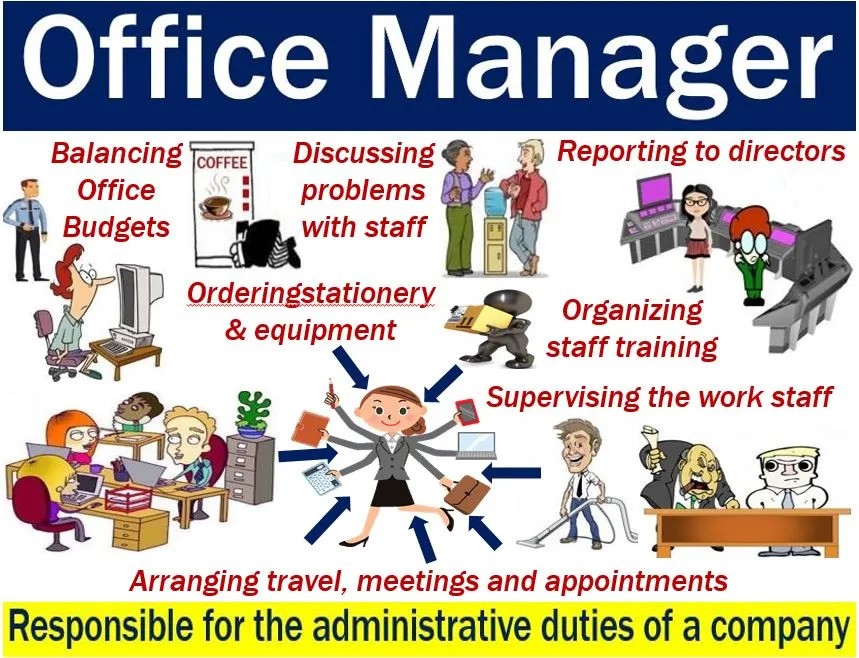
One of the most significant financial responsibilities of an office manager is the development and ongoing management of operational budgets. This isn’t a passive task but an active, analytical process. They collaborate with various departments to understand their needs, forecast future expenditures, and allocate funds for everything from stationery and utility bills to software subscriptions and office equipment maintenance. Once established, the budget becomes a living document, meticulously tracked to ensure adherence and identify any deviations. This proactive management prevents overspending and allows for timely adjustments, safeguarding the company’s financial stability. Their insights can directly inform higher-level financial planning, making them invaluable contributors to the overall financial strategy.
Cost Control and Expense Optimization
Beyond merely managing a budget, office managers are tasked with continuous cost control and expense optimization. This involves a keen eye for potential savings without compromising quality or productivity. They actively seek out efficiencies, whether it’s through negotiating better rates with existing suppliers, exploring alternative vendors, or implementing energy-saving measures. From scrutinizing every invoice to analyzing utility consumption, their efforts directly translate into reduced operational costs. This ongoing pursuit of optimization is critical for maintaining healthy profit margins, especially in an inflationary environment where every dollar saved directly contributes to the company’s profitability. Their ability to identify and implement cost-saving solutions makes them direct contributors to the company’s financial strength.
Procurement and Asset Management
The procurement function, often overseen by the office manager, is inherently financial. Every purchase, from a new printer to a coffee machine, represents an expenditure that must be justified and tracked. Office managers are responsible for ensuring that all purchases align with budgetary constraints and company policies, seeking approvals, and recording transactions accurately. Furthermore, they often manage the lifecycle of office assets, from acquisition to depreciation and eventual replacement. This includes maintaining an asset register, conducting regular inventory checks, and making informed decisions about repair versus replacement, always with an eye on the financial implications and maximizing the asset’s useful life and ROI.
Ensuring Fiscal Efficiency Through Operational Excellence
Operational excellence, when viewed through a financial lens, is about doing more with less, optimizing processes, and minimizing waste – all areas where the office manager excels. Their daily activities are geared towards creating an efficient environment that directly supports the company’s financial objectives.
Vendor Relationship Management and Contract Negotiation
Office managers are frequently the primary point of contact for a multitude of vendors, ranging from cleaning services and catering to IT support and office supply providers. Their ability to cultivate strong vendor relationships and, more critically, to effectively negotiate contracts, has a profound financial impact. By securing favorable terms, discounts for bulk purchases, and robust service level agreements (SLAs), they ensure the company receives the best possible value for its expenditure. A skilled negotiator can unlock significant savings annually, directly bolstering the company’s financial performance. This strategic aspect of their role positions them as key players in managing ongoing operational costs.
Expense Reporting and Financial Record-Keeping
Accurate and timely expense reporting is fundamental to sound financial management. Office managers often streamline and oversee the processes for tracking, categorizing, and reporting office-related expenses. They ensure that all financial transactions are properly documented, reconciled, and conform to company policies and accounting standards. This meticulous record-keeping is vital for budgeting, financial analysis, tax compliance, and auditing purposes. Their vigilance ensures that financial data is reliable, providing a clear picture of how money is being spent and identifying any discrepancies or areas for improvement, thus supporting accurate financial forecasting and decision-making.
Resource Allocation and Supply Chain Oversight
The efficient allocation of resources – be it office supplies, equipment, or even shared spaces – is a core financial responsibility. Office managers optimize inventory levels, preventing both shortages that can disrupt operations and overstocking that ties up capital. They manage the internal “supply chain” for the office, ensuring that necessary items are available when needed, at the best possible cost. By minimizing waste and maximizing utilization, they contribute directly to operational cost-effectiveness. This careful oversight ensures that every dollar spent on resources contributes effectively to productivity, avoiding unnecessary expenditures and enhancing overall fiscal discipline.
Contributing to Employee Financial Well-being and Compliance
While not always directly managing payroll or benefits, office managers play a crucial supportive role that impacts employee financial well-being and ensures compliance with financial regulations and policies.
Payroll Support and Benefits Administration Liaison
In many organizations, the office manager acts as a vital link between employees and the finance/HR departments regarding payroll and benefits. They might be responsible for collecting and submitting time sheets, managing employee expense claims, and maintaining records that inform payroll processing. Furthermore, they often assist with the initial onboarding process for new hires regarding benefits enrollment, answering initial queries, and coordinating with benefits providers. While not financial advisors, their accurate and timely handling of this data indirectly impacts employee compensation and ensures that financial processes related to personnel are smooth and compliant.
Policy Implementation and Regulatory Adherence
Office managers are key implementers of company financial policies, particularly those related to expenses, procurement, and asset usage. They ensure that employees understand and adhere to guidelines for expense reimbursement, purchasing limits, and the proper use of company assets. Beyond internal policies, they often help ensure that office operations comply with relevant external financial regulations, such as those related to health and safety (which can have financial penalties for non-compliance) or data protection (GDPR, CCPA, etc., often involving technology procured and managed by the office). This proactive role in compliance mitigates financial risks associated with penalties and legal issues.
Supporting Financial Audits and Reporting
When internal or external financial audits occur, the office manager is frequently called upon to provide documentation, records, and explanations related to office expenditures, asset management, and operational processes. Their meticulous record-keeping and organized approach make this process significantly smoother and more efficient. They are instrumental in gathering the necessary evidence to demonstrate fiscal responsibility and compliance, directly contributing to the integrity of the company’s financial reporting and enhancing stakeholder confidence.
Leveraging Financial Tools for Enhanced Productivity and Savings
The modern office manager understands that technology is a powerful ally in managing financial responsibilities effectively. They are often early adopters and champions of financial tools that streamline processes, enhance accuracy, and generate actionable insights.
Utilizing Expense Management Software
Manual expense reporting is prone to errors and is incredibly time-consuming. Office managers frequently implement and manage cloud-based expense management software. These platforms automate the tracking, submission, approval, and reimbursement of employee expenses, significantly reducing administrative overhead and ensuring faster, more accurate processing. By integrating with accounting systems, they provide real-time visibility into spending patterns, making it easier to identify cost-saving opportunities and enforce expense policies, thereby directly impacting the company’s financial efficiency.
Budgeting and Financial Planning Software
Beyond simple spreadsheets, many office managers now leverage specialized budgeting and financial planning software. These tools enable them to create more dynamic budgets, forecast future expenditures with greater accuracy, and monitor actual spending against planned allocations in real-time. The analytical capabilities of such software allow for more sophisticated variance analysis, helping to pinpoint areas of concern or success swiftly. This empowers the office manager to make data-driven financial decisions, optimize resource allocation, and contribute more strategically to the overall financial planning process.
Vendor Management and Procurement Platforms
To further optimize procurement and vendor relationships, office managers increasingly utilize vendor management and procurement platforms. These systems centralize vendor information, track contracts and renewal dates, automate purchase orders, and facilitate competitive bidding. By streamlining the entire purchasing cycle, these platforms help ensure that the company consistently secures the best prices, avoids duplicate purchases, and manages supplier performance effectively. This translates directly into significant cost savings and improved financial control over external expenditures.
The Future of the Office Manager Role: A Financial Operations Specialist
The trajectory of the office manager role is towards becoming an even more integrated and strategic financial operations specialist. As businesses increasingly rely on data and efficiency, the financial acumen of the office manager will become even more pronounced.
Embracing Data-Driven Financial Decisions
Future office managers will lean heavily into analytics to drive their financial decisions. Beyond just tracking expenses, they will analyze spending data to identify trends, predict future costs, and proactively implement strategies to optimize budgets. This shift towards a data-driven approach will transform them into predictive financial partners, capable of contributing high-level insights into operational expenditures and potential savings. Their ability to translate data into actionable financial strategies will be paramount.
Adapting to Hybrid Work Models and Remote Budgeting
The rise of hybrid and remote work models presents new financial challenges and opportunities. Office managers will be instrumental in managing distributed resources and expenses, adapting budgets to account for home office stipends, technology provisioning for remote staff, and flexible office space utilization. Their expertise will be crucial in designing cost-effective strategies for a geographically dispersed workforce, balancing employee needs with fiscal responsibility, and ensuring that operational efficiency extends beyond the traditional office walls.
Strategic Contribution to Bottom-Line Growth
The evolution of the office manager role is transforming it from an administrative support function to a direct contributor to bottom-line growth. By expertly managing costs, optimizing procurement, leveraging financial technologies, and ensuring operational efficiencies, they free up valuable capital and resources that can be reinvested into growth initiatives. Their strategic financial oversight ensures that every dollar spent supports the company’s objectives, ultimately enhancing profitability and solidifying their position as an indispensable asset to the executive team.

Conclusion
The question “what does the office manager do?” unravels a complex tapestry of responsibilities, with financial stewardship woven deeply into its fabric. Far from being a mere support role, the office manager is a critical driver of business financial health. From meticulously managing budgets and shrewdly negotiating contracts to leveraging cutting-edge financial tools and ensuring regulatory compliance, their actions directly influence a company’s profitability, operational efficiency, and long-term financial stability. In an era where every expenditure is scrutinized and every saving celebrated, the office manager stands out as an unsung hero, an indispensable linchpin in the intricate machinery of modern business finance.
aViewFromTheCave is a participant in the Amazon Services LLC Associates Program, an affiliate advertising program designed to provide a means for sites to earn advertising fees by advertising and linking to Amazon.com. Amazon, the Amazon logo, AmazonSupply, and the AmazonSupply logo are trademarks of Amazon.com, Inc. or its affiliates. As an Amazon Associate we earn affiliate commissions from qualifying purchases.