
In an increasingly complex financial world, the concept of budgeting often evokes images of restrictive spreadsheets and self-imposed austerity. Yet, at its core, budgeting is not about deprivation; it is a powerful tool for financial empowerment, a roadmap that guides you toward your monetary goals and provides unparalleled peace of mind. Whether you’re an individual navigating personal expenses or a business striving for sustainable growth, understanding “how budgeting” works and mastering its principles is the cornerstone of robust financial health.
Budgeting is, quite simply, the process of creating a plan to spend and save money. It involves tracking your income and expenses over a set period, typically a month, to ensure you don’t spend more than you earn and that you allocate funds towards your priorities. Far from being a mere accounting exercise, budgeting is a proactive strategy that allows you to take control of your money, rather than letting your money control you. It illuminates spending patterns, identifies opportunities for savings, and lays the groundwork for achieving everything from debt freedom to significant investments and retirement security. Without a budget, financial decisions can feel arbitrary, leading to stress, missed opportunities, and a constant struggle to make ends meet. This article will delve into the transformative power of budgeting, outlining its foundational pillars, effective strategies, and how it applies beyond personal finance to foster business success, ultimately providing a comprehensive guide to mastering this indispensable financial skill.
The Foundational Pillars of Effective Budgeting
Before you can effectively manage your money, you must first understand its flow. The initial steps in budgeting are critical, laying the groundwork for all subsequent financial decisions and strategies.
Understanding Your Income and Expenses
The absolute first step in any budgeting endeavor is to gain a clear, unvarnished picture of your financial inflows and outflows. This means meticulously tracking every dollar that comes in and every dollar that goes out. For income, this might be straightforward—your salary, freelance payments, or business revenue. However, accurately tracking expenses can be more challenging but is undeniably more crucial. Many people are genuinely surprised when they see where their money actually goes versus where they think it goes.
To achieve this, you can utilize various methods:
- Manual Tracking: Keeping a notebook or a simple spreadsheet to log every transaction. This hands-on approach offers a deep connection to your spending habits.
- Digital Tools: Leveraging budgeting apps (like Mint, YNAB, Personal Capital) or spreadsheet software (Excel, Google Sheets) that can often link to your bank accounts and automatically categorize transactions. While convenient, it’s important to review categories regularly for accuracy.
- Bank/Credit Card Statements: Reviewing these monthly can provide a comprehensive overview of your spending, though it might be after the fact for real-time adjustments.
The goal here isn’t just to list numbers; it’s to identify patterns. Are there subscription services you no longer use? Are certain discretionary spending categories (dining out, entertainment, impulse buys) eating up a significant portion of your income? This granular understanding forms the bedrock upon which a realistic and effective budget can be built. Without knowing your financial reality, any budget you create will be built on assumptions, making it prone to failure.
Setting Clear Financial Goals
Budgeting without a purpose is like embarking on a journey without a destination. Your financial goals provide the motivation and direction for your budget. These goals can be short-term, medium-term, or long-term, and should be specific, measurable, achievable, relevant, and time-bound (SMART).
Examples of financial goals include:
- Short-term (1-2 years): Building an emergency fund, paying off a credit card, saving for a down payment on a car.
- Medium-term (2-5 years): Saving for a house down payment, funding a child’s education, starting a business.
- Long-term (5+ years): Retirement planning, significant investments, legacy building.
Once your income and expenses are clear, you can allocate funds in your budget towards these goals. For instance, if your goal is to save $5,000 for an emergency fund within a year, you know you need to allocate roughly $417 each month to that specific savings category. Your budget then becomes a living document that reflects your aspirations, translating abstract desires into concrete financial actions. Regularly reviewing and adjusting these goals, along with your budget, ensures they remain aligned with your evolving life circumstances.
Choosing the Right Budgeting Method
There isn’t a one-size-fits-all approach to budgeting. What works for one person or business might not work for another. The key is to find a method that resonates with your personality, financial complexity, and level of commitment.
Some popular budgeting methods include:
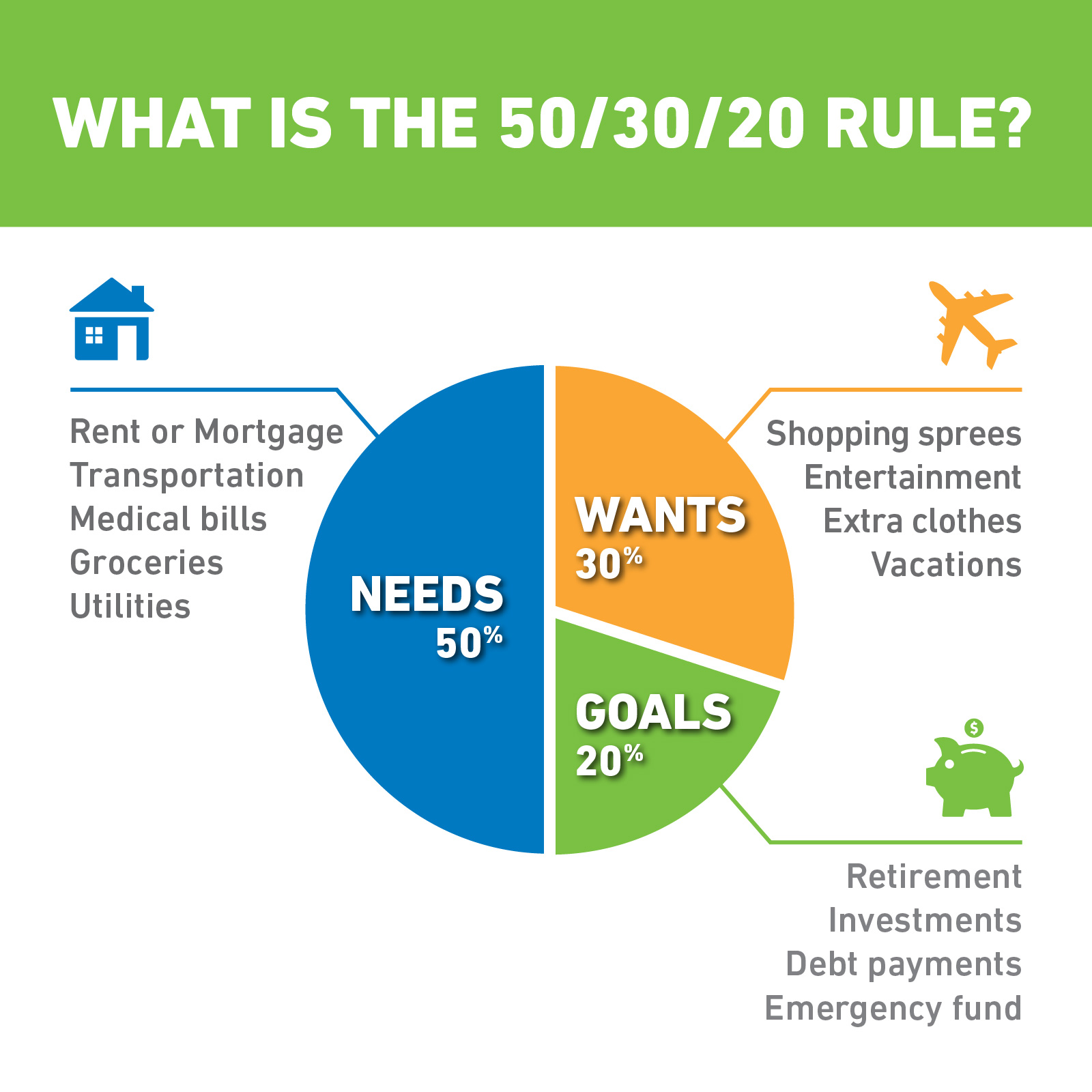
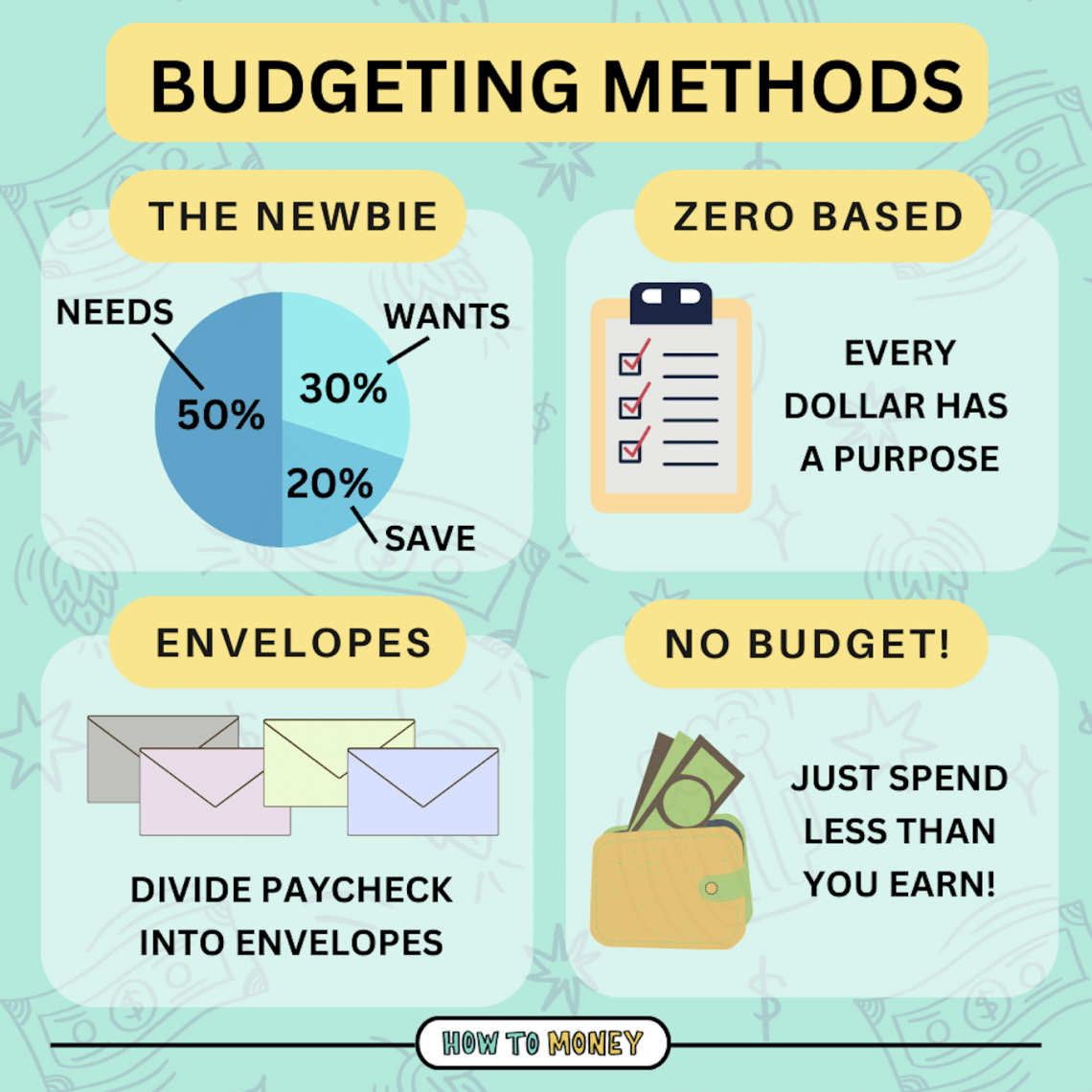
- The 50/30/20 Rule: This simple rule allocates 50% of your after-tax income to Needs (housing, utilities, groceries), 30% to Wants (dining out, entertainment, hobbies), and 20% to Savings & Debt Repayment (emergency fund, investments, extra debt payments). It’s straightforward and provides a good starting point for many.
- Zero-Based Budgeting: Every dollar of your income is assigned a “job.” This means your income minus your expenses (including savings and debt payments) should equal zero. This method ensures maximum intentionality with your money and leaves no dollar unaccounted for, often making it highly effective for debt reduction and accelerated savings.
- Envelope System: A tactile method where you allocate cash for specific spending categories (e.g., groceries, entertainment) into physical envelopes. Once an envelope is empty, you stop spending in that category until the next budgeting cycle. This is particularly effective for those who struggle with overspending on credit cards.
- Pay Yourself First: This strategy prioritizes savings and investments. Before paying any bills or discretionary spending, a set amount is automatically transferred to savings accounts or investment vehicles. The remaining money is then used for expenses. This ensures that your financial future is always a priority.
Experimenting with different methods can help you discover what feels most sustainable and effective for your individual or business needs. The best budgeting method is the one you will actually stick to.
Strategies for Budgeting Success
Having understood the foundational pillars, the next step is to implement strategies that ensure your budget doesn’t just exist on paper but actively works for you, driving consistent progress towards your financial objectives.
Automating Your Savings and Bills
One of the most powerful strategies for budgeting success is automation. Human willpower is finite, and relying solely on it to manage consistent savings or timely bill payments can lead to missed opportunities or late fees. Automation removes the friction and decision-making from routine financial tasks, making adherence to your budget effortless.
- Automated Savings: Set up automatic transfers from your checking account to your savings accounts (emergency fund, retirement accounts, investment accounts) immediately after your paycheck hits. Even small, consistent transfers add up significantly over time thanks to the power of compounding. This embodies the “pay yourself first” principle.
- Automated Bill Payments: Schedule automatic payments for recurring bills such as rent/mortgage, utilities, loan installments, and subscriptions. This ensures you never miss a due date, safeguarding your credit score and avoiding late penalties. While automating, it’s prudent to still review your statements monthly to catch any errors or unexpected charges.
By automating these crucial aspects of your financial life, you effectively “set it and forget it,” freeing up mental energy and ensuring that your financial plan is consistently executed, month after month.
Regular Review and Adjustment
A budget is not a static document; it is a living, breathing financial tool that needs regular attention. Life is dynamic, and your budget must adapt to changes in income, expenses, and financial goals. A budget that isn’t reviewed and adjusted becomes obsolete, leading to frustration and a sense of failure.
- Monthly Check-ins: At the end of each month, compare your actual spending against your budgeted amounts. Where did you overspend? Where did you underspend? What categories need to be adjusted for the next month? This review helps you understand your habits better and refine your allocations.
- Quarterly or Biannual Deep Dives: Periodically, conduct a more thorough review of your overall financial picture. Have your income sources changed? Are your long-term goals still relevant? Do you need to reallocate funds due to a major life event like a new job, a new family member, or a significant purchase?
- Flexibility is Key: Don’t be afraid to make changes. If you consistently find yourself overspending in one category, either find ways to reduce that spending or realistically increase the budget for it, perhaps by reducing another less critical category. The goal is a budget that works for you, not against you.
This iterative process of review and adjustment is what makes budgeting truly effective and sustainable in the long run.
Distinguishing Needs vs. Wants
One of the most critical skills a budget fosters is the ability to differentiate between needs and wants. This distinction is fundamental to prioritizing spending and making conscious financial choices.
- Needs: These are essential for survival and basic functioning. They include housing, utilities, food (basic groceries, not dining out), transportation (for work/essentials), essential healthcare, and minimum debt payments. These are non-negotiable expenses that must be covered.
- Wants: These are discretionary expenses that improve your quality of life but are not strictly necessary. They include dining out, entertainment, new gadgets, expensive clothing, vacations, premium streaming services, and elaborate coffee runs.
When creating or refining your budget, allocate funds to your needs first. Only after your needs are covered should you consider your wants. If you find yourself struggling to meet your needs or save for goals, your wants are the first place to look for potential cuts. This doesn’t mean eliminating all wants, but rather making intentional choices about which wants bring you the most value and fit within your financial capacity. This mindful approach to spending is a cornerstone of effective money management.
Building an Emergency Fund
Perhaps no single financial strategy offers more peace of mind than building a robust emergency fund. An emergency fund is a dedicated savings account containing money specifically set aside to cover unexpected life events without resorting to high-interest debt or derailing your financial progress.
- What it Covers: Job loss, unexpected medical bills, major car repairs, home maintenance emergencies, or any other unforeseen financial setback.
- How Much to Save: Financial experts typically recommend having 3-6 months’ worth of essential living expenses saved in a readily accessible, separate savings account. For greater security, some suggest up to 12 months, especially for those with irregular income or dependents.
- Prioritization: Building an emergency fund should be one of your top financial priorities, often taking precedence even over aggressive debt repayment (beyond minimums) or investing, especially if you have no emergency savings at all. It acts as your personal financial safety net, absorbing shocks that could otherwise derail your entire financial plan.
By dedicating a portion of your budget to consistently building this fund, you are investing in your financial resilience and reducing stress when life inevitably throws a curveball.
Beyond Personal Finance: Budgeting in Business
While often discussed in the context of personal finance, budgeting is equally, if not more, crucial for businesses of all sizes. A well-constructed business budget acts as a strategic roadmap, guiding decisions, allocating resources, and ensuring long-term viability and growth.
Strategic Planning and Resource Allocation
For businesses, a budget is a fundamental component of strategic planning. It translates the company’s goals and objectives into quantifiable financial targets and outlines how resources—human, financial, and material—will be allocated to achieve them.
- Goal Alignment: A business budget ensures that spending aligns directly with strategic initiatives, whether it’s expanding into new markets, developing new products, or enhancing operational efficiency.
- Departmental Budgets: Larger organizations often break down the master budget into departmental budgets, empowering department heads to manage their specific resources while contributing to the overarching financial goals. This decentralization fosters accountability and ownership.
- Investment Decisions: Budgets help businesses evaluate potential investments, such as new equipment, technology upgrades, or marketing campaigns, by assessing their projected costs against anticipated returns.
Without a clear budget, businesses risk misallocating capital, pursuing unprofitable ventures, or lacking the necessary funds to capitalize on growth opportunities.
Cost Control and Profit Maximization
One of the primary objectives of business budgeting is to gain control over costs and optimize profitability. By meticulously tracking and forecasting expenses, businesses can identify areas of inefficiency and implement strategies to reduce unnecessary spending.
- Identifying Waste: Detailed expense tracking, facilitated by a budget, reveals where money is being spent. This can uncover redundant services, overpriced suppliers, or inefficient processes that drain resources.
- Negotiation Power: With a clear understanding of costs, businesses are better positioned to negotiate favorable terms with suppliers, landlords, and service providers.
- Revenue Forecasting: Coupled with expense management, robust revenue forecasting in a budget allows businesses to project profit margins, adjust pricing strategies, and set realistic sales targets.
- Scenario Planning: Budgets enable businesses to perform “what-if” analyses, modeling the impact of different revenue or cost scenarios on their bottom line, thus preparing for various economic conditions.
Ultimately, a budget empowers businesses to make data-driven decisions that enhance operational efficiency and drive sustainable profit growth.
Forecasting and Risk Mitigation
In the volatile business landscape, the ability to forecast future financial performance and mitigate risks is paramount. Budgets serve as a critical tool for both.
- Future Planning: By creating budgets that project revenues and expenses over future periods (e.g., quarterly, annually, or even multi-year), businesses can anticipate cash flow needs, plan for seasonal fluctuations, and prepare for significant capital expenditures.
- Identifying Financial Gaps: Forecasting helps identify potential shortfalls in cash flow or capital, allowing management to secure financing, adjust spending, or pursue new revenue streams proactively before a crisis emerges.
- Performance Benchmarking: Budgets set performance benchmarks against which actual results can be measured. Significant deviations trigger investigations, allowing management to understand root causes and take corrective action. This early warning system is crucial for preventing minor issues from escalating.
- Contingency Planning: Businesses can include contingency reserves within their budgets to address unforeseen disruptions, such as economic downturns, supply chain issues, or regulatory changes. This financial buffer provides resilience and stability during challenging times.
Through comprehensive budgeting, businesses can navigate uncertainties with greater confidence, make informed strategic decisions, and build a more resilient financial future.
Overcoming Common Budgeting Challenges
While budgeting offers immense benefits, the journey isn’t always smooth. Many individuals and businesses encounter common hurdles. Recognizing and addressing these challenges is key to long-term budgeting success.
Tackling Budgeting Fatigue
One of the most frequent reasons people abandon their budget is budgeting fatigue. The initial enthusiasm can wane when faced with consistent tracking, difficult spending choices, or the feeling of restriction.
- Simplify Your System: If your budget feels overly complicated, simplify it. Choose a less granular method or use automated tools to reduce manual effort.
- Be Realistic, Not Restrictive: A budget that is too tight and doesn’t allow for any discretionary spending is unsustainable. Build in some “fun money” or a buffer for small indulgences to prevent feeling deprived.
- Focus on Wins: Celebrate small victories—paying off a credit card, hitting a savings goal, or sticking to your grocery budget for a month. Acknowledging progress can be a powerful motivator.
- Take Breaks (Strategically): If you’re using a very intensive method like zero-based budgeting, occasionally switch to a simpler system for a month to recharge, then return to your preferred method.
Remember, consistency beats perfection. An imperfect budget that you stick to is far more effective than a perfect one that you abandon.
Dealing with Unexpected Expenses
Life is unpredictable, and unexpected expenses are inevitable. These financial surprises—whether a car repair, a medical bill, or a sudden home emergency—can quickly derail a meticulously planned budget and lead to frustration.
- Build an Emergency Fund (Reiterate): As discussed, this is the primary defense against unexpected costs. A robust emergency fund prevents these events from turning into financial crises.
- Create a Contingency Category: Within your regular budget, allocate a small amount each month to a “miscellaneous” or “contingency” fund. This isn’t your emergency fund but a smaller buffer for minor, unpredictable costs that don’t warrant tapping into your main emergency savings.
- Flexibility and Prioritization: When a larger unexpected expense arises, temporarily pause less critical savings goals (like investment contributions beyond your 401k match) or cut back on discretionary spending to cover the cost. Once the immediate crisis passes, readjust your budget to rebuild your funds.
- Insurance: Ensure you have adequate insurance coverage (health, auto, home, renter’s) to mitigate the financial impact of major unforeseen events.
The key is to anticipate that the unexpected will happen and build financial shock absorbers into your plan.
Avoiding the Comparison Trap
In the age of social media, it’s easy to fall into the “comparison trap”—looking at others’ seemingly lavish lifestyles and feeling inadequate about your own financial situation or budget. This can lead to dissatisfaction, impulse spending to keep up, and a general undermining of your budgeting efforts.
- Focus on Your Own Journey: Your financial goals and circumstances are unique. What works for someone else, or what they choose to spend money on, may not align with your values or priorities.
- Define Your Own Success: Financial well-being is personal. It might mean debt freedom, owning a home, early retirement, or simply having enough to comfortably pursue your passions. Define what success means to you.
- Mindful Consumption: Practice gratitude for what you have and be mindful of why you are tempted by others’ spending. Often, it’s an emotional response rather than a logical financial need.
- Unplug if Necessary: If social media or certain interactions consistently trigger feelings of financial inadequacy, consider limiting your exposure to those influences.
Your budget is a tool for achieving your financial dreams, not for competing with others. Celebrate your progress and remain focused on your personal path to financial freedom.
Conclusion
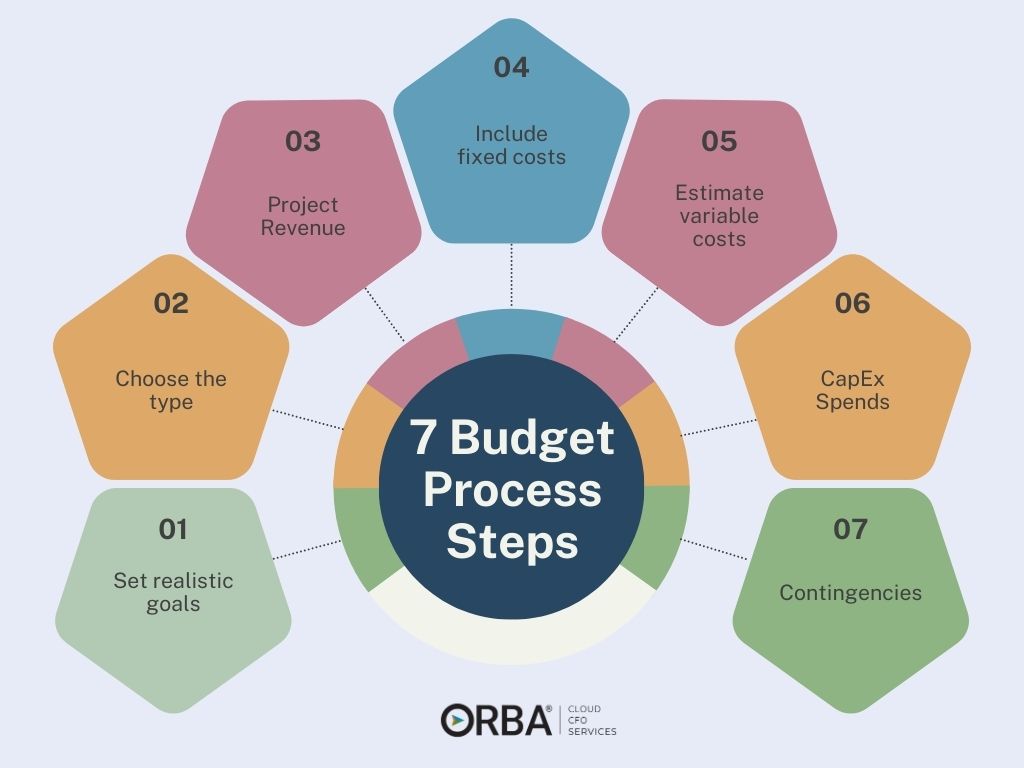
The journey to financial well-being is rarely a straight path, but with a well-crafted budget, you possess a powerful compass and map. “How budgeting” works is not a mystery; it is a systematic process of understanding your money, setting clear goals, employing smart strategies, and continuously adapting to life’s ebb and flow. From the meticulous tracking of personal income and expenses to the strategic resource allocation within a business, budgeting provides clarity, control, and confidence.
It’s about making conscious choices, distinguishing between needs and wants, and building the resilience to navigate unexpected challenges. While obstacles like budgeting fatigue or the comparison trap may arise, they are surmountable with persistence, flexibility, and a commitment to your financial vision. By embracing budgeting, you transform from a passive observer of your financial situation into an active architect of your financial future, paving the way for security, freedom, and lasting peace of mind. The time to take control of your money is now; start your budgeting journey today and unlock the door to a more empowered financial life.
aViewFromTheCave is a participant in the Amazon Services LLC Associates Program, an affiliate advertising program designed to provide a means for sites to earn advertising fees by advertising and linking to Amazon.com. Amazon, the Amazon logo, AmazonSupply, and the AmazonSupply logo are trademarks of Amazon.com, Inc. or its affiliates. As an Amazon Associate we earn affiliate commissions from qualifying purchases.