
In the intricate tapestry of modern automotive engineering, where vehicles are increasingly becoming sophisticated computers on wheels, a humble yet immensely powerful component orchestrates a myriad of functions: the Body Control Module (BCM). Often an unsung hero, the BCM serves as a central nervous system for much of a vehicle’s non-engine-related electrical systems, transforming simple user inputs into complex actions and ensuring a seamless, safe, and comfortable driving experience. Understanding the BCM’s role is key to appreciating the technological marvels that define today’s automobiles, bridging the gap between hardware and the driver’s interaction with their machine.
The Central Nervous System of Your Vehicle’s Electronics
At its core, the Body Control Module is a dedicated electronic control unit (ECU) designed to manage and monitor a vast array of electrical accessories and systems within a vehicle’s body. Unlike the Engine Control Unit (ECU/ECM) that governs powertrain functions or the Transmission Control Unit (TCU) overseeing gear shifts, the BCM focuses squarely on the cabin environment, exterior lighting, security, and various convenience features. It’s the central hub that interprets signals from switches, sensors, and other modules, then dispatches commands to actuators, lights, and displays, ensuring that everything from your power windows to your turn signals operates precisely as intended.
Defining the Body Control Module (BCM)
The BCM is essentially a microcontroller-based electronic device. Its primary function is to act as an intermediary, processing information from various inputs and relaying commands to their corresponding outputs. For example, when you press a power window switch, the BCM receives that signal, verifies it, and then sends a voltage signal to the window motor, instructing it to move the window up or down. This might seem simple, but the BCM handles dozens, if not hundreds, of such interactions simultaneously.
Historically, vehicles relied on an array of individual relays, fuses, and dedicated wiring harnesses for each electrical function. As vehicle features grew in complexity and number, this approach became cumbersome, inefficient, and prone to failure. The introduction of the BCM centralized much of this control, streamlining wiring, reducing weight, and enabling more sophisticated and interconnected functionalities. It represents a significant leap from rudimentary electrical systems to highly integrated, software-driven automotive electronics.
Architecture and Communication Protocols
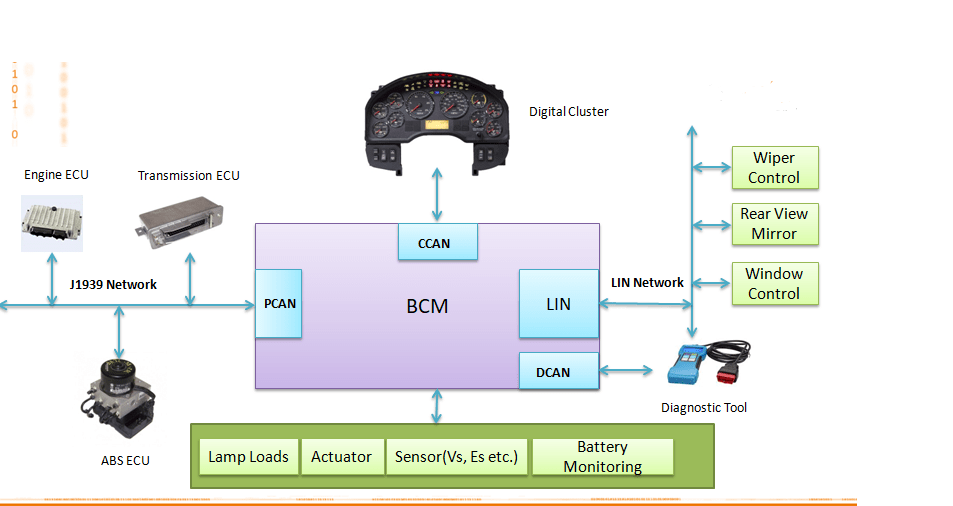
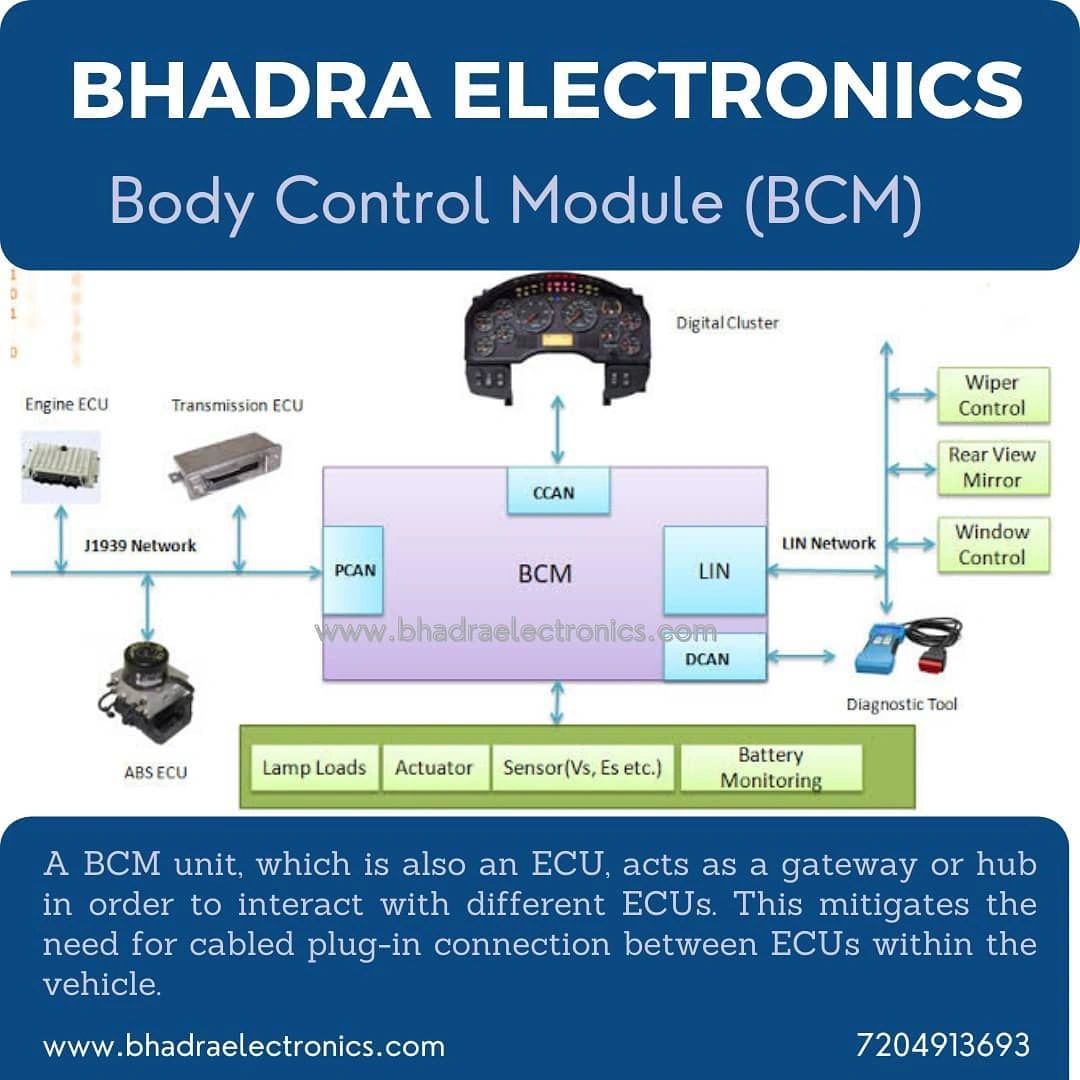
The BCM doesn’t operate in isolation; it’s an integral part of a complex network of ECUs within the vehicle. Modern cars employ sophisticated communication protocols to allow these modules to exchange data rapidly and reliably. The most prominent of these is the Controller Area Network (CAN bus). The CAN bus acts as a digital backbone, enabling the BCM to communicate with the engine control unit, instrument cluster, infotainment system, and even advanced driver-assistance systems (ADAS) modules.
Beyond the CAN bus, other networks like the Local Interconnect Network (LIN bus) are often used for simpler, lower-speed communications, such as those with door modules, seat controls, or HVAC components. The BCM receives inputs from a diverse range of sources: physical switches pressed by the driver or passengers, ambient light sensors, rain sensors, door ajar switches, and signals from other ECUs. Based on its programmed logic and these inputs, it then sends commands (outputs) to actuators (like motors for windows or door locks), relays (for lights), or digital signals to other modules for display on the instrument cluster. This intricate architecture allows for complex interdependencies and synchronized operations, making the vehicle’s electrical system highly organized and responsive.
A Symphony of Comfort and Convenience Features
One of the most noticeable aspects of the BCM’s control is its influence over the comfort and convenience features that drivers and passengers interact with daily. From the moment you unlock your car to the time you settle into the cabin, the BCM is diligently working behind the scenes, orchestrating a ballet of electrical responses.
Interior Lighting and Cabin Environment
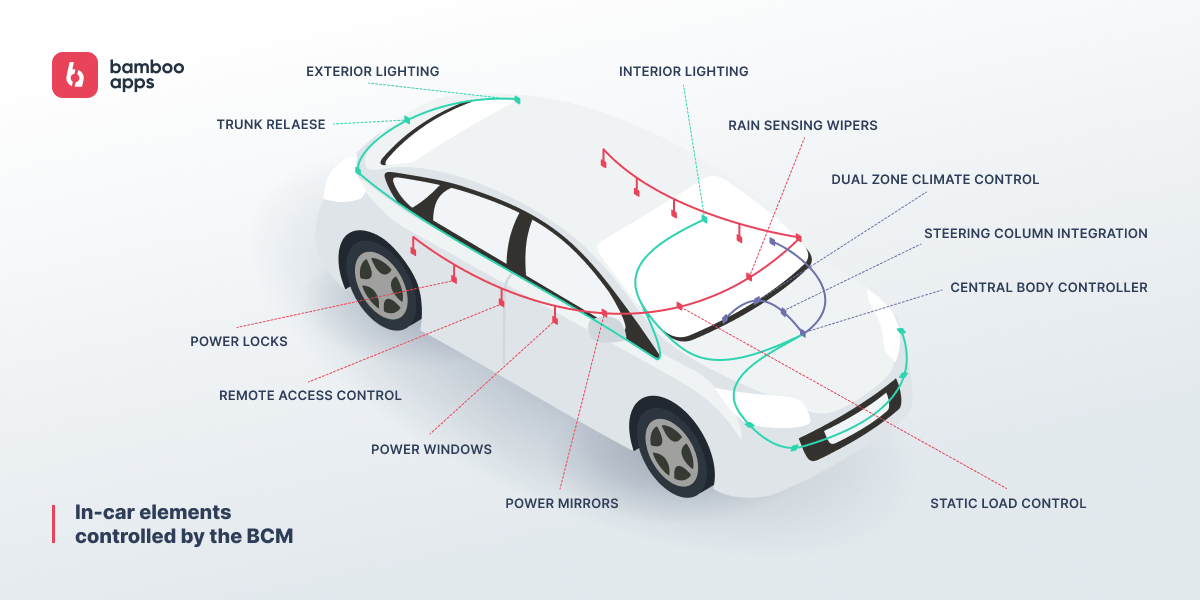
The BCM is the maestro behind your vehicle’s interior illumination. It controls the dome lights, map lights, courtesy lights that illuminate when you open a door, and often the sophisticated ambient lighting systems found in luxury vehicles. It dictates when these lights come on, how long they stay on, and at what brightness, often factoring in inputs like door status, ignition position, and even ambient light conditions.
Beyond lighting, the BCM often plays a supporting role in managing the cabin environment. While the Heating, Ventilation, and Air Conditioning (HVAC) system typically has its own dedicated control module, the BCM might interface with it to relay user commands from dashboard buttons, manage blower motor speeds indirectly, or coordinate with other systems (e.g., automatically turning on the AC when remote start is activated). Crucially, the BCM directly controls power windows, allowing you to raise and lower them with a simple press, and power mirrors, enabling electronic adjustment of your side views. It also manages the central locking system for doors, the trunk, and sometimes even the fuel filler flap. Furthermore, the BCM oversees the operation of the wiper and washer systems, determining wiper speed, intermittent settings, and activating the washer fluid spray, often in conjunction with rain sensors.
Driver Information and Infotainment Integration
While dedicated modules handle the primary functions of the instrument cluster and infotainment system, the BCM frequently acts as a crucial data conduit and enabler. It’s responsible for illuminating various dashboard warning lights and indicators, signaling issues with door ajar, low fluid levels (if not managed by another module), or system malfunctions. It can also provide input to the instrument cluster for certain displays, although speedometers, tachometers, and fuel gauges are often driven by direct signals from their respective sensors or ECUs.
In terms of infotainment, the BCM might manage basic power delivery or respond to certain global commands, such as muting the audio system when the horn is pressed or when a specific door is opened. And yes, the BCM is almost always the component that activates your vehicle’s horn, transforming your input into that familiar honk.
Security and Passive Entry Systems
Security is another paramount domain where the BCM exerts significant control. It’s the brain behind your central locking and remote keyless entry (RKE) system, interpreting signals from your key fob to lock or unlock doors, arm or disarm the alarm, and sometimes even pop the trunk. When you press a button on your fob, the BCM receives and decodes that radio frequency signal, then executes the corresponding command.
The BCM also often works in tandem with the immobilizer system, which prevents the engine from starting without the correct, electronically recognized key. While the immobilizer itself might be a separate module, the BCM typically plays a role in verifying the key’s authenticity before allowing the engine to crank or fuel to be injected. Furthermore, the BCM actively monitors and controls the vehicle’s alarm system, detecting unauthorized entry through door, hood, or trunk sensors, and triggering the siren and flashing lights accordingly. It also monitors seat belt status, contributing to safety warnings and compliance.
Enhancing Safety and Driving Dynamics
Beyond comfort and convenience, the BCM plays an integral role in a vehicle’s safety systems, particularly those related to visibility and interaction with advanced driver-assistance technologies. Its control over exterior lighting and its interface with other safety-critical modules ensure that the vehicle is both seen and responsive to its environment.
Exterior Lighting Management
The BCM is the master controller for virtually all exterior lighting on your vehicle. This includes the headlights (low beam, high beam, and sometimes automatic on/off functions based on light sensors), taillights, brake lights, and critical turn signals. It also manages auxiliary lighting such as fog lights and daytime running lights (DRLs), often controlling their activation based on vehicle status, time of day, or regional regulations. More advanced lighting systems, like adaptive headlights that swivel with steering input or automatically level, often have their own dedicated control modules, but the BCM serves as a central point of coordination and power distribution, ensuring these sophisticated systems integrate seamlessly with the vehicle’s overall electrical architecture.
Advanced Driver-Assistance Systems (ADAS) Interfacing
While modern ADAS features like adaptive cruise control, lane-keeping assist, and automatic emergency braking rely on a network of dedicated sensors (radar, lidar, cameras) and powerful ECUs, the BCM often serves as an important intermediary. It might not directly process the complex algorithms for obstacle detection or lane tracking, but it often enables these systems by providing power, relaying critical vehicle status information (like vehicle speed or steering angle from other modules), or activating indicators related to ADAS functions on the instrument cluster. For instance, the BCM might light up an indicator for blind-spot monitoring or assist in displaying tire pressure data received from the Tyre Pressure Monitoring System (TPMS) module. Its ability to communicate across the CAN bus is vital for the holistic operation of these safety-enhancing technologies.
Power Management and Diagnostics
A crucial, albeit less visible, function of the BCM is its role in power management. It oversees the distribution of electrical power to various accessories, ensuring that systems receive the correct voltage and current. It can implement battery-saving modes by strategically shutting down non-essential components when the vehicle is off or when the battery charge drops below a certain threshold. This intelligent power distribution helps prevent battery drain and prolongs the lifespan of electrical components.
Furthermore, the BCM is a critical component in vehicle diagnostics. When an electrical fault occurs within its domain, the BCM is programmed to detect it, often logging a specific Diagnostic Trouble Code (DTC). These codes can then be retrieved by technicians using specialized diagnostic tools, pinpointing the exact nature and location of the fault. This diagnostic capability is indispensable for efficient troubleshooting and repair, saving both time and money. The BCM also manages the vehicle’s “sleep mode,” ensuring all systems power down correctly when the ignition is off, preventing parasitic draws that can deplete the battery.
The Importance of a Functioning BCM and Future Trends
The complexity and interconnectedness of the BCM mean that its proper functioning is paramount to a vehicle’s overall operation. A faulty BCM can lead to a cascade of seemingly unrelated issues, making diagnosis and repair a specialized endeavor. As vehicles continue their rapid technological evolution, the BCM’s role is set to become even more central and sophisticated.
Diagnosing and Troubleshooting BCM Issues
Identifying a failing BCM can be challenging because its symptoms are often varied and erratic. Drivers might experience issues such as lights not working correctly (intermittent flashing, staying on, or not turning on), power windows or locks failing, windshield wipers operating erratically, or a host of dashboard warning lights illuminating without apparent cause. Because the BCM controls so many disparate systems, diagnosing a BCM fault often requires specialized diagnostic scanning tools that can communicate with the module, read stored DTCs, and monitor real-time data from its inputs and outputs. Given the critical nature of the BCM and its integration with other systems, replacement or repair should always be handled by qualified automotive technicians who have the necessary equipment and expertise to correctly program and calibrate the new module to the vehicle.
The Future of Vehicle Body Control
Looking ahead, the evolution of the BCM is marked by several key trends. We are likely to see increased integration and consolidation of ECUs, potentially merging the functions of the BCM with other control modules into more powerful, centralized “domain controllers” or “vehicle supercomputers.” This consolidation aims to reduce wiring complexity, improve communication speeds, and enhance overall system efficiency.
Over-the-air (OTA) updates, already prevalent in some modern vehicles, will become standard for BCM software, allowing manufacturers to deploy bug fixes, performance enhancements, and even new features remotely. For autonomous vehicles, the BCM’s role will expand to seamlessly integrate and control the myriad sensors, actuators, and communication systems necessary for self-driving capabilities, acting as a vital interface between the core AI and the vehicle’s physical components.
Finally, as vehicles become more interconnected and software-defined, cybersecurity considerations for modules like the BCM will take center stage. Protecting these critical control units from unauthorized access or malicious attacks will be essential to ensuring vehicle safety and data integrity.
In conclusion, the Body Control Module is far more than just another black box under the dashboard. It is a sophisticated, intelligent hub that orchestrates the vast majority of your vehicle’s non-powertrain electrical functions, profoundly impacting everything from your daily convenience to your safety on the road. Its continuous evolution reflects the broader technological advancements in the automotive industry, solidifying its position as an indispensable component in the modern vehicle architecture, and underscoring its pivotal role in shaping the driving experience of today and tomorrow.
aViewFromTheCave is a participant in the Amazon Services LLC Associates Program, an affiliate advertising program designed to provide a means for sites to earn advertising fees by advertising and linking to Amazon.com. Amazon, the Amazon logo, AmazonSupply, and the AmazonSupply logo are trademarks of Amazon.com, Inc. or its affiliates. As an Amazon Associate we earn affiliate commissions from qualifying purchases.