
The question “how much will my tax return be?” is one of the most common and eagerly anticipated inquiries as tax season approaches. For many, the prospect of a tax refund represents a significant financial event, a potential windfall that could be used for savings, debt reduction, or a long-desired purchase. However, the concept of a “tax return” itself is often misunderstood, conflated with the “tax refund.” Understanding the mechanics behind how your tax obligations and payments translate into that final figure is crucial for effective financial planning and maximizing your fiscal well-being. This article will demystify the process, exploring the factors that influence your tax outcome, how to estimate it, and strategies to optimize your financial position come tax time.

Understanding Your Tax Return: More Than Just a Check
Before diving into calculations, it’s essential to clarify the terminology. The phrase “tax return” refers to the official documentation you submit to the Internal Revenue Service (IRS) or state tax authorities, detailing your income, deductions, credits, and ultimately, your tax liability. It is the form itself. A “tax refund,” on the other hand, is the money you receive back from the government when you have paid more in taxes than your actual liability for the year. This distinction is fundamental to understanding your tax situation.
Distinguishing Between “Tax Return” and “Tax Refund”
Think of your tax return (Form 1040 for federal taxes) as a comprehensive financial report card for the year. It itemizes all your taxable income, subtracts eligible deductions, applies various credits, and calculates your total tax burden. Alongside this, it tallies the total amount of tax you’ve already paid throughout the year, typically through payroll withholdings (if you’re an employee) or estimated tax payments (if you’re self-employed or have other significant income sources). If the total amount paid exceeds your calculated tax liability, the difference is your tax refund. If you’ve paid less, you owe additional taxes.
Why Do We Get Tax Refunds?
Tax refunds primarily occur because individuals often overpay their taxes throughout the year. For employees, this overpayment happens through payroll withholdings. When you fill out Form W-4 for your employer, you indicate how much tax should be withheld from each paycheck. Many people err on the side of caution, electing to have more tax withheld than strictly necessary to avoid owing money at year-end. This strategy ensures they won’t face penalties for underpayment, but it also means they’ve essentially given the government an interest-free loan throughout the year. Similarly, self-employed individuals making estimated tax payments might intentionally overpay to buffer against unexpected income or deductions.
The Goal: A Balanced Tax Position
While a large tax refund can feel like a bonus, from a purely financial perspective, it’s not always the optimal outcome. A significant refund indicates that you’ve had less access to your own money throughout the year, missing out on potential interest earnings or investment growth. The ideal scenario for many financial planners is a “zero refund, zero balance due” situation, meaning your withholdings or estimated payments perfectly matched your tax liability. This allows you to utilize your income as it’s earned, maximizing your financial liquidity and potential for growth. Understanding the factors that determine your refund can help you adjust your strategy to achieve a more balanced tax position.
Key Factors Influencing Your Tax Return Amount
Calculating your tax return (and subsequently, your refund or amount owed) involves a complex interplay of various financial elements. Each component contributes to the final number, and understanding their impact is crucial for both estimation and strategic planning.
Income and Filing Status
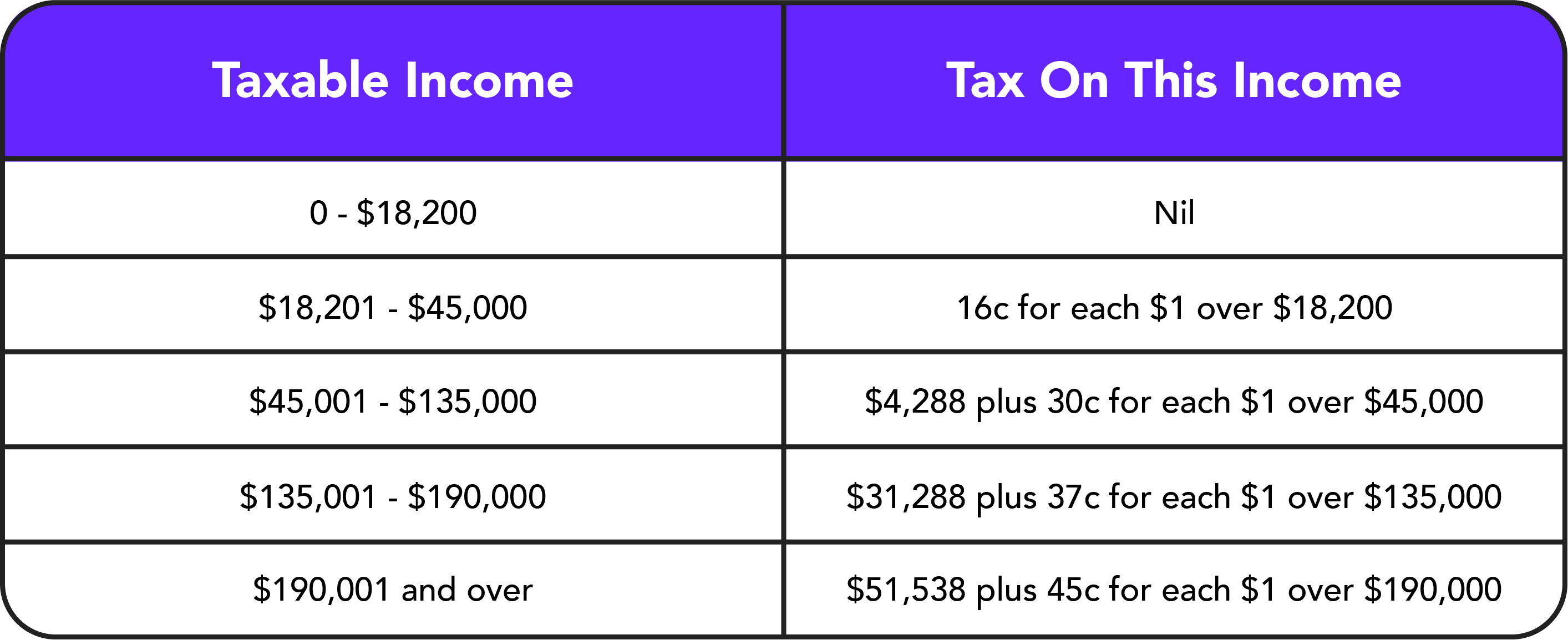
Your total taxable income is the bedrock of your tax calculation. This includes wages (W-2 income), self-employment income, interest, dividends, capital gains, rental income, and more. The higher your taxable income, generally, the higher your tax liability. Your filing status also significantly impacts your standard deduction amount, tax bracket thresholds, and eligibility for certain credits. The common filing statuses are:
- Single: Unmarried individuals.
- Married Filing Jointly: Married couples who file one joint return.
- Married Filing Separately: Married couples who choose to file individual returns.
- Head of Household: Unmarried individuals who pay more than half the cost of keeping up a home for a qualifying person.
- Qualifying Widow(er) with Dependent Child: For certain individuals whose spouse died recently and they have a dependent child.
Each status has different tax implications that can dramatically alter your final tax bill.
Withholdings and Estimated Payments
As discussed, the amount of tax you’ve already paid throughout the year is a direct offset to your final tax liability.
- Withholdings: For employees, this is the amount your employer deducts from each paycheck and sends to the IRS/state on your behalf. This is determined by the information you provide on your W-4 form.
- Estimated Payments: If you’re self-employed, have significant investment income, or other income not subject to withholding, you’re generally required to pay estimated taxes quarterly. Failure to do so can result in penalties. The more you’ve paid in, relative to your liability, the larger your potential refund (or smaller your balance due) will be.
Deductions and Credits: The Core of Your Refund
Deductions and credits are critical tools for reducing your taxable income and, consequently, your tax liability. While both reduce your taxes, they do so in different ways:
- Deductions: These reduce your taxable income. For example, if you have $60,000 in income and $10,000 in deductions, your taxable income becomes $50,000. Deductions are subtracted before your tax is calculated. You can typically choose between taking the standard deduction (a fixed amount based on your filing status) or itemizing your deductions (listing specific eligible expenses). Common itemized deductions include mortgage interest, state and local taxes (SALT, up to a limit), medical expenses exceeding a certain percentage of AGI, and charitable contributions.
- Credits: These directly reduce your tax liability dollar-for-dollar. A $1,000 credit reduces your tax bill by $1,000. Some credits are “non-refundable,” meaning they can reduce your tax liability to zero but won’t result in a refund beyond that. Others are “refundable,” meaning they can reduce your tax liability below zero, resulting in a refund even if you didn’t pay any tax. Key credits include:
- Child Tax Credit: For qualifying children.
- Earned Income Tax Credit (EITC): For low-to moderate-income working individuals and families.
- Education Credits: Such as the American Opportunity Tax Credit and Lifetime Learning Credit.
- Child and Dependent Care Credit: For expenses paid for the care of a qualifying individual.
- Retirement Savings Contributions Credit (Saver’s Credit): For eligible low and moderate-income taxpayers contributing to retirement accounts.
The strategic application of eligible deductions and credits can significantly impact your final tax outcome, often being the primary driver of a substantial tax refund.
Strategies for Estimating Your Tax Return
Estimating your tax return can help you plan your finances better and avoid surprises. While only a completed tax return can give you the exact figure, several methods can provide a reasonably accurate projection.
Gathering Your Financial Documents
The first and most critical step is to collect all relevant financial documents. These are the raw data for your tax calculation. Expect to need:
- Income Statements: W-2s from employers, 1099-NEC for contract work, 1099-INT for interest, 1099-DIV for dividends, 1099-B for stock sales, Schedule K-1 for partnership/S-corp income, and other income forms.
- Deduction & Credit Documentation: Mortgage interest statements (Form 1098), property tax receipts, student loan interest statements (Form 1098-E), tuition statements (Form 1098-T), records of charitable contributions, medical expense receipts, childcare expenses (Form W-10), and documentation for IRA/401(k) contributions.
- Prior Year’s Tax Return: This can serve as a useful baseline, assuming your financial situation hasn’t drastically changed.
Having these documents organized will streamline the estimation process.
Utilizing Online Tax Calculators
Many reputable websites, including the IRS and major tax software providers, offer free tax calculators. These tools typically ask for your filing status, gross income, estimated deductions (standard or itemized), and any applicable credits, then provide an estimate of your tax liability and potential refund. While useful for quick estimates, they may not capture every nuance of your financial situation, especially if you have complex investments or unique deductions. Use them as a starting point.
Leveraging Tax Software
Leading tax software programs like TurboTax, H&R Block, and TaxAct offer more robust estimation capabilities. Even before you officially file, you can often input your financial data into their platforms. The software guides you through a series of questions, much like a tax professional would, to identify all potential income, deductions, and credits. This method tends to be more accurate than simple online calculators because it delves deeper into your specific circumstances and applies the latest tax laws. Many even offer a “what if” scenario tool to see how different financial decisions could impact your refund.
Consulting a Tax Professional
For those with complex financial situations, significant life changes (marriage, divorce, new home, starting a business), or simply a desire for expert reassurance, consulting a tax professional is highly recommended. A Certified Public Accountant (CPA) or Enrolled Agent (EA) can accurately project your tax liability, identify often-missed deductions or credits, and provide personalized advice. Their expertise can not only help you understand your current refund but also plan strategically for future tax years. While there’s a fee involved, the peace of mind and potential savings can often outweigh the cost.
Maximizing Your Tax Refund: Proactive Steps
Beyond simply estimating, you can actively take steps to increase your tax refund or achieve a more favorable tax outcome. This often involves proactive planning and meticulous record-keeping throughout the year, not just during tax season.
Adjusting Your W-4
For employees, your Form W-4 determines how much tax your employer withholds from each paycheck. If you consistently receive a large refund, it means you’re overpaying throughout the year. You can adjust your W-4 to reduce your withholdings, giving you more money in each paycheck. Conversely, if you often owe taxes, you might want to increase your withholdings to avoid a large bill and potential penalties at year-end. The IRS Tax Withholding Estimator tool is an excellent resource for determining the optimal number of allowances or additional withholding to claim. Reviewing and adjusting your W-4 annually, especially after significant life events, is a smart financial habit.
Strategic Use of Deductions and Credits
Many tax benefits require specific actions throughout the year. Being mindful of these can lead to a larger refund:
- Charitable Giving: Keep meticulous records of all monetary and non-cash donations. If you itemize, these can significantly reduce your taxable income. Consider “bunching” donations into one year if you’re close to the standard deduction threshold.
- Health Savings Accounts (HSAs): Contributions to an HSA are tax-deductible, and the funds grow tax-free and can be withdrawn tax-free for qualified medical expenses.
- Traditional IRA Contributions: Contributions to a traditional IRA can be tax-deductible, reducing your taxable income for the year. Even if you have a workplace retirement plan, you might still be able to deduct IRA contributions depending on your income.
- Education Expenses: If you or your dependents are pursuing higher education, keep track of tuition, fees, and course material costs, as these may qualify for education credits.
- Homeownership: Mortgage interest and property taxes are significant itemized deductions for many homeowners.
Planning these contributions and expenses proactively ensures you don’t miss out on valuable tax breaks.
Keeping Meticulous Records
The adage “if it’s not documented, it didn’t happen” rings especially true for taxes. Maintain organized records for all income, expenses, deductions, and credits. This includes receipts, bank statements, mileage logs, and digital records. Good record-keeping not only ensures you claim all eligible tax breaks but also provides essential documentation in the unlikely event of an audit, protecting your refund and preventing future complications. Consider using digital tools or cloud storage for easy access and backup.
Understanding State and Local Taxes
While much of the focus is often on federal taxes, don’t forget about state and local income taxes. Each state has its own tax laws, deductions, and credits, which can significantly impact your overall tax picture. Some states have no income tax, while others have progressive tax structures. Understand your state’s specific requirements and how they interact with your federal return, as this can further influence your net refund or payment.
Navigating Tax Season: Tools and Tips
The final step is successfully navigating tax season itself. From choosing how to file to understanding what to do with your refund, a thoughtful approach can make the process smoother and more beneficial.
Choosing the Right Filing Method
You have several options when it comes to preparing and filing your tax return:
- DIY Tax Software: For most people with straightforward tax situations, using online tax software (e.g., TurboTax, H&R Block, TaxAct) is cost-effective and efficient. These programs guide you step-by-step and perform calculations automatically. Many offer free versions for simple returns.
- Professional Tax Preparer: If your taxes are complex, or you prefer hands-off convenience, a CPA or EA can handle everything for you. They can also offer valuable advice.
- Free Tax Services: The IRS offers free tax help programs like Volunteer Income Tax Assistance (VITA) and Tax Counseling for the Elderly (TCE) for qualifying individuals, providing free tax preparation and e-filing.
Choose the method that best suits your financial situation, comfort level, and budget.
Important Deadlines
Missing tax deadlines can result in penalties and interest. Key federal deadlines typically include:
- April 15: The general deadline to file your tax return and pay any taxes you owe.
- October 15: If you filed an extension by April 15, this is the deadline to submit your actual return. (Note: an extension to file is not an extension to pay).
- Quarterly Estimated Tax Payments: These are typically due in April, June, September, and January of the following year.
Be aware of state-specific deadlines as well, as they may differ from federal ones.
What to Do with Your Refund
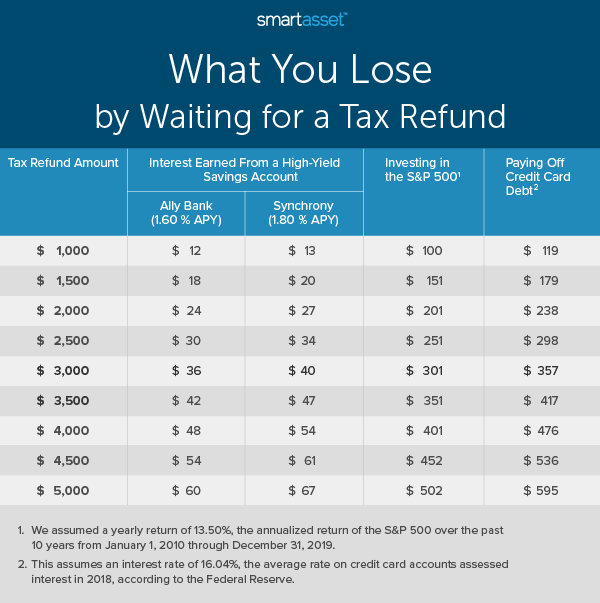
If you’re anticipating a refund, think strategically about how you’ll use it. Instead of treating it as “found money,” consider it a portion of your hard-earned income that was temporarily held by the government.
- Debt Repayment: Using a refund to pay down high-interest debt (credit cards, personal loans) can significantly improve your financial health.
- Savings: Boost your emergency fund, contribute to a down payment for a home, or save for other financial goals.
- Investing: Invest in a retirement account (IRA, 401(k)), a brokerage account, or an educational fund.
- Home Improvements: Use the funds for repairs or upgrades that add value to your property.
Making a plan for your refund ensures it serves your long-term financial objectives.
Avoiding Common Pitfalls
Be vigilant against tax scams, which often increase during tax season. The IRS will never contact you by phone, email, or social media to demand immediate payment or threaten legal action. Always verify official communications. Also, double-check all your entries on your tax return for accuracy, as even small errors can delay your refund or trigger an IRS inquiry. Finally, don’t miss out on potential deductions or credits; review your entire financial year to ensure you’ve captured everything.
Understanding “how much will my tax return be” is more than just anticipating a check; it’s about gaining clarity and control over your financial life. By grasping the fundamentals of income, deductions, credits, and withholdings, and by employing proactive strategies and diligent record-keeping, you can confidently navigate tax season and optimize your financial outcomes for the year ahead.
aViewFromTheCave is a participant in the Amazon Services LLC Associates Program, an affiliate advertising program designed to provide a means for sites to earn advertising fees by advertising and linking to Amazon.com. Amazon, the Amazon logo, AmazonSupply, and the AmazonSupply logo are trademarks of Amazon.com, Inc. or its affiliates. As an Amazon Associate we earn affiliate commissions from qualifying purchases.