
In our increasingly electrified world, batteries are the silent workhorses powering everything from the smartphones in our pockets to the electric vehicles on our roads and the large-scale energy grids that store renewable power. Yet, behind the seemingly simple act of charging and discharging lies a sophisticated, often invisible, component that orchestrates this entire process: the Battery Control Module (BCM), often interchangeably referred to as a Battery Management System (BMS). Far more than a mere switch, the BCM is the brain, guardian, and optimizer of any modern battery pack, dictating its performance, ensuring its safety, and extending its lifespan.
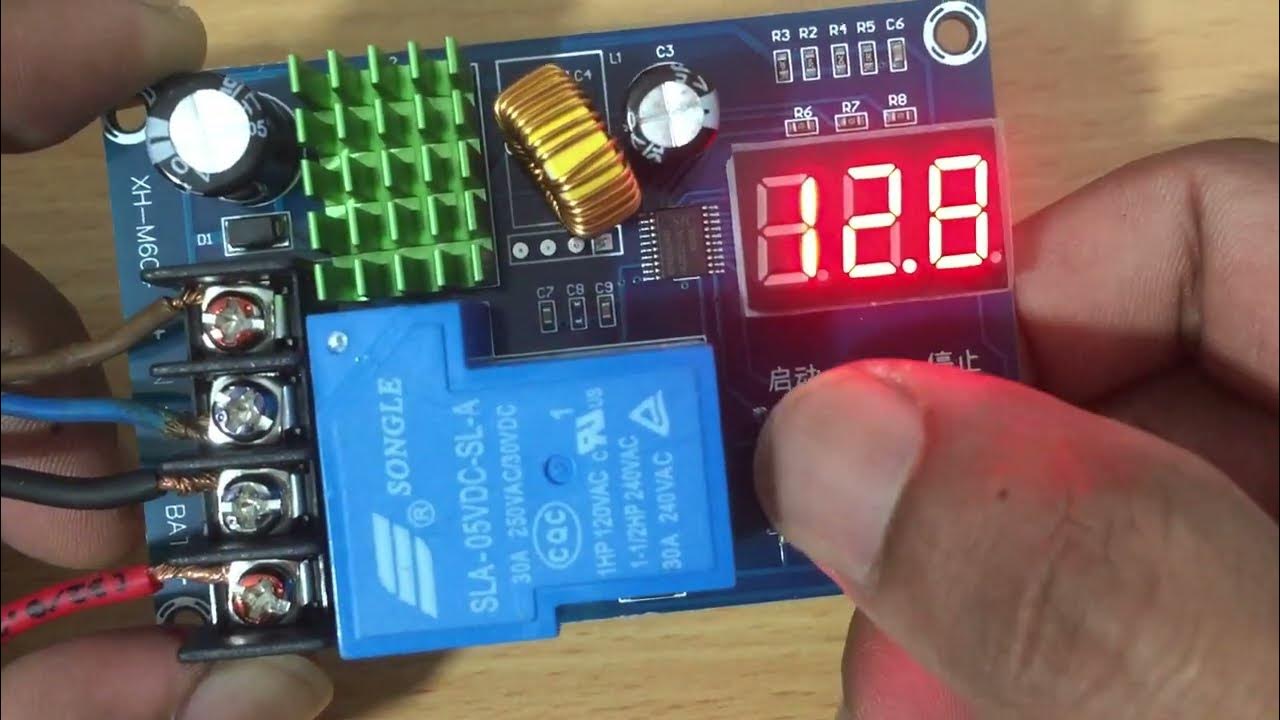
Understanding the BCM’s multifaceted role is crucial for appreciating the reliability and efficiency of today’s battery-powered devices. Without its intricate intelligence, batteries would be prone to rapid degradation, catastrophic failures, and unpredictable behavior, rendering the advanced technology they power unreliable or even dangerous. This module is the cornerstone of battery integrity, continuously monitoring, protecting, and optimizing the vital energy source upon which our connected lives depend.
The Core Functions of a Battery Control Module (BCM)
At its heart, a Battery Control Module performs a continuous dance of data acquisition and intelligent decision-making. Its primary objective is to maintain the battery within its optimal operating parameters, ensuring both safety and peak performance. This involves a delicate balance of observation and intervention, acting as the ultimate steward of the battery’s health.
Monitoring Key Parameters: Voltage, Current, Temperature
The BCM’s most fundamental role is to vigilantly monitor the critical vital signs of the battery pack. This includes:
- Cell Voltage: Individual cells within a battery pack can vary slightly in their charge and discharge characteristics. The BCM measures the voltage of each cell or cell group, crucial for preventing overcharging or deep discharging of any single cell, which can lead to damage or even thermal runaway.
- Current Flow: The BCM precisely tracks the current entering (charging) and exiting (discharging) the battery pack. This data is vital for calculating the actual energy being consumed or supplied, detecting abnormal current draws, and preventing overcurrent conditions that could overheat components or stress the battery excessively.
- Temperature: Temperature is a critical factor influencing battery performance and safety. Batteries operate optimally within a specific temperature range. Too cold, and performance suffers; too hot, and degradation accelerates, with the risk of thermal runaway in extreme cases. The BCM uses multiple temperature sensors placed strategically across the pack to maintain temperatures within safe limits, often by activating cooling or heating systems.
State of Charge (SoC) and State of Health (SoH) Estimation
Beyond raw data, the BCM processes these parameters to derive more meaningful metrics that inform both the user and the system about the battery’s status.
- State of Charge (SoC): Often displayed as a percentage (e.g., your phone’s battery icon showing 85%), SoC represents the remaining capacity relative to the total capacity. Calculating SoC accurately is complex, as it’s not a simple linear measurement but rather an estimation based on current integration (coulomb counting), voltage readings, and temperature compensation. A precise SoC is vital for managing power delivery, scheduling recharges, and preventing unexpected shutdowns.
- State of Health (SoH): SoH is a crucial metric that indicates the overall condition and remaining useful life of a battery, typically expressed as a percentage of its original capacity. Batteries degrade over time and use cycles. The BCM tracks this degradation by analyzing capacity fade, internal resistance increase, and other historical data. A low SoH can signal that a battery needs replacement or that its performance will be significantly reduced, impacting the device’s capabilities.
Balancing Cells for Optimal Performance
Battery packs are typically composed of many individual cells connected in series and parallel. Due to manufacturing tolerances, environmental factors, and usage patterns, these cells can develop slight differences in their charge levels and internal resistance.
- Cell Balancing: Without active management, these imbalances would lead to individual cells being overcharged or undercharged, accelerating degradation and reducing the usable capacity of the entire pack (the weakest link determines the pack’s overall performance). The BCM employs cell balancing techniques, either passive (dissipating excess energy from higher-voltage cells) or active (transferring energy from higher-voltage cells to lower-voltage cells), to equalize the voltage and charge state across all cells. This ensures that the entire pack operates efficiently and that no single cell is unduly stressed, maximizing both performance and lifespan.
Ensuring Safety and Protection
While optimizing performance is key, the paramount responsibility of a BCM is safety. Batteries, particularly high-energy-density lithium-ion variants, can be volatile if mishandled or if their operational limits are exceeded. The BCM acts as an unblinking guardian, preventing conditions that could lead to damage, fire, or explosion.
Overcharge and Over-Discharge Protection
These are two of the most critical safety mechanisms:
- Overcharge Protection: Charging a lithium-ion battery beyond its maximum voltage limit can lead to irreversible damage, internal short circuits, plating of lithium metal, and an increased risk of thermal runaway. The BCM actively monitors cell voltages during charging and will disconnect the charger or reduce charging current once the safe voltage threshold is reached, or if any single cell approaches its limit.
- Over-Discharge Protection: Similarly, discharging a battery below its minimum voltage threshold can also cause permanent damage, reducing capacity and increasing internal resistance. Deep discharge can even lead to internal copper dissolution and subsequent short-circuiting upon recharging. The BCM will cut off power delivery to the load if the battery pack or any individual cell reaches its minimum safe voltage, protecting it from irreparable harm.
Overcurrent and Short-Circuit Prevention
Current management is vital for preventing immediate hazards:
- Overcurrent Protection: If the device or external load draws too much current from the battery, it can lead to excessive heat generation, potentially damaging the battery cells, wiring, or associated electronics. The BCM monitors the discharge current and will disconnect the battery or limit the current if it exceeds a predefined safe threshold.
- Short-Circuit Prevention: A direct short circuit, where the positive and negative terminals are inadvertently connected, can result in massive current flow, extreme heat, and a very high risk of fire or explosion. The BCM is designed to detect such sudden, high current spikes almost instantaneously and rapidly open internal relays or fuses to isolate the battery, preventing catastrophic failure.
Thermal Management and Overheating Prevention
Temperature control is not just for performance but also for crucial safety:
- Thermal Management: Beyond simply monitoring temperature, many advanced BCMs actively manage it. If temperatures rise above a safe operating range, the BCM can initiate cooling mechanisms (fans, liquid cooling pumps in EVs) or reduce power output/charge rates to bring the temperature back down. Conversely, in cold conditions, it might activate heating elements to bring the battery up to an efficient operating temperature. This proactive thermal management is essential for preventing thermal runaway, a self-sustaining exothermic reaction that can lead to fire and explosion.
Optimizing Performance and Longevity
Beyond safety, a well-designed BCM significantly enhances the operational performance and extends the useful life of a battery. It’s about getting the most out of the energy stored, consistently and reliably.
Adaptive Charging Algorithms
The BCM doesn’t just cut off charging; it intelligently controls the entire charging process.
- Multi-Stage Charging: Lithium-ion batteries benefit from sophisticated charging profiles, often involving constant current (CC) and constant voltage (CV) stages. The BCM dynamically adjusts charging voltage and current based on the battery’s current SoC, temperature, and SoH to ensure efficient, rapid, and safe charging without stressing the cells.
- Temperature Compensation: Charging rates are adjusted based on temperature. Charging too quickly at low temperatures can cause lithium plating, while charging too aggressively at high temperatures can accelerate degradation. The BCM ensures the charging profile is always appropriate for the current environmental conditions.
- Preventing Memory Effect (for NiCd/NiMH, though less relevant for Li-ion): While primarily associated with older battery chemistries, the BCM still manages cycles to optimize for maximum capacity throughout the battery’s life, even if the “memory effect” is less of an issue for Li-ion. For Li-ion, optimization focuses on minimizing stress from extreme charge/discharge states.

Power Management and Load Distribution
In complex systems, the BCM acts as a power dispatcher:
- Load Management: For devices with multiple power-consuming components or in hybrid systems (like EVs combining battery and engine power), the BCM intelligently manages the power flow from the battery. It can prioritize power delivery, shed non-critical loads to conserve energy, or adjust output based on instantaneous demand.
- Regenerative Braking Integration (EVs): In electric vehicles, the BCM plays a crucial role in managing the energy recuperated during regenerative braking, directing this kinetic energy back into the battery for recharging, significantly improving efficiency and range.
Diagnostics, Fault Detection, and Reporting
The BCM is a constant source of vital diagnostic information:
- Fault Detection: It continuously monitors for anomalies such as communication errors, sensor malfunctions, excessive internal resistance, or unusual voltage drops. When a fault is detected, the BCM can log the event, trigger warnings, or even safely shut down the system to prevent further damage.
- Data Logging: BCMs often store historical data related to charge/discharge cycles, temperature extremes, fault events, and capacity fade. This data is invaluable for troubleshooting, warranty claims, and future battery design improvements.
- Communication with Host System: The BCM communicates its status (SoC, SoH, temperature, fault codes) to the host device or vehicle’s main control unit via various communication protocols (e.g., CAN bus, SMBus). This allows the user interface to display battery levels accurately and enables the device to make informed power management decisions.
Types of Battery Control Modules and Their Applications
The complexity and feature set of a BCM vary enormously depending on the application and the size/type of the battery pack it manages.
Consumer Electronics (Smartphones, Laptops, Wearables)
In small consumer devices, BCMs are highly integrated, often System-on-Chip (SoC) solutions. They focus on:
- Compactness and Low Power Consumption: Essential for small form factors and extending device run-time.
- Accurate SoC/SoH Reporting: Crucial for user experience and device reliability.
- Basic Safety Protections: Overcharge/discharge, overcurrent, and basic thermal cutoff.
- Fuel Gauging: Highly accurate estimation of remaining battery capacity.
These BCMs enable features like fast charging, optimized standby times, and predictable battery life, often without the user ever being aware of their presence.
Electric Vehicles (EVs) and Hybrid Systems
EVs represent the pinnacle of BCM complexity due to the sheer size, power, and safety requirements of their battery packs. EV BCMs manage thousands of individual cells and perform critical functions such as:
- Advanced Thermal Management: Integrating with sophisticated liquid cooling or heating systems to maintain optimal temperatures across the entire pack.
- High-Power Handling: Safely managing hundreds of volts and hundreds of amps during acceleration, deceleration, and fast charging.
- Cell-to-Cell Balancing: Crucial for maximizing range, performance, and the longevity of expensive EV battery packs.
- Redundant Safety Systems: Multiple layers of protection and fault detection to ensure passenger safety.
- Communication with Vehicle Systems: Deep integration with the powertrain control, infotainment, and charging infrastructure.
Renewable Energy Storage (Solar, Wind)
Large-scale energy storage systems, often used in conjunction with solar or wind power installations, also rely on robust BCMs. These systems prioritize:
- Long Lifespan and Cycle Stability: Batteries in these applications are expected to last for decades.
- Scalability: Managing battery banks that can range from kilowatt-hours to megawatt-hours.
- Grid Integration: Communication with grid management systems for optimal charge/discharge cycles based on energy demand and supply.
- Remote Monitoring and Diagnostics: Enabling operators to monitor battery health and performance from afar.
- Robust Environmental Tolerance: Operating reliably in diverse and often harsh environmental conditions.
The Future of Battery Control Modules: Smart, Predictive, and Integrated
As battery technology continues to evolve, so too will the intelligence embedded within BCMs. The trend is towards modules that are not just reactive but proactive, predictive, and deeply integrated into broader digital ecosystems.
AI and Machine Learning Integration
Future BCMs will leverage AI and ML algorithms to:
- Predictive Maintenance: Anticipate battery degradation and potential failures before they occur, allowing for timely intervention.
- Adaptive Optimization: Learn from usage patterns and environmental conditions to dynamically adjust charging profiles and power delivery for maximum efficiency and lifespan.
- Enhanced SoH Estimation: More accurately estimate battery health by analyzing complex datasets, factoring in individual cell characteristics and historical stress factors.
Enhanced Connectivity and IoT
With the advent of the Internet of Things (IoT), BCMs will become even more connected:
- Cloud-Based Analytics: Uploading data to cloud platforms for large-scale analysis, enabling fleet management, warranty optimization, and advanced diagnostics across vast numbers of devices.
- Over-the-Air Updates: Allowing for software updates to improve BCM functionality, security, and adapt to new battery chemistries or charging standards without physical intervention.
- Interoperability: Seamless communication with other smart devices, home energy management systems, or vehicle-to-grid (V2G) infrastructure.

Miniaturization and Energy Efficiency
As devices become smaller and demand longer battery life, BCMs will continue to shrink in size and power consumption.
- Higher Integration: More functions will be integrated into smaller chipsets, reducing board space and complexity.
- Ultra-Low Power Modes: Enabling even longer standby times for devices and minimizing energy drain from the BCM itself.
- Wireless Power Management: Exploring wireless data transfer and even wireless power transfer within the battery pack for cell balancing, further reducing complexity and increasing reliability.
In conclusion, the Battery Control Module is an unsung hero of the modern technological landscape. It is the crucial intermediary between raw chemical energy and usable electrical power, ensuring that batteries operate safely, efficiently, and for as long as possible. As our reliance on battery power deepens and battery technologies advance, the BCM’s role will only grow in complexity and importance, becoming an even more intelligent, indispensable guardian of our electrified future. Its continuous evolution is not just about extending battery life; it’s about enabling the next generation of innovative, reliable, and sustainable technological solutions.
aViewFromTheCave is a participant in the Amazon Services LLC Associates Program, an affiliate advertising program designed to provide a means for sites to earn advertising fees by advertising and linking to Amazon.com. Amazon, the Amazon logo, AmazonSupply, and the AmazonSupply logo are trademarks of Amazon.com, Inc. or its affiliates. As an Amazon Associate we earn affiliate commissions from qualifying purchases.