
Understanding the intricacies of snake husbandry extends far beyond diet and enclosure temperature. A crucial, yet often overlooked, aspect of monitoring a snake’s health and well-being lies in observing their waste. Snake droppings, or “scat,” are a direct indicator of their digestive processes, nutritional intake, and overall physiological state. For experienced keepers, breeders, veterinarians, and even casual enthusiasts who encounter snakes in their environment, the ability to accurately interpret snake droppings can be invaluable. This guide aims to demystify what snake droppings look like, focusing on the practical insights they offer for health assessment and husbandry optimization.

The Anatomy of Snake Scat: A Visual and Functional Breakdown
Snake droppings are a fascinating byproduct of their unique digestive system. Unlike mammals, snakes excrete waste in a single, consolidated form. This differs significantly from the separate elimination of urine and feces seen in many other animals. The composition and appearance of snake scat are influenced by a variety of factors, including diet, species, hydration levels, and health status. A thorough understanding of these components is the first step in deciphering the messages conveyed by this vital biological output.
Composition: The Unifying Elements of Snake Waste
The distinctive appearance of snake droppings is largely due to the combination of solid waste (feces) and liquid waste (urates) being expelled together. This is a significant physiological adaptation that streamlines waste elimination.
- Feces: This is the solid component of the dropping. It is primarily composed of undigested food material, such as bones, fur, feathers, scales, and chitin from insect prey. The color of the feces can vary considerably based on the snake’s diet. For instance, a snake that has recently consumed a rodent might have darker, more fibrous feces. The consistency can range from firm and well-formed to soft and watery, depending on hydration and digestive health.
- Urates: This is the white, chalky, or semi-solid portion of the dropping. It represents the nitrogenous waste products, primarily uric acid, which snakes excrete. Uric acid is less water-soluble than urea (excreted by mammals), allowing snakes to conserve water. The urates should ideally be a clean, white or off-white color. Any discoloration or unusual texture in the urates can be a significant health indicator.
- Digestive Juices and Mucus: Often, snake droppings will have a slimy or moist appearance due to the presence of digestive juices and mucus, which aid in the passage of waste. This is a normal component and should not be cause for alarm unless present in excessive amounts or accompanied by other concerning signs.
Variability: Species, Diet, and Individual Differences
It is crucial to recognize that there is no single, universal appearance for snake droppings. The characteristics of scat are remarkably diverse and are influenced by several key factors.
- Species-Specific Traits: Different snake species have unique dietary preferences and digestive capabilities, which will be reflected in their droppings. For example, a snake that primarily consumes insects might produce droppings that are smaller and contain more chitinous fragments compared to a snake that eats whole prey. Arboreal snakes might have slightly different droppings than terrestrial or aquatic species, though the fundamental components remain the same.
- Dietary Impact: The type and quantity of food consumed have the most significant impact on the appearance of snake droppings.
- Whole Prey (Rodents, Birds): When feeding on rodents or birds, the feces are typically darker brown or black, and may contain undigested hair, feathers, or small bone fragments. The urate portion will be the distinct white cap.
- Insects: Snakes that consume insects will have smaller, often more pellet-like droppings, frequently containing chitinous remains that might appear as small, dark flecks. The urates will still be present as a white cap.
- Fish: Snakes that consume fish may produce droppings that are softer and sometimes have a stronger odor.
- Dietary Imbalances: An unbalanced diet can lead to abnormal droppings. For example, a diet too rich in fat might result in greasy or very dark feces. A lack of fiber or roughage can lead to more compacted droppings.
- Hydration Levels: The hydration of the snake plays a role in the consistency of both the fecal and urate components. Well-hydrated snakes will generally have softer, more pliable droppings, while dehydrated snakes may have drier, more crumbly waste.
Interpreting the Signals: Health Indicators Within Snake Scat
Observing snake droppings is not merely an exercise in tidiness; it’s a fundamental diagnostic tool for assessing the health of your reptile. Subtle changes, when recognized, can provide early warnings of potential issues, allowing for timely intervention and preventing more serious health problems from developing.
Normal vs. Abnormal: Key Characteristics to Monitor
Understanding what constitutes “normal” is essential before identifying deviations. A healthy snake will typically produce well-formed droppings that are consistent with its diet and species.

-
Normal Droppings:
- Appearance: A dark brown to black fecal portion with a distinct, firm white urate cap.
- Consistency: The fecal portion should be firm but not rock-hard, and the urates should be chalky and solid.
- Frequency: Droppings will occur periodically, often a day or two after feeding, depending on the snake’s metabolism.
- Odor: A mild, earthy odor is typical; a foul or extremely pungent odor can be a concern.
-
Abnormal Droppings – Warning Signs:
- Liquid or Watery Feces: This can indicate diarrhea, which may be caused by parasites, infections, stress, or improper diet. It’s often accompanied by the absence of a solid urate portion or very watery urates.
- Undigested Food: If large, undigested pieces of prey (e.g., whole bones or fur) are consistently appearing in the droppings, it could suggest a digestive issue, such as insufficient digestive enzymes or a problem with the stomach lining.
- Presence of Blood: Any visible blood in the droppings, whether bright red or dark and tarry, is a serious sign and requires immediate veterinary attention. This can indicate internal bleeding, severe inflammation, or parasitic infestation.
- Abnormal Urates:
- Yellow or Green Urates: This can be a sign of liver issues or dehydration.
- Soft or Runny Urates: While occasional instances might not be critical, persistent soft urates can indicate hydration issues or kidney problems.
- Very Small or Absent Urates: This might suggest dehydration or a kidney problem where the snake isn’t properly excreting waste products.
- Presence of Parasites: In some cases, internal parasites (like roundworms) can be visible in the droppings as small, white, thread-like organisms. External parasites might also be shed with waste.
- Mold or Fungi: While rare, the presence of moldy material could indicate contamination in the enclosure or an issue with the snake’s immune system.
The Role of Frequency and Timing
The timing and frequency of defecation are also important indicators of a snake’s health and digestive efficiency.
- Post-Feeding Interval: Most snakes will defecate a day or two after consuming a meal. This interval can vary based on the snake’s species, size, age, and the size of the meal. For instance, a large meal might take longer to digest and excrete. Significant deviations from the usual interval without a clear reason (like a large meal) can be noteworthy.
- Prolonged Absence of Droppings: If a snake hasn’t defecated for an unusually long period, especially if it has been eating, it could indicate a blockage, impaction, or other digestive stasis. This is particularly concerning in young, growing snakes or after a particularly large meal.
- Frequent, Small Droppings: Conversely, very frequent, small, and often watery droppings can signal gastrointestinal distress.
Practical Applications: Monitoring Health and Optimizing Husbandry
The insights gained from observing snake droppings have direct, actionable applications for responsible snake keeping. Proactive monitoring and understanding are key to ensuring the well-being of these fascinating reptiles.
When to Consult a Veterinarian
While observing droppings is a form of self-monitoring, there are clear thresholds where professional veterinary intervention is necessary. Early detection and treatment can significantly improve outcomes.
- Persistent Abnormalities: If you notice any of the abnormal signs described above (bloody droppings, watery feces, unusual urate color, etc.) that persist for more than a couple of defecations, it’s time to seek professional advice.
- Lethargy and Refusal to Eat: If abnormal droppings are accompanied by other signs of illness, such as lethargy, loss of appetite, weight loss, or changes in behavior, a veterinary visit is crucial.
- Suspected Parasites: If you visually identify parasites in the droppings, a veterinarian can perform diagnostic tests and prescribe appropriate antiparasitic medication.
- Suspected Impaction or Blockage: If a snake is straining to defecate, appears bloated, or hasn’t defecated for an extended period after eating, it could indicate a serious blockage.
Diet and Hydration Adjustments Based on Scat Analysis
The information gleaned from scat can directly inform adjustments to a snake’s husbandry.
- Dietary Refinement: If droppings consistently show signs of poor digestion (e.g., undigested food), consider reviewing the diet. This might involve adjusting prey size, type, or frequency. For insectivores, ensuring a varied diet of gut-loaded insects is important. For snakes eating whole prey, ensure the prey is appropriately sized.
- Hydration Management: If droppings appear unusually dry or crumbly, or if urates are consistently hard and chalky, it may indicate dehydration. Ensure the snake has access to fresh, clean water at all times. Increasing humidity levels in the enclosure might also be beneficial for some species, particularly during shedding. Conversely, if feces are persistently watery and the snake appears well-hydrated, other causes of diarrhea should be investigated.
- Enclosure Hygiene: Observing droppings can also reinforce the importance of regular enclosure cleaning. Prompt removal of droppings prevents the proliferation of bacteria and parasites, which can contribute to digestive upset.
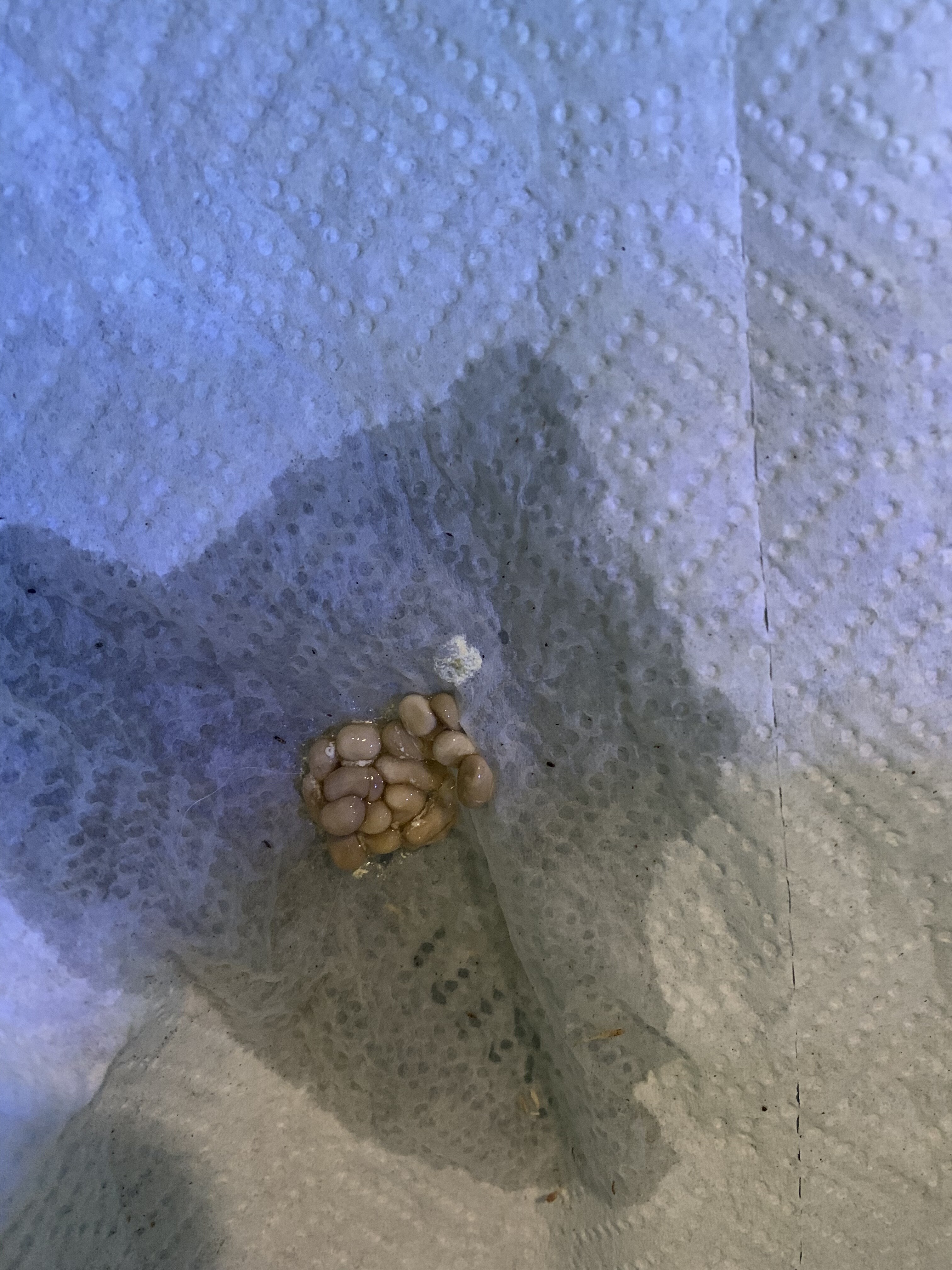
Conclusion: The Silent Language of Snake Scat
In the world of herpetoculture and wildlife observation, the humble snake dropping speaks volumes. By dedicating a few moments to examine the waste produced by your reptilian companions or observing it in their natural habitats, you gain an invaluable window into their physiological state. From the fundamental composition of feces and urates to the subtle variations dictated by species and diet, understanding snake scat empowers you to be a more attentive and effective caretaker. Recognizing normal patterns and, crucially, identifying deviations can lead to the early detection of health issues, prompt veterinary consultation, and ultimately, the well-being and longevity of the snakes under your observation. Treat snake droppings not as a chore, but as a silent, yet potent, language of health that deserves to be understood.
aViewFromTheCave is a participant in the Amazon Services LLC Associates Program, an affiliate advertising program designed to provide a means for sites to earn advertising fees by advertising and linking to Amazon.com. Amazon, the Amazon logo, AmazonSupply, and the AmazonSupply logo are trademarks of Amazon.com, Inc. or its affiliates. As an Amazon Associate we earn affiliate commissions from qualifying purchases.