
The appearance of raccoon droppings is a subject of keen interest for homeowners, property managers, and pest control professionals alike. While seemingly mundane, understanding the visual cues of these droppings can be crucial for identifying a raccoon presence, assessing the extent of potential infestation, and implementing appropriate mitigation strategies. However, the traditional approach to this identification often relies on visual inspection alone, which can be time-consuming, prone to misidentification, and, in some cases, pose health risks. In the digital age, however, we are presented with an exciting opportunity to leverage technology to enhance and streamline this process, transforming it from a manual chore into an intelligent, data-driven operation. This article explores how technological advancements can assist in recognizing and analyzing raccoon droppings, moving beyond basic visual characteristics to offer a more precise and efficient identification experience.
The Evolution of Identification: From Manual Observation to AI-Powered Analysis
Historically, identifying animal droppings, including those of raccoons, has been a matter of direct observation and comparison with established field guides. This method, while foundational, has inherent limitations. Misidentification can lead to unnecessary expenses, incorrect pest control interventions, and potential health hazards if the droppings are handled without proper precautions. The advent of sophisticated imaging technologies and artificial intelligence has opened new avenues for more accurate and less intrusive identification.
Visual Characteristics: The Traditional Baseline
Before delving into technological solutions, it’s essential to understand the fundamental visual characteristics of raccoon droppings. This baseline knowledge is what technological tools aim to augment and refine.
Size, Shape, and Texture
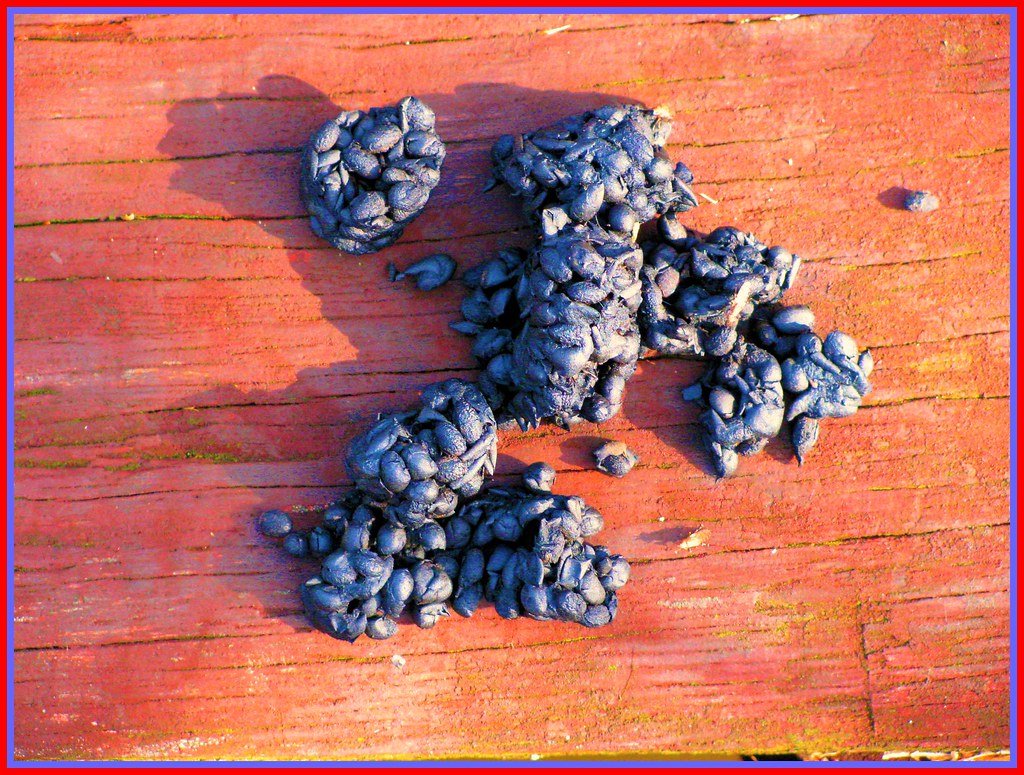
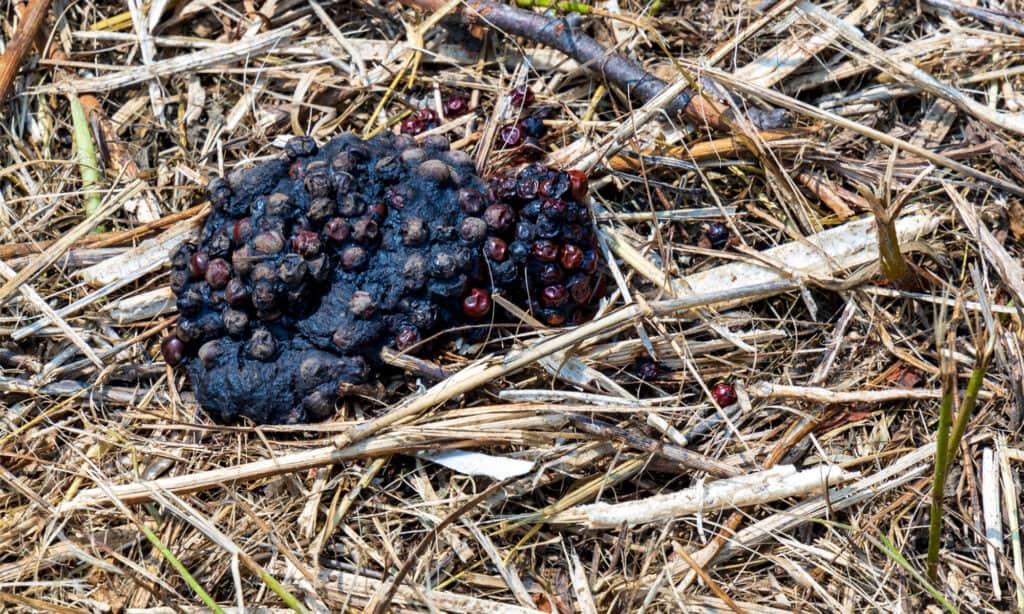
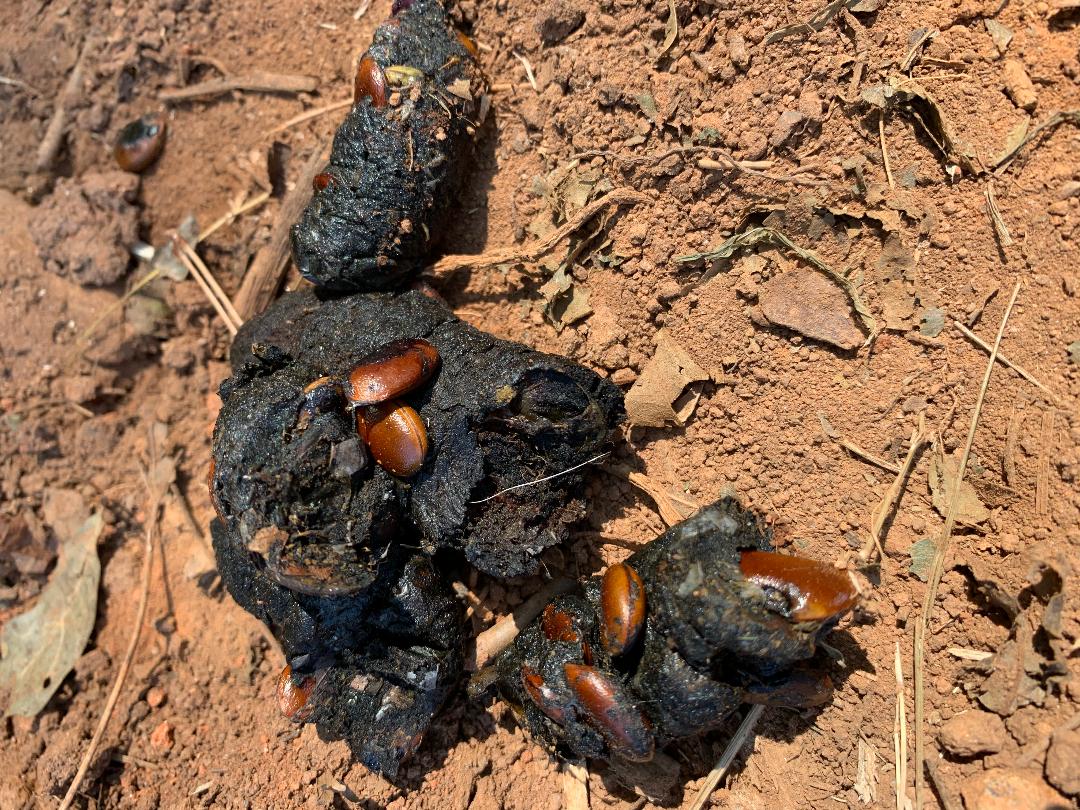
Raccoon droppings are typically tubular or cylindrical in shape, often with segmented ends, resembling small sausages or dog feces. They commonly measure between 1.5 to 4 inches in length and about 0.5 to 1 inch in diameter. The texture can vary depending on the raccoon’s diet, but they are generally moist and somewhat firm when fresh, becoming harder and drier as they age. The presence of undigested materials like seeds, fur, insect exoskeletons, or small bones can often be observed on the surface or when the dropping is broken open. This variation in visible contents is a key indicator, as raccoons are omnivores with a diverse diet.
Coloration and Location Clues
The color of raccoon droppings can range from dark brown to black when fresh, often appearing almost tar-like. As they dry and weather, they can become lighter in color, taking on grayish or even greenish hues. One of the most significant clues associated with raccoon droppings is their preferred latrine sites. Raccoons are known to defecate in designated areas, often on elevated platforms such as decks, porches, sheds, roofs, or fallen logs. Identifying multiple droppings in a concentrated area significantly increases the probability of a raccoon presence.
The Digital Shift: Incorporating Imaging and Machine Learning
The limitations of manual observation are precisely where technological interventions can make a significant impact. By integrating advanced imaging techniques with machine learning algorithms, we can develop systems that analyze visual data with unparalleled speed and accuracy.
Smartphone Imaging and Image Recognition Apps
The ubiquitous nature of smartphones, equipped with high-resolution cameras, has paved the way for innovative identification applications. Users can capture detailed images of suspected droppings, and specialized apps can then analyze these images against a vast database of animal scat. These apps employ image recognition algorithms, a subset of artificial intelligence, to identify patterns, shapes, sizes, and even subtle textural variations that might be missed by the human eye.
The process typically involves the user uploading a clear photograph of the dropping, ideally with a reference object for scale. The app then processes this image, comparing it against features learned during its training phase. This training involves exposing the AI model to thousands of images of various animal droppings, allowing it to distinguish between species with high confidence. For raccoon droppings, the AI would be trained to recognize the characteristic tubular shape, segmented ends, and common dietary inclusions visible in the droppings. The output would be a probability score, indicating the likelihood that the observed dropping belongs to a raccoon, along with potential identification of other similar species for comparative analysis.
Drone-Based Surveillance and Remote Sensing
For larger properties or areas that are difficult to access safely, drones equipped with high-resolution cameras offer a powerful solution. Drones can provide aerial perspectives, enabling rapid surveying of potential latrine sites without the need for direct human entry into potentially hazardous or inaccessible areas.
The captured aerial imagery can then be processed using advanced photogrammetry and AI. Similar to smartphone apps, machine learning models can be trained to identify clusters of droppings from overhead views. This is particularly useful for detecting latrines on rooftops, in dense undergrowth, or on steep inclines. Furthermore, some advanced drone systems incorporate thermal imaging capabilities. While not directly identifying droppings, thermal imaging can help detect the presence of warm-blooded animals that may be using these latrine areas, indirectly confirming a wildlife presence and aiding in the localization of droppings. The data collected from drone surveys can be integrated into Geographic Information Systems (GIS) for detailed mapping and analysis of wildlife activity patterns across an area.
The Technological Advantage: Precision, Efficiency, and Safety
The integration of technology into the identification of raccoon droppings offers a compelling suite of advantages over traditional methods, primarily revolving around enhanced accuracy, operational efficiency, and improved safety protocols.
Enhanced Accuracy and Reduced Misidentification
One of the primary benefits of AI-driven identification is its potential to significantly reduce misidentification. Human observers, even experienced ones, can be susceptible to biases or overlook subtle details. AI models, trained on extensive datasets, can consistently identify patterns that are characteristic of raccoon droppings. This includes not only gross morphological features but also the subtle texture and composition that might indicate diet.
Consider the challenge of differentiating raccoon droppings from those of other common urban wildlife, such as dogs or cats. While there are general distinctions, dietary variations and individual differences can blur the lines. An AI model, by analyzing a multitude of features simultaneously – shape, size, texture, and even the presence of specific particulate matter like insect fragments or seeds – can achieve a higher level of discriminative power. This increased accuracy is crucial for effective pest management, ensuring that resources are directed towards the correct species and that inappropriate control measures are avoided.
Machine Learning for Discriminative Analysis
Machine learning algorithms excel at identifying complex correlations within data that might be imperceptible to humans. In the context of raccoon droppings, this translates to an ability to discern between species with greater precision. For example, a model might learn to associate the presence of certain types of seeds or exoskeletons with raccoon diets, differentiating them from the dietary inclusions found in other animal droppings. The continuous learning aspect of AI also means that these systems can improve over time as they are exposed to more data, further refining their accuracy.
Streamlined Identification and Data Management
Traditional methods of documenting and tracking wildlife activity can be manual and labor-intensive. Technology offers a more streamlined and data-centric approach, transforming how we manage information related to raccoon presence.
Digital Record-Keeping and Geographic Tagging
When using AI-powered identification apps or drone surveys, the process of documentation is inherently digital. Each identification can be time-stamped, geolocated, and associated with the captured image. This creates a comprehensive, searchable database of wildlife activity. This data can be invaluable for tracking the movement of raccoons over time, identifying recurring latrine sites, and assessing the effectiveness of control measures.
The use of GPS technology allows for precise mapping of identified droppings, creating heatmaps of raccoon activity that can inform strategic placement of deterrents or traps. This data-driven approach allows for proactive management rather than reactive responses. Furthermore, for pest control professionals, this digital record-keeping can facilitate reporting to clients and regulatory bodies, providing concrete evidence of identified issues and the steps taken to address them.
Predictive Analytics for Proactive Management
As more data is collected and analyzed, the potential for predictive analytics emerges. By understanding the patterns of raccoon droppings and their correlation with environmental factors or human activity, AI models could potentially predict areas where raccoons are likely to establish latrines in the future. This proactive approach allows for the implementation of preventative measures before an infestation becomes a significant problem, saving time, money, and reducing the overall impact on property owners.
Improved Safety and Reduced Human Exposure
Working with wildlife, and particularly with their waste products, carries inherent health risks. Raccoon droppings can harbor parasites, bacteria, and viruses that can be transmitted to humans. Technological solutions can significantly reduce the need for direct human contact with these materials.
Remote Sensing and Non-Contact Assessment
As mentioned earlier, drone technology allows for the assessment of potential latrine sites from a safe distance. This is especially beneficial for identifying droppings in attics, crawl spaces, or on high roofs, areas that are often difficult and dangerous for humans to access. By providing high-resolution imagery, drones enable trained professionals to make preliminary assessments of raccoon activity without putting themselves at risk of falls or direct exposure to droppings.
Minimizing Direct Handling and Exposure
Even when direct identification is necessary, the use of AI-powered apps can guide individuals on how to safely approach and document findings. While precautions will always be necessary when handling any wildlife waste, technology can help reduce the duration and frequency of direct contact. The ability to quickly identify and document droppings through a smartphone app means less time spent physically searching through potentially contaminated areas.
The Future of Wildlife Identification: A Tech-Augmented Ecosystem
The integration of technology into the identification of raccoon droppings is not merely an incremental improvement; it represents a paradigm shift in how we approach wildlife management and pest control. As AI and imaging technologies continue to advance, we can anticipate even more sophisticated and integrated solutions.
Advancements in AI and Sensor Technology
The future holds the promise of even more refined AI algorithms capable of analyzing not just visual cues but potentially other sensory data. For instance, specialized sensors could be developed to detect chemical markers present in raccoon urine or feces, further aiding in species identification from a distance. The processing power of edge computing devices, embedded directly into drones or handheld scanners, will enable real-time analysis in the field, providing instant feedback to users.
Real-time Field Analysis and Augmented Reality Overlays
Imagine walking with a handheld device that, when pointed at a suspicious pile, instantly displays information about its likely origin, potential health risks, and recommended mitigation strategies. Augmented reality (AR) could overlay this information directly onto the user’s view of the dropping, creating an interactive and intuitive identification experience. This would be particularly valuable for training new technicians or for homeowners seeking to self-identify issues.
Integrated Wildlife Management Platforms
The ultimate vision is the development of comprehensive wildlife management platforms that integrate data from various sources, including AI-powered identification tools, sensor networks, and historical wildlife activity records. These platforms would provide a holistic view of wildlife populations and their behaviors, enabling more effective and sustainable management strategies.
For example, a property manager could utilize such a platform to monitor raccoon activity across multiple sites, receive automated alerts for new latrine identifications, and generate reports on the overall effectiveness of their wildlife control programs. This data could then be used to inform broader urban planning decisions related to wildlife habitats and human-wildlife conflict mitigation.
Conclusion: Embracing Technology for Smarter Wildlife Solutions
The question “what does raccoon droppings look like” is no longer solely a matter of manual observation and learned experience. The rapid advancements in technology, particularly in the fields of artificial intelligence and imaging, are revolutionizing our ability to identify, analyze, and manage wildlife presence. By embracing these innovative tools, we can move towards a more precise, efficient, and safe approach to understanding and coexisting with the wildlife in our environments. The future of wildlife identification lies in a tech-augmented ecosystem, where intelligent systems work in concert with human expertise to provide smarter, data-driven solutions.
aViewFromTheCave is a participant in the Amazon Services LLC Associates Program, an affiliate advertising program designed to provide a means for sites to earn advertising fees by advertising and linking to Amazon.com. Amazon, the Amazon logo, AmazonSupply, and the AmazonSupply logo are trademarks of Amazon.com, Inc. or its affiliates. As an Amazon Associate we earn affiliate commissions from qualifying purchases.