
Navigating the intricacies of payroll and compensation can feel like deciphering a foreign language at times. Among the most common terms encountered is “paid semi-monthly.” While seemingly straightforward, understanding its nuances is crucial for managing your finances effectively, budgeting accurately, and making informed decisions about your career and personal financial health. This article will demystify what it means to be paid semi-monthly, explore its implications, and highlight how this pay frequency can impact your financial planning.
Understanding the Mechanics of Semi-Monthly Pay
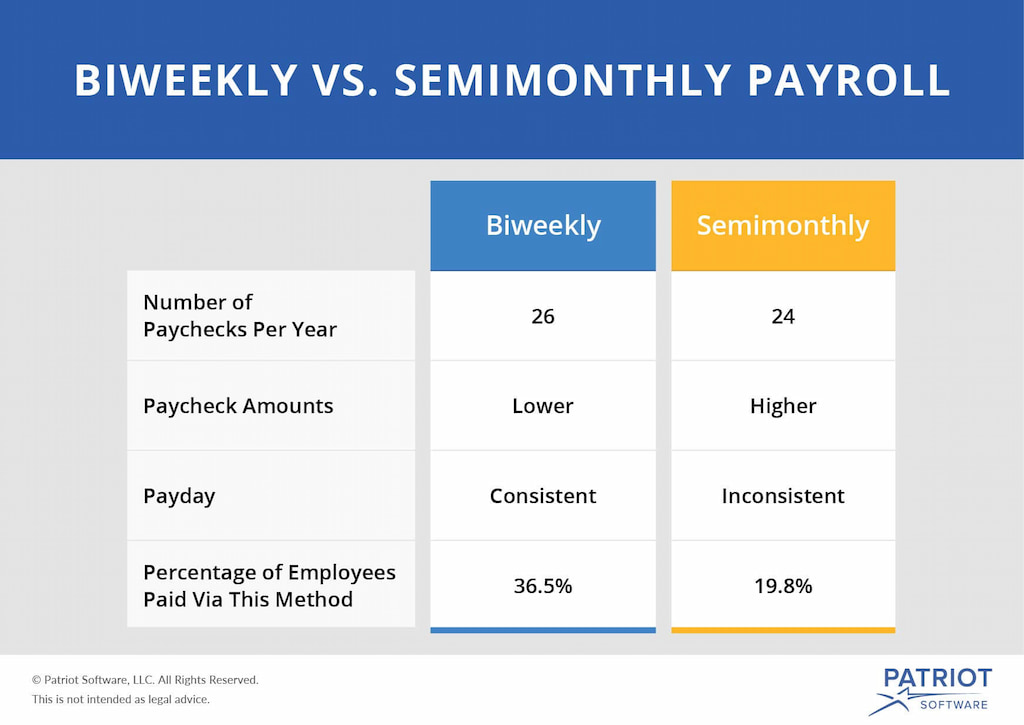
At its core, “paid semi-monthly” signifies that you will receive your salary or wages twice within a single calendar month. This is distinct from being paid bi-weekly (every two weeks), which results in 26 paychecks per year, or monthly, which yields 12 paychecks annually.
The Structure: Two Fixed Dates Per Month
The defining characteristic of semi-monthly pay is the establishment of two specific, predetermined dates within each month on which you can expect to receive your compensation. These dates are typically consistent, allowing for predictable cash flow. For instance, an employer might designate the 15th and the last day of the month as payday. Another common arrangement could be the 10th and the 25th. The exact dates are entirely at the discretion of the employer, but the pattern of two payments per month remains constant.
The Arithmetic: 24 Paychecks Annually
Because you receive two paychecks each month, the total number of pay periods in a year for someone paid semi-monthly is 24 (12 months x 2 payments/month). This is a key difference to note when comparing it to other common pay frequencies. For example, bi-weekly pay results in 26 paychecks a year, meaning there are two months out of the year where individuals are paid three times. Monthly pay, conversely, results in only 12 paychecks annually. The 24-paycheck structure of semi-monthly pay offers a middle ground, providing more frequent payments than monthly but less frequent than bi-weekly.
Distinguishing from Bi-Weekly Pay
It is essential to differentiate semi-monthly pay from bi-weekly pay. While both involve more frequent payments than monthly, they operate on different schedules and yield different annual paycheck counts.
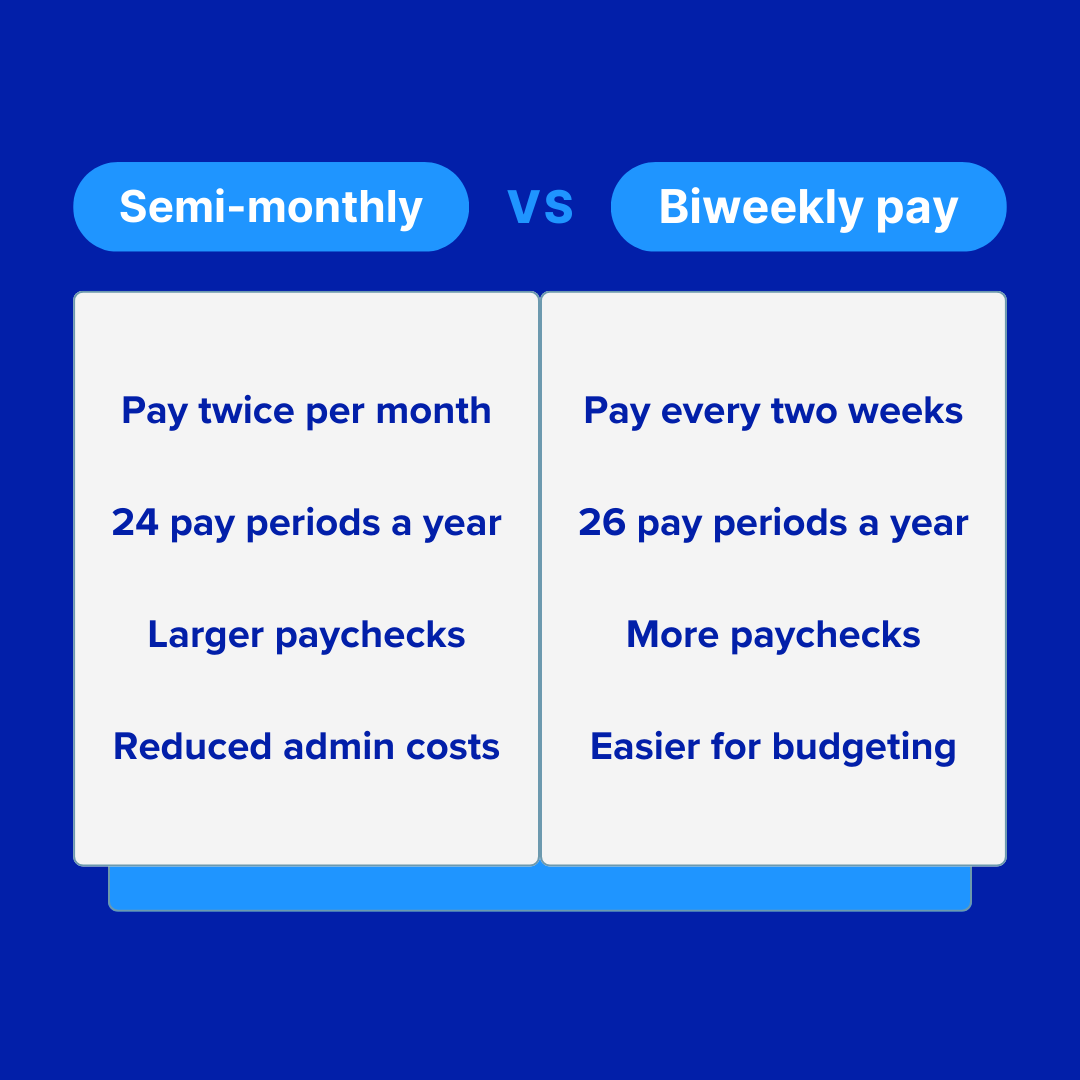
- Semi-Monthly: Two fixed dates per month, resulting in 24 paychecks annually. The amount of each paycheck is generally the same, representing half of your monthly salary.
- Bi-Weekly: Payment every two weeks. Since there are approximately 52 weeks in a year, this schedule results in 26 paychecks per year. This means that twice a year, employees will receive three paychecks within a single calendar month. The amount of each bi-weekly paycheck is typically one forty-sixth (1/46) of your annual salary.
The implications of these differences can be significant for budgeting and financial planning, as we will explore further.
Advantages and Disadvantages of Semi-Monthly Pay
Like any payment structure, semi-monthly pay comes with its own set of advantages and disadvantages. Understanding these can help you assess whether this pay frequency aligns with your financial goals and lifestyle.
Advantages for Employees
One of the primary benefits of semi-monthly pay is the predictability of income. Knowing precisely when you will receive your funds twice a month can make budgeting significantly easier. This consistent flow of money allows for more accurate planning of expenses, bill payments, and savings contributions.
Furthermore, receiving payments twice a month can help prevent overspending. With monthly pay, there’s a longer interval between paychecks, which can sometimes lead to individuals stretching their funds too thin before the next payment arrives. Semi-monthly pay breaks down your income into smaller, more manageable chunks, potentially encouraging more mindful spending habits.
For individuals who are paid hourly, semi-monthly pay can also offer a more balanced distribution of paychecks across the month. This can be particularly beneficial if your income fluctuates due to varying hours worked.
Potential Drawbacks for Employees
A significant potential disadvantage, particularly when compared to bi-weekly pay, is the lack of a “bonus” paycheck. As mentioned, bi-weekly pay results in two months of the year with three paychecks. These “extra” paychecks can be a boon for accelerating debt repayment, building emergency funds, or making significant purchases. With semi-monthly pay, you do not experience these bonus pay periods.
Another consideration is the potential for a slightly larger gap between paychecks if your pay periods fall awkwardly around a significant expense. For example, if you are paid on the 15th and 31st, and a large bill is due on the 1st of the month, you might have a longer period to cover that expense with funds from your previous paycheck compared to someone paid bi-weekly.
Finally, for those accustomed to the rhythm of bi-weekly pay, the transition to semi-monthly can require a period of adjustment in budgeting. It’s crucial to reconfigure your budget to align with the 24-paycheck structure rather than trying to force a 26-paycheck mental model onto it.
Financial Planning and Budgeting with Semi-Monthly Pay
The key to maximizing the benefits of semi-monthly pay lies in effective financial planning and budgeting. Understanding how your income is distributed allows for a more strategic approach to managing your money.
Budgeting Strategies for Predictable Income
The fixed pay dates of semi-monthly pay make it an excellent structure for a zero-based budget. In this method, every dollar of income is allocated to a specific category, whether it’s expenses, savings, or debt repayment. With predictable income, you can confidently assign amounts to each category with the knowledge that your funds will arrive on specific dates.
- Prioritize Essential Expenses: Allocate funds for rent/mortgage, utilities, groceries, and transportation to align with your pay dates. For example, if rent is due on the 1st, ensure your last paycheck of the prior month covers it. If utilities are due around the 20th, plan accordingly with your mid-month paycheck.
- Automate Savings and Bill Payments: Set up automatic transfers for your savings goals and recurring bill payments shortly after your paydays. This ensures that crucial financial obligations and savings are met before you have a chance to spend the money elsewhere.
- Categorize Spending: Divide your spending into needs, wants, and savings. With semi-monthly pay, you can often allocate specific portions of each paycheck towards these categories, ensuring a balanced approach. For instance, one paycheck might heavily cover essential bills, while the other is earmarked for discretionary spending and savings.
The Impact on Saving and Debt Reduction
The 24-paycheck structure of semi-monthly pay necessitates a different approach to aggressive saving and debt reduction compared to bi-weekly pay.
- Accelerated Saving: To achieve savings goals at the same pace as someone paid bi-weekly, you’ll need to be disciplined with allocating a consistent percentage of each of your 24 paychecks towards savings. While you won’t have the benefit of three paychecks in a month to boost savings, consistent allocation from every paycheck is key.
- Debt Payoff Strategies: Similarly, for debt reduction, you’ll be making 24 debt payments per year. If your goal is to pay off debt faster, you’ll need to ensure that the amount allocated from each paycheck is sufficient to meet your accelerated repayment timeline. Some individuals might choose to dedicate a larger portion of one of their semi-monthly paychecks to debt repayment to create a similar effect to having an extra paycheck.
- Leveraging “Extra” Funds: While you don’t get a third paycheck, you can still create similar financial windfalls. For example, you might strategically use tax refunds or bonuses to make larger lump-sum payments towards debt or add significantly to savings, mimicking the impact of those extra bi-weekly paychecks.
Navigating Financial Milestones
Understanding your pay frequency is also crucial when planning for major financial milestones, such as buying a car, a home, or even planning for vacations.
- Down Payments and Large Purchases: When saving for a down payment, break down the total amount needed by the number of pay periods you have until your target date. This will give you a clear weekly or bi-weekly savings goal from each paycheck.
- Vacation Planning: If you’re planning a vacation, the predictable nature of semi-monthly pay makes it easier to set aside funds consistently. You can allocate a specific amount from each paycheck into a dedicated vacation fund, ensuring you’re ready when the time comes.
- Emergency Funds: The consistent inflow of cash from semi-monthly pay supports the steady growth of an emergency fund. By automatically transferring a set amount from each paycheck, you can build a robust safety net over time.
Employer and Employee Perspectives
The decision to adopt a semi-monthly pay schedule is often a strategic one for employers, with implications for both the company and its workforce.
Employer Considerations
From an employer’s standpoint, semi-monthly pay offers several advantages:
- Simplified Payroll Processing: Managing payroll twice a month can be more straightforward and less resource-intensive than processing bi-weekly payroll for a large workforce. This can lead to cost savings in administrative overhead.
- Cash Flow Management: For businesses, semi-monthly pay can help align payroll expenses more closely with revenue cycles, contributing to better cash flow management.
- Employee Morale: While some may prefer bi-weekly, many employees find semi-monthly pay to be a reliable and predictable compensation structure that aids their personal financial management.
Employee Considerations and Choices
For employees, the choice of employer often dictates the pay frequency. However, understanding the implications allows for informed decisions:
- Negotiating Salary: When negotiating salary, it’s important to consider the pay frequency. An annual salary quoted can be divided by 24 (for semi-monthly) or 26 (for bi-weekly) to understand the gross amount of each paycheck. This can be a crucial factor in evaluating an offer.
- Evaluating Job Offers: When comparing job offers, pay frequency is a tangible benefit that should be factored into the overall compensation package. If two jobs offer the same annual salary, the one paid bi-weekly will provide two extra paychecks per year, which can be a significant advantage for some.
- Switching to Semi-Monthly: If you find yourself in a situation where your employer offers bi-weekly pay, but you prefer the structure of semi-monthly, or vice-versa, it’s worth discussing with your HR department. However, changes to established payroll systems are not always feasible.

Conclusion: Mastering Your Finances with Semi-Monthly Pay
In conclusion, being “paid semi-monthly” means receiving your salary or wages on two fixed dates each month, resulting in 24 paychecks annually. While it doesn’t offer the occasional “bonus” paychecks of a bi-weekly system, its inherent predictability makes it an excellent framework for diligent financial planning and budgeting. By understanding the mechanics, embracing strategic budgeting techniques, and aligning your financial goals with this pay structure, you can effectively manage your money, achieve your savings targets, and build a secure financial future. The key lies not in the pay frequency itself, but in your ability to harness its predictable rhythm to your financial advantage.
aViewFromTheCave is a participant in the Amazon Services LLC Associates Program, an affiliate advertising program designed to provide a means for sites to earn advertising fees by advertising and linking to Amazon.com. Amazon, the Amazon logo, AmazonSupply, and the AmazonSupply logo are trademarks of Amazon.com, Inc. or its affiliates. As an Amazon Associate we earn affiliate commissions from qualifying purchases.