
In the realm of personal finance, travel is often one of the most significant discretionary expenses a household faces. Unlike fixed costs like rent or insurance, the price of airfare is notoriously volatile, fluctuating based on complex algorithms, global economic shifts, and seasonal demand. For the savvy consumer, the question “when will flight prices drop?” is not merely about finding a cheap vacation; it is about strategic capital allocation. Understanding the ebb and flow of the aviation market allows travelers to maximize their purchasing power and ensure that their travel budget yields the highest possible return on experience.
The Economics of Airfare: Understanding Dynamic Pricing Models
To predict when flight prices will drop, one must first understand the financial mechanics that drive them upward. Airlines utilize some of the most sophisticated dynamic pricing models in the global economy. These models are designed to achieve “yield management,” a practice where prices are adjusted in real-time to ensure every seat is sold at the highest price the market will bear at that specific moment.
Supply, Demand, and the “Load Factor”
The primary driver of flight costs is the relationship between seat supply and passenger demand. Airlines track the “load factor”—the percentage of available seating capacity that is filled by passengers. When a flight is months away and the load factor is low, airlines may offer introductory rates to secure baseline revenue. As the departure date approaches and seats fill up, the remaining “inventory” becomes more precious, causing prices to spike. For the budget-conscious traveler, the “drop” usually occurs when an airline realizes its load factor is trailing behind projections, prompting a temporary price reduction to stimulate demand.
The Impact of Macro-Economic Volatility
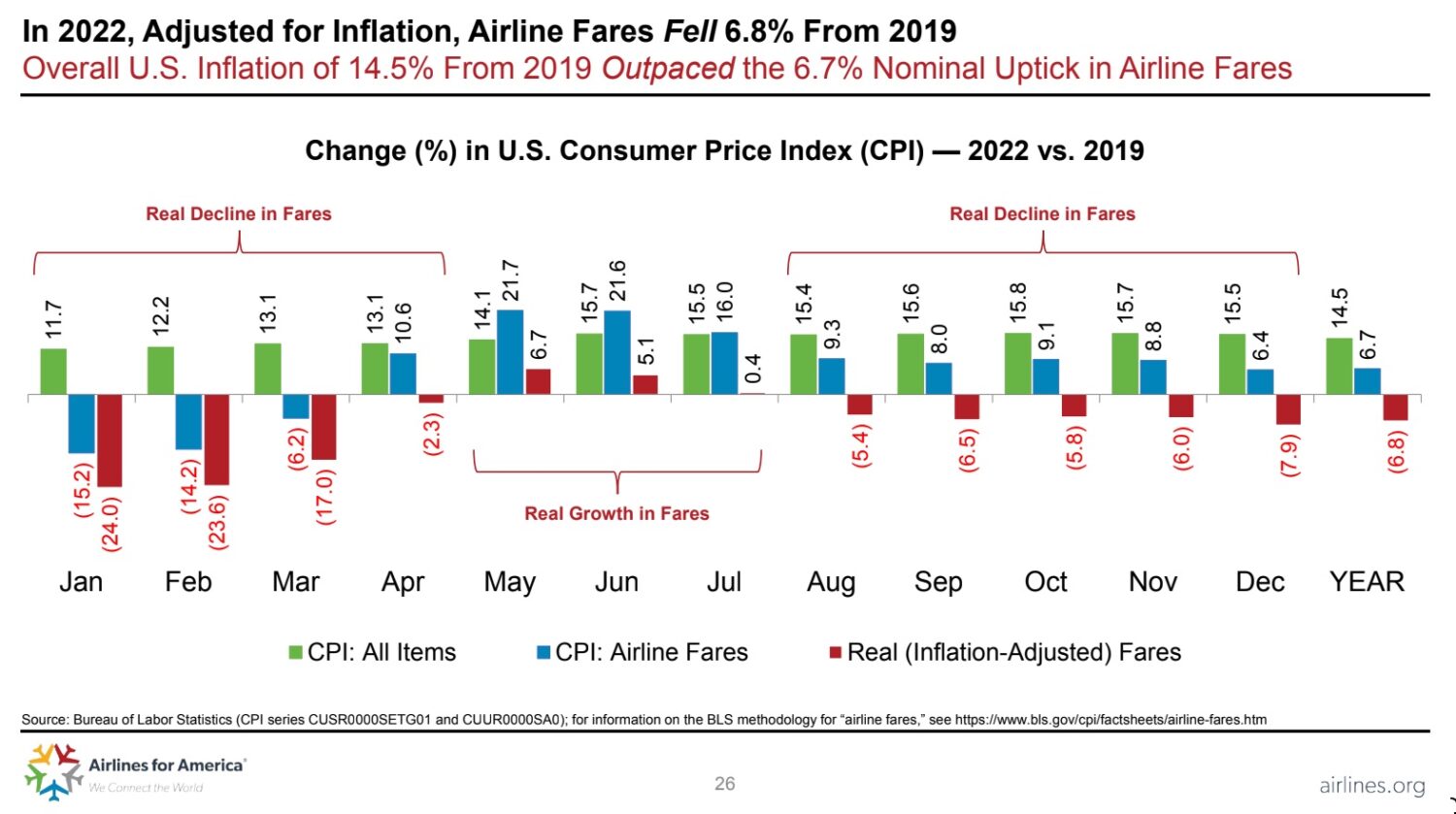
Beyond internal algorithms, external financial pressures dictate price floors. Jet fuel accounts for approximately 20% to 30% of an airline’s operating expenses. When global oil prices surge, flight prices follow suit with a slight lag. Additionally, labor shortages and inflationary pressures on aircraft maintenance have raised the “break-even” point for carriers. Understanding these macro-economic trends helps travelers realize that while prices may drop relative to a peak, the baseline “floor” for airfare has shifted higher in recent years due to these systemic costs.
Strategic Timing: Identifying the Seasonal and Weekly “Price Floors”
Financial success in the travel market requires a move away from emotional purchasing toward data-driven decision-making. Timing the market is notoriously difficult in stocks, but in travel, there are historical patterns that offer a significant margin of safety for your wallet.
The “Goldilocks” Booking Window
There is a specific window of time where prices are most likely to be at their lowest—not too early, and certainly not too late. For domestic travel, this financial “sweet spot” typically occurs between 28 and 60 days before departure. For international routes, the window expands to three to six months. Booking outside of these windows often results in a “premium” charge: either a convenience fee for booking late or a “certainty tax” for booking so early that the airline hasn’t yet felt the pressure to compete on price.
The Mid-Week Advantage and “Dead Zones”
From a personal finance perspective, flexibility is a currency. Flight prices typically drop during mid-week periods—specifically Tuesdays and Wednesdays—because business travelers usually fly on Mondays and Fridays, while leisure travelers dominate the weekends. Furthermore, the “dead zones” of travel—the weeks immediately following major holidays like New Year’s Day or Labor Day—represent the deepest price drops of the year. By allocating your travel days to these low-demand periods, you can often secure fares that are 30% to 50% lower than the monthly average.
Leveraging Financial Tools and Technology to Predict Drops
In the modern era, travelers do not have to guess when prices will fall. A variety of financial tools and algorithmic platforms can do the heavy lifting, acting as a “broker” for your travel investments.
Utilizing Price Trackers and Predictive Algorithms
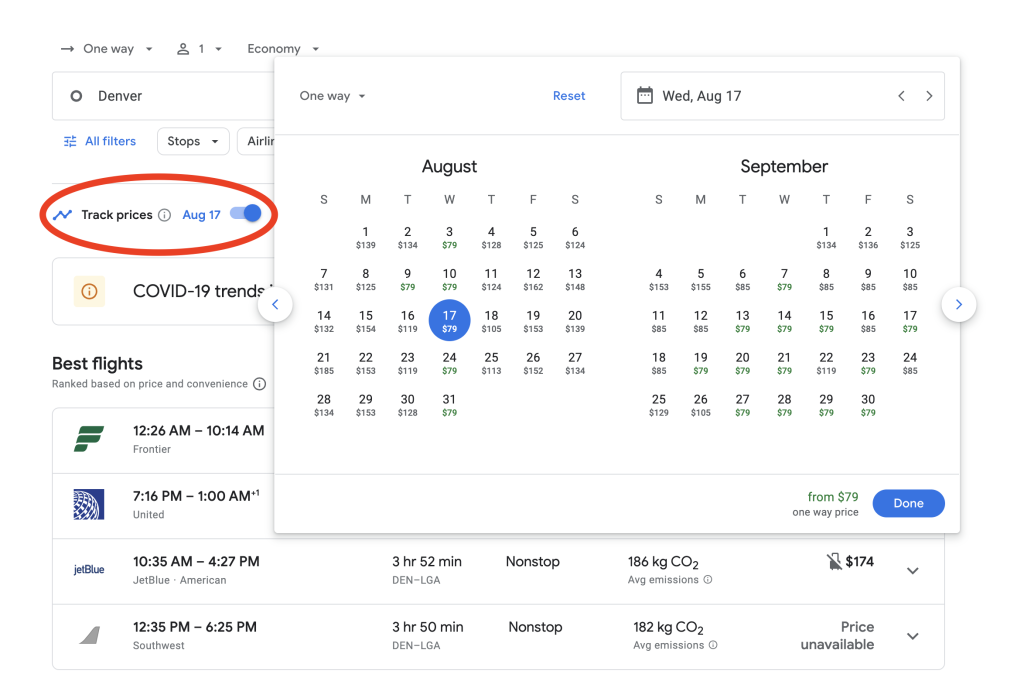
Platforms such as Google Flights, Hopper, and Kayak use historical data to predict whether a current fare is “low,” “typical,” or “high.” These tools function similarly to stock market charts, providing a “buy” or “hold” recommendation. Setting price alerts is the digital equivalent of a limit order in trading; it allows you to wait for the market to hit your target price without having to monitor the screen 24/7. When the price drops to your pre-determined threshold, you execute the purchase.
The Role of VPNs and Multi-Currency Booking
Sophisticated travelers often look for “geo-arbitrage” opportunities. Airlines sometimes price tickets differently based on the point of sale (the country where the purchaser is located). By using a Virtual Private Network (VPN) to change your digital location to a lower-income country or the airline’s home country, you may see a drop in the quoted price. Additionally, paying in the local currency of the airline’s headquarters—if your credit card has no foreign transaction fees—can occasionally bypass the unfavorable exchange rates baked into the USD or EUR pricing.
Maximizing ROI through Loyalty and Travel Arbitrage
True financial mastery of the travel market involves more than just paying a lower cash price; it involves understanding the “Total Cost of Travel” and leveraging alternative assets like points and miles.
Capitalizing on Fare Mistakes and Flash Sales
Occasionally, the complex algorithms used by airlines fail, resulting in “mistake fares”—tickets sold for a fraction of their intended cost due to human error or technical glitches. While rare, these represent the absolute “bottom” of the market. Following specialized newsletters that track these anomalies allows you to act quickly. From a finance perspective, these are high-value opportunities that require liquidity; you must be ready to book immediately before the airline corrects the error.
The Economics of Points and Miles
Often, the best time for flight prices to “drop” is when they drop to zero (plus taxes). Treating frequent flyer miles as a secondary currency is essential for high-level personal finance. By calculating the “cents per point” (CPP) value, you can determine if it is financially wiser to pay cash or use rewards. If cash prices are soaring during peak season, the value of your points increases, effectively shielding your liquid savings from market volatility. Smart travelers accumulate these assets during “low” periods through strategic credit card usage, then “spend” them when the cash market is at its peak.
Future Outlook: Will Prices Return to Historical Norms?
As we look toward the future of travel finance, several factors suggest that the era of “ultra-cheap” flights may be evolving. Environmental regulations, such as carbon taxes and the transition to Sustainable Aviation Fuel (SAF), are adding new layers of cost to the industry.
The Shift Toward “Premiumization”
Airlines are increasingly focusing on high-margin passengers—those in Premium Economy and Business Class. This shift means that while basic economy “drop” prices may still exist, the availability of these seats may decrease as airlines reconfigure planes to cater to wealthier demographics. For the individual, this means that the window to find deep discounts is narrowing, making the use of data-tracking tools more important than ever.
Long-Term Budgeting for Travel
In conclusion, flight prices will always drop, but the frequency and depth of those drops are subject to the laws of supply and demand. By treating travel booking as a financial exercise rather than a logistical chore, you can protect your wealth while still exploring the world. The key is to maintain a “travel fund” that provides the liquidity to strike when prices are low, use technology to monitor the market, and remain flexible enough to fly when the data says it is most cost-effective.
When you stop asking “why is this so expensive?” and start asking “how can I optimize this purchase?”, you move from being a passive consumer to an active manager of your personal finances. Flight prices are a moving target, but with the right strategic approach, you can ensure you are always buying at the bottom and traveling with a surplus.
aViewFromTheCave is a participant in the Amazon Services LLC Associates Program, an affiliate advertising program designed to provide a means for sites to earn advertising fees by advertising and linking to Amazon.com. Amazon, the Amazon logo, AmazonSupply, and the AmazonSupply logo are trademarks of Amazon.com, Inc. or its affiliates. As an Amazon Associate we earn affiliate commissions from qualifying purchases.