
In the fast-paced world of technology, where innovation outpaces legislation and digital landscapes shift by the minute, understanding the nuances of legal proceedings can feel like deciphering a foreign language. Yet, for anyone involved in developing, deploying, or even simply using technology, certain legal pronouncements carry significant weight. Among these, the simple two-syllable word a judge utters – “overruled” – can send ripples through the tech industry. This isn’t just a legal formality; it’s a signal, a precedent in the making, and often, a pivotal moment that can reshape the trajectory of technological development, intellectual property rights, and the very definition of digital boundaries.

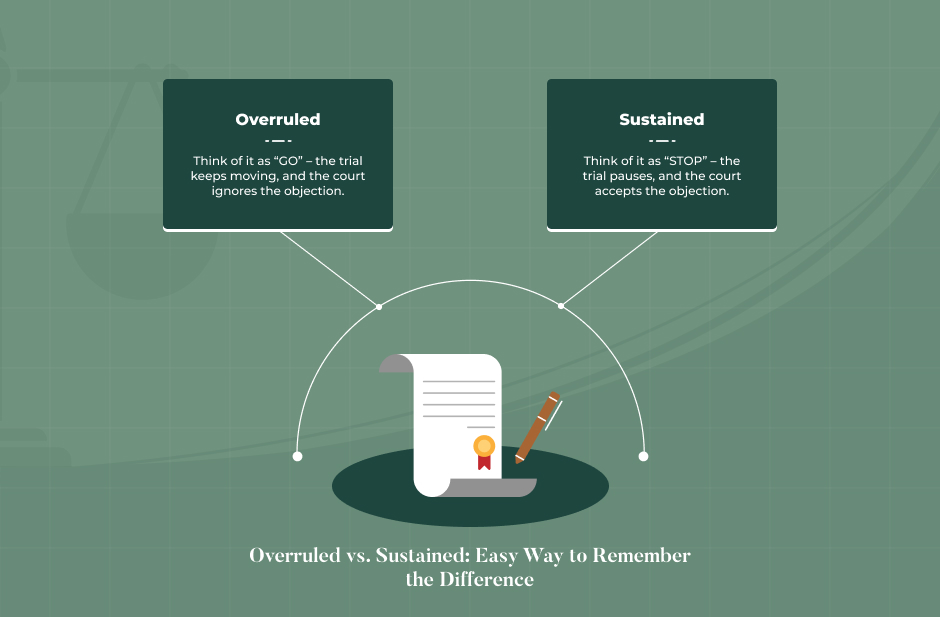
When a judge says “overruled,” it signifies a rejection of an objection or a motion presented by one of the parties in a legal case. In the context of technology law, this seemingly straightforward declaration can have profound and multifaceted implications. It speaks to the ongoing struggle to apply established legal principles to novel technological concepts, from the intricacies of artificial intelligence algorithms to the vast expanse of data privacy and cybersecurity. Understanding what “overruled” means in this context requires a deeper dive into the legal battles shaping our digital future.
The Anatomy of an Objection: Why “Overruled” Matters in Tech Litigation
Legal disputes in the tech sector often revolve around complex questions of innovation, intellectual property, and the ethical deployment of new technologies. When one party raises an objection – perhaps to the admissibility of evidence related to a software algorithm, the validity of a patent for a new AI model, or the scope of discovery in a data breach case – the judge’s ruling on that objection is critical. An “overruled” objection means the judge disagrees with the party who raised it and allows the proceeding or evidence to continue as proposed by the opposing party.
Challenging the Admissibility of Digital Evidence
In tech litigation, evidence often takes the form of code, digital communications, server logs, or expert testimony on complex technical matters. Parties might object to the admissibility of such evidence on grounds of relevance, authenticity, or legality of its acquisition. For instance, in a case involving allegations of trade secret theft through software code, one party might object to the introduction of certain code snippets as being illegally obtained. If the judge overrules this objection, it means the court finds the evidence admissible and will consider it in its deliberations. This can significantly impact the strength of a case, especially when the disputed evidence is central to proving or disproving a claim. For developers and companies, this highlights the critical importance of rigorous internal controls and ethical data handling practices, as any perceived misstep can lead to crucial evidence being admitted against them.
Navigating Patent and Intellectual Property Disputes
The tech industry is a fertile ground for patent and intellectual property (IP) disputes. Companies constantly seek to protect their innovations through patents, while competitors may challenge their validity or allege infringement. When a party attempts to object to a patent’s claim during litigation, or to the introduction of evidence supporting its infringement, an “overruled” decision by the judge can be a significant victory for the patent holder. Conversely, it can be a major setback for the accused infringer. This impacts not only the specific case but also can set a precedent for how similar technologies are patented and protected in the future, influencing investment in R&D and market competition. For instance, a judge overruling an objection to a broad software patent could embolden other companies to pursue similar, sweeping claims, potentially stifling innovation in a particular niche.
The Role of Expert Witnesses and Technical Testimony
Tech litigation heavily relies on expert witnesses who can explain complex technical concepts to judges and juries. Objections can be raised against the qualifications of an expert, the methodology they employed, or the relevance of their testimony. If a judge overrules such an objection, it signifies that the expert’s testimony is deemed credible and relevant. This can shape the understanding of intricate technologies like machine learning, blockchain, or quantum computing within the legal framework. For tech professionals, this underscores the importance of clear, well-supported expert opinions that can withstand legal scrutiny, as their testimony can be instrumental in shaping judicial understanding and decisions.
Precedent and Future Implications: The Ripple Effect of “Overruled” in the Tech Sphere
A judge’s decision to overrule an objection is not merely an isolated event. It contributes to the evolving body of case law, particularly in emerging areas of technology where legal principles are still being defined. The implications can be far-reaching, influencing how future cases are argued and decided, how companies structure their operations, and how regulatory bodies approach technological oversight.
Shaping the Legal Framework for Emerging Technologies

The rapid advancement of technologies like artificial intelligence, autonomous vehicles, and gene editing presents novel legal challenges. When a judge overrules an objection in a case involving one of these technologies, it can be an early indicator of how the legal system is adapting. For example, in a case concerning the liability of an AI system for a wrongful act, an objection to the admission of data used to train the AI might be overruled. This signals that courts are willing to consider the training data as relevant evidence, impacting how AI developers approach data sourcing and bias mitigation. Such decisions help build a foundational legal framework for technologies that are still in their nascent stages, providing much-needed clarity for innovators and consumers alike.
Impact on Data Privacy and Cybersecurity Regulations
Data privacy and cybersecurity are paramount concerns in the digital age. Cases involving data breaches, government surveillance, or the use of personal data for targeted advertising often involve complex legal arguments. An “overruled” objection in such a context can have significant implications. For instance, if a party objects to the discovery of certain user data on privacy grounds and the judge overrules the objection, it suggests that the court prioritizes the pursuit of justice in that specific case over absolute data secrecy, or that the data requested falls within acceptable legal parameters for discovery. This can influence how companies collect, store, and share data, and how individuals understand their privacy rights. It also signals to regulators the existing judicial stance, which can inform future policy decisions.
Intellectual Property Rights and the Boundaries of Innovation
The interpretation and enforcement of intellectual property laws are constantly being tested by technological advancements. When a judge overrules an objection related to a software patent or a copyright claim for digital content, it can redefine the boundaries of what is considered protected intellectual property. This can have a direct impact on investment in research and development. If a broad software patent is upheld through overruled objections, it might incentivize companies to invest more in creating unique algorithms and proprietary software. Conversely, if objections to overly broad claims are consistently overruled, it could lead to a perception of stifled innovation, as smaller players might find it difficult to operate without infringing on existing, broadly defined patents.
The Strategic Implications of “Overruled” for Tech Businesses and Innovators
For businesses operating in the tech sector, understanding the strategic implications of a judge saying “overruled” is crucial for risk management, product development, and legal defense. It’s not just about reacting to a ruling; it’s about proactively anticipating how such decisions can shape the competitive landscape.
Proactive Legal Strategy and Risk Mitigation
When a judge overrules an objection, it’s often a signal that the opposing party’s legal arguments are gaining traction. Tech businesses need to analyze these rulings to refine their own legal strategies. This might involve adjusting patent filing strategies, strengthening data privacy policies, or carefully documenting the development process of new technologies to preemptively address potential objections in future litigation. Understanding the types of objections that are being overruled in current tech cases can help companies identify potential legal vulnerabilities and invest in robust compliance and legal defense mechanisms.
Influencing Product Development and Design Choices
The outcomes of legal challenges, marked by overruled objections, can directly influence product development and design choices. If a court consistently allows the introduction of evidence related to proprietary algorithms, for example, companies might become more cautious about their intellectual property protection strategies for those algorithms. Conversely, if objections to the use of certain data sets in AI training are overruled, it might embolden companies to utilize broader, more diverse data sources, while still needing to be mindful of ethical considerations. These legal decisions act as a form of external guidance, shaping the direction of technological innovation.
The Importance of Skilled Legal Counsel in the Tech Space
Navigating the intersection of technology and law requires specialized expertise. The complexities of digital evidence, patent law for software, and the unique challenges of AI litigation necessitate legal counsel with a deep understanding of both the technological landscape and legal principles. When a judge says “overruled,” it’s often the culmination of skilled legal advocacy. For tech companies, investing in experienced legal teams who can effectively argue against objections or, conversely, robustly defend their own positions when faced with them, is not merely a cost but a strategic imperative for survival and growth in the competitive tech arena.
In conclusion, the judicial utterance of “overruled” is far more than a simple procedural term. In the context of technology, it represents a critical juncture in the ongoing dialogue between innovation and regulation. These decisions illuminate the developing legal understanding of our increasingly digital world, shaping everything from intellectual property rights and data privacy to the very architecture of future technologies. For tech professionals, entrepreneurs, and indeed, all digital citizens, staying informed about these rulings and their underlying rationale is essential for navigating the evolving legal landscape and ensuring that technological progress aligns with societal values and legal frameworks.
aViewFromTheCave is a participant in the Amazon Services LLC Associates Program, an affiliate advertising program designed to provide a means for sites to earn advertising fees by advertising and linking to Amazon.com. Amazon, the Amazon logo, AmazonSupply, and the AmazonSupply logo are trademarks of Amazon.com, Inc. or its affiliates. As an Amazon Associate we earn affiliate commissions from qualifying purchases.