
In the complex world of business finance, the term “bonded” often surfaces, particularly when engaging with contractors, suppliers, or seeking certain licenses. It’s a concept that can seem arcane to those outside the financial or legal spheres, but understanding it is crucial for anyone involved in business transactions, whether as a client, a vendor, or a business owner themselves. At its core, being bonded signifies a commitment, a guarantee, and a layer of protection. It’s a financial instrument that underpins trust and accountability in commercial relationships.
This article will delve into the multifaceted meaning of a company being bonded, exploring its implications, benefits, and the various scenarios where it plays a pivotal role. We will navigate the financial underpinnings of bonding, its importance for business operations, and how it contributes to a more secure and reliable marketplace.
The Financial Foundation: Understanding Surety Bonds
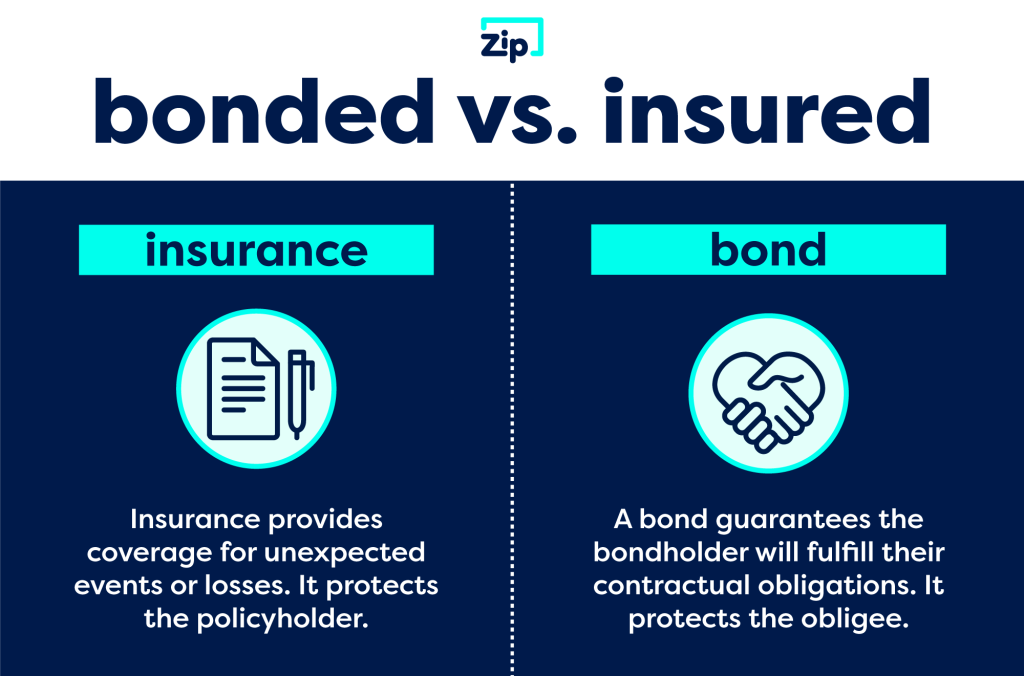
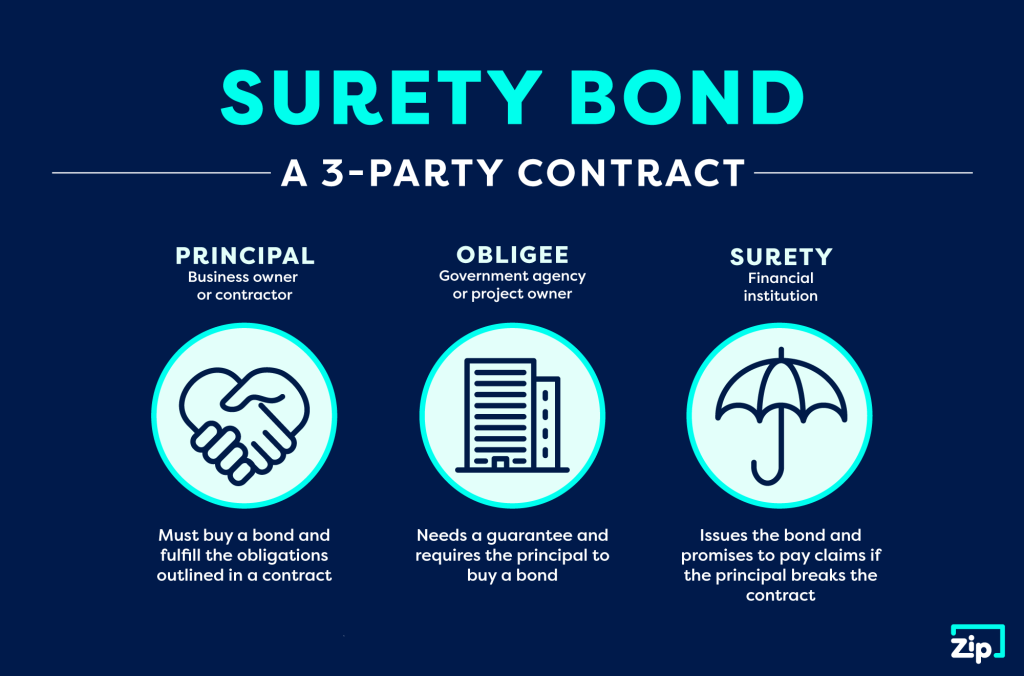
At its heart, a surety bond is a three-party agreement. It’s not insurance in the traditional sense, where protection is offered against unforeseen future events. Instead, a surety bond is a guarantee that a specific obligation will be met. The three parties involved are:
- The Principal: This is the party who is obligated to perform a certain action or fulfill a contractual requirement. In the context of a company being bonded, the principal is typically the company itself.
- The Obligee: This is the party who is protected by the bond. They are the ones who will be compensated if the principal fails to fulfill their obligation. This could be a government agency, a client, or a customer.
- The Surety: This is the entity that guarantees the principal’s performance and underwrites the bond. The surety is a financial institution, often an insurance company with a dedicated surety division, that assumes the risk and provides the financial backing.
When a company is bonded, it means they have secured a surety bond. This bond essentially acts as a financial guarantee that the company will adhere to the terms and conditions of a specific contract, license, or legal requirement. If the company fails to do so, the obligee can file a claim against the bond, and the surety will compensate the obligee for any losses incurred due to the principal’s default. It’s crucial to understand that while the surety compensates the obligee, the principal is still ultimately responsible for repaying the surety for any claims paid out, often with interest and fees. This financial responsibility is a key differentiator from insurance.
The Mechanics of a Surety Bond
The process of obtaining a surety bond involves an application and underwriting process by the surety company. The principal must demonstrate their financial stability, capacity to perform the work, and their character. The surety will assess the risk involved in guaranteeing the principal’s obligations. Factors such as the company’s financial statements, credit history, experience in the relevant field, and the nature of the contract or requirement being bonded are all carefully reviewed.
The cost of a surety bond, often referred to as the “premium,” is generally a small percentage of the total bond amount. This premium is paid by the principal to the surety. The premium is influenced by the perceived risk; companies with a strong financial standing and a proven track record will typically pay lower premiums than those deemed higher risk. The bond amount itself is determined by the obligee and reflects the potential financial exposure if the principal defaults.
Why Companies Seek to Be Bonded: Building Trust and Accessing Opportunities
The decision for a company to become bonded is often driven by a strategic need to enhance its credibility, access new markets, and secure specific types of business. Being bonded is a signal of a company’s commitment to professionalism, financial responsibility, and adherence to ethical business practices.
Enhancing Credibility and Trust
In many industries, particularly those involving significant financial transactions or public safety, being bonded is not just an option but a prerequisite for doing business. For clients, a bonded company offers an added layer of security. It assures them that if the company fails to deliver on its promises, there is a financial recourse available. This significantly reduces the perceived risk for the obligee, making them more likely to choose a bonded company over an unbonded competitor. This elevated level of trust can be a powerful competitive advantage, especially for smaller or newer businesses looking to establish a strong reputation.
Accessing New Markets and Opportunities
Numerous government agencies and private entities require specific types of surety bonds as a condition of bidding on or performing certain contracts. For example, construction companies often need bid bonds, performance bonds, and payment bonds to participate in public works projects. These bonds ensure that contractors are financially capable of completing the project and paying their subcontractors and suppliers. Without these bonds, many lucrative opportunities would remain out of reach. Similarly, businesses in regulated industries, such as those requiring specific licenses or permits, may need to be bonded to operate legally. This requirement acts as a safeguard for consumers and the public interest.
Fulfilling Contractual and Regulatory Requirements
Beyond specific industries, many contractual agreements themselves may stipulate that one or both parties must be bonded. This can be a proactive measure by clients to protect themselves from potential breaches of contract. For a company seeking to enter into such agreements, obtaining the necessary bonds is a non-negotiable step in the business development process. Regulatory bodies also use bonding as a tool to ensure compliance and protect consumers. For instance, businesses in fields like debt collection or real estate brokerage might be required to be bonded to ensure they operate within legal and ethical boundaries.

Common Types of Surety Bonds and Their Significance
The world of business sees a variety of surety bonds, each tailored to specific needs and industries. Understanding these different types can shed further light on the practical implications of a company being bonded.
Contract Bonds
These are perhaps the most well-known and widely used types of surety bonds. They are primarily associated with the construction industry and projects involving the execution of contracts.
- Bid Bonds: Before a contractor submits a bid for a project, a bid bond guarantees that if their bid is accepted, they will enter into the contract at the agreed-upon price. If the contractor fails to do so, the bid bond compensates the obligee for the difference between the defaulted bid and the next lowest bid.
- Performance Bonds: Once a contract is awarded, a performance bond ensures that the contractor will complete the project according to the terms and specifications outlined in the contract. If the contractor defaults on the performance of the work, the performance bond will cover the cost of completing the project or rectifying deficiencies.
- Payment Bonds: This type of bond guarantees that the contractor will pay all subcontractors, laborers, and suppliers who contribute to the project. It protects these third parties from non-payment by the principal contractor, preventing liens and other financial disputes.
License and Permit Bonds
These bonds are required by federal, state, and local governments to ensure that businesses comply with specific laws and regulations associated with their licenses or permits.
- General Business Licenses: Many businesses, from auto dealerships to talent agencies, are required to obtain a license and bond to operate. These bonds protect the public from fraudulent or unethical practices by the business.
- Industry-Specific Licenses: Certain professions and industries, such as mortgage brokers, notaries public, and contractors, are subject to licensing requirements that often include a surety bond. The bond serves as a financial guarantee that the licensee will abide by all applicable laws and ethical standards.
Court Bonds
These bonds are used in legal proceedings to guarantee the fulfillment of court orders or obligations.
- Fiduciary Bonds: These are often required of individuals appointed by a court to manage the assets of another, such as an executor of an estate or a guardian for a minor. The bond protects the beneficiaries of the estate or ward from mismanagement or misappropriation of funds.
- Litigation Bonds: In civil lawsuits, certain bonds may be required. For example, a plaintiff might need to post a bond to cover the defendant’s legal costs if the lawsuit is unsuccessful.
The Broader Economic Implications of Bonding
The prevalence and use of surety bonds have significant implications for the broader economic landscape, fostering a more stable and predictable business environment.
Facilitating Commerce and Reducing Risk
Surety bonds play a crucial role in facilitating commerce by reducing the perceived risk in transactions. By providing a financial guarantee, they enable parties to engage in agreements with greater confidence. This is particularly important in industries where projects are large-scale, involve significant capital, or have long completion times. Without the assurance provided by bonds, many of these ventures might not be undertaken due to the inherent risks involved. This, in turn, can stifle economic growth and limit opportunities for businesses and consumers alike.
Promoting Fair Competition and Accountability
The requirement for companies to be bonded can also promote fairer competition. When all bidders on a project are required to be bonded, it levels the playing field by ensuring that only financially sound and responsible companies can participate. It also fosters accountability. The knowledge that a financial penalty exists in case of default encourages companies to uphold their commitments and deliver quality work. This focus on accountability benefits not only the obligee but also contributes to higher standards across entire industries.
Ensuring Consumer Protection
In many cases, bonding serves as a vital mechanism for consumer protection. Whether it’s a contractor failing to complete a job or a financial advisor mismanaging funds, the financial recourse provided by a surety bond can offer significant relief to consumers who have been wronged. This protection instills confidence in consumers when engaging with businesses, encouraging them to participate more readily in the marketplace. Ultimately, a bonded company is a more trustworthy company, contributing to a healthier and more secure economic ecosystem.
aViewFromTheCave is a participant in the Amazon Services LLC Associates Program, an affiliate advertising program designed to provide a means for sites to earn advertising fees by advertising and linking to Amazon.com. Amazon, the Amazon logo, AmazonSupply, and the AmazonSupply logo are trademarks of Amazon.com, Inc. or its affiliates. As an Amazon Associate we earn affiliate commissions from qualifying purchases.