
In the realm of high-stakes finance and corporate governance, few phrases carry as much weight—or as much potential for fiscal devastation—as a “grand jury indictment.” While the term is rooted in the judicial system, its reverberations are felt most acutely in the balance sheets, stock prices, and capital allocations of the entities involved. To be indicted by a grand jury is not a declaration of guilt, but from a financial perspective, it is a formal notification of significant risk. It marks the transition from a speculative investigation to a formal, documented threat to an individual’s or a corporation’s financial viability.
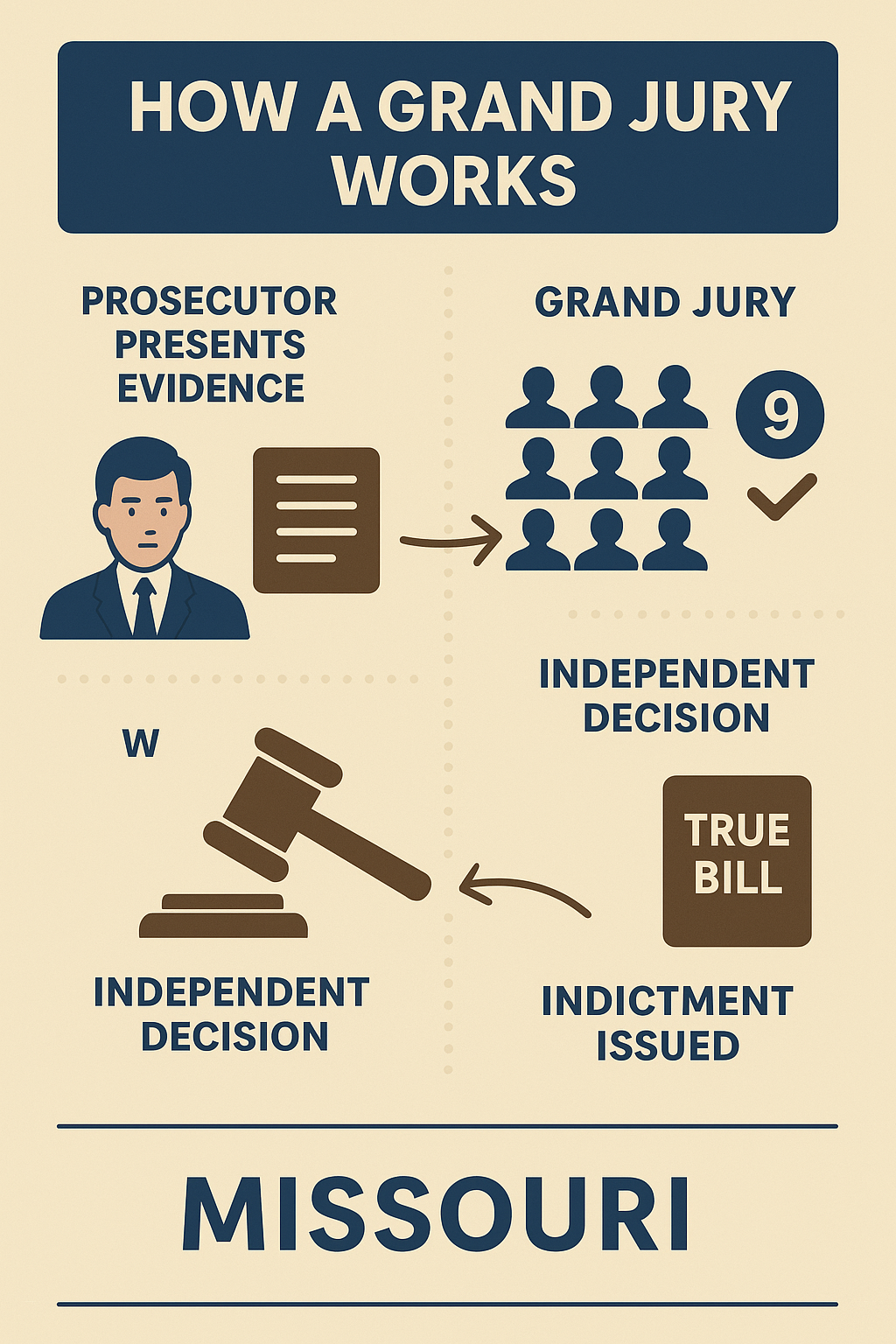
For investors, entrepreneurs, and financial officers, understanding the mechanics of an indictment is critical for risk management. An indictment is a formal charge issued by a grand jury—a group of citizens tasked with determining if there is “probable cause” to believe a crime has been committed. Unlike a civil lawsuit, which involves disputes between parties over money or property, a criminal indictment represents the state or federal government bringing its full weight against a defendant. This shift in status triggers a cascade of financial consequences that can reshape an investment portfolio or a corporate budget overnight.
The Economic Anatomy of an Indictment
When a grand jury returns an indictment, the primary financial concern shifts from growth to preservation. The immediate aftermath of an indictment is characterized by a “risk premium” being applied to every asset associated with the indicted party. Whether it is a solo entrepreneur or a Fortune 500 company, the financial anatomy of an indictment begins with the sudden restricted access to capital.
From Investigation to Formal Accusation
The financial markets often bake the rumors of an investigation into an asset’s price, but the formal indictment acts as a “realization event.” During the investigative phase, many businesses maintain a “business as usual” facade. However, the moment an indictment is unsealed, the uncertainty is quantified. For a business, this often leads to an immediate re-evaluation of its creditworthiness. Lenders may trigger “material adverse change” (MAC) clauses in loan agreements, allowing them to freeze lines of credit or demand immediate repayment. This creates a liquidity crunch at the exact moment the entity needs capital to fund a legal defense.
The Immediate Impact on Cash Flow and Liquidity
The most visceral financial effect of an indictment is the cost of the legal apparatus required to fight it. Unlike standard operational expenses, legal fees associated with a grand jury indictment are both astronomical and unpredictable. White-collar defense firms often require substantial retainers, sometimes reaching into the millions of dollars for complex corporate cases. This diversion of capital from productive use (like R&D or marketing) to defensive use (litigation) represents a massive opportunity cost. For a small business or a side hustle, an indictment can effectively end operations simply by draining the working capital necessary to fulfill orders or pay employees.
Corporate Indictments and Market Volatility
On a macro level, when a publicly traded corporation or its high-ranking executives are indicted, the financial fallout extends to millions of shareholders. The grand jury process, while secretive by nature, culminates in a public disclosure that acts as a shockwave for market sentiment.
Shareholder Equity and Stock Performance
Market efficiency suggests that all known information is reflected in a stock price. However, an indictment often contains specific allegations—such as wire fraud, racketeering, or securities violations—that reveal deep-seated systemic risks within a company. When these details emerge, institutional investors often engage in a “flight to quality,” selling off positions in the indicted company to avoid the volatility of a long-drawn-out trial. This sell-off leads to a contraction in market capitalization, reducing the wealth of individual retirement accounts and pension funds. Furthermore, the cost of potential fines and settlements must be estimated and “priced in,” often leading to a downward valuation that can take years to recover.

The Cost of Institutional Compliance and Defense
Beyond the courtroom, an indicted corporation faces internal financial restructuring. To satisfy regulators and regain investor trust, the company must often hire independent monitors, specialized compliance officers, and forensic accountants. These “cleanup” costs are a hidden tax on the company’s earnings. In many cases, the Board of Directors must also navigate the complexity of Indemnification—the legal obligation of the company to pay the legal fees of its officers. This can lead to a bizarre financial scenario where a company is funding the defense of the very individuals whose actions may have led to the company’s financial peril, further straining the corporate treasury.
Managing Personal Wealth Under Legal Scrutiny
For individuals—whether they are high-net-worth investors or business owners—a grand jury indictment is a direct assault on personal financial security. The shift from “person of interest” to “indicted defendant” changes the way financial institutions view your assets.
Asset Seizure and Frozen Accounts
One of the most aggressive tools used by the government following an indictment is the pursuit of forfeiture. If the prosecution alleges that certain assets—real estate, luxury vehicles, or investment accounts—were obtained through the proceeds of the alleged crime, they may seek to freeze these assets before the trial even begins. This “pre-trial restraint” can leave an individual with a high net worth on paper but zero liquidity in practice. Managing personal finance under these conditions requires a sophisticated understanding of which assets are “tainted” and which are “untainted,” a distinction that often requires a separate team of financial experts to argue in court.
Long-term Credit and Financing Ramifications
The financial “stigma” of an indictment lasts far longer than the legal proceedings. Even if a defendant is eventually acquitted, the record of the indictment remains a permanent fixture in due diligence reports. For an entrepreneur, this makes future borrowing nearly impossible or prohibitively expensive. Banks utilize risk-scoring models that view an indictment as a major red flag for “reputational risk.” Consequently, an indicted individual may find their personal credit cards canceled, their mortgage applications denied, and their ability to act as a fiduciary for other businesses revoked. This long-term erosion of “financial character” is a cost that is rarely factored into the initial legal strategy but is perhaps the most enduring.
Strategic Financial Resilience: Preparing for Regulatory Storms
In an era of increasing regulatory oversight, savvy business leaders and investors treat the possibility of legal scrutiny as a standard financial risk, much like market volatility or inflation. Building financial resilience involves creating structures that can withstand the pressures of a grand jury process.
D&O Insurance and Protective Financial Vehicles
One of the most important financial tools for any corporate leader is Directors and Officers (D&O) insurance. This specific type of coverage is designed to pay for defense costs and settlements arising from legal actions. However, the financial nuance lies in the “exclusions.” Many policies will not pay out if there is a final adjudication of fraud. Therefore, the financial strategy involves ensuring that the policy provides “advancement of defense costs,” meaning the insurer pays the legal bills as they come in, rather than reimbursing them at the end. Without this specific financial vehicle, an indictment can lead to personal bankruptcy before the trial even commences.

Diversification as a Hedge Against Legal Risk
From a personal finance perspective, diversification is not just about asset classes; it is about “jurisdictional and structural” diversification. Holding assets in various forms—such as irrevocable trusts, certain types of life insurance policies, or qualified retirement plans (like 401ks)—can provide varying levels of protection against creditors and legal judgments, depending on the jurisdiction. For the modern professional, understanding the “creditor protection” status of their investments is a vital component of wealth management. In the event of an indictment, having a portion of one’s wealth in protected buckets can mean the difference between total financial ruin and having the resources to rebuild.
Ultimately, being indicted by a grand jury is a seismic event in the lifecycle of money. It represents the point where legal theory meets financial reality. While the justice system focuses on guilt or innocence, the financial system focuses on solvency and risk. By understanding the profound impact an indictment has on liquidity, market value, and credit, individuals and corporations can better navigate the treacherous waters of the modern economic landscape, ensuring that a legal challenge does not inevitably lead to a financial collapse.
aViewFromTheCave is a participant in the Amazon Services LLC Associates Program, an affiliate advertising program designed to provide a means for sites to earn advertising fees by advertising and linking to Amazon.com. Amazon, the Amazon logo, AmazonSupply, and the AmazonSupply logo are trademarks of Amazon.com, Inc. or its affiliates. As an Amazon Associate we earn affiliate commissions from qualifying purchases.