
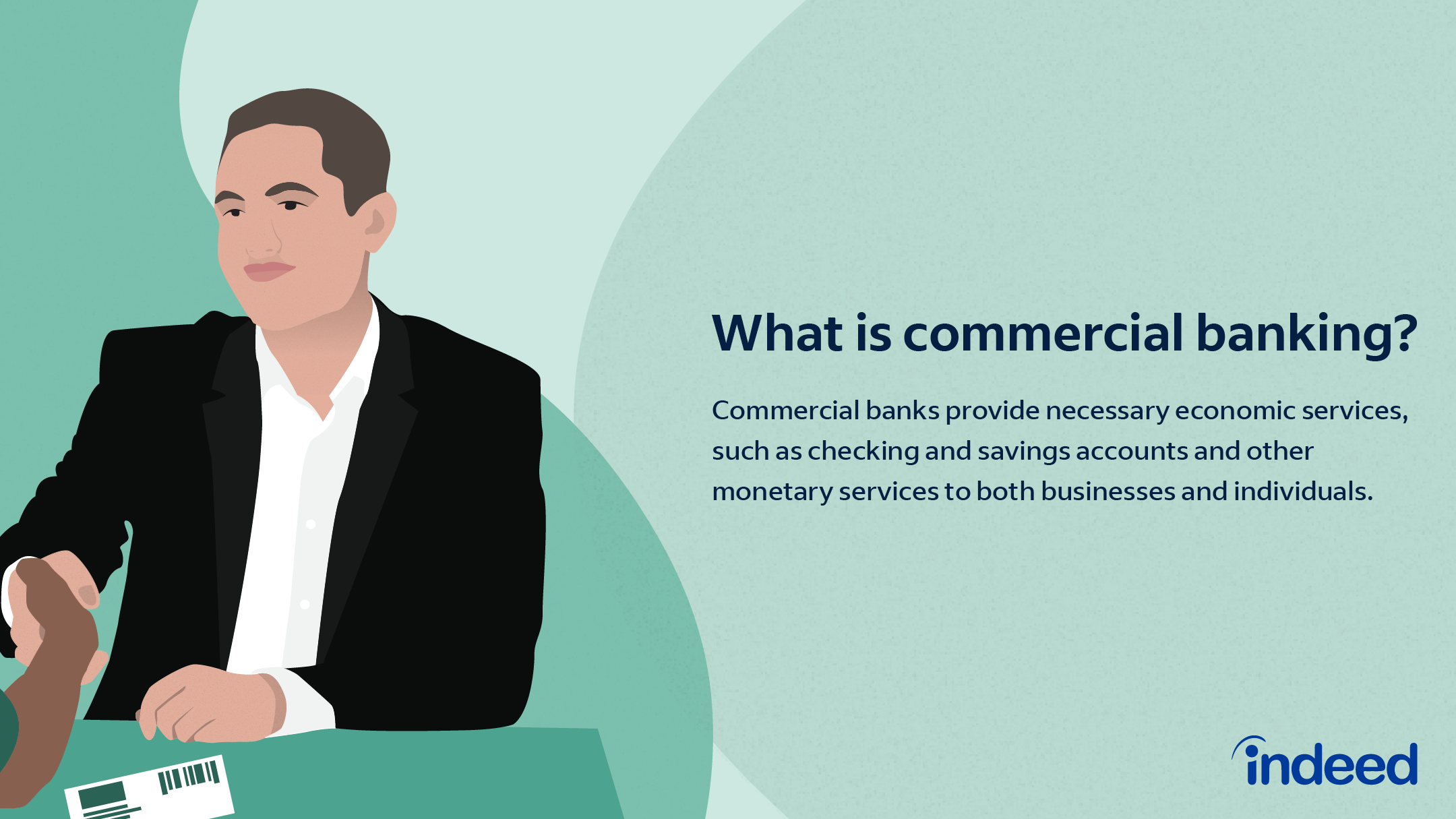
Commercial banking serves as the lifeblood of the global economy, acting as the primary intermediary between those who have excess capital and those who need it to fuel growth, innovation, and day-to-day operations. While personal banking focuses on the needs of individuals—savings accounts, mortgages, and auto loans—commercial banking is a specialized sector of the financial industry dedicated to serving the needs of businesses, ranging from small local enterprises to multinational corporations.
At its core, a commercial bank is a financial institution that accepts deposits from the public and grants loans to businesses to facilitate commerce. However, the modern commercial banking landscape has evolved far beyond simple lending. Today, it encompasses a sophisticated suite of financial tools designed to optimize cash flow, manage risk, and provide the structural support necessary for a business to scale. Understanding the nuances of commercial banking is essential for any entrepreneur, CFO, or investor looking to navigate the complexities of business finance.

The Foundational Pillar: Primary Functions of Commercial Banks
Commercial banks operate on a fundamental principle of financial intermediation. They take in short-term deposits and transform them into long-term loans. This process is governed by a range of services that provide the basic infrastructure for any functioning economy.
Deposit Mobilization: The Source of Capital
The first and most critical function of a commercial bank is the mobilization of deposits. By offering secure accounts—such as checking accounts, savings accounts, and Certificates of Deposit (CDs)—banks aggregate capital from businesses and individual savers. In the “Money” niche, this is viewed as the “liability side” of the bank’s balance sheet. These deposits provide the liquidity necessary for the bank to engage in its more profitable activities: lending and investing. For the business client, these accounts provide a secure place to store operating capital while earning modest interest or benefiting from liquidity management features.
Credit Provision: Fueling Corporate Expansion
Lending is the primary engine of commercial banking revenue. Unlike retail loans, commercial loans are often highly customized to the specific needs of a business. These can range from short-term loans for inventory purchases to long-term financing for real estate or major capital expenditures. Commercial banks perform rigorous credit analysis, evaluating a business’s debt-to-equity ratio, cash flow projections, and collateral. By providing this capital, banks allow businesses to invest in productivity-enhancing assets today, paying back the debt using the future profits generated by those investments.
Transactional Services and Payment Processing
In an era of global commerce, the ability to move money efficiently is paramount. Commercial banks provide the “plumbing” for the financial world. This includes processing payroll, facilitating wire transfers, managing Automated Clearing House (ACH) payments, and providing merchant services for credit card processing. These transactional services ensure that a business can pay its suppliers on time and receive payments from customers with minimal friction, directly impacting the velocity of money within an organization.
Specialized Financial Products for Modern Enterprises
As businesses grow in complexity, their financial needs transcend basic loans and deposits. Commercial banks have developed specialized products tailored to specific stages of the business lifecycle and various operational requirements.
Working Capital Loans and Lines of Credit
One of the most common challenges for a growing business is managing the “cash flow gap”—the time between paying for raw materials and receiving payment for the finished product. Working capital loans and revolving lines of credit are designed to bridge this gap. A line of credit provides a business with a pre-approved pool of funds that they can draw from as needed. This flexibility is vital for managing seasonal fluctuations or unexpected expenses, ensuring that a temporary shortage of cash doesn’t stall operations.
Trade Finance and International Operations
For companies engaged in importing or exporting, commercial banks offer trade finance services that mitigate the risks of international trade. Tools such as Letters of Credit (LCs) act as a guarantee from the bank that a seller will receive payment as long as certain delivery conditions are met. This builds trust between parties who may be operating in different legal jurisdictions and currencies. Additionally, commercial banks provide foreign exchange (FX) services, allowing businesses to hedge against currency fluctuations that could otherwise erode profit margins on international contracts.
Asset-Based Lending and Equipment Financing
For capital-intensive industries like manufacturing or logistics, commercial banks offer asset-based lending. This involves using the company’s physical assets—such as machinery, equipment, or accounts receivable—as collateral for a loan. Equipment financing, specifically, allows a business to acquire the latest technology or heavy machinery without a massive upfront capital outlay, preserving cash for other strategic initiatives.

Navigating the Divide: Commercial vs. Investment Banking
In the world of business finance, it is common to confuse commercial banking with investment banking. While some massive financial institutions (often called “Universal Banks”) perform both roles, the functions are distinct in terms of risk, client base, and regulatory oversight.
Client Focus and Risk Profiles
Commercial banking is primarily focused on stability and the “real economy.” Its clients are businesses looking for debt financing and operational support. The risk for a commercial bank lies in “credit risk”—the possibility that a borrower will default on a loan. Consequently, commercial banking is a highly regulated sector with strict capital requirements to ensure that depositors’ money is protected.
Investment banking, on the other hand, focuses on capital markets. These institutions help corporations raise money by issuing stocks (IPOs) or bonds. They also facilitate Mergers and Acquisitions (M&A) and engage in proprietary trading. The risk in investment banking is “market risk”—the volatility of asset prices. While commercial banking deals in loans, investment banking deals in securities.
Revenue Models: Interest vs. Fees
The revenue models of these two sectors also differ significantly. Commercial banks make money primarily through the “Net Interest Margin” (NIM)—the difference between the interest they pay to depositors and the interest they charge to borrowers. Investment banks are largely fee-based; they earn commissions for advising on deals, underwriting securities, and managing large-scale financial restructurings. For a business owner, knowing which institution to approach depends on whether they need to borrow money (Commercial) or sell part of their company/issue public debt (Investment).
The Digital Frontier: How Technology is Reshaping Commercial Banking
The “Money” sector is currently undergoing a digital revolution, and commercial banking is at the center of this transformation. Traditional banks are increasingly integrating financial technology (Fintech) to improve the client experience and operational efficiency.
The Rise of Treasury Management Systems
Modern commercial banks now offer sophisticated Treasury Management Systems (TMS). These are digital platforms that give a CFO or treasurer a bird’s-eye view of the company’s entire financial position in real-time. These systems automate cash positioning, facilitate complex forecasting, and provide robust fraud protection. By integrating these tools, businesses can optimize their liquidity, ensuring that excess cash is invested to earn a return rather than sitting idle in a non-interest-bearing account.
Open Banking and API Integration
The emergence of “Open Banking” has allowed commercial banks to share financial data (with the client’s permission) with third-party software providers through APIs (Application Programming Interfaces). This means that a business’s banking data can flow directly into their accounting software (like QuickBooks or Xero) or their ERP (Enterprise Resource Planning) systems. This seamless integration reduces manual data entry, minimizes errors, and allows for real-time financial auditing, which is a significant leap forward in financial management efficiency.
Strategic Considerations for Choosing a Commercial Banking Partner
Choosing a commercial bank is one of the most important strategic decisions a business leader can make. The right partnership can provide more than just a place to park cash; it can provide a competitive advantage.
Assessing Industry-Specific Expertise
Not all commercial banks are created equal. Some specialize in technology startups, while others have deep roots in agriculture, real estate, or healthcare. It is crucial to choose a bank that understands the specific “unit economics” and regulatory environment of your industry. A bank with industry expertise will be more likely to offer favorable loan terms and provide valuable insights during economic downturns, as they understand the cyclical nature of your specific market.
Fee Structures and Relationship Management
While interest rates are important, the total cost of banking includes various fees for wire transfers, cash management services, and account maintenance. Businesses should conduct a thorough cost-benefit analysis of a bank’s fee structure. However, the most valuable asset in commercial banking is the Relationship Manager (RM). A good RM acts as a strategic advisor, helping the business navigate financial challenges and connecting them with the right products at the right time. In the world of business finance, a strong relationship with a commercial banker can be the difference between securing an emergency line of credit and facing a liquidity crisis.
In conclusion, commercial banking is far more than a utility; it is a strategic partner in the growth and stability of any enterprise. By providing the essential tools for capital allocation, risk management, and transactional efficiency, commercial banks ensure that the wheels of commerce continue to turn, allowing businesses to focus on what they do best: innovating and creating value.
aViewFromTheCave is a participant in the Amazon Services LLC Associates Program, an affiliate advertising program designed to provide a means for sites to earn advertising fees by advertising and linking to Amazon.com. Amazon, the Amazon logo, AmazonSupply, and the AmazonSupply logo are trademarks of Amazon.com, Inc. or its affiliates. As an Amazon Associate we earn affiliate commissions from qualifying purchases.