
The imagery of fire permeates the biblical narrative, appearing in contexts as diverse as divine presence, purification, judgment, and guidance. From the burning bush to pillars of fire, from refining gold to consuming destruction, fire is a symbol of immense power and transformation. While its primary interpretation is often spiritual or theological, a compelling and insightful analysis reveals profound parallels to contemporary financial concepts, economic dynamics, and personal wealth management. By viewing these ancient representations through a financial lens, we uncover timeless principles relevant to our pursuit of prosperity, ethical conduct, and resilience in an ever-fluctuating economic landscape. This exploration delves into how the biblical “fire” can illuminate our understanding of financial stewardship, market volatility, and the enduring value of integrity in the world of money.

The Purifying Flame: Financial Stewardship and Ethical Wealth
One of the most recurring and impactful representations of fire in the Bible is its role as a refining and purifying agent. This imagery offers a robust framework for understanding ethical wealth creation, financial transparency, and the pursuit of genuine, lasting value over transient gains.
Refining Wealth through Trials: Gold in the Fire
The Bible frequently likens the process of refining precious metals to the spiritual and moral purification of individuals. Malachi 3:3 speaks of God as a “refiner and purifier of silver,” who will “purify the Levites and refine them like gold and silver.” Similarly, 1 Peter 1:7 notes that faith is “of greater worth than gold, which perishes even though refined by fire.” These verses carry significant implications for modern financial practices.
In finance, “gold refined by fire” can symbolize assets that have withstood market downturns, economic crises, or rigorous due diligence. It represents investments or businesses built on sound fundamentals, ethical practices, and long-term vision, rather than speculative bubbles or fleeting trends. Just as impurities are burned away from gold, financial “refinement” involves stripping away practices like excessive debt, predatory lending, or opaque accounting. For individuals, this means purifying one’s financial habits: diligently managing expenses, investing wisely, and building wealth through honest labor and responsible planning. Companies that prioritize transparency, ethical supply chains, and sustainable practices are, in a sense, refining their corporate wealth, ensuring it can withstand scrutiny and contribute lasting value to stakeholders and society.
Burning Away Impurities: Debt, Greed, and Speculation
While refinement points to purification, fire also signifies destruction for that which is worthless or corrupted. This aspect of the “purifying flame” can be seen as a metaphor for the necessary eradication of financial impurities that erode wealth and undermine economic stability. Excessive debt, born out of avarice or irresponsible borrowing, often leads to a “burning” of resources through high interest payments, effectively consuming future potential. Similarly, unchecked greed in market speculation, where value is detached from fundamentals, often results in market bubbles that eventually burst, leaving a trail of scorched investors and economic fallout.
The biblical warnings against accumulating dishonest wealth or exploiting others resonate powerfully in contemporary finance. Financial scandals, fraudulent schemes, and predatory financial products are all “impurities” that ultimately lead to destruction, both for those who perpetrate them and for the broader economic system. The “fire” here is a cleansing force, revealing what is genuine and what is mere dross. For businesses, this translates to actively burning away inefficient processes, unethical practices, and non-value-adding activities. For individuals, it means cutting off financial habits that hinder true wealth accumulation, like impulse buying, accumulating high-interest debt, or falling prey to “get rich quick” schemes.
The Consuming Fire: Economic Disruption and Market Volatility
Beyond its purifying aspects, fire in the Bible often represents overwhelming power, divine judgment, or swift destruction. This destructive capacity of fire provides a potent metaphor for understanding economic crises, market volatility, and the inevitable consequences of unsustainable financial practices.
Divine Judgment and Economic Cycles
Biblical narratives depicting cities consumed by fire (e.g., Sodom and Gomorrah) or the land laid waste by judgment symbolize the catastrophic consequences of systemic moral or ethical failures. In an economic context, this can be interpreted as the unavoidable downturns and crises that result from widespread financial hubris, speculative excess, or unchecked corruption. History is replete with examples of economic “consuming fires”: the Great Depression, the dot-com bubble burst, the 2008 financial crisis, or hyperinflationary periods that wipe out savings. These events often follow periods of unsustainable growth fueled by easy credit, irresponsible lending, or irrational exuberance, acting as corrective “judgments” on an overheated or corrupted system.
The “consuming fire” highlights the cyclical nature of economies and the inherent risks when fundamental principles of prudence and moderation are abandoned. It serves as a stark reminder that prosperity cannot be built on shaky foundations indefinitely. Just as unchecked forest fires devastate landscapes, unchecked financial imbalances can lead to widespread economic destruction, impacting livelihoods, businesses, and global stability. Understanding this destructive capacity of “economic fire” compels us to seek more resilient and equitable financial systems.
Protecting Assets from the Blaze: Risk Management and Resilience
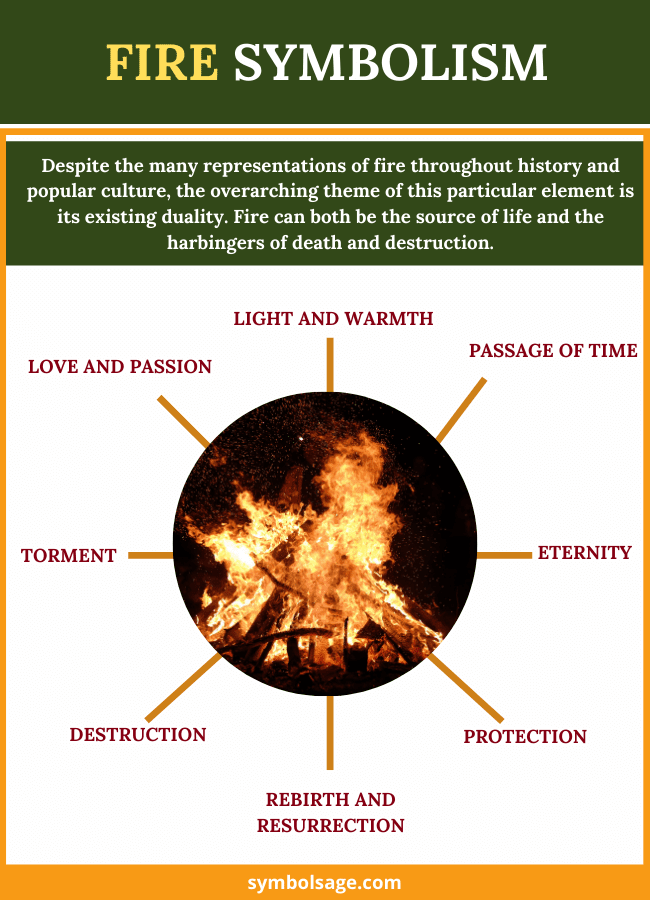
If financial history teaches us anything, it’s that “fire” – whether in the form of market crashes, inflation, or geopolitical instability – will inevitably strike. The wisdom, therefore, lies not just in understanding its destructive potential but in developing strategies for protection and resilience. The Bible speaks of those who build their houses on solid rock, able to withstand storms. In financial terms, this translates to robust risk management.
Diversification, emergency funds, strategic asset allocation, and investing in stable, value-driven assets are all forms of “firebreaks” against economic conflagrations. Prudent financial planning means anticipating potential “burns” and safeguarding against them. For businesses, this involves maintaining healthy cash reserves, diversifying revenue streams, hedging against market risks, and having contingency plans for supply chain disruptions or sudden economic shifts. For individuals, it means cultivating financial literacy, securing appropriate insurance, avoiding excessive leverage, and making informed decisions that prioritize long-term stability over short-term speculative gains. Just as a community prepares for wildfires, financially resilient individuals and organizations actively prepare for economic downturns, ensuring their assets are not easily consumed by the blaze.
The Guiding Light: Illumination for Financial Wisdom
While fire often symbolizes destruction or purification, it also appears as a source of light, guidance, and warmth in the biblical narrative. This constructive aspect of fire offers metaphors for financial education, innovation, and the power of transparency in building a prosperous future.
A Lamp Unto Your Feet: Financial Education and Transparency
The pillar of fire guiding the Israelites through the wilderness (Exodus 13:21) represents divine guidance and clarity in uncertain times. In a financial context, this “guiding light” symbolizes the critical role of financial education and transparency. In a complex world of investments, taxes, and economic jargon, financial literacy acts as a lamp, illuminating the path forward and helping individuals and businesses make informed decisions. Lack of understanding often leads to poor choices, susceptibility to scams, and unnecessary financial losses.
Transparency, much like the clear light of fire, is essential in financial dealings. It fosters trust between investors and companies, consumers and institutions. Clear financial reporting, honest marketing, and readily accessible information about financial products empower individuals to navigate the market safely. Regulators strive to be this “guiding light,” ensuring fair practices and preventing exploitation. For personal finance, it means shedding light on your own financial situation – understanding your income, expenses, debts, and assets – to chart a clear course toward your goals.
Igniting Opportunity: Innovation and Sustainable Growth
Beyond guidance, fire provides warmth, cooks food, and is essential for forging tools and shaping metals. This creative, constructive power of fire directly translates to the spark of innovation and the engine of sustainable economic growth. Entrepreneurship, new technologies, and groundbreaking business models are all born from a “spark” of an idea, often requiring intense effort and dedication – much like tending a fire to build something new.
This “igniting opportunity” can be seen in venture capital funding new startups, research and development departments creating cutting-edge products, or social enterprises addressing market gaps with innovative solutions. These endeavors, when pursued ethically and with a focus on real value creation, generate wealth, create jobs, and improve living standards. Sustainable growth, however, implies not letting the fire get out of control – balancing innovation with responsibility, ensuring that economic development does not consume natural resources or exploit labor, but rather fuels long-term prosperity for all stakeholders.
The Enduring Legacy: Timeless Financial Principles
The multifaceted symbolism of fire in the Bible, when interpreted through a financial lens, reveals an enduring legacy of wisdom applicable to our contemporary economic challenges. These ancient narratives, far from being archaic, offer profound insights into building and managing wealth with integrity and foresight.
Building on Solid Ground: The Foundation of Ethical Finance
The overarching lesson from fire’s representation is the importance of foundations. Whether fire is purifying, consuming, or guiding, its impact is always contingent on the underlying material. In finance, building on “solid ground” means adhering to ethical principles that transcend market fluctuations. Justice, generosity, diligence, and accountability—principles frequently highlighted in biblical texts—serve as the bedrock of sustainable financial practices. These are not merely spiritual virtues but practical tools for enduring success. Businesses founded on honesty and fair dealings are more resilient, attracting loyal customers and trustworthy partners. Individuals who manage their finances with integrity and prudence build lasting wealth and contribute positively to their communities.
A Call to Action: Applying Ancient Wisdom Today
Ultimately, the ancient wisdom embedded in the biblical representation of fire serves as a powerful call to action for modern financial participants. It challenges us to reflect on the nature of our wealth, the means by which we acquire it, and the impact we have on the broader economy. Are our financial practices akin to gold being refined by fire, leading to purity and lasting value? Or are we accumulating dross that is destined to be consumed? Are we preparing for the inevitable “consuming fires” of economic downturns, or are we building on sand? Are we using our financial knowledge as a guiding light for ourselves and others, or are we operating in darkness?
By integrating these timeless metaphors into our financial mindset, we can cultivate greater resilience, foster ethical behavior, and contribute to an economy that genuinely serves human flourishing, rather than being perpetually consumed by its own flames. The “fire” in the Bible, when viewed through a financial lens, becomes a profound metaphor for continuous improvement, strategic adaptation, and the enduring power of ethical principles in the pursuit of lasting prosperity.
aViewFromTheCave is a participant in the Amazon Services LLC Associates Program, an affiliate advertising program designed to provide a means for sites to earn advertising fees by advertising and linking to Amazon.com. Amazon, the Amazon logo, AmazonSupply, and the AmazonSupply logo are trademarks of Amazon.com, Inc. or its affiliates. As an Amazon Associate we earn affiliate commissions from qualifying purchases.