
In the world of golf, the term “eagle” evokes a sense of exceptional achievement, a moment that can dramatically alter the landscape of a competition. While golf enthusiasts understand the strategic and technical prowess required to achieve an eagle, its true significance often extends beyond the fairway, impacting the financial stakes of the game. For players, sponsors, and even those who engage with golf through betting, an eagle represents a tangible shift in potential earnings, a marker of elite performance that translates directly into monetary value.
The Anatomy of an Eagle: A Scoring Advantage
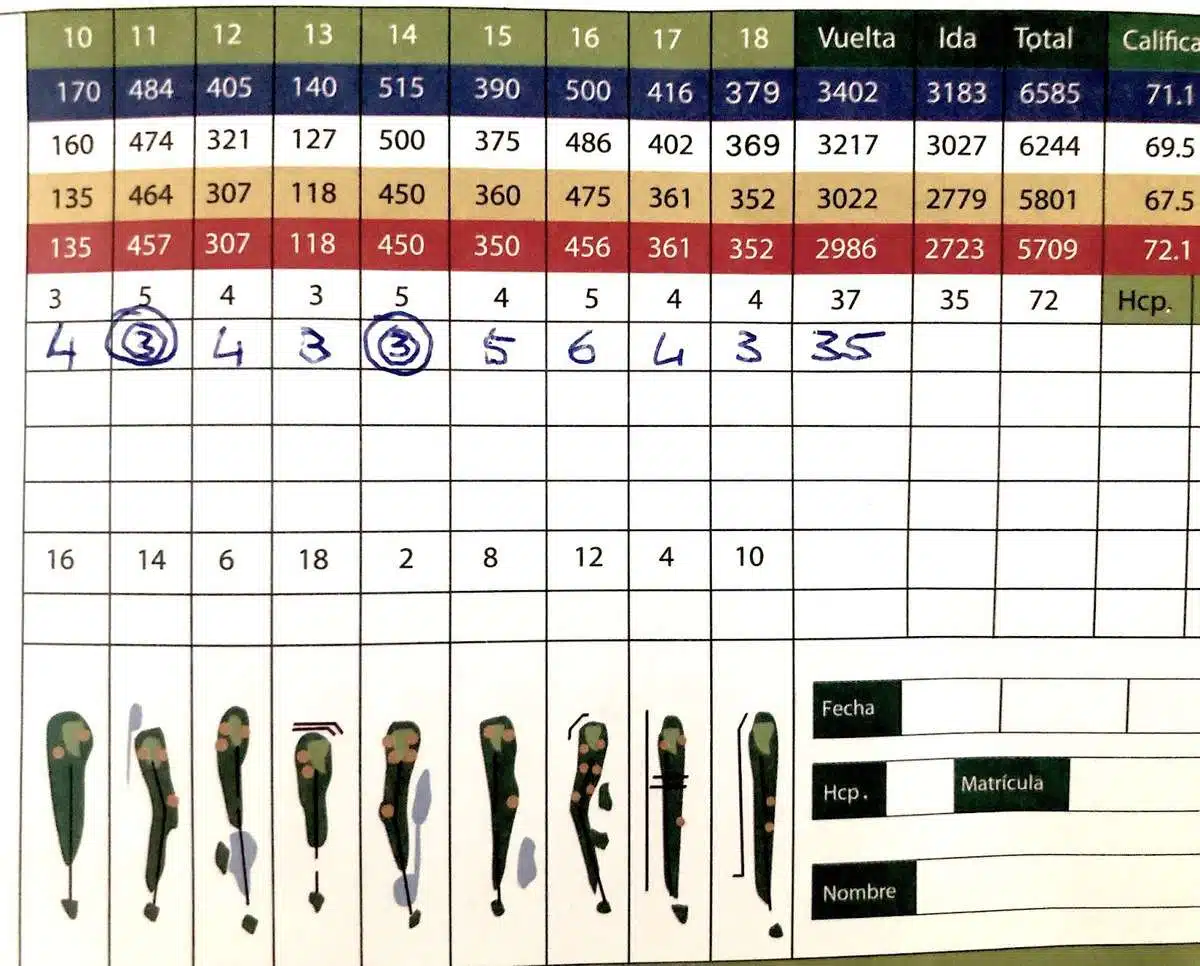
At its core, an eagle in golf refers to a score of two strokes under par on any given hole. Par is the predetermined number of strokes a skilled golfer is expected to take to complete a hole. Therefore, on a par-5 hole, an eagle is achieved by completing it in three strokes. On a par-4, it requires two strokes, and on the rare par-3 with exceptionally long yardage, it’s a hole-in-one. This seemingly simple mathematical definition belies its profound impact on a player’s scorecard and, consequently, their financial prospects.

The Strategic Imperative of Eagle Opportunities
Understanding where eagle opportunities arise is crucial for any player aiming for financial success in professional golf. These opportunities are primarily concentrated on par-5 holes, which are designed to be reachable in two strokes for longer hitters. For a professional golfer, a well-executed drive followed by a precise second shot that lands on or near the green can set up an eagle putt. The financial payoff for successfully converting these opportunities is substantial.
The Birdie vs. The Eagle: A Monetary Multiplier
While a birdie (one stroke under par) is a common and valuable score in professional golf, an eagle offers a significantly greater reward. Consider the financial structures of professional tours. Tournament purses are distributed based on final standings, with a considerable premium placed on higher finishes. Consistently achieving birdies can elevate a player within the top 20 or 30, securing decent prize money. However, eagles act as true game-changers. An eagle on a crucial hole, especially in the later rounds of a major championship, can catapult a player up the leaderboard, potentially from outside contention to a position that yields hundreds of thousands, if not millions, of dollars.
For instance, a player sitting just outside the cut line might find themselves in a position to make an eagle on the 18th hole of their second round. This single shot can not only secure their place for the weekend but also significantly boost their potential earnings by allowing them to compete for the larger prizes reserved for top finishers. The difference between making par and making an eagle on a single hole can be the difference between earning a modest check and claiming a life-changing sum.
The Financial Ramifications of an Eagle on Tour
The impact of an eagle is most acutely felt within the professional golf ecosystem. The prize money structures of tours like the PGA Tour and the DP World Tour are meticulously designed to reward exceptional performance. Eagles are the ultimate expression of such performance, directly influencing a player’s earnings.
Tournament Purses and Eagle Bonuses
Professional golf tournaments boast substantial prize funds, often running into millions of dollars. These funds are allocated based on the final standings, with the winner receiving a significant percentage. Achieving an eagle can be the difference between finishing 5th and winning the tournament, a difference that can easily amount to over a million dollars. In many cases, the ability to consistently convert eagle opportunities separates the good players from the great, those who earn a comfortable living from the sport and those who become golf millionaires.
Beyond the direct prize money, some professional tours and individual tournaments might offer bonus incentives for specific achievements. While not always explicitly tied to individual eagles, a player who racks up multiple eagles throughout a season might find themselves in contention for end-of-season bonuses based on their overall scoring average or performance metrics where eagles play a significant role. This highlights how the pursuit of eagles is not just about a single shot, but a sustained strategy for maximizing financial gain throughout a competitive year.
Sponsorships and Endorsements: The Eagle Effect
The financial appeal of an eagle extends beyond the tournament prize money to the lucrative world of sponsorships and endorsements. Professional golfers are often brand ambassadors, and their performance on the course directly influences their marketability. A player who consistently makes eagles, especially in high-stakes situations or major championships, becomes a more attractive prospect for sponsors.
Brands are drawn to players who exhibit clutch performance and the ability to create exciting moments. An eagle is a prime example of such a moment. It’s a highlight reel play that captivates audiences and advertisers alike. Consequently, a golfer with a reputation for making eagles can command higher endorsement deals, secure more lucrative apparel and equipment contracts, and attract additional sponsorship opportunities. This creates a virtuous cycle: the ability to earn eagles leads to greater financial rewards, which in turn allows players to invest more in their game, potentially leading to even more eagles.
Eagles in Betting and Fantasy Golf: Amplifying the Financial Excitement
The financial significance of an eagle isn’t confined to the professional players themselves. For a growing segment of golf enthusiasts, understanding the impact of eagles is crucial for their engagement with the sport through betting and fantasy leagues. These platforms amplify the excitement of every shot, and an eagle can be a decisive factor in their financial outcomes.
The Wagering Edge: Eagles in Sports Betting
Sports betting on golf has become increasingly sophisticated, with a wide array of markets available. Betting on individual holes, specific player performances, or tournament outcomes often involves considering the probability of eagles. Bettors who accurately predict which players are likely to make eagles, or on which holes they are most likely to do so, can reap significant financial rewards.
Oddsmakers factor in the statistical likelihood of an eagle when setting betting lines. A player known for their long hitting and aggressive approach might be offered attractive odds for making an eagle on a specific par-5. Successful bets on these outcomes can lead to substantial payouts. Conversely, a bet placed on a player to not make an eagle might be less lucrative if that player surprises with a brilliant shot. The presence of eagles injects an element of high-stakes unpredictability and potential reward into golf betting.
Fantasy Golf: Strategic Eagles and League Dominance
Fantasy golf leagues, where participants assemble virtual teams of professional golfers, have exploded in popularity. Success in these leagues hinges on strategic player selection and maximizing point accumulation. Eagles are a highly valued scoring event in most fantasy golf formats, often awarding a significant number of points.
A player who consistently accumulates eagles throughout a tournament can rack up a substantial point total, potentially leading their fantasy team to victory and associated prize money or bragging rights. For fantasy managers, identifying golfers who are statistically prone to making eagles, especially on courses that offer ample eagle opportunities, is a key strategy for winning their leagues. The pursuit of eagles in fantasy golf mirrors the pursuit of financial success on the actual tour, creating a parallel dimension of financial engagement with the sport.
The Investment in Skill: Training for the Eagle
For aspiring professional golfers and even serious amateurs, the pursuit of eagles is an investment. It requires dedicating time and resources to developing the specific skills necessary to achieve such a rare and valuable score. This investment can eventually yield significant financial returns.
The Development of Power and Precision
Achieving an eagle on a par-5 typically requires two critical elements: the power to hit the ball a long distance off the tee, and the precision to execute a second shot that lands close enough to the hole for a makeable putt. This necessitates extensive training in long-drive techniques, fairway wood and hybrid accuracy, and the ability to control trajectory and spin. Golfers who invest in coaches specializing in these areas, utilize advanced training aids, and dedicate countless hours to practice are essentially investing in their capacity to score eagles. This investment is viewed as a pathway to higher earnings and a more prosperous career in professional golf.
Data Analytics and Performance Optimization
In the modern era of golf, technology and data analytics play a crucial role in optimizing performance. Professional golfers and their caddies utilize sophisticated tools to analyze shot distances, ball flight characteristics, and course strategies. This data can identify which holes present the best eagle opportunities based on a player’s strengths. For example, a golfer might discover that a particular par-5 on a specific course plays perfectly to their driving distance and preferred approach shot.
By leveraging this data, players can tailor their strategies, focusing their aggressive play on holes where the potential reward of an eagle is high and the risk is manageable. This data-driven approach to identifying and capitalizing on eagle opportunities is a direct investment in maximizing financial outcomes. It moves beyond simply hitting the ball well to understanding how to strategically deploy skills for the greatest financial impact.

Conclusion: The Eagle as a Financial Catalyst
In the intricate tapestry of professional golf, the “eagle” is far more than just a scoring term; it is a powerful financial catalyst. From directly impacting tournament prize money to influencing lucrative sponsorship deals and fueling the excitement of sports betting and fantasy leagues, the eagle signifies a level of performance that translates into tangible monetary value. For players, it represents the pinnacle of strategic play and skill, a key to unlocking financial success. For fans and investors in the sport, the pursuit and achievement of eagles add an extra layer of anticipation and potential reward. Ultimately, understanding what an eagle means in golf is to understand a critical element of its economic engine.
aViewFromTheCave is a participant in the Amazon Services LLC Associates Program, an affiliate advertising program designed to provide a means for sites to earn advertising fees by advertising and linking to Amazon.com. Amazon, the Amazon logo, AmazonSupply, and the AmazonSupply logo are trademarks of Amazon.com, Inc. or its affiliates. As an Amazon Associate we earn affiliate commissions from qualifying purchases.