
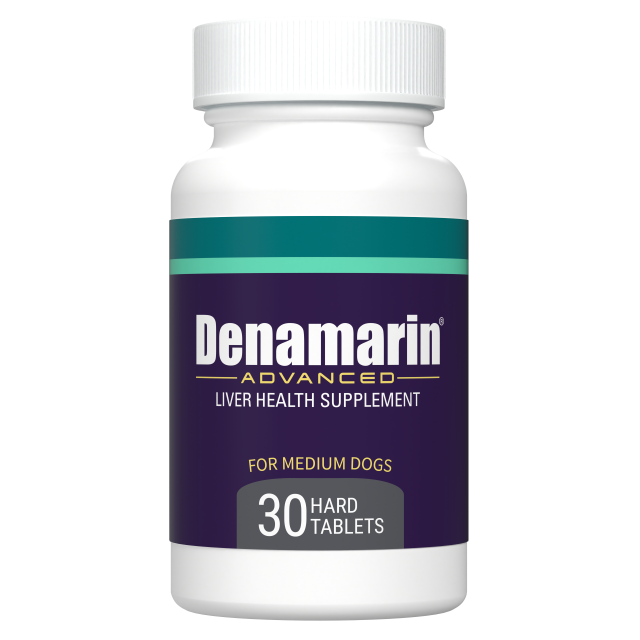
The quest to maintain the health and longevity of our canine companions is a driving force behind significant advancements in veterinary medicine. As our understanding of animal physiology deepens, so too does our ability to develop targeted solutions for common and complex health issues. Among these innovations, Denamarin has emerged as a notable supplement, garnering attention for its role in supporting canine liver health. This article delves into the scientific underpinnings of Denamarin, exploring its active ingredients, their biochemical mechanisms, and the technological applications that allow for its effective delivery and research within the realm of veterinary science.
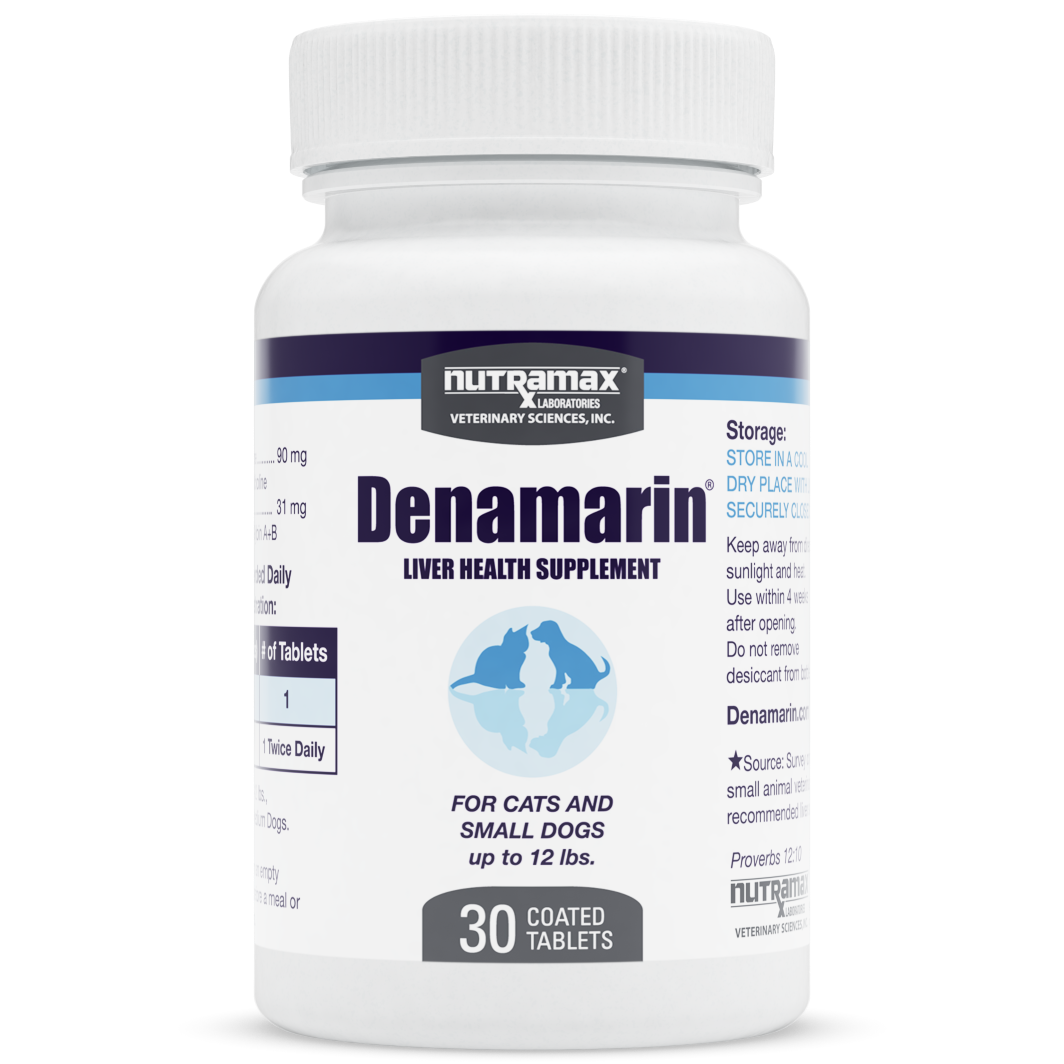
The Biochemical Arsenal: Understanding Denamarin’s Core Components
At the heart of Denamarin’s efficacy lies a carefully selected combination of active ingredients, each chosen for its specific role in supporting liver function. The scientific rationale behind these components is rooted in understanding the complex metabolic processes occurring within the canine liver and how these can be bolstered by targeted supplementation.
S-Adenosylmethionine (SAMe): The Methylation Master
S-Adenosylmethionine, commonly known as SAMe, is a naturally occurring molecule found in virtually all living cells. Its critical function is as a universal methyl group donor, a process known as methylation. This biochemical reaction is fundamental to a vast array of cellular processes, including DNA synthesis and repair, the synthesis of neurotransmitters, and the production of phospholipids, which are essential components of cell membranes.
In the context of liver health, SAMe plays a pivotal role. The liver is the body’s primary metabolic powerhouse, constantly engaged in detoxification, nutrient processing, and the synthesis of vital compounds. During periods of stress or disease, the liver’s capacity to perform these functions can be compromised. SAMe’s involvement in phospholipid synthesis is particularly crucial here. Phospholipids are the building blocks of cell membranes, and their adequate supply is essential for maintaining the structural integrity and functional capacity of hepatocytes (liver cells). When liver cells are damaged, their membranes can become unstable, impairing their ability to function and leading to further damage. By donating methyl groups, SAMe supports the liver’s ability to synthesize new phospholipids, thereby helping to stabilize and repair cell membranes.
Furthermore, SAMe is a precursor to glutathione, a potent endogenous antioxidant. Glutathione is often referred to as the “master antioxidant” and is produced in high concentrations within the liver. It plays a critical role in neutralizing harmful free radicals and reactive oxygen species (ROS) that can cause oxidative stress and cellular damage. Oxidative stress is a significant contributor to liver disease, and by boosting glutathione levels, SAMe provides the liver with enhanced antioxidant defenses, helping to protect it from further injury and support its recovery. The scientific understanding of these pathways has allowed for the development of stabilized forms of SAMe, ensuring its bioavailability and efficacy when administered as a supplement. This stabilization is a testament to the chemical engineering and formulation science involved in creating effective nutraceuticals.
Silybin Phytosome: The Enhanced Antioxidant and Anti-inflammatory Agent
The second key ingredient in Denamarin is silybin, the primary active flavonoid found in milk thistle (Silybum marianum). While silybin itself possesses potent antioxidant and anti-inflammatory properties, its bioavailability when administered orally can be limited due to poor absorption in the gastrointestinal tract. This is where technological innovation in formulation becomes paramount.
Denamarin utilizes a silybin phytosome complex. A phytosome is a liposomal preparation where a botanical extract (in this case, silybin) is bound to phospholipids. This binding process significantly enhances the bioavailability of silybin. The phospholipids encapsulate the silybin, creating a more lipophilic (fat-soluble) complex that can be more readily absorbed across the intestinal wall and delivered to the liver. This technological advancement in drug delivery systems is crucial for maximizing the therapeutic potential of silybin.
Once absorbed, silybin works through several mechanisms to support liver health. Its antioxidant properties are robust, directly scavenging free radicals and inhibiting lipid peroxidation, a process that damages cell membranes and contributes to inflammation. Furthermore, silybin has been shown to inhibit inflammatory pathways within the liver, such as the production of pro-inflammatory cytokines. This dual action of antioxidant and anti-inflammatory support helps to mitigate the damage caused by various hepatotoxins and inflammatory conditions affecting the liver. Research in this area involves advanced analytical techniques to quantify silybin levels in the bloodstream and liver tissue, validating the efficacy of the phytosome technology.
The Technological Backbone: Research, Development, and Quality Assurance
The journey of Denamarin from a concept to a widely used veterinary supplement is underpinned by rigorous scientific research, sophisticated development processes, and stringent quality control measures. These technological aspects ensure that the product is not only effective but also safe and consistent.

Pre-Clinical and Clinical Research: Validating Efficacy
Before any supplement can be recommended for widespread use, it must undergo extensive testing. The development of Denamarin involved a multi-stage research process, beginning with pre-clinical studies. These studies, often conducted in vitro (in laboratory settings using cell cultures) and in vivo (using animal models), aimed to elucidate the biochemical mechanisms of SAMe and silybin and assess their potential effects on liver cells and animal models of liver disease. These investigations employ advanced analytical chemistry techniques, such as chromatography and mass spectrometry, to measure compound concentrations and metabolic byproducts, providing quantitative data on the efficacy of the active ingredients.
Following promising pre-clinical results, clinical trials are initiated. In the case of veterinary supplements like Denamarin, these trials involve carefully designed studies on target populations of dogs diagnosed with various liver conditions. These trials are crucial for evaluating the safety and efficacy of the supplement under real-world conditions. Researchers monitor key biomarkers of liver function, such as elevated liver enzymes (e.g., ALT, AST), bilirubin levels, and albumin levels. Histopathological examinations of liver tissue, conducted using high-resolution microscopy, provide direct evidence of structural changes and cellular health. The ethical considerations and scientific rigor of these trials mirror those in human pharmaceutical research, highlighting the technological sophistication involved in veterinary drug development.
Formulation and Manufacturing: Ensuring Stability and Potency
The effectiveness of Denamarin is directly tied to the stability and potency of its active ingredients. SAMe, in particular, can be susceptible to degradation. Therefore, specialized formulation techniques are employed to stabilize it. This often involves enteric coating of the tablets, which protects the SAMe from degradation by stomach acid and ensures its release in the small intestine, where it can be absorbed. The enteric coating itself is a product of material science and polymer technology, designed to dissolve at a specific pH.
Manufacturing processes are conducted under strict Good Manufacturing Practices (GMP) guidelines. This ensures that each batch of Denamarin contains the precise amount of active ingredients specified on the label, that it is free from contaminants, and that it maintains its potency throughout its shelf life. Advanced analytical techniques are used at multiple stages of the manufacturing process for quality control, from raw material testing to finished product analysis. This meticulous attention to detail in formulation and manufacturing is a testament to the technological infrastructure required for producing high-quality veterinary nutraceuticals.
The Diagnostic and Monitoring Landscape: Leveraging Technology in Canine Liver Health
The use of supplements like Denamarin is often part of a broader strategy for managing canine liver health, a strategy that itself is deeply intertwined with technological advancements in veterinary diagnostics and monitoring.
Advanced Diagnostic Tools: Identifying Liver Issues
Accurate diagnosis is the first step in effective liver management. Veterinary medicine has benefited immensely from the adoption of technologies originally developed for human medicine, as well as specialized veterinary innovations. Blood chemistry panels, which provide quantitative measurements of various enzymes, proteins, and metabolites, are fundamental in assessing liver function. Innovations in laboratory automation and reagent development have made these tests faster, more accurate, and more accessible.
Imaging technologies play a crucial role in visualizing the liver and detecting structural abnormalities. Ultrasound provides real-time imaging of the liver’s size, shape, and texture, allowing veterinarians to identify masses, cysts, or signs of inflammation. More advanced techniques, such as computed tomography (CT) and magnetic resonance imaging (MRI), offer detailed cross-sectional views, enabling the identification of subtle changes and the staging of liver diseases. The development and refinement of these imaging modalities represent significant technological achievements in veterinary diagnostics.
Therapeutic Monitoring: Tracking Progress with Technology
Once a diagnosis is made and a treatment plan, potentially including Denamarin, is implemented, ongoing monitoring is essential to track the dog’s progress and adjust the treatment as needed. This monitoring relies heavily on the same diagnostic technologies used for initial assessment. Regular blood tests allow veterinarians to observe trends in liver enzyme levels, bilirubin, and other indicators of liver health. The interpretation of these results is often aided by sophisticated laboratory information systems that can track historical data and identify deviations from normal ranges.
Furthermore, the integration of veterinary telemedicine and remote monitoring platforms is beginning to enhance the management of chronic conditions like liver disease. While still evolving, these technologies could potentially allow for the submission of diagnostic data and even video consultations, enabling more frequent and convenient follow-up care for owners, particularly those in remote areas. The continuous evolution of diagnostic and monitoring technologies underscores the dynamic and technologically driven nature of modern veterinary care, ensuring that treatments like Denamarin can be integrated into comprehensive and evidence-based management plans.
aViewFromTheCave is a participant in the Amazon Services LLC Associates Program, an affiliate advertising program designed to provide a means for sites to earn advertising fees by advertising and linking to Amazon.com. Amazon, the Amazon logo, AmazonSupply, and the AmazonSupply logo are trademarks of Amazon.com, Inc. or its affiliates. As an Amazon Associate we earn affiliate commissions from qualifying purchases.