
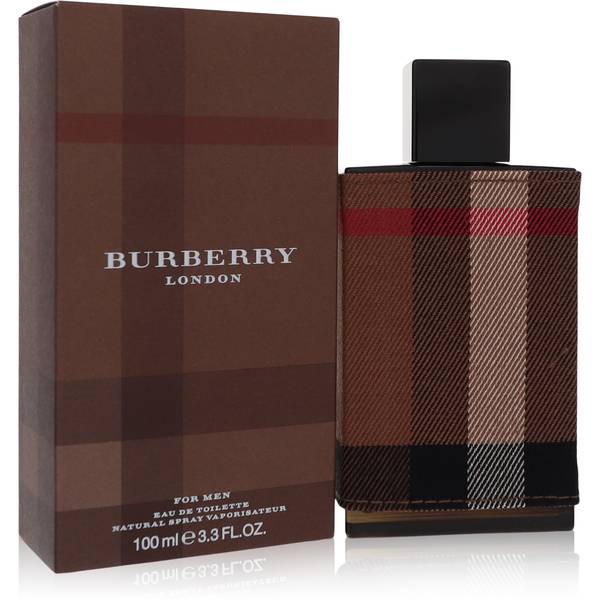
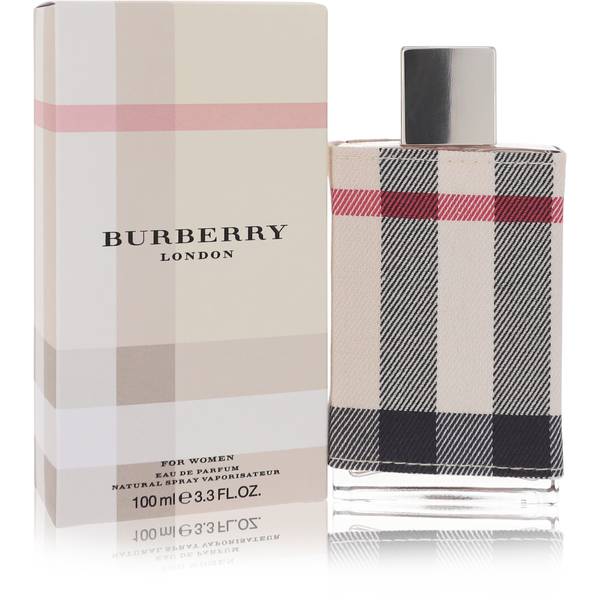
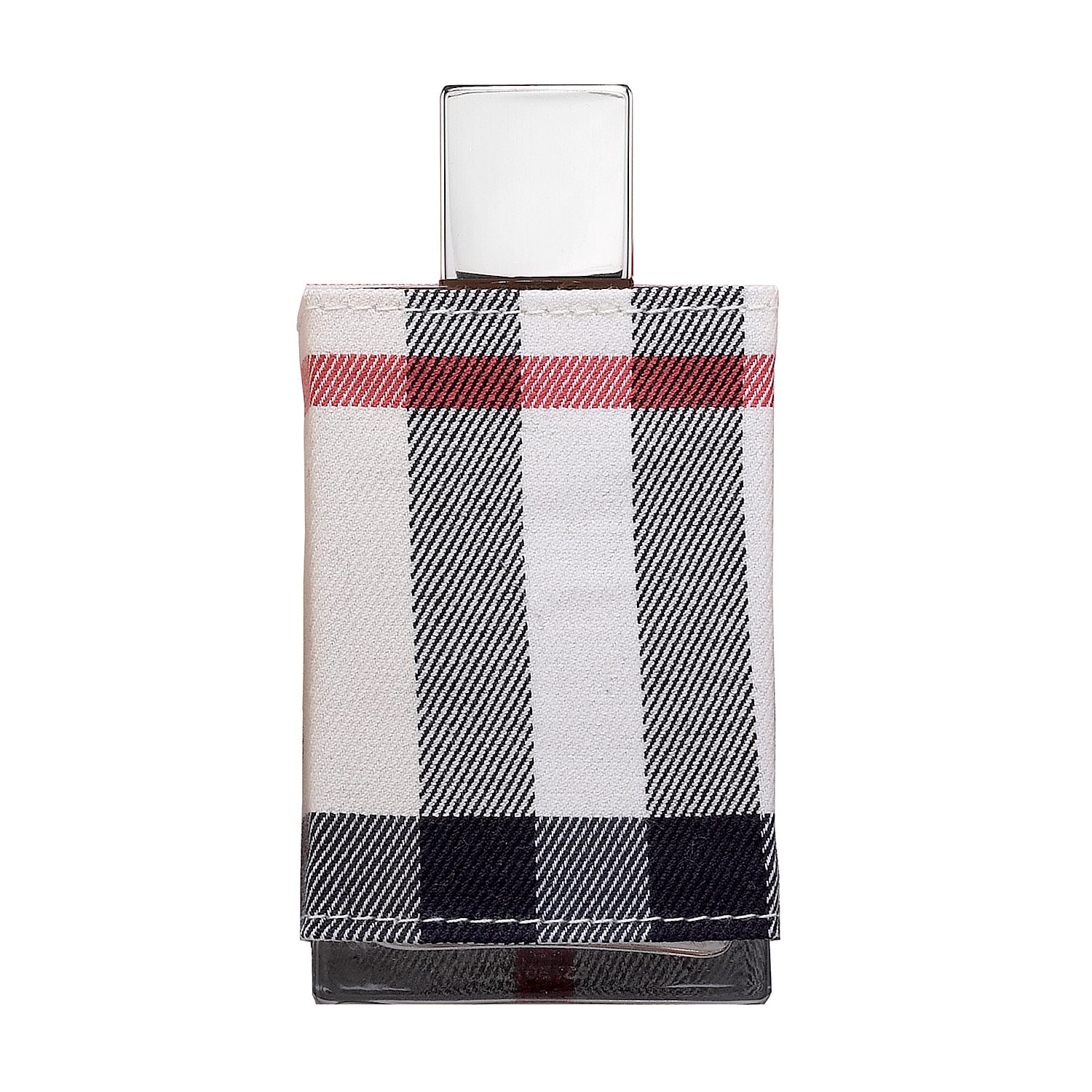
The evocative question, “What does Burberry London smell like?” delves beyond a simple olfactory description. It probes the very essence of a brand, the intricate tapestry of marketing, heritage, and product design that culminates in a sensory signature. For a brand as iconic and globally recognized as Burberry, the answer is not merely about a collection of fragrance notes; it’s about understanding how scent is strategically employed to communicate identity, evoke emotions, and reinforce the brand’s enduring allure. This exploration will unpack the multifaceted nature of Burberry’s olfactory presence, examining how it transcends individual fragrances to embody a sophisticated, quintessentially British brand ethos.
The Olfactory Embodiment of British Heritage and Modernity
Burberry, a brand synonymous with its iconic trench coat and distinctive check pattern, has meticulously cultivated an image deeply rooted in British heritage. However, its success in the modern era lies in its ability to seamlessly blend this rich history with contemporary relevance. Fragrance plays a crucial role in this delicate balancing act. It’s a tangible, yet intangible, extension of the brand’s narrative, allowing consumers to experience a facet of Burberry’s identity that resonates on a personal and emotional level.
The Genesis of Scent as Brand Extension
The decision for a luxury fashion house like Burberry to venture into the fragrance market is a strategic one. It represents an opportunity to democratize a portion of the brand experience, making it accessible to a wider audience than, say, a haute couture garment or a leather handbag. Fragrances become entry points, offering a more affordable yet equally potent connection to the brand’s aspirational qualities.
The development of a Burberry fragrance is not an arbitrary endeavor. It is a carefully considered process that begins with an in-depth understanding of the brand’s core values. This includes its historical roots in innovation (the invention of gabardine, for example), its association with the British landscape and weather, and its evolution into a global fashion powerhouse. The perfumers tasked with creating these scents are often briefed to capture specific aspects of this brand narrative, translating abstract concepts into a symphony of aromatic notes.
For instance, the notion of “London” itself evokes a complex set of imagery: the crisp air after a rain shower, the earthy scent of parks, the subtle hints of sophisticated urban living, and perhaps even a touch of rebellion and edginess. Burberry fragrances often aim to encapsulate these layered perceptions, offering an olfactory passport to the brand’s world. This strategic alignment between scent and brand identity ensures that each fragrance contributes to a cohesive and recognizable brand image.
The Power of Sensory Association in Brand Recall
Humans are profoundly influenced by their sense of smell. Olfactory memories are often the most potent and long-lasting, directly impacting our emotional responses and recall. When a consumer encounters a Burberry fragrance, whether it’s worn by someone else or sampled in a store, it creates an immediate and visceral association with the brand. This sensory imprint can trigger positive feelings, a sense of sophistication, or even nostalgia, all of which are invaluable assets in brand building.
The consistency in scent profiles across different Burberry fragrance lines, while offering variety, also reinforces this association. While a specific fragrance might be marketed towards a particular demographic or occasion, the underlying DNA of Burberry – a blend of classic elegance and modern dynamism – remains discernible. This allows the brand to build a recognizable olfactory language, where certain notes or accords become intrinsically linked with the Burberry name.
This strategic use of scent contributes significantly to brand loyalty. Consumers who have a positive sensory experience with a Burberry fragrance are more likely to repurchase, explore other offerings within the brand’s scent portfolio, and even extend their brand affinity to other product categories. It’s a subtle yet powerful form of marketing that operates on a subconscious level, fostering a deeper emotional connection with the brand.
Decoding the Olfactory Notes: A Burberry Fragrance Profile
To understand “what Burberry London smells like” in its most literal sense, one must delve into the typical fragrance families and notes that often characterize the brand’s olfactory creations. While each fragrance has its unique composition, recurring themes and ingredient choices reveal a deliberate approach to scent creation that aligns with Burberry’s brand identity.
Classic Elegance and the Timeless Appeal
Burberry fragrances often lean towards classic and sophisticated scent profiles, reflecting the brand’s heritage and timeless aesthetic. This often translates into the use of notes that evoke tradition, refinement, and understated luxury.
- Woody Notes: Oakwood, cedarwood, and vetiver are frequently employed, providing a grounding, earthy, and robust foundation. These notes speak to the brand’s connection with nature and its enduring quality. They offer a sense of warmth and sophistication, reminiscent of classic masculine fragrances, but are often balanced with lighter elements for broader appeal.
- Floral Accords: Delicate and refined floral notes, such as rose, jasmine, or lily of the valley, are also common. These add a touch of elegance and femininity, often used in a way that feels sophisticated rather than overtly sweet. They can evoke the blooming gardens of the British countryside or the polished interiors of a London townhouse.
- Citrus and Fruity Touches: To add brightness and a contemporary edge, certain Burberry fragrances incorporate notes like bergamot, lemon, or even softer fruity elements like blackcurrant or pear. These provide an initial zest and vibrancy, preventing the scent from becoming too heavy or dated. They represent the modern, dynamic aspect of the Burberry woman or man.
- Spicy Undertones: Subtle hints of spice, such as cardamom or black pepper, can be present, adding complexity and intrigue. These notes contribute to a sense of sophistication and a touch of alluring mystery, aligning with the brand’s ability to be both classic and provocative.
The “London” Element: Capturing the Urban Spirit
When the brand explicitly references “London” in a fragrance name, there’s an implied intention to capture the essence of the city itself. This often involves incorporating notes that evoke the urban environment, its atmosphere, and its inhabitants.
- Green and Earthy Notes: The scent of rain-kissed pavement, damp earth in Hyde Park, or the verdant expanses of British gardens can be translated through notes like moss, galbanum, or even subtle leather accords. These add a grounded, authentic quality, connecting the fragrance to the physical landscape of London.
- Crisp and Airy Notes: The distinct quality of London air, often described as crisp and invigorating, can be represented by fresh, clean notes. This might include a touch of ozone, aquatic accords, or even the clean scent of soap, suggesting a sense of urban freshness and modern cleanliness.
- Subtle Sophistication and Modernity: Beyond the overtly natural, there’s a certain understated chic associated with London. This can be conveyed through more abstract notes that suggest polished interiors, fine fabrics, or the faint aroma of expensive grooming products. Think of the subtle warmth of amber, the smooth touch of sandalwood, or a clean musk that leaves a lingering, elegant trail.
Gender Fluidity and Modern Sensibilities
In recent years, Burberry has increasingly embraced gender-fluidity in its brand messaging and product offerings. This extends to its fragrances, with many scents designed to be unisex or to offer interpretations that blur traditional gender lines. This means that a fragrance might feature notes traditionally associated with masculine scents, like woods and spices, but be balanced with floral or fruity elements that appeal to a broader audience. Conversely, fragrances marketed towards women might incorporate bolder, more unconventional notes that challenge traditional floral sweetness. This reflects a modern understanding of identity and personal expression, where scent is a tool for self-definition rather than a rigid category.
The Strategic Role of Scent in Burberry’s Brand Equity
Beyond individual product characteristics, the consistent and deliberate use of fragrance is a cornerstone of Burberry’s broader brand strategy. It’s not just about selling perfume; it’s about reinforcing the brand’s narrative, enhancing its perceived value, and fostering a deeper emotional connection with its consumers.
Reinforcing Brand Identity and Values
Every fragrance launched under the Burberry name is a deliberate communication of the brand’s core values. The choice of ingredients, the packaging design, the advertising campaigns – all work in concert to reinforce what Burberry stands for. Whether it’s an emphasis on British heritage, a celebration of modern style, or an embrace of innovative design, the scent profile is carefully curated to embody these tenets.
For example, a fragrance named “My Burberry” aims to evoke the personal relationship a person has with their Burberry trench coat, suggesting intimacy, comfort, and timeless style. The notes within, often featuring roses, geranium, and patchouli, are chosen to create a scent that feels personal, elegant, and quintessentially British, mirroring the emotional resonance of owning a cherished Burberry piece.
Enhancing Perceived Value and Luxury
The fragrance category is particularly adept at elevating a brand’s perceived value and sense of luxury. A well-crafted perfume, presented in elegant packaging and supported by sophisticated marketing, instantly imbues the brand with an aura of exclusivity and desirability. Burberry leverages this by ensuring its fragrances are positioned as premium products, reflecting the quality and craftsmanship associated with its fashion collections.
The act of experiencing and wearing a Burberry fragrance becomes an accessible form of luxury, allowing consumers to partake in the brand’s aspirational world. This is a crucial element of brand equity, as it goes beyond mere product features to encompass the emotional benefits and the status that the brand confers.
Building Brand Loyalty Through Sensory Experience
Ultimately, the effectiveness of scent as a brand-building tool lies in its ability to foster loyalty. When a consumer finds a Burberry fragrance that resonates with them, it creates a powerful and enduring connection. This isn’t just about a pleasant smell; it’s about the memories, emotions, and associations that the fragrance evokes.
These positive sensory experiences translate into repeat purchases, increased engagement with the brand, and organic advocacy. A customer who consistently wears and enjoys a Burberry fragrance is likely to become a loyal brand advocate, influencing others and further strengthening Burberry’s market position. The question “What does Burberry London smell like?” then becomes an invitation to engage with a brand that offers a rich, multi-sensory experience, a signature scent that tells a story of heritage, modernity, and enduring British style.
aViewFromTheCave is a participant in the Amazon Services LLC Associates Program, an affiliate advertising program designed to provide a means for sites to earn advertising fees by advertising and linking to Amazon.com. Amazon, the Amazon logo, AmazonSupply, and the AmazonSupply logo are trademarks of Amazon.com, Inc. or its affiliates. As an Amazon Associate we earn affiliate commissions from qualifying purchases.