
The term “blacklisted phone” is a descriptor that can evoke images of devices being ostracized or rendered useless. In the realm of technology, this label signifies a critical operational status that significantly impacts a device’s functionality and its place within the mobile ecosystem. Understanding what it means to be a blacklisted phone is crucial for consumers, businesses, and anyone involved in the buying, selling, or using of mobile devices. This article will delve into the technical implications of a blacklisted phone, exploring the reasons behind this designation, the consequences for users, and the methods employed to identify and address such devices.
The Technical Underpinnings of a Blacklisted Device
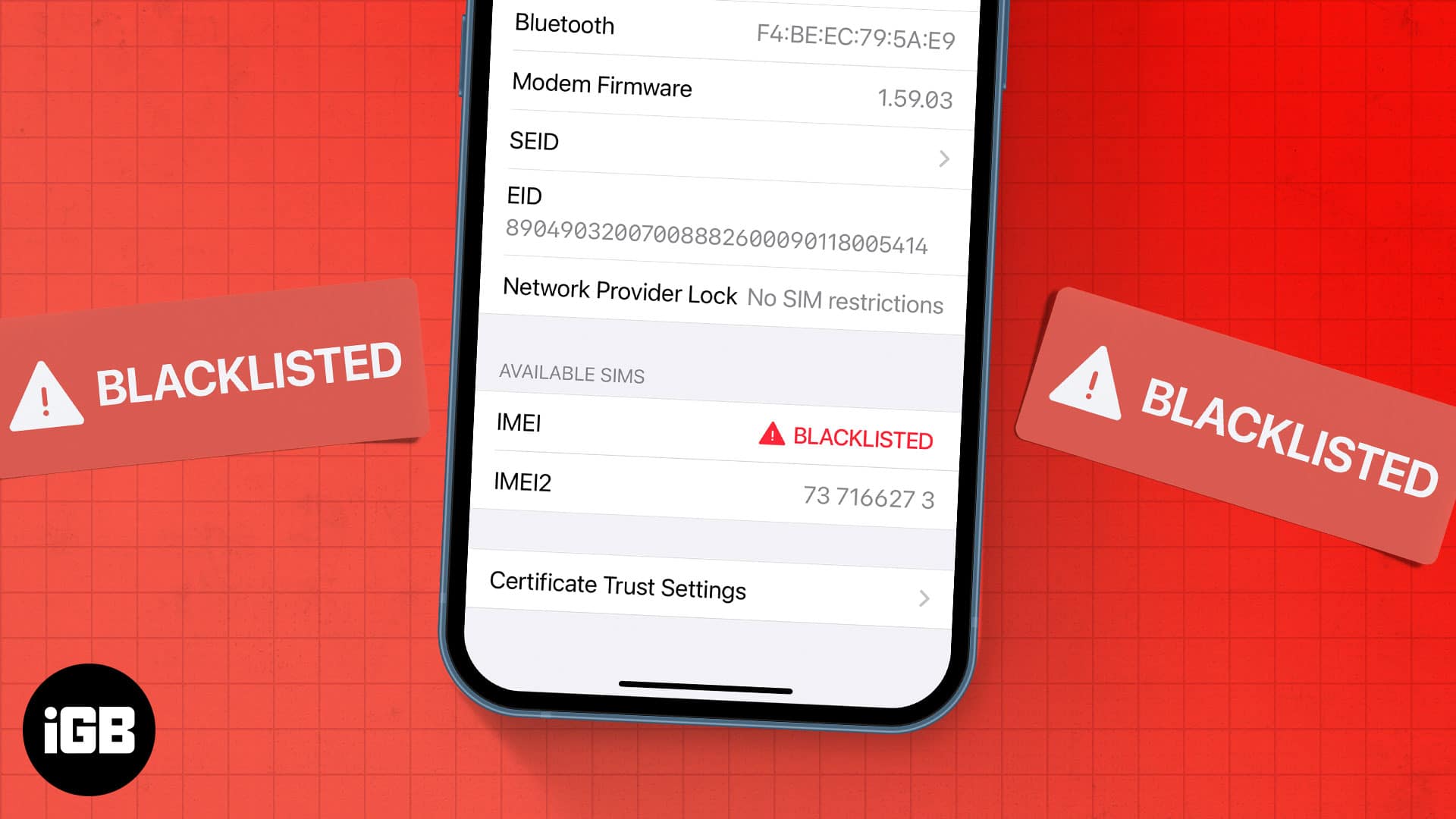
At its core, a blacklisted phone is a device that has been flagged in a database, typically maintained by mobile carriers or industry organizations, as being associated with certain negative activities. This flagging prevents the phone from connecting to cellular networks, rendering it incapable of making or receiving calls, sending or receiving text messages, or accessing mobile data services. The IMEI (International Mobile Equipment Identity) number, a unique 15-digit identifier assigned to every mobile phone, is the key that links a device to its blacklisted status. When a phone is blacklisted, its IMEI is added to a central database that mobile network operators consult before activating or allowing a device on their network.
The Role of the IMEI Number
The IMEI is akin to a serial number for your mobile phone. It’s embedded in the device’s hardware and is essential for network authentication. When you insert a SIM card and power on a phone, it communicates its IMEI to the network. Network operators use this IMEI to identify the device and check its status. If the IMEI is present in a blacklist database, the network will deny service. This IMEI-based blocking is a powerful tool for managing device legitimacy and combating various forms of mobile fraud and illicit activities. Without a unique identifier like the IMEI, it would be significantly harder for carriers to track and control devices on their networks.
Databases and Information Sharing
The databases that track blacklisted phones are not monolithic entities but rather a network of interconnected systems. Mobile carriers maintain their own internal blacklists, often populated by devices reported lost or stolen. Beyond individual carrier lists, there are also global databases compiled by industry organizations like the GSMA (Global System for Mobile Communications Association). This collaborative approach ensures that if a phone is blacklisted by one carrier in a particular region, that status can often be recognized and enforced by other carriers globally, making it much harder for stolen devices to be reused. The effectiveness of these blacklists relies heavily on the timely and accurate reporting of devices, and the willingness of carriers to share this information.
Common Reasons for a Phone Being Blacklisted
The blacklisting of a phone is not an arbitrary act; it’s a consequence of specific events or circumstances. Understanding these reasons is vital for users to avoid inadvertently acquiring or possessing a blacklisted device and to protect their own property. The most prevalent causes are linked to theft, fraud, and financial non-compliance.
Lost or Stolen Devices
One of the most common reasons for a phone being blacklisted is if it is reported lost or stolen. When a user realizes their device is missing, they typically contact their mobile carrier to report it. The carrier then adds the phone’s IMEI to their blacklist, preventing it from being used on their network. This measure serves a dual purpose: it helps deter theft by rendering stolen phones useless to the thief and provides a means for legitimate owners to recover their devices if they are found. It’s a crucial step in the process of mitigating losses due to theft.
Unpaid Bills and Financial Default
Another significant reason for a phone being blacklisted is related to financial obligations. When a consumer purchases a phone through a payment plan with a mobile carrier, the carrier often retains a lien on the device until the full amount is paid. If the user defaults on their payments or terminates their contract prematurely without settling the outstanding balance, the carrier has the right to blacklist the device. This action serves as a mechanism for the carrier to recover their investment and prevent the user from continuing to benefit from a service for which they have not paid. This is particularly common with subsidized or financed devices.
Fraudulent Activities and Illegal Use
Phones can also be blacklisted if they are found to be involved in fraudulent activities or illegal use. This can encompass a range of issues, including devices used for phishing scams, illegal telemarketing, or other criminal endeavors. If a device is repeatedly identified as a source of illegal activity and reported to the authorities or directly to carriers, it can be placed on a blacklist. Furthermore, if a phone was originally reported as stolen and later recovered, it may still remain on the blacklist even if the original owner has recovered it, unless a specific process is followed to de-list it.
The Practical Implications and Consequences of a Blacklisted Phone
The implications of owning or encountering a blacklisted phone are significant and directly impact the usability and value of the device. For an individual user, it means a device that is effectively a paperweight, incapable of performing its primary function: connecting to a cellular network. For those involved in the secondary market, it poses a considerable risk.
Inability to Connect to Cellular Networks
The most immediate and profound consequence of a blacklisted phone is its inability to connect to any mobile network. This means no calls, no text messages, and no mobile data, regardless of the SIM card inserted or the carrier chosen. Even with a valid SIM card and an active service plan, the network will detect the blacklisted IMEI and deny access. This renders the phone incapable of its core purpose as a communication device. While Wi-Fi connectivity might still function for internet browsing and app usage, the fundamental mobility and communication aspects are lost.
Impact on Resale Value and Legality
A blacklisted phone has virtually no resale value in the legitimate market. Potential buyers are unlikely to purchase a device that cannot be used for its intended purpose, and any attempt to sell one without disclosure could lead to legal repercussions for the seller. Furthermore, possessing a blacklisted phone that was acquired through illegitimate means could also lead to legal trouble for the owner. The blacklisting system is designed to make such devices unmarketable and identifiable, discouraging their illicit trade.
Differentiating from Other Issues
It’s important to distinguish a blacklisted phone from other issues that might cause a phone to lose network connectivity. A phone might be temporarily unable to connect due to software glitches, outdated firmware, or carrier network outages. These issues are usually resolvable through troubleshooting or by waiting for the network to be restored. A blacklisted phone, however, has a persistent, hardware-level denial of service tied to its unique IMEI, which cannot be resolved by software updates or carrier resets unless the blacklisting is officially removed.
Identifying and Addressing a Blacklisted Phone
Fortunately, there are ways to identify a potentially blacklisted phone before purchasing it, and in some cases, there are avenues to address the issue if a phone has been mistakenly blacklisted. Vigilance and proper checks are paramount in avoiding the pitfalls associated with these devices.
Checking a Phone’s Blacklist Status
Before purchasing a used phone, it is highly recommended to check its IMEI status. Numerous online services and carrier tools allow you to verify if a phone’s IMEI has been blacklisted. These checks typically involve entering the phone’s IMEI number into a database. A clean report indicates the device is not blacklisted, while a flagged report suggests otherwise. Most manufacturers and carriers provide official IMEI lookup tools, and there are also reputable third-party services that aggregate data from various databases. This is an essential due diligence step for any used phone purchase.
The Process of De-listing a Phone
De-listing a blacklisted phone is not always straightforward and depends heavily on the reason for its blacklisting. If a phone was blacklisted due to unpaid bills, settling the outstanding debt with the original carrier is the first step. However, even after payment, the carrier may not automatically de-list the device and may require a formal request. If the phone was reported lost or stolen, and subsequently recovered by the legitimate owner, the owner must provide proof of ownership and follow a specific procedure with the carrier to have the IMEI removed from the blacklist. If the phone was involved in fraud or illegal activities, de-listing may be significantly more difficult or impossible, often requiring law enforcement or judicial intervention.
When De-listing is Not Possible
In many scenarios, a blacklisted phone cannot be de-listed. If a phone was stolen and the original owner has no intention of recovering it, or if the device has been used for serious criminal offenses, it will likely remain permanently blacklisted. Similarly, some blacklisting actions are irreversible if the underlying issues cannot be resolved. It’s crucial to understand that the blacklisting system is a robust security measure, and while it aims to be fair, its primary function is to prevent the use of problematic devices. Therefore, approaching any used phone with caution and conducting thorough checks is the best defense against inadvertently acquiring a blacklisted device.
aViewFromTheCave is a participant in the Amazon Services LLC Associates Program, an affiliate advertising program designed to provide a means for sites to earn advertising fees by advertising and linking to Amazon.com. Amazon, the Amazon logo, AmazonSupply, and the AmazonSupply logo are trademarks of Amazon.com, Inc. or its affiliates. As an Amazon Associate we earn affiliate commissions from qualifying purchases.