
Wild rats, often perceived as mere pests, are driven by a primal need for sustenance that has profound and often costly implications for human endeavors. Their omnivorous and opportunistic dietary habits are not simply a biological curiosity; they represent a significant economic challenge across various sectors, from agriculture and food storage to urban infrastructure and public health. Understanding what wild rats eat is the first step in comprehending the financial burden they impose and the strategies required to mitigate these costs. This exploration delves into the diverse diet of wild rats and the economic ripple effects stemming from their foraging behaviors.
The Omnivorous Opportunist: A Diet of Economic Disruption
Wild rats possess an astonishingly broad diet, a characteristic that makes them exceptionally adaptable and, consequently, a persistent economic threat. Their ability to consume and thrive on a vast array of food sources means they can exploit nearly any environment where humans have established themselves. This indiscriminate eating directly impacts businesses and individuals by contaminating resources, damaging property, and increasing operational expenses.
Grains, Seeds, and the Agricultural Drain
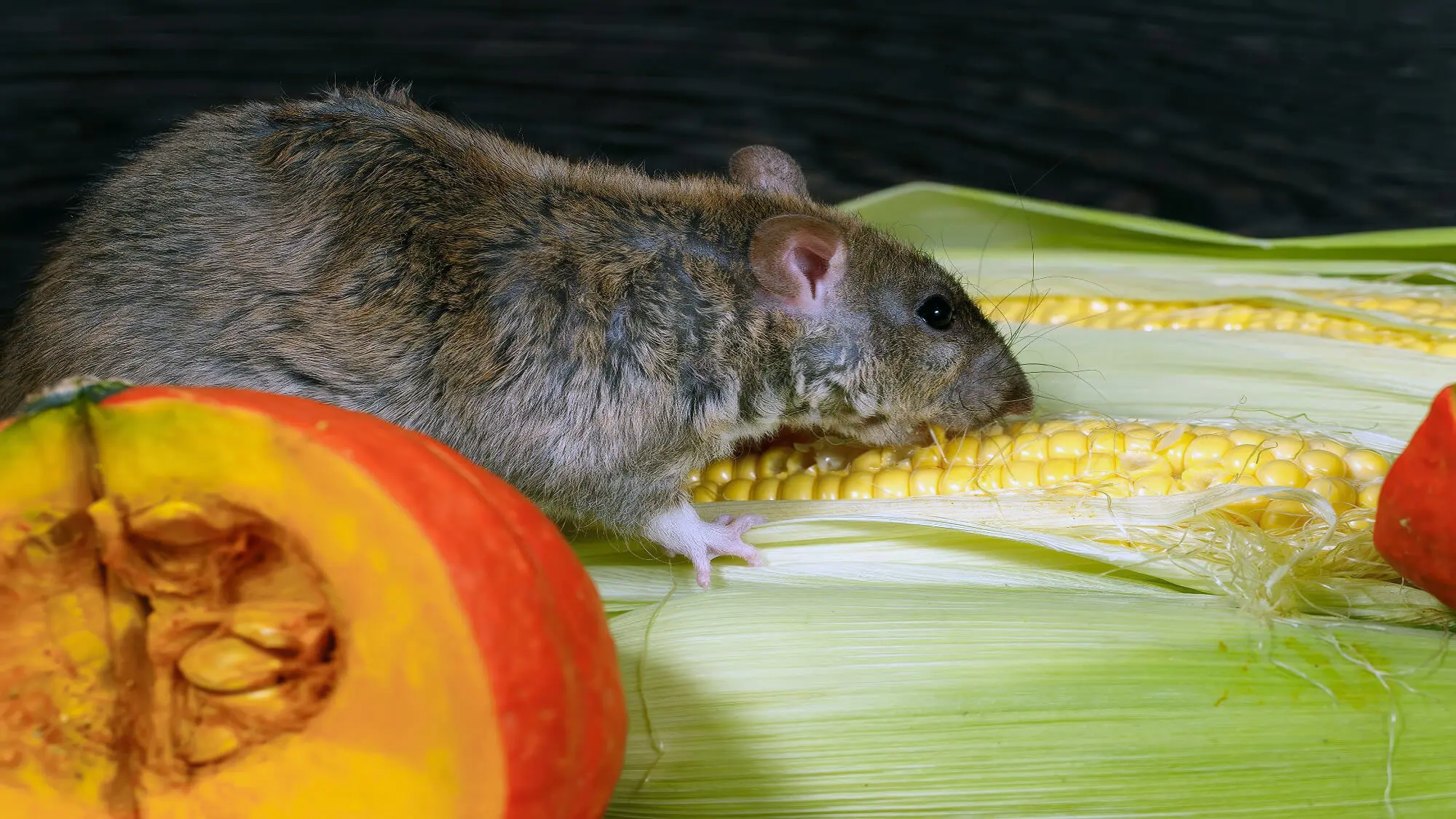
A significant portion of a wild rat’s diet, particularly in rural and semi-urban areas, consists of agricultural products. Grains, seeds, and cereal crops form a staple for many rat species. They infest fields, storage facilities, silos, and transportation networks, consuming and contaminating vast quantities of valuable produce.
- Direct Consumption: Rats can eat a considerable amount of grain, reducing the marketable yield of crops. A single rat can consume several pounds of grain per year, and a large infestation can lead to millions of dollars in lost product.
- Contamination: Beyond direct consumption, rats contaminate food supplies with their droppings, urine, and fur. This contamination renders otherwise perfectly good food unfit for human or animal consumption, leading to costly disposal and potential recalls. Regulations regarding food safety are stringent, and any sign of rodent activity can result in severe financial penalties for food producers and distributors.
- Damage to Infrastructure: To access these food sources, rats often gnaw through sacks, bins, and even building materials. This damage to storage facilities and packaging further contributes to financial losses. The cost of repairing damaged silos, replacing contaminated feed, and dealing with spoiled harvests can be substantial.
The economic impact is not limited to the immediate loss of produce. The need for robust pest control measures in agriculture, including traps, bait stations, and regular inspections, adds another layer of expense. The marketability of products can also be affected, with consumers increasingly aware of and concerned about food safety and the presence of pests.
Urban Scavengers: The Cost of Waste Management and Infrastructure Damage
In urban environments, wild rats are master scavengers, relying heavily on human-generated waste for their survival. This diet, while seemingly less direct in its economic impact on production, creates a cascade of financial problems related to public health, infrastructure maintenance, and sanitation.
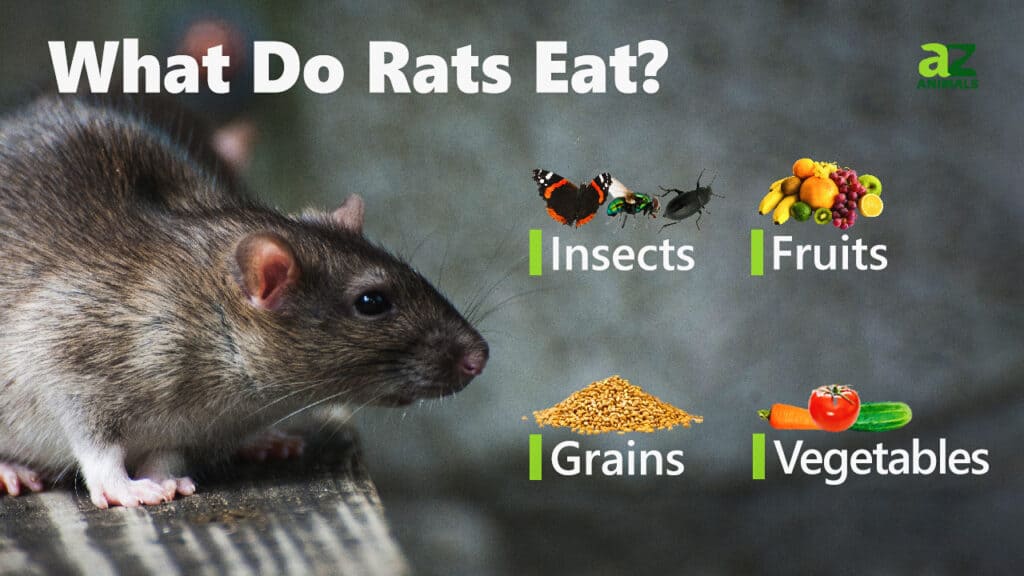
- Waste as a Food Source: Restaurants, households, and businesses generate significant amounts of organic waste that provide an abundant and reliable food source for urban rat populations. Their ability to digest almost anything, from discarded food scraps to paper and even sewage, allows them to flourish in dense human settlements.
- Infrastructure Gnawing and Electrical Hazards: To access food and nesting sites within urban structures, rats relentlessly gnaw through various materials. Electrical wiring is a particular target, posing a significant fire hazard and leading to costly repairs. Damaged plumbing can result in leaks and water damage, while gnawed insulation and structural components can compromise building integrity. The Federal Bureau of Investigation (FBI) has reported that rodents cause billions of dollars in damage to electrical infrastructure annually.
- Sanitation and Disease Transmission: The presence of rats in urban areas raises serious public health concerns. Rats are known carriers of numerous diseases, including leptospirosis, hantavirus, and salmonellosis. The cost of treating these diseases, along with the broader societal impact of potential outbreaks, represents a significant public health expenditure. Furthermore, the need for enhanced sanitation services, rodent-proofing buildings, and public awareness campaigns all contribute to the financial burden of managing urban rat populations.
- Business Interruption and Reputation: For businesses, particularly those in the food service industry, the presence of rats can be catastrophic. Health code violations, temporary closures, and damage to brand reputation can lead to substantial financial losses. The cost of professional pest control services to address infestations in commercial properties is a regular operating expense for many businesses.
The cycle of waste generation fueling rat populations, which in turn damage infrastructure and pose health risks, creates a continuous and expensive loop that municipalities and businesses must manage.
Beyond the Obvious: Indirect Economic Consequences of Rat Diets
The economic impact of what wild rats eat extends beyond the direct costs of consumption and damage. There are significant indirect consequences that affect industries, public services, and even the global economy. These often unseen costs represent a substantial financial drain that is difficult to quantify but undeniably real.
The Hidden Costs of Pest Control and Prevention
The constant threat posed by rat infestations necessitates a robust and ongoing investment in pest control and prevention. This industry, while providing essential services, represents a significant expenditure for individuals, businesses, and governments.
- Professional Pest Management Services: Businesses and homeowners alike rely on professional pest control services to manage and eliminate rat populations. These services involve regular inspections, baiting programs, trapping, and exclusion techniques. The cumulative cost of these services, often ongoing, can run into thousands of dollars annually for a single property.
- Product Development and Regulation: The food industry, in particular, invests heavily in developing and implementing stringent food safety protocols and packaging solutions designed to prevent rodent access. This includes research into advanced materials, improved storage designs, and sophisticated monitoring systems. Regulatory bodies also impose significant costs by setting and enforcing standards for food production and handling, which often include strict rodent control requirements.
- Research and Development: Significant resources are allocated to research and development aimed at understanding rat behavior, improving control methods, and developing more effective and environmentally sound rodenticides. This ongoing scientific endeavor contributes to the overall economic landscape surrounding rodent management.
The continuous need for these measures highlights how the dietary habits of wild rats translate into a perpetual demand for goods and services aimed at their containment.
Impact on Public Health Budgets and Productivity Losses
The health implications of rat-borne diseases have a direct impact on public health budgets and, by extension, on the overall economy through lost productivity.
- Healthcare Expenditures: Treating diseases transmitted by rats incurs significant healthcare costs. This includes doctor visits, hospital stays, medication, and long-term care for chronic conditions that may arise from infections. Governments and insurance providers bear a substantial portion of these costs.
- Lost Workdays and Reduced Productivity: Illnesses caused by rat-borne pathogens lead to individuals missing work, resulting in lost wages for employees and reduced productivity for businesses. In severe cases, widespread outbreaks can disrupt entire communities, leading to significant economic slowdowns. The economic toll of disease outbreaks, even those not widely publicized, can be substantial.
- Psychological and Societal Costs: While difficult to quantify financially, the fear of rodent infestations and the associated health risks can impact public morale and contribute to decreased property values in heavily affected areas. This psychological impact can subtly influence economic decisions and community development.
Ultimately, the seemingly simple act of a wild rat seeking its next meal can trigger a complex chain of events with far-reaching and often substantial financial consequences. Recognizing the economic significance of their dietary habits is crucial for developing effective and sustainable strategies to coexist with these pervasive creatures. The investment in understanding and managing rodent populations is not just about hygiene or aesthetics; it is a prudent economic measure that protects resources, infrastructure, and public well-being.
aViewFromTheCave is a participant in the Amazon Services LLC Associates Program, an affiliate advertising program designed to provide a means for sites to earn advertising fees by advertising and linking to Amazon.com. Amazon, the Amazon logo, AmazonSupply, and the AmazonSupply logo are trademarks of Amazon.com, Inc. or its affiliates. As an Amazon Associate we earn affiliate commissions from qualifying purchases.