
Deciding to close a credit card account is rarely a simple “yes” or “no” decision. In the world of personal finance, every move you make with a major issuer like Chase carries weight—affecting your credit score, your reward ecosystem, and your overall financial flexibility. Whether you are looking to simplify your wallet, avoid an upcoming annual fee, or pivot your financial strategy toward a different lender, closing a Chase credit card requires a methodical approach to ensure you don’t leave money on the table or inadvertently damage your credit profile.
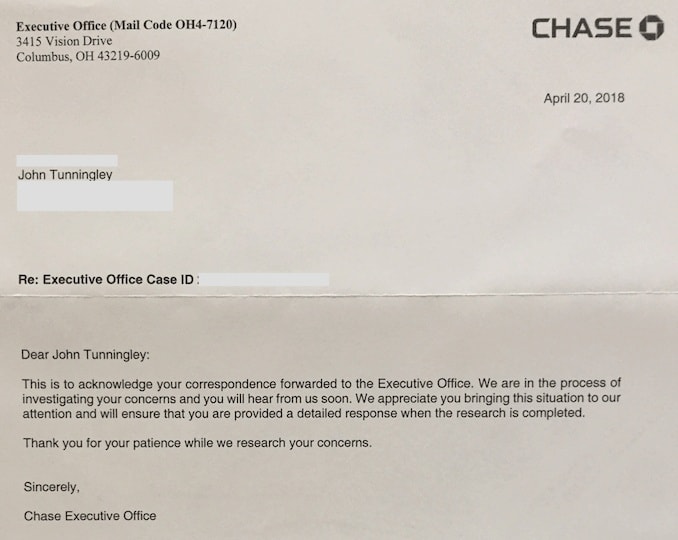
Chase is one of the most prominent credit card issuers in the world, known for its lucrative Ultimate Rewards program and high-tier travel cards like the Sapphire series. Because of the interconnected nature of their products, closing a single card can have ripple effects across your entire financial portfolio. This guide provides a comprehensive, professional analysis of how to navigate the closure process while protecting your long-term financial health.
Preparing for the Closure: Essential Financial Housekeeping
Before you pick up the phone or log into your portal, you must perform several “housekeeping” tasks. Closing an account prematurely without a plan can lead to the permanent loss of earned rewards or unexpected hits to your credit score.
Redeeming Your Rewards and Points
The most critical step in closing a Chase account is securing your rewards. If you are closing a card that earns Ultimate Rewards (UR) points—such as the Chase Sapphire Preferred® or the Chase Freedom Flex®—those points will typically vanish as soon as the account is closed.
To protect your assets, you have three primary options:
- Redeem for Cash or Gift Cards: Use the points for a statement credit or purchase gift cards before initiating the closure.
- Transfer to a Partner: If you have a premium card, transfer your points to airline or hotel partners like United MileagePlus or World of Hyatt.
- Consolidate Points: If you have another Chase card, you can use the “Combine Points” feature to move your balance to a card you intend to keep open. This is the most efficient way to preserve the value of your rewards.
Managing Outstanding Balances and Autopays
While you can technically close a credit card with an outstanding balance, it is not recommended. You will still be responsible for the debt, and interest will continue to accrue. Furthermore, having a balance on a closed account can negatively impact your debt-to-limit ratio more severely than on an open one.
Before closing, ensure your balance is zero. Equally important is auditing your “hidden” transactions: recurring subscriptions and autopays. Comb through your last three months of statements to identify Netflix subscriptions, insurance premiums, or utility bills linked to the card. Update these payment methods to a different card to avoid service interruptions or late fees.
Transferring Credit Lines to Other Chase Cards
One of the most effective strategies for mitigating credit score damage is “reallocating” your credit limit. If you have another Chase credit card, you can ask the representative to move the credit limit from the card you are closing to the one you are keeping. For example, if you are closing a card with a $10,000 limit and have another card with a $5,000 limit, you can request to move $9,500 of that limit over (Chase usually requires leaving a small amount on the closing card until the process is finished). This keeps your total available credit the same, preventing a spike in your credit utilization ratio.
How to Close Your Chase Credit Card Account
Once your rewards are safe and your balance is clear, you are ready to initiate the closure. Chase offers several channels for this, allowing you to choose the method that best fits your preference for speed or documentation.
Closing via Phone (Customer Service)
The most direct way to close your account is by calling the number on the back of your card or the general Chase customer service line at 1-800-432-3117. When you call, be prepared for a “retention” conversation. Banks do not want to lose customers, and the representative may offer you an incentive to stay—such as a statement credit or a waiver of the annual fee.
If you are firm in your decision, simply state: “I would like to close my account. I have already cleared the balance and redeemed my rewards.” Ask the representative to confirm that the account is being closed at the consumer’s request, which looks slightly better on a credit report than an account closed by the issuer.
Using the Secure Message Center (Online/App)
For those who prefer a paper trail without the pressure of a phone conversation, the Chase Secure Message Center is an excellent tool. Log into your account via the Chase website or mobile app, navigate to the “Secure Message” section, and send a request to close your specific account.
This method provides you with a written record of your request and the bank’s confirmation. It may take 24 to 48 hours for a representative to process the request, and they may still ask you to call in if there are complications, but for most standard accounts, this is a seamless “frictionless” way to terminate the relationship.
Closing via Physical Mail
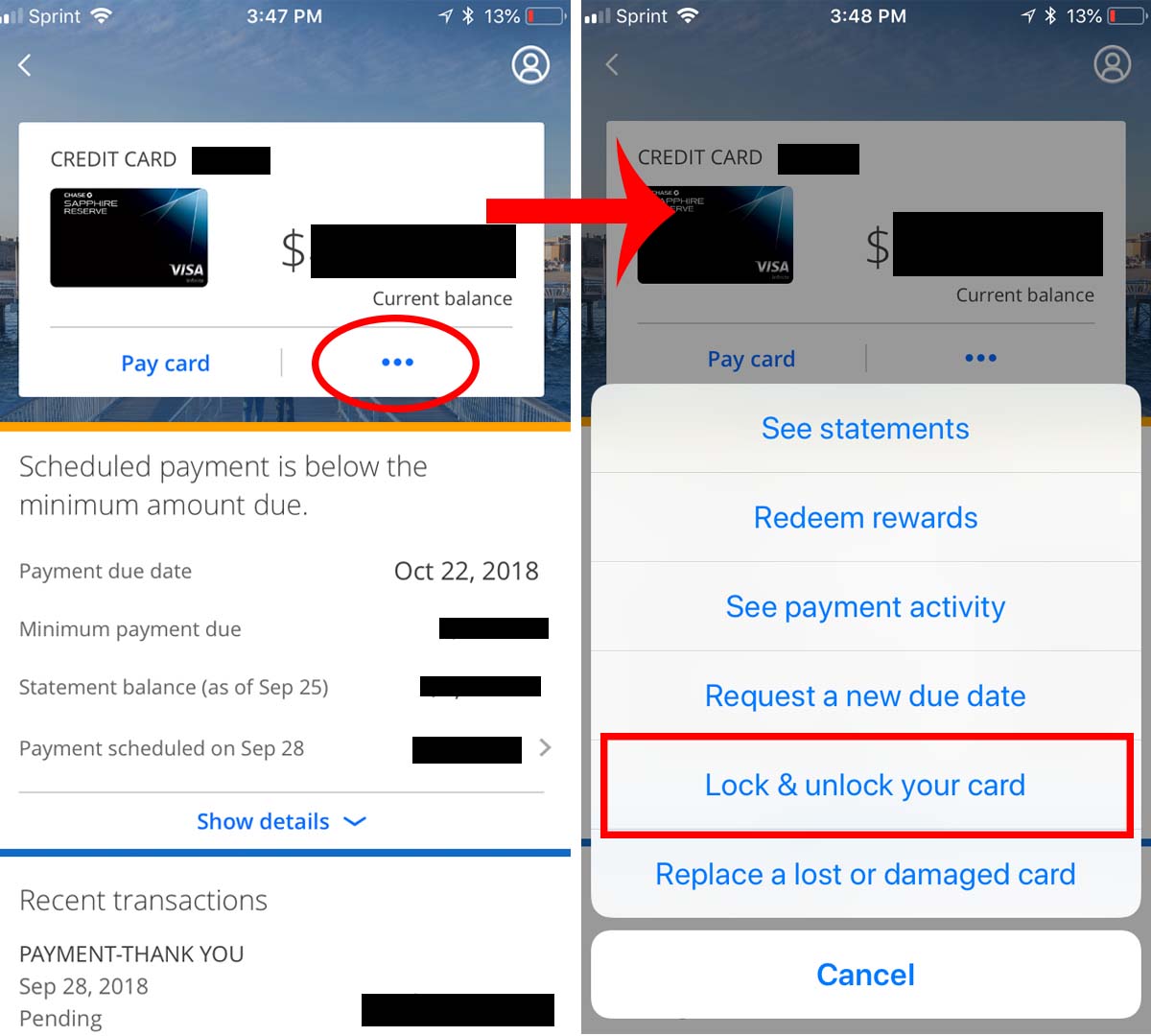
While less common in the digital age, you can close your account by sending a written request to Chase’s correspondence address (found on your billing statement). This should include your name, address, and the last four digits of the account number. While this provides the ultimate physical record, it is the slowest method and is generally only recommended if you are dealing with complex estate issues or lack access to digital tools.
Understanding the Impact on Your Credit Score
From a personal finance perspective, closing an account is not a neutral act. It has measurable consequences for your FICO score. Understanding these mechanics allows you to decide if closing the card is truly the best move.
Credit Utilization Ratio Changes
Your credit utilization ratio—the amount of credit you are using compared to your total limits—accounts for 30% of your FICO score. When you close a card, your total available credit drops. If you have balances on other cards, your utilization percentage will increase, which can cause your credit score to drop almost immediately. This is why the aforementioned strategy of transferring your credit line to another card is so vital.
Length of Credit History and Age of Accounts
The “Age of Accounts” makes up 15% of your credit score. Many people fear that closing a card will immediately shorten their credit history. However, in the FICO model, a closed account in good standing stays on your report for 10 years. While the impact isn’t immediate, ten years down the road, that account will drop off, potentially lowering the average age of your accounts. If the card you are closing is your oldest account, you should think twice before terminating it.
The Importance of Keeping Old Accounts Open
Generally, financial advisors suggest keeping your oldest, no-annual-fee cards open indefinitely. They serve as an anchor for your credit age. If the Chase card you are considering closing has no annual fee, there is often very little financial benefit to closing it. Instead, you could simply put it in a drawer and use it once every six months for a small purchase to keep it active.
Alternatives to Closing Your Chase Account
If your primary motivation for closing a card is to avoid a high annual fee, you should consider alternatives that preserve your credit history and your relationship with Chase.
The Product Change Strategy (Downgrading)
Instead of closing a card like the Chase Sapphire Reserve® (which carries a $550 annual fee), you can request a “Product Change” or a “Downgrade.” You can move the account to a no-annual-fee version, such as the Chase Freedom Unlimited®.
This is often the superior financial move because:
- You keep the same account number and credit history.
- Your credit limit remains intact, protecting your utilization ratio.
- You avoid a “hard pull” on your credit report that would come with applying for a new card.
- You preserve your relationship with the bank for future lending needs.
Requesting a Retention Offer
Before finalizing a closure, ask the representative if there are any retention offers available on your account. Banks often have targeted offers to keep high-value customers. You might be offered a $100 statement credit or a certain number of bonus points for spending a specific amount. If the offer offsets the annual fee, it might be worth keeping the card for another year while you re-evaluate your long-term strategy.
Post-Closure Steps and Final Verification
Your responsibility doesn’t end the moment the representative says “the account is closed.” There are final administrative steps to ensure the process is complete and your identity is protected.
Disposing of the Physical Card
Once the account is closed, the physical card is a security risk. If it is a plastic card, use a high-quality paper shredder or scissors to destroy the chip and the magnetic strip. If you are closing a metal card (like the Sapphire Preferred or Reserve), do not put it in a household shredder, as it will damage the machine. Instead, you can mail the card back to Chase in a secure envelope, or visit a local branch and ask them to dispose of it safely for you.
Monitoring Your Credit Report
Roughly 30 to 60 days after closing the account, check your credit report via AnnualCreditReport.com or a monitoring service. Verify that the account is listed as “Closed by Consumer.” If you see any discrepancies—such as the account being listed as open or “Closed by Grantor”—contact Chase and the credit bureaus to file a dispute.
Managing the “5/24” Rule Context
For serious personal finance enthusiasts, closing a card can sometimes be a strategic move to clear space for new applications. Chase has an internal “5/24 rule,” where they will generally not approve you for a new card if you have opened five or more cards from any issuer in the last 24 months. While closing an account doesn’t “remove” it from your 5/24 count, it helps you streamline your portfolio so you can focus on more lucrative sign-up bonuses or better-aligned financial products in the future.
By following these professional guidelines, you ensure that closing your Chase credit card is a calculated step toward better financial management, rather than a impulsive move that costs you points or credit standing. Managing your credit portfolio with intention is the hallmark of a savvy consumer.
aViewFromTheCave is a participant in the Amazon Services LLC Associates Program, an affiliate advertising program designed to provide a means for sites to earn advertising fees by advertising and linking to Amazon.com. Amazon, the Amazon logo, AmazonSupply, and the AmazonSupply logo are trademarks of Amazon.com, Inc. or its affiliates. As an Amazon Associate we earn affiliate commissions from qualifying purchases.