
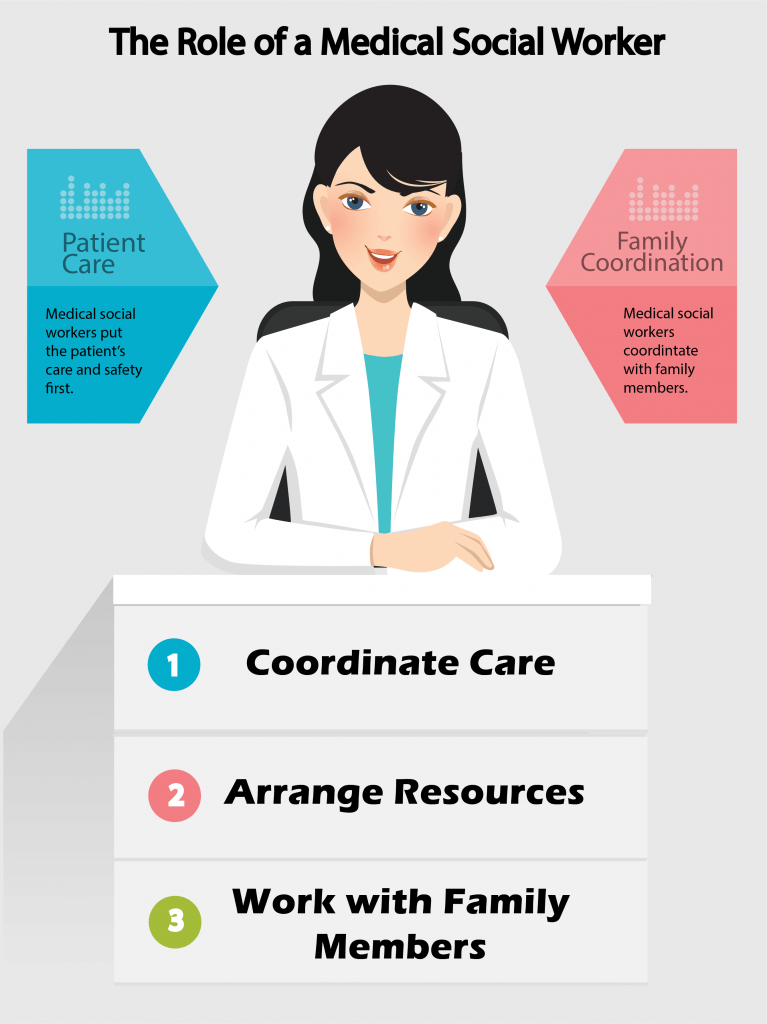
In the complex ecosystem of a hospital, where medical expertise takes center stage, another critical professional quietly ensures that patients and their families navigate not just their physical ailments, but also the emotional, social, and logistical challenges that accompany illness. This is the social worker, a vital component of the hospital’s brand identity. Beyond the sterile walls of examination rooms and the hum of advanced medical equipment, social workers embody the hospital’s commitment to holistic well-being and compassionate care. Their presence is not merely an add-on service; it is a foundational element that shapes how patients perceive their experience, how the community views the institution, and ultimately, how the hospital’s brand is cultivated and sustained. Understanding the multifaceted role of a hospital social worker is key to appreciating how they contribute to a brand that signifies trust, empathy, and comprehensive support.

The Foundation of a Caring Brand: Patient Advocacy and Support
The most visible and immediate contribution of a hospital social worker to the institution’s brand lies in their role as unwavering patient advocates. This advocacy extends far beyond simply relaying information; it involves actively championing the patient’s needs, rights, and preferences within the often-overwhelming healthcare system. By ensuring that patients feel heard, understood, and respected, social workers directly enhance the hospital’s brand as one that prioritizes individual care.
Navigating Complex Healthcare Systems
Hospitals are intricate environments with specialized departments, insurance protocols, and a constant flow of information. For patients and their families, this can be a bewildering landscape. Social workers act as crucial navigators, demystifying medical jargon, explaining treatment plans in accessible language, and clarifying the implications of diagnoses. Their ability to translate complex medical realities into understandable terms builds a bridge of trust between the patient and the healthcare institution, reinforcing the brand’s image as approachable and supportive. This is particularly important for vulnerable populations who may lack the resources or knowledge to advocate for themselves effectively. The social worker becomes the patient’s voice, ensuring their concerns are addressed and their journey through the hospital is as smooth as possible.
Addressing Emotional and Psychological Well-being
Illness often brings with it a tidal wave of emotions – fear, anxiety, grief, and depression. A hospital that acknowledges and actively addresses these psychological needs projects a brand that understands the human element of healing. Social workers are trained to provide emotional support, counseling, and crisis intervention. They create a safe space for patients and families to express their feelings, offering coping strategies and connecting them with mental health resources. This empathetic approach solidifies the hospital’s brand as one that cares not just for the body, but for the mind and spirit as well. By validating patients’ emotional experiences, social workers help to alleviate suffering and foster a sense of dignity, which are cornerstones of a positive patient experience and a reputable brand.
Ensuring Access to Necessary Resources
A significant aspect of a social worker’s role involves identifying and connecting patients with essential resources that extend beyond immediate medical treatment. This can include assistance with insurance coverage, financial aid applications, transportation to and from appointments, and access to community support services. By proactively addressing these practical needs, social workers enable patients to focus on their recovery, rather than being burdened by external stressors. This comprehensive approach to care directly enhances the hospital’s brand by demonstrating a commitment to patient well-being in its entirety. It signals that the institution is invested in the patient’s successful reintegration into their life post-discharge, thereby building long-term loyalty and positive word-of-mouth, critical for a robust brand.
The Strategic Brand Pillar: Facilitating Discharge Planning and Continuum of Care
Effective discharge planning is not merely a logistical necessity; it is a strategic imperative for any hospital aiming to build a strong brand associated with seamless transitions and ongoing patient welfare. Social workers are at the forefront of this process, ensuring that the care a patient receives doesn’t abruptly end at the hospital doors, but rather continues in a safe and supportive environment. This meticulous attention to the continuum of care significantly bolsters the hospital’s reputation.
Seamless Transitions to Post-Acute Care

The transition from hospital to home, or to another care facility, can be a period of heightened vulnerability. Social workers meticulously assess a patient’s needs upon admission and throughout their stay, developing individualized discharge plans that align with their recovery goals and living situation. This involves coordinating with external agencies, arranging for home health services, securing necessary medical equipment, and educating patients and their caregivers about post-discharge care protocols. A well-executed discharge plan reduces readmission rates and improves patient outcomes, directly contributing to the hospital’s brand as an efficient and effective provider of care, from admission to successful recovery.
Connecting Patients with Community Support Systems
The hospital’s brand extends into the community it serves. Social workers act as vital conduits, connecting patients with local resources that can support their ongoing health and well-being. This might include connecting individuals with support groups for chronic conditions, elder care services, mental health clinics, or programs that address social determinants of health such as food insecurity or housing instability. By facilitating these community connections, the hospital demonstrates a broader social responsibility and a commitment to the holistic health of the population it serves. This not only strengthens the hospital’s brand image but also fosters a sense of partnership and trust with the community, making it a preferred healthcare provider.
Empowering Patients and Families for Self-Management
A core tenet of a strong healthcare brand is empowerment. Social workers play a crucial role in empowering patients and their families to actively participate in their own care and recovery. This involves providing education on managing chronic conditions, understanding medication regimens, recognizing warning signs, and accessing ongoing support. By equipping patients with the knowledge and confidence to manage their health effectively after discharge, social workers contribute to a brand that promotes patient autonomy and long-term health outcomes. This investment in patient education signifies a commitment that goes beyond the acute care episode, building a brand associated with lasting well-being.
The Ethical Compass of the Hospital Brand: Confidentiality, Dignity, and Equity
In the realm of healthcare, trust is paramount. The hospital’s brand is inextricably linked to its ethical conduct and its commitment to treating all patients with dignity and respect. Social workers are integral to upholding these ethical standards, acting as the conscience of the institution and ensuring that care is delivered equitably and with the highest regard for patient rights.
Upholding Patient Confidentiality and Privacy
Maintaining patient confidentiality is a cornerstone of ethical healthcare practice and a critical element of a trustworthy brand. Social workers are bound by strict professional ethics and legal regulations to protect sensitive patient information. They ensure that patient records are handled with the utmost care, and that discussions about patient care are conducted in private and appropriate settings. This unwavering commitment to privacy reinforces the hospital’s brand as one that respects the trust placed in it by its patients, fostering an environment where individuals feel safe and secure receiving care.
Ensuring Dignity and Respect in All Interactions
Every patient, regardless of their background, condition, or circumstances, deserves to be treated with dignity and respect. Social workers are trained to approach every interaction with empathy, cultural sensitivity, and a non-judgmental attitude. They advocate for patients’ right to make informed decisions about their care and ensure that their cultural, religious, and personal beliefs are honored. This consistent demonstration of respect for human dignity is a powerful contributor to the hospital’s brand, creating an environment where patients feel valued and cared for as individuals, not just as medical cases.
Promoting Equity and Access to Care
A truly exceptional hospital brand is one that serves all members of its community equitably. Social workers play a vital role in identifying and addressing barriers to care that may disproportionately affect certain populations. This can include advocating for patients who face language barriers, economic disadvantages, or discrimination. By working to ensure that all patients have equal access to the services they need, social workers help to build a brand that is inclusive, just, and committed to the well-being of the entire community. This commitment to health equity is increasingly important for modern healthcare institutions seeking to build a reputation for social responsibility and broad societal impact.
In conclusion, the role of a social worker in a hospital is far more than a series of tasks; it is a strategic function that profoundly shapes the institution’s brand. Through their dedication to patient advocacy, their meticulous facilitation of discharge planning, and their unwavering commitment to ethical practice, social workers embody the qualities of compassion, trust, and comprehensive care. They are the silent architects of a positive patient experience, contributing immeasurably to a hospital’s reputation and its enduring brand identity as a place where healing and humanity go hand in hand.
aViewFromTheCave is a participant in the Amazon Services LLC Associates Program, an affiliate advertising program designed to provide a means for sites to earn advertising fees by advertising and linking to Amazon.com. Amazon, the Amazon logo, AmazonSupply, and the AmazonSupply logo are trademarks of Amazon.com, Inc. or its affiliates. As an Amazon Associate we earn affiliate commissions from qualifying purchases.