
In the contemporary financial landscape, a credit card is far more than a convenient way to pay for groceries or online subscriptions. It is a sophisticated financial instrument that, when utilized correctly, serves as a cornerstone for building a robust credit history, accessing capital, and earning tangible rewards. However, the process of applying for a credit card is often shrouded in mystery for the uninitiated, leading to unnecessary rejections or the selection of sub-optimal products. Understanding how to navigate the application process—from pre-qualification to final approval—is an essential skill in personal finance management.
Evaluating Your Financial Readiness Before Applying
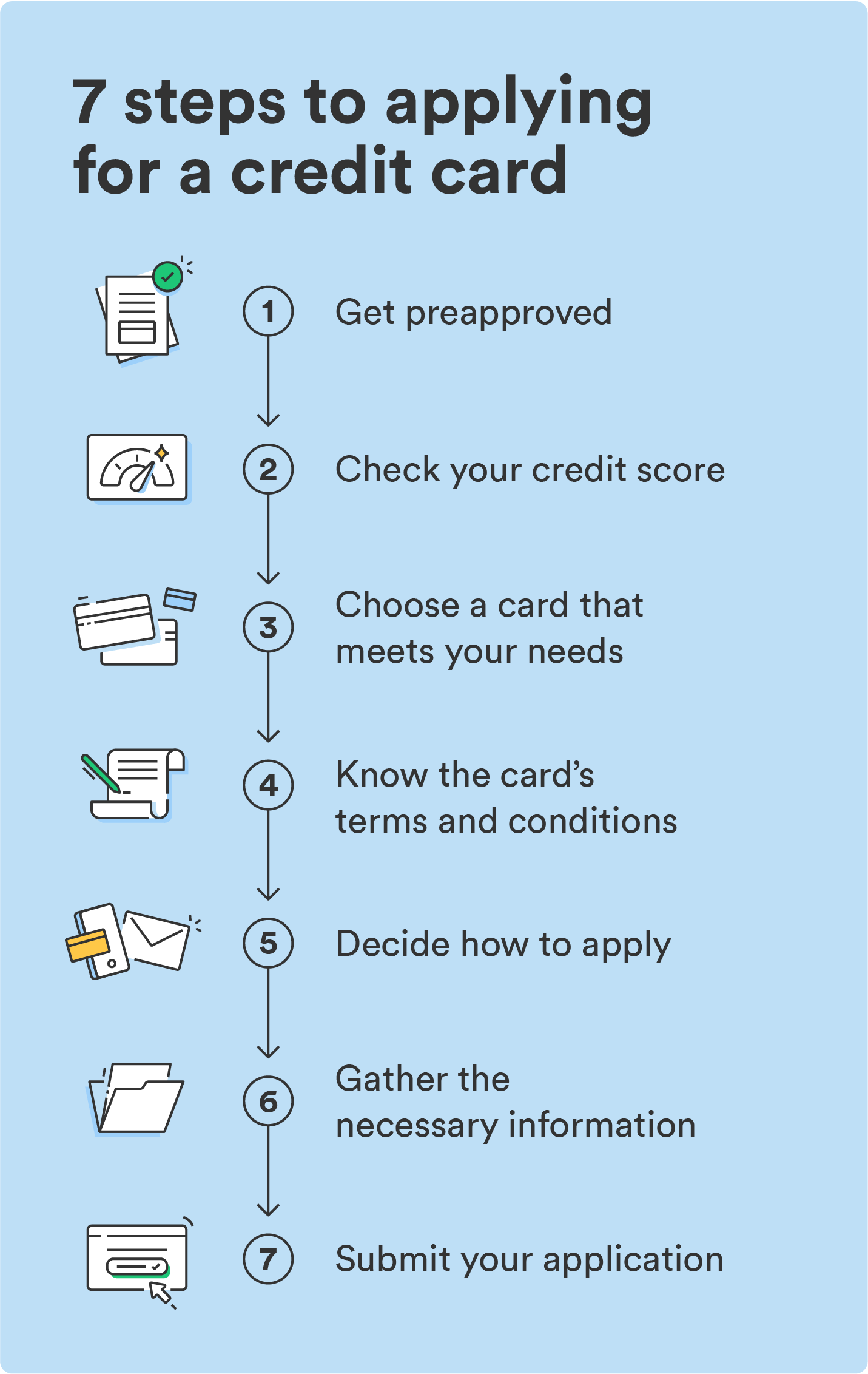
Before you even begin browsing the myriad of card offers available online, you must conduct a thorough audit of your current financial standing. Applying for credit is not a shot in the dark; it is a strategic move that requires a clear understanding of where you stand in the eyes of financial institutions.
Understanding the Role of Credit Scores
Your credit score is arguably the most critical factor in the application process. Most major lenders utilize FICO or VantageScore models to assess your creditworthiness. Scores typically range from 300 to 850. If your score is in the “Excellent” range (740+), you will likely qualify for the best rewards cards and lowest interest rates. If you are in the “Fair” or “Poor” range, your focus should be on “rebuilder” or “secured” cards. Before applying, obtain a free copy of your credit report from the major bureaus—Equifax, Experian, and TransUnion—to ensure there are no errors that could negatively impact your application.
Analyzing Your Debt-to-Income Ratio
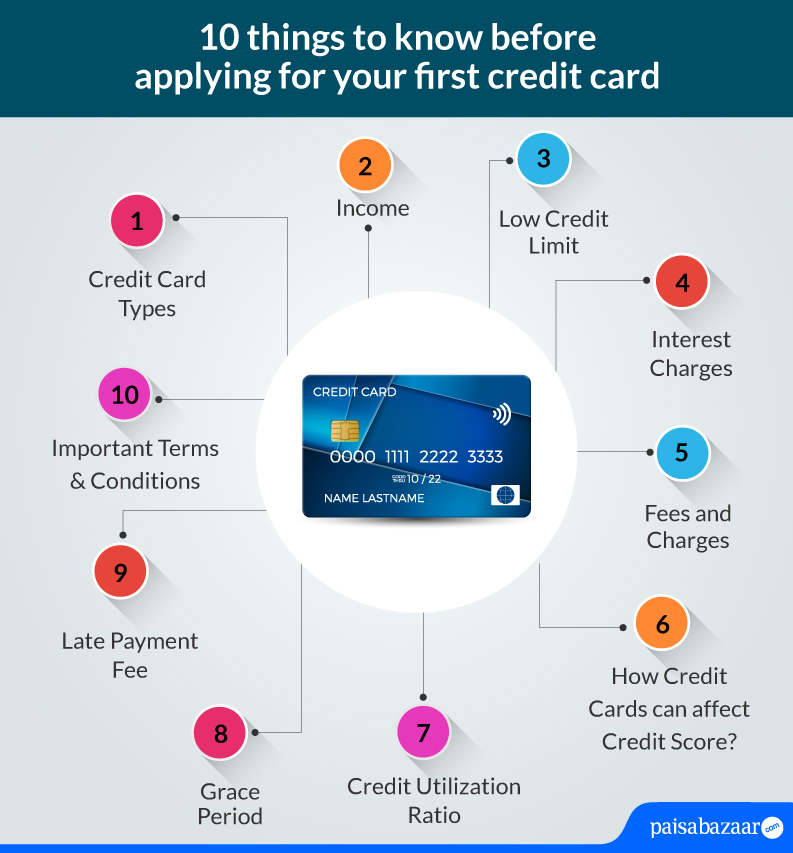
Lenders do not just look at your score; they look at your ability to repay. Your Debt-to-Income (DTI) ratio is a calculation of your monthly debt payments divided by your gross monthly income. A high DTI suggests to a lender that you may be overleveraged, even if you have a decent credit score. When you fill out an application, you will be asked for your annual income. It is important to be accurate and include all legal sources of income, as this figure directly influences your approved credit limit.
Navigating the Landscape of Credit Card Options
Once you have assessed your financial health, the next step is to match your profile with the right product. The market is saturated with options, each designed for specific consumer behaviors and financial goals. Selecting the wrong type of card can lead to missed opportunities for savings or, worse, a decline that temporarily lowers your credit score.
Rewards vs. Low Interest: Defining Your Goals
Every applicant should have a primary objective. Are you looking to earn 5% back on gas and groceries? Are you planning a major purchase and need a 0% introductory APR (Annual Percentage Rate) to avoid interest for 15 months? Or are you a frequent traveler looking for lounge access and airline miles?
- Cash Back Cards: Best for those who want straightforward value on daily spending.
- Travel Cards: Ideal for those who can leverage points for high-value flights and hotels.
- Low-Interest Cards: Essential for individuals who may need to carry a balance from month to month.
Secured vs. Unsecured Cards for Building Credit
For those with limited credit history or a history of financial missteps, an “unsecured” card (where the lender extends credit based on trust) might be out of reach. In this scenario, a Secured Credit Card is the most effective tool. This requires a refundable security deposit that usually serves as your credit limit. It acts as training wheels for the financial system, allowing you to build a positive payment history that eventually leads to an upgrade to a standard card.
The Step-by-Step Application Process
The actual application process has become incredibly streamlined thanks to digital banking. What used to take weeks of mail correspondence now takes minutes. However, the speed of the digital age should not lead to carelessness.
Essential Documentation and Personal Information
When you click “Apply Now,” have your documentation ready. You will typically need to provide:
- Full Legal Name and Social Security Number: This is required for the lender to perform a “Hard Inquiry” on your credit report.
- Contact Information: Physical address (not a P.O. Box) and a valid email.
- Financial Data: Gross annual income and monthly housing payment (rent or mortgage).
- Employment Status: Whether you are full-time, part-time, self-employed, or a student.
Interpreting the Terms and Conditions (The Fine Print)
Before submitting, you must review the “Schumer Box.” This is a standardized table required by law that discloses the card’s rates and fees. Pay close attention to the Variable APR for purchases, the Annual Fee, and Foreign Transaction Fees. If you plan on using the card abroad, a 3% foreign transaction fee can quickly erase any rewards you earn. Insightful applicants also look for “Penalty APRs,” which can skyrocket your interest rate if you make a single late payment.
Optimizing Your Chances of Approval
A credit card application is a formal request for a loan. To increase your odds of success, you should treat it with the same level of preparation as a mortgage or car loan application.
Timing Your Application Strategically
Credit applications result in a “hard pull,” which can shave a few points off your credit score. Therefore, it is unwise to apply for multiple cards in a short window. Space out your applications by at least six months. This shows lenders that you are not “credit hungry” or in a state of financial desperation. Furthermore, if you have recently opened a new bank account or taken out a personal loan, wait for your score to stabilize before applying for new plastic.
Pre-Approval Tools and Soft Credit Inquiries
Many major issuers now offer “Pre-Approval” or “Pre-Qualification” tools on their websites. These tools use a “soft pull,” which does not affect your credit score. While pre-approval is not a 100% guarantee of final approval, it provides a very strong indication of your likelihood of success. Utilizing these tools allows you to “shop around” for the best terms without damaging the very credit score you are trying to use.
Managing Your New Financial Tool for Long-Term Growth
Approval is not the end of the journey; it is the beginning of a new phase of financial management. The way you handle your first few months of ownership will dictate your future relationship with the lender and your overall credit health.
Establishing Responsible Utilization Habits
One of the most misunderstood aspects of credit cards is the “Credit Utilization Ratio.” This is the percentage of your total available credit that you are currently using. To maintain a high credit score, financial experts recommend keeping this ratio below 30%. For example, if your new card has a $1,000 limit, try not to let your reported balance exceed $300. Paying your balance in full every month is the single most effective way to use a credit card as a financial tool rather than a debt trap.

Leveraging Credit for Future Wealth Building
The ultimate goal of applying for a credit card is to build a profile that allows for future wealth-building opportunities. A disciplined history of credit card use leads to higher credit limits and lower interest rates on significant life milestones, such as buying a home or starting a business. By treating your credit card as a high-precision financial instrument—utilizing it for its rewards and security features while avoiding interest charges—you transform a simple application into a powerful catalyst for long-term financial prosperity.
In conclusion, applying for a credit card is a process that requires a blend of self-assessment, market research, and meticulous attention to detail. By understanding your score, choosing the right product for your niche needs, and managing the account with discipline, you turn the “how” of the application into a “why” for your financial future. Whether you are a student getting your first card or a seasoned professional optimizing a rewards portfolio, the principles of strategic application remain the same: be prepared, stay informed, and always read the fine print.
aViewFromTheCave is a participant in the Amazon Services LLC Associates Program, an affiliate advertising program designed to provide a means for sites to earn advertising fees by advertising and linking to Amazon.com. Amazon, the Amazon logo, AmazonSupply, and the AmazonSupply logo are trademarks of Amazon.com, Inc. or its affiliates. As an Amazon Associate we earn affiliate commissions from qualifying purchases.