
The question “What does a crown look like on a tooth?” might seem straightforward, evoking images of gleaming, perfectly formed tooth replacements. However, the reality is far more nuanced, deeply intertwined with advanced materials science, sophisticated digital design, and precise manufacturing techniques – all hallmarks of the technological advancements shaping modern dentistry. Far from being a mere cosmetic overlay, a dental crown is a complex piece of bio-compatible engineering designed to restore the form, function, and natural appearance of a damaged or weakened tooth. Understanding what a crown looks like is, therefore, a journey into the intersection of dental health and cutting-edge technology.

Historically, dental crowns were often made from opaque materials like gold or porcelain fused to metal, which, while durable, could sometimes present a stark contrast to natural dentition. Today, however, the technological revolution in dentistry has ushered in an era where crowns can be virtually indistinguishable from healthy, natural teeth. This transformation is driven by innovations in material science, digital imaging, and CAD/CAM (Computer-Aided Design/Computer-Aided Manufacturing) technology, all of which contribute to the aesthetic and functional perfection of modern dental restorations.
The Technological Palette: Materials Driving Crown Aesthetics
The “look” of a dental crown is fundamentally determined by the materials used in its fabrication. While durability and biocompatibility are paramount, the visual characteristics – translucency, opacity, color, and surface texture – are increasingly optimized through technological advancements. The evolution from older, less aesthetically pleasing materials to the sophisticated options available today directly reflects the progress in material science and manufacturing.
Porcelain and Ceramic Innovations
Porcelain and ceramic materials have become the gold standard for achieving natural-looking dental crowns. Their inherent properties closely mimic the appearance of natural tooth enamel and dentin.
- All-Ceramic Crowns: These are perhaps the most aesthetically pleasing options. Materials like lithium disilicate (e.g., E.max) and zirconia are at the forefront. Lithium disilicate offers excellent translucency, allowing light to pass through it in a way that closely replicates natural tooth structure. This results in a crown that has depth and a subtle luminosity, avoiding the flat, opaque look sometimes associated with older porcelain materials. Zirconia, while traditionally more opaque, has seen significant advancements. Modern, highly translucent zirconia can be layered with aesthetic porcelain or even used in monolithic (single-piece) forms with improved translucency, achieving remarkable lifelike appearances.
- Porcelain-Fused-to-Metal (PFM) Crowns: While still a viable option, PFM crowns have a metal substructure beneath a layer of porcelain. This metal core can sometimes prevent light from passing through, leading to a less translucent and more opaque appearance, especially at the gum line. In some cases, a dark line of metal may become visible at the gum line over time. However, advancements in PFM technology have led to improved porcelain formulations and techniques to minimize this effect, but they generally still fall short of the aesthetic potential of full ceramic options.
The technology involved in creating these ceramic materials is complex. It involves precise control over chemical composition, firing temperatures, and microstructural engineering to achieve the desired balance of strength, durability, and lifelike appearance. The development of different shades and opacities within these materials allows dentists and lab technicians to match the crown precisely to the patient’s existing teeth, considering variations in color, translucency, and even subtle imperfections that contribute to natural beauty.
The Role of CAD/CAM in Precision and Personalization
The advent of Computer-Aided Design (CAD) and Computer-Aided Manufacturing (CAM) has revolutionized the creation of dental crowns, directly impacting their look and fit. This digital workflow replaces traditional manual methods with highly precise, technology-driven processes.
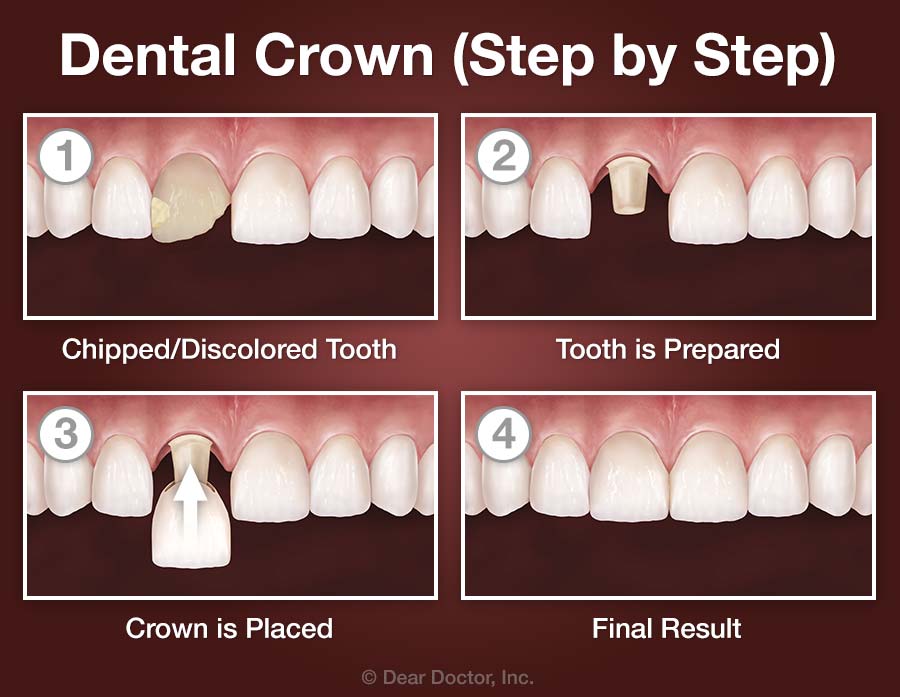
- Digital Impressions: Instead of messy alginate impressions, dentists can now use intraoral scanners. These devices capture highly accurate, 3D digital models of the patient’s teeth and gums. This data is incredibly detailed, allowing for precise measurements and visualization of the intended crown’s preparation. The accuracy of the digital impression directly translates to a superior fit, which is crucial for both function and aesthetics.
- CAD Software: The digital impression data is fed into specialized CAD software. Here, a dental technician or dentist can design the crown virtually. They can meticulously craft the crown’s shape, size, contours, and occlusion (how it bites with opposing teeth). The software allows for fine-tuning of surface texture, marginal integrity, and the precise layering of different ceramic materials if needed. This level of digital control ensures that the crown will not only look natural but also function harmoniously with the patient’s bite.
- CAM Fabrication: Once the design is finalized, the digital file is sent to a CAM milling unit or a 3D printer. Milling units use high-speed drills to carve the crown from a solid block of ceramic material. 3D printing, an emerging technology in dentistry, uses light to selectively cure liquid resin or powder to build the crown layer by layer. Both processes ensure remarkable precision, replicating the digital design with micron-level accuracy. This meticulous fabrication process guarantees a crown that fits seamlessly, has ideal contours, and exhibits a surface finish that enhances its natural appearance.
The integration of CAD/CAM technology means that each crown is essentially custom-designed and custom-manufactured for the individual patient. This personalization is key to achieving an undetectable restoration, where the crown blends perfectly with the surrounding teeth.
The Visual Impact: How Crowns Blend with Natural Dentition
The ultimate test of a dental crown’s aesthetic success is how well it integrates with the patient’s natural smile. Modern technological approaches prioritize not just functionality but also the invisible integration of the restoration.
Color Matching and Translucency: The Art and Science
Achieving a perfect color match is a critical step in creating a natural-looking crown. This involves a sophisticated interplay of science and artistic observation, aided by technological tools.
- Shade Guides and Spectrophotometers: Dentists use highly standardized shade guides featuring various tooth colors and translucencies. Advanced spectrophotometers, electronic devices that measure light absorption and reflection, can provide objective color data, aiding in precise shade selection. These tools help capture the subtle nuances of natural tooth color, which is not a uniform shade but rather a gradient of hues and opacities.
- Layering Techniques: For highly aesthetic restorations, especially with materials like zirconia and porcelain, layering is employed. This involves applying different shades and translucencies of ceramic powder or paste in multiple layers, mimicking the natural structure of enamel and dentin. The innermost layer might be more opaque to mask the underlying tooth structure or abutment, while outer layers are progressively more translucent to replicate the natural light-play of enamel. This meticulous layering process, guided by digital design and executed with precision, is what gives a crown its lifelike depth and vitality.
- Glazing and Polishing: The final surface treatment of a crown is crucial. A high-gloss glaze mimics the smooth, reflective surface of natural enamel. Micro-abrasions or texturing, if necessary, are done with precision to replicate natural tooth surfaces. The degree of polish affects how light reflects off the crown, influencing its perceived brightness and interaction with surrounding teeth. Technology ensures that these finishing processes are consistent and reproduceable.
Marginal Integrity and Gum Health: The Foundation of a Seamless Look
The appearance of a crown is also significantly influenced by its fit at the gum line and its impact on gum health. Technology plays a vital role in ensuring both.
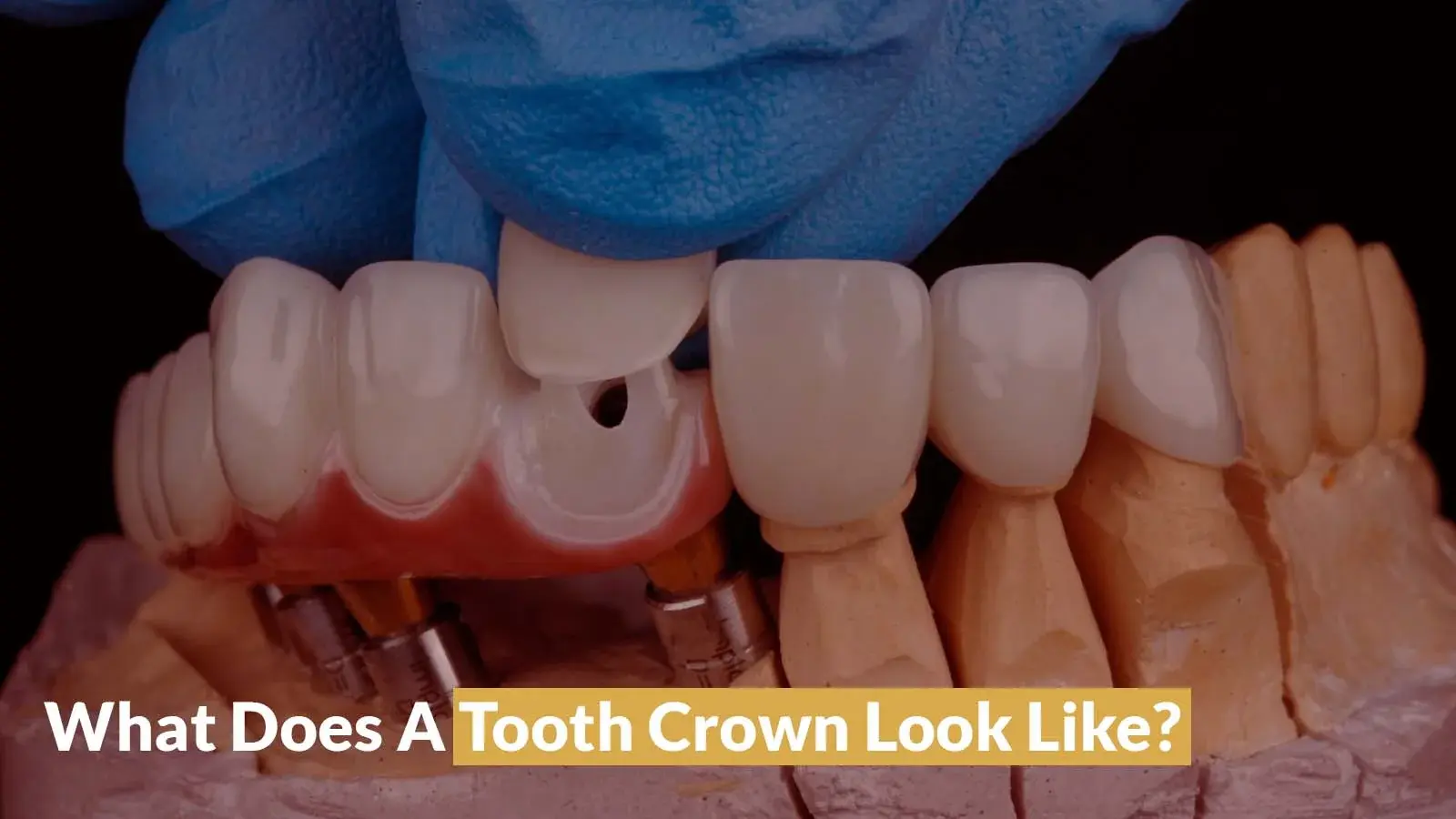
- Precise Fit at the Margin: The “margin” is the edge where the crown meets the natural tooth. CAD/CAM technology enables the fabrication of crowns with incredibly precise margins, ensuring a tight seal that prevents leakage of bacteria or food particles. A well-fitting margin is critical for preventing decay under the crown and for maintaining the natural contour of the gum line. A crown that fits poorly at the margin can lead to the appearance of dark lines or spaces, detracting from its natural look.
- Biocompatible Materials and Gum Response: Modern dental materials are designed to be biocompatible, meaning they are well-tolerated by the body’s tissues. This is crucial for the health of the gums surrounding the crown. Healthy gums are typically pink and firm, contributing to the overall aesthetic appeal of a smile. Materials like zirconia and high-quality ceramics are known for their excellent biocompatibility, minimizing the risk of inflammation or recession that could expose the margin of the crown and compromise its appearance.
- Digital Simulation of Gum Line: In some advanced digital workflows, software can even simulate how the gum line will appear in relation to the crown, allowing for adjustments to be made before fabrication to ensure an optimal aesthetic outcome, especially in cases where the gum line is visible when smiling.
In essence, a modern dental crown looks like a perfectly sculpted, naturally colored, and flawlessly integrated part of your smile. It is not a foreign object but a seamless extension of your own dentition, made possible by the sophisticated application of technology in material science, digital design, and precision manufacturing. The “look” is one of natural beauty, restored function, and complete integration.
aViewFromTheCave is a participant in the Amazon Services LLC Associates Program, an affiliate advertising program designed to provide a means for sites to earn advertising fees by advertising and linking to Amazon.com. Amazon, the Amazon logo, AmazonSupply, and the AmazonSupply logo are trademarks of Amazon.com, Inc. or its affiliates. As an Amazon Associate we earn affiliate commissions from qualifying purchases.