
The number 13 often evokes a sense of mystery, superstition, and a touch of the forbidden. While many cultures associate it with bad luck, its meaning in the realm of tattoos is far more nuanced and personal. Beyond simple superstition, 13 can represent a spectrum of concepts, from defiance and rebellion to spiritual awakening and profound personal experiences. Understanding the multifaceted symbolism behind this number within the tattoo community reveals a rich tapestry of individual narratives and shared cultural interpretations.
The Ubiquitous Superstition: Bad Luck and the Triskaidekaphobia
For a significant portion of the global population, the number 13 is indelibly linked to misfortune. This pervasive superstition, known as triskaidekaphobia, has deep historical and cultural roots, influencing everything from building floor numbering to seating arrangements at dinner parties. Within the tattoo art context, this widespread fear can manifest in several ways.

Historical Origins of the Unlucky 13
The fear of 13 can be traced back to various ancient traditions and events. In Norse mythology, a banquet of 12 gods was disrupted by the uninvited 13th guest, Loki, leading to the death of Baldur. The Last Supper, with Jesus and his 12 disciples, also featured 13 individuals, with the 13th, Judas, being the betrayer. These narratives, deeply embedded in Western culture, have contributed to the number’s negative connotations.
Triskaidekaphobia in Modern Society
The persistence of triskaidekaphobia is evident in modern life. Many hotels omit the 13th floor, and some airlines avoid row 13. This ingrained societal aversion can shape how individuals perceive and choose to represent the number 13 in their tattoos. For some, a 13 tattoo might be a deliberate act of rebellion against these superstitions, a way to reclaim power over perceived bad luck. It can be a bold statement of individuality and a refusal to be dictated by unfounded fears.
The Tattoo as a Challenge to Convention
For individuals who choose to tattoo the number 13, it can be a powerful symbol of defiance. It represents a rejection of societal norms and a willingness to embrace the unconventional. This can extend to a broader embrace of the “outsider” status, those who feel they don’t fit neatly into established societal boxes. The tattoo becomes a visible testament to their independent spirit and their ability to chart their own course, unburdened by popular anxieties.
The Counter-Narrative: 13 as a Symbol of Fortune, Power, and Transformation
Paradoxically, while widely feared, the number 13 also holds significant positive symbolism in various cultures and spiritual traditions. This duality allows those who choose to tattoo it to imbue it with meanings that are empowering, transformative, and even fortunate.
Ancient Civilizations and the Sacred 13
In ancient Egypt, for instance, the number 13 was associated with the afterlife and eternal life, with the soul undergoing 13 stages to reach immortality. Mesoamerican cultures, such as the Maya and Aztec, revered the number 13, incorporating it into their calendars and cosmology. The Mayan calendar, for example, featured a 13-day cycle, and there were 13 layers of heaven. This sacred association lends the number a profound spiritual weight, suggesting an connection to higher realms or cosmic order.
The Lunar Cycle and Feminine Power
The lunar cycle, a fundamental element in many ancient spiritual practices and folklore, is often linked to the number 13. A solar year contains approximately 13 lunar cycles. This connection has led to 13 being associated with the divine feminine, intuition, cycles of change, and the ebb and flow of life. For many women, a 13 tattoo can be a powerful affirmation of their connection to these energies, their own inner wisdom, and the transformative power of natural cycles.
Personal Breakthroughs and Transformation
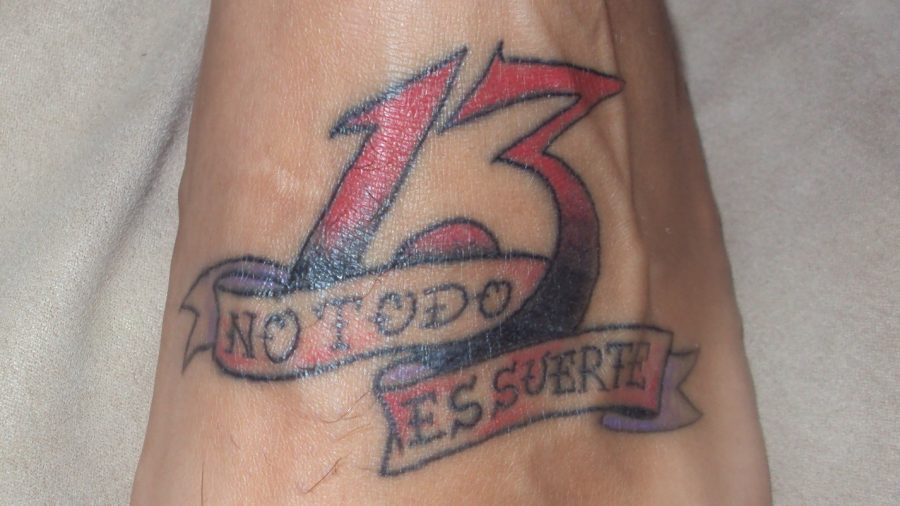
Beyond cultural interpretations, the number 13 often carries deep personal significance for individuals. It can mark a turning point, a moment of profound change, or a significant life event that has reshaped their perspective. This could be overcoming a major obstacle, a spiritual awakening, or the start of a new, life-altering chapter. In these instances, the 13 tattoo serves as a permanent reminder of their resilience, their growth, and their capacity for personal transformation.
Embracing the Unknown and Unconventional Wisdom
The number 13, with its inherent mystery, can also symbolize an embrace of the unknown and a pursuit of unconventional wisdom. It represents a willingness to delve into areas that are not easily understood or explained by conventional means. This can be appealing to those who are drawn to the esoteric, the mystical, or who find meaning in aspects of life that lie beyond the rational and the mundane.
The Personalization of 13 in Tattoo Art
The true power of a 13 tattoo lies not in its generalized symbolism, but in the unique and deeply personal narratives that individuals weave around it. Tattoo artists play a crucial role in translating these personal meanings into visual art, ensuring that the number 13 becomes a meaningful representation of the wearer’s journey.
The Art of Inclusion: How 13 is Depicted
Tattoo artists employ a diverse range of styles and imagery when incorporating the number 13 into their work. It can be rendered in bold, traditional block letters, or as delicate, minimalist script. It might be integrated into larger designs, such as skulls, roses, or celestial motifs, each element adding further layers of meaning. The specific font, size, and placement of the tattoo further contribute to its individual significance.
Beyond Numerals: Symbolic Representations of 13
Often, the number 13 is not depicted literally. Instead, artists might use symbols that allude to its meanings. This could include motifs like black cats (associated with bad luck in some Western cultures, but also with independence and mystery), tarot cards (the Death card, often depicted as XIII in the Rider-Waite-Smith deck, symbolizing transformation and endings), or even astronomical elements that align with lunar cycles. These symbolic representations allow for a more subtle and personal expression of the number’s significance.
Stories Etched in Ink: Personal Narratives Behind the Tattoo
The most compelling aspect of 13 tattoos is the stories they tell. A tattoo of 13 might commemorate an anniversary, a birthdate, or a significant event that occurred on the 13th of a month. It could represent a personal challenge overcome, a spiritual realization, or a connection to a loved one who embraced the number. These personal narratives transform the number from a simple numeral into a potent emblem of the wearer’s life experiences and beliefs.
The Tattoo as a Catalyst for Conversation and Connection
For many, a 13 tattoo serves as an icebreaker and an invitation for connection. It can spark conversations with others who have similar interests or who understand the deeper meanings behind the number. This shared understanding can create a sense of community and belonging, especially for those who feel a unique affinity with the symbolism of 13.

Conclusion: Reclaiming the Narrative of 13
The number 13, often shrouded in superstition, is in reality a potent symbol with a rich and varied history. In the world of tattoos, it has been reclaimed and reinterpreted, moving beyond its negative connotations to represent a spectrum of empowering meanings. Whether it signifies defiance, spiritual growth, personal transformation, or a deep connection to ancient wisdom, a 13 tattoo is a testament to the wearer’s unique journey and their ability to imbue even the most widely feared numbers with profound personal significance. The ink on their skin is not merely a mark, but a declaration of their individuality, their resilience, and their embrace of the complex and often mysterious facets of life.
aViewFromTheCave is a participant in the Amazon Services LLC Associates Program, an affiliate advertising program designed to provide a means for sites to earn advertising fees by advertising and linking to Amazon.com. Amazon, the Amazon logo, AmazonSupply, and the AmazonSupply logo are trademarks of Amazon.com, Inc. or its affiliates. As an Amazon Associate we earn affiliate commissions from qualifying purchases.