
Sciatica, characterized by pain radiating along the path of the sciatic nerve – from the lower back through the hips and buttocks and down one leg – can be a debilitating condition. While the underlying causes are diverse, ranging from herniated discs to spinal stenosis, the pathway to relief is increasingly influenced by technological advancements. Understanding which healthcare professionals are at the forefront of these innovations is crucial for effective management and recovery. This article explores the specialized doctors who are integrating cutting-edge technology into their practice to diagnose, treat, and rehabilitate individuals suffering from sciatica.
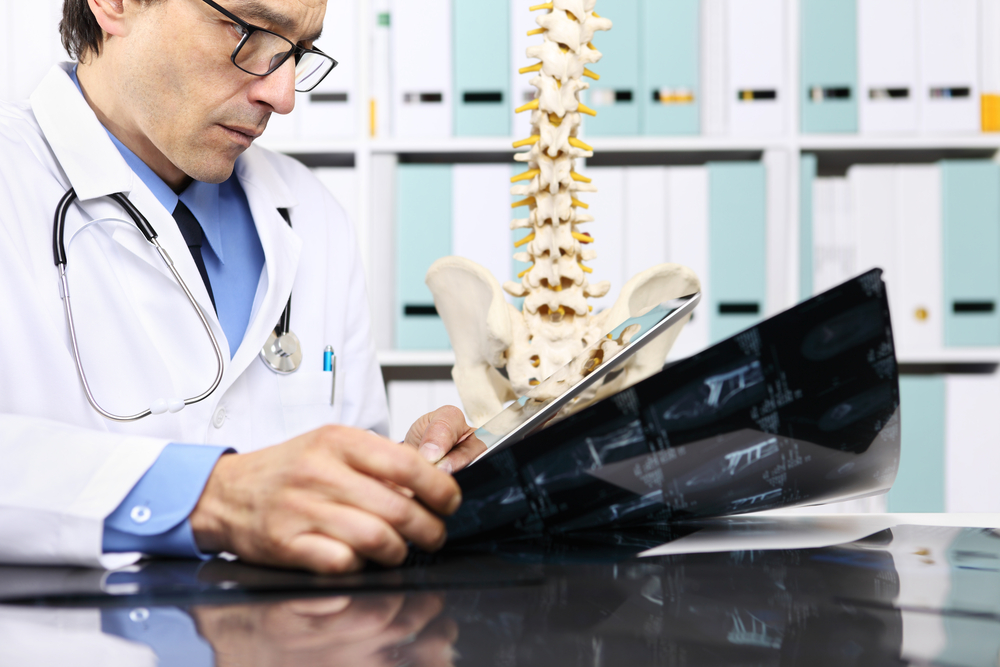
The Neurological and Musculoskeletal Nexus: Specialists in Nerve and Spine Health
The sciatic nerve is a critical component of the peripheral nervous system, and its pain often originates from issues within the spine or surrounding musculoskeletal structures. Therefore, specialists who possess deep expertise in both neurology and musculoskeletal disorders are essential. The technological advancements in diagnosing and treating conditions affecting these areas have revolutionized the field, offering less invasive and more precise interventions.
Neurologists: Decoding Nerve Function and Dysfunction with Advanced Diagnostics
Neurologists are physicians who specialize in the diagnosis and treatment of disorders of the nervous system. For sciatica, neurologists play a vital role in identifying whether nerve compression or irritation is the primary driver of the pain. Their diagnostic toolkit has been significantly enhanced by modern technology.
Advanced Imaging Techniques: Visualizing the Source of Sciatica
High-resolution imaging modalities are indispensable for neurologists in pinpointing the exact cause of sciatica.
- Magnetic Resonance Imaging (MRI): This non-invasive technique uses strong magnetic fields and radio waves to create detailed cross-sectional images of the body. For sciatica, MRI is the gold standard for visualizing soft tissues like intervertebral discs, nerves, and muscles. It can clearly depict herniated discs, pinched nerves (impingement), and inflammation. Advanced MRI sequences, such as diffusion tensor imaging (DTI), can even provide information about the integrity and direction of nerve fibers, offering a more nuanced understanding of nerve damage.
- Computed Tomography (CT) Scans: While MRI is preferred for soft tissues, CT scans utilize X-rays to produce detailed images of bone structures. They are particularly useful in identifying bony spurs, vertebral misalignment, or fractures that might be impinging on the sciatic nerve. Dual-energy CT (DECT) can differentiate between various tissue types, further aiding in diagnosis by highlighting calcifications or other bone abnormalities that MRI might not clearly show.
- Electromyography (EMG) and Nerve Conduction Studies (NCS): These electrodiagnostic tests are crucial for neurologists to assess the function of the nerves and muscles. EMG measures the electrical activity produced by skeletal muscles, while NCS evaluates how well electrical signals travel along a nerve. For sciatica, these tests can help determine the severity of nerve damage, identify which specific nerves are affected, and differentiate between nerve root compression in the spine and more distal issues along the sciatic nerve pathway. Innovations in these technologies include higher sensitivity electrodes and automated data analysis, leading to quicker and more accurate interpretations.
Neurostimulation and Neuromodulation Technologies
In cases where conservative treatments fail, neurologists may employ or refer patients for therapies involving neurostimulation.
- Spinal Cord Stimulators (SCS): For chronic, intractable sciatica pain, SCS can be an option. This technology involves implanting a device that delivers mild electrical impulses to the spinal cord, altering the pain signals reaching the brain. Advanced SCS systems offer sophisticated programming capabilities, allowing for personalized pain management and adaptability to different pain patterns.
- Peripheral Nerve Stimulators (PNS): In select cases where the sciatica pain is localized to a specific peripheral nerve branch, PNS devices can be implanted to deliver electrical stimulation directly to the affected nerve. These are often smaller and less invasive than SCS systems.
Orthopedic Surgeons and Neurosurgeons: Surgical and Interventional Expertise
When conservative treatments are insufficient, surgical intervention may be necessary to address the root cause of sciatica. Both orthopedic surgeons and neurosurgeons are highly skilled in performing these procedures, often utilizing advanced surgical technologies.
Minimally Invasive Surgical Techniques
The trend in surgical interventions for sciatica is towards minimally invasive approaches, which leverage sophisticated instrumentation and imaging guidance to reduce trauma, shorten recovery times, and minimize complications.
- Endoscopic Spine Surgery: This technique involves using a small endoscope (a thin, flexible tube with a camera) and specialized micro-instruments inserted through small incisions. The surgeon can visualize the surgical field on a monitor and precisely remove herniated disc material or bone spurs that are compressing the sciatic nerve. Robotic-assisted endoscopic surgery further enhances precision and control.
- Microdiscectomy: A cornerstone of surgical treatment for herniated discs causing sciatica, microdiscectomy uses a microscope to magnify the surgical field, allowing the surgeon to remove the portion of the herniated disc that is pressing on the nerve root. Newer iterations incorporate high-definition visualization and advanced micro-tools.
- Laminectomy and Laminotomy: These procedures involve removing or creating an opening in the lamina (part of the vertebra) to relieve pressure on the spinal cord and nerve roots. They are often performed using endoscopic or microscopic techniques for greater precision.
Image-Guided Surgery and Navigation Systems
Modern surgical suites are equipped with advanced navigation systems that integrate real-time imaging (like intraoperative CT or MRI) with surgical instruments.
- Image Guidance Systems: These systems create a 3D map of the patient’s anatomy, allowing the surgeon to track the position of their instruments with millimeter accuracy during the procedure. This is particularly valuable in complex spinal surgeries, ensuring that critical structures like nerves are protected.
- Intraoperative Fluoroscopy: This is a real-time X-ray imaging technique used during surgery to guide instrument placement and verify the effectiveness of decompression. Advanced fluoroscopy units offer higher resolution and lower radiation exposure.

The Role of Physical Therapy and Rehabilitation Technologies
Once the underlying cause of sciatica is addressed, or even as a primary treatment modality, physical therapy plays a critical role in recovery. Modern physical therapy is increasingly integrated with technology to enhance effectiveness, monitor progress, and provide personalized rehabilitation programs.
Physical Therapists: Leveraging Technology for Movement and Recovery
Physical therapists are experts in biomechanics and rehabilitation. They develop personalized exercise programs and utilize various therapeutic modalities to alleviate pain, improve function, and prevent recurrence of sciatica.
Advanced Therapeutic Modalities and Devices
The arsenal of physical therapists now includes technologies that were once considered experimental.
- Therapeutic Ultrasound: This modality uses sound waves to promote healing, reduce inflammation, and relieve pain. Newer ultrasound devices offer variable frequencies and pulse patterns for customized treatment.
- Electrical Stimulation (TENS and NMES): Transcutaneous Electrical Nerve Stimulation (TENS) can help manage pain by delivering low-voltage electrical currents through the skin. Neuromuscular Electrical Stimulation (NMES) is used to strengthen weakened muscles that may have atrophied due to disuse from sciatica.
- Laser Therapy (Low-Level Laser Therapy – LLLT): Also known as photobiomodulation, LLLT uses specific wavelengths of light to stimulate cellular repair, reduce inflammation, and alleviate pain. It is a non-invasive treatment gaining traction for musculoskeletal conditions.
Wearable Technology and Virtual Reality in Rehabilitation
The integration of wearable devices and virtual reality (VR) is transforming how physical therapists track patient progress and engage them in their recovery.
- Wearable Sensors and Motion Capture: Wearable sensors can be placed on the body to track movement, posture, and gait during exercises. This data provides objective feedback to the therapist about the patient’s performance and helps identify any deviations or compensatory movements. Advanced motion capture systems, often used in specialized clinics, provide highly detailed biomechanical analysis.
- Virtual Reality (VR) Rehabilitation: VR offers immersive environments where patients can perform therapeutic exercises in a gamified and engaging way. For sciatica, VR can be used to guide patients through specific movements, improve balance, and retrain proprioception (the body’s sense of its position in space). The interactive nature of VR can significantly enhance motivation and adherence to rehabilitation programs.
- Telehealth and Remote Monitoring Platforms: With the rise of telehealth, physical therapists can now monitor patients remotely. Patients can use connected devices or apps to perform exercises at home, and the data is transmitted to the therapist for review and adjustments. This is particularly beneficial for individuals who have difficulty traveling to appointments or live in remote areas.
The Interdisciplinary Approach: The Technologically Savvy Healthcare Team
While individual specialists are crucial, the most effective management of sciatica often involves a collaborative, interdisciplinary approach. This team-based care is further enhanced by the seamless integration of technology, facilitating communication and shared decision-making among different healthcare providers.
The Rise of Integrated Care Platforms and Health Information Exchange
The digital age has ushered in an era of interconnected healthcare, where patient data is more accessible and actionable than ever before.
Electronic Health Records (EHRs) and Interoperability
Electronic Health Records (EHRs) are digital versions of patients’ paper charts. Modern EHR systems are designed for interoperability, meaning they can securely share patient information across different healthcare systems and providers. For sciatica patients, this ensures that neurologists, orthopedic surgeons, physical therapists, and even primary care physicians have access to the most up-to-date diagnostic reports, treatment plans, and progress notes, regardless of where the patient received care. This reduces redundant testing and promotes a more cohesive treatment strategy.

AI and Machine Learning in Diagnosis and Treatment Planning
Artificial intelligence (AI) and machine learning (ML) are beginning to play a significant role in healthcare, including the management of chronic pain conditions like sciatica.
- AI-Powered Diagnostic Tools: AI algorithms can analyze medical images (like MRI scans) to identify subtle abnormalities that might be missed by the human eye, potentially leading to earlier and more accurate diagnoses of sciatica causes.
- Predictive Analytics for Treatment Outcomes: ML models can analyze vast datasets of patient information to predict which treatment approaches are most likely to be effective for an individual with sciatica, considering their specific symptoms, medical history, and imaging findings. This personalized medicine approach helps optimize treatment pathways and improve patient outcomes.
- AI-driven Rehabilitation Software: AI is also being used to develop intelligent rehabilitation software that can adapt exercise programs in real-time based on a patient’s performance, providing a more dynamic and effective recovery experience.
In conclusion, navigating the complexities of sciatica treatment in today’s world involves understanding the roles of various medical specialists who are embracing technological advancements. From the advanced diagnostic imaging used by neurologists and the precision of minimally invasive surgeries performed by orthopedic and neurosurgeons, to the innovative therapeutic and rehabilitative tools employed by physical therapists, technology is at the forefront of providing effective pain relief and restoring function. The increasing interconnectedness of healthcare through EHRs and the burgeoning potential of AI and ML further underscore that the future of sciatica management is deeply intertwined with technological innovation, making it essential to seek out practitioners who are adept at leveraging these powerful tools.
aViewFromTheCave is a participant in the Amazon Services LLC Associates Program, an affiliate advertising program designed to provide a means for sites to earn advertising fees by advertising and linking to Amazon.com. Amazon, the Amazon logo, AmazonSupply, and the AmazonSupply logo are trademarks of Amazon.com, Inc. or its affiliates. As an Amazon Associate we earn affiliate commissions from qualifying purchases.