
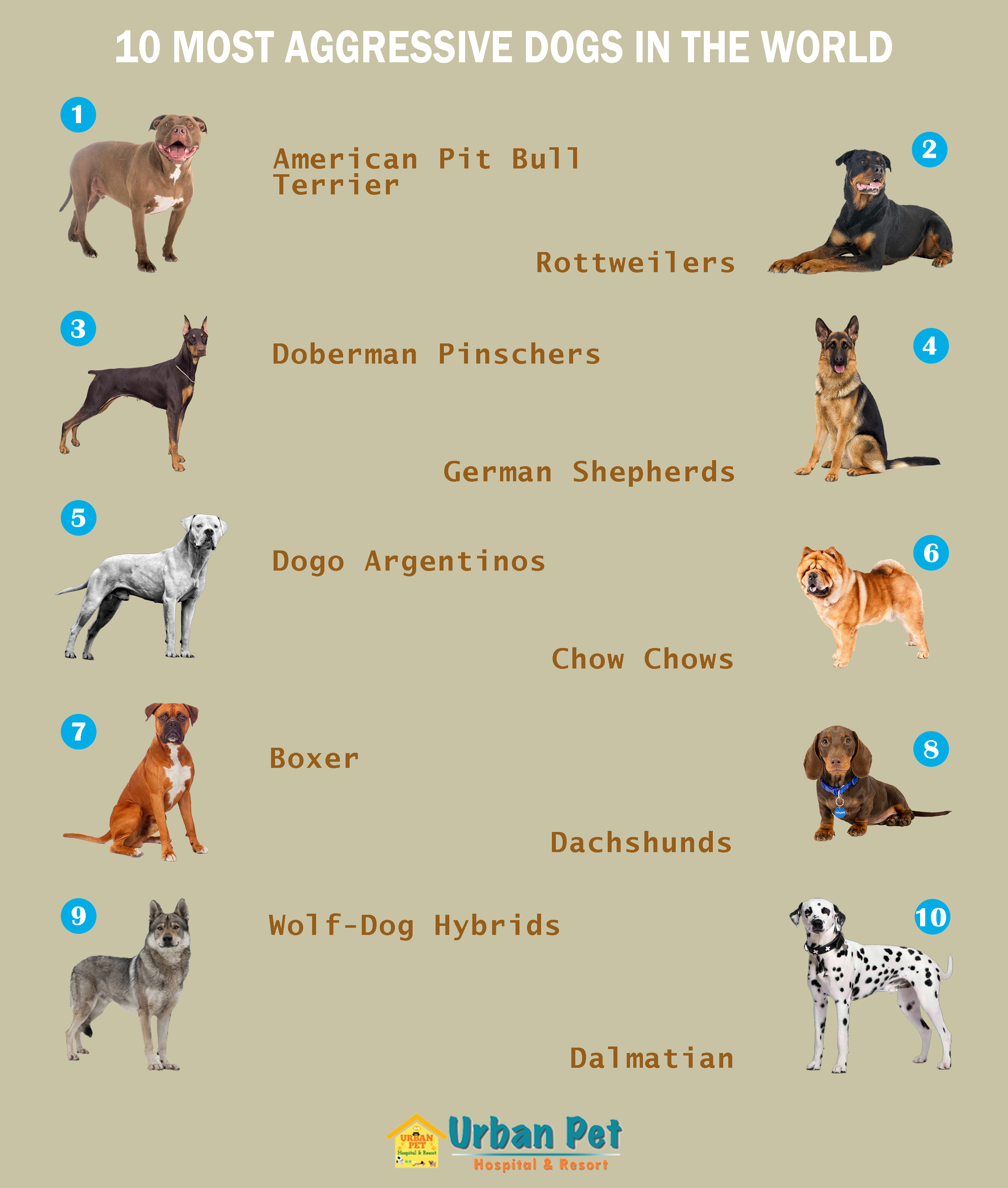
The question of “what are the most aggressive dogs” is a deeply ingrained part of human discourse surrounding canine companionship. It’s a topic often fueled by anecdotal evidence, media sensationalism, and a desire to understand and categorize the complex nature of animal behavior. While the simplistic answer often points to specific breeds, a more nuanced and technologically informed perspective reveals that aggression is not an inherent, breed-dictated trait but rather a multifaceted outcome influenced by genetics, environment, training, and individual experiences. This article will explore the concept of canine aggression through a technological lens, examining how data analytics, AI, behavioral tracking, and even virtual reality are contributing to a more sophisticated understanding of this complex issue.
Deconstructing Aggression: Beyond Breed Stereotypes with Data Analytics
The popular notion that certain breeds are inherently “aggressive” is a harmful oversimplification. For decades, breed-specific legislation and public perception have been shaped by a narrative that assigns predictable behavioral patterns to entire lineages. However, modern data analytics and sophisticated statistical modeling are beginning to dismantle these stereotypes by analyzing vast datasets of canine behavior.
The Limits of Anecdotal Evidence and the Rise of Quantitative Behavioral Analysis
Historically, our understanding of dog aggression has been largely anecdotal. A single incident involving a particular breed can be amplified by social media and news outlets, creating a disproportionate perception of risk. This is akin to judging the reliability of a software program based on one user’s isolated bug report without considering the millions of successful operations. Quantitative behavioral analysis, on the other hand, aims to move beyond isolated incidents by collecting and analyzing objective data points.
This involves using sophisticated algorithms to process information from various sources. For instance, research institutions and animal welfare organizations are increasingly leveraging machine learning to analyze video footage of dogs in different environments and social interactions. These systems can identify subtle body language cues, vocalizations, and interaction patterns that might indicate stress, fear, or potential aggression. By processing thousands of hours of such footage, researchers can begin to identify more reliable indicators of aggressive tendencies that are not solely tied to breed.
Furthermore, advancements in sensor technology are allowing for more granular data collection. Wearable devices for dogs, equipped with accelerometers, gyroscopes, and even heart rate monitors, can track a dog’s activity levels, agitation, and physiological responses in real-time. When combined with GPS data and owner-reported contextual information (e.g., interactions with other dogs or people), this data can create detailed behavioral profiles. Machine learning algorithms can then be applied to these rich datasets to identify patterns associated with stress or reactivity, offering insights that transcend simple breed classifications.
Identifying Environmental and Individual Triggers: A Machine Learning Approach
While genetics play a role in predispositions, environmental factors are paramount in the manifestation of aggression. Technology is proving invaluable in isolating and understanding these triggers. Predictive modeling, a cornerstone of machine learning, can be employed to identify correlations between specific environmental stimuli and aggressive responses.
Consider the development of AI-powered systems that analyze owner-submitted incident reports. By tagging these reports with detailed contextual information – the location, time of day, presence of other animals or people, specific objects or sounds – these systems can uncover patterns that human observation might miss. For example, an AI might detect that a particular breed, or even individual dogs within a breed, consistently exhibit heightened reactivity in the presence of specific types of vehicles or during certain weather conditions. This allows for targeted interventions and management strategies, rather than broad-brush breed-based restrictions.
Another area of technological advancement is the use of virtual reality (VR) in controlled behavioral studies. While still in its nascent stages for canine research, VR simulations can expose dogs to controlled stimuli in a safe and reproducible environment. For instance, a dog could be presented with virtual representations of other dogs, unfamiliar objects, or simulated social situations. By monitoring the dog’s physiological and behavioral responses through sophisticated tracking systems, researchers can gain a deeper understanding of their individual triggers and thresholds for aggression without the inherent risks associated with real-world exposure. This data can then be used to develop personalized training programs that address specific fears or anxieties, thereby mitigating potential aggression.
Predictive Analytics and Canine Well-being: Proactive Identification of Risk Factors
The ultimate goal of understanding canine aggression is not to label breeds, but to ensure the safety and well-being of both dogs and the people around them. Predictive analytics, powered by advanced algorithms and extensive datasets, is emerging as a crucial tool in proactively identifying dogs at risk for developing problematic aggressive behaviors.
Leveraging AI for Behavioral Profiling and Early Intervention

Artificial intelligence is transforming how we profile canine behavior. Beyond analyzing past incidents, AI systems are being developed to assess a dog’s baseline temperament and identify early warning signs of developing behavioral issues. This involves integrating data from various sources, including genetic predispositions (where available), early life experiences (e.g., socialization history), and ongoing behavioral observations.
For instance, sophisticated AI models can be trained on datasets of puppies with documented positive and negative developmental trajectories. By identifying subtle behavioral patterns in young dogs – such as excessive fearfulness, avoidance, or resource guarding tendencies – these models can flag individuals that may require early intervention. This could involve recommending specific socialization protocols, positive reinforcement training techniques, or even dietary adjustments that have been shown to impact temperament.
Furthermore, AI can be used to analyze the efficacy of different training methods. By tracking a dog’s progress and behavioral responses to various interventions, AI can help trainers and owners identify the most effective strategies for a given individual, thereby reducing the likelihood of aggression developing or escalating. This data-driven approach moves away from one-size-fits-all training advice and towards personalized, evidence-based interventions.
The Role of Digital Platforms in Community Safety and Responsible Ownership
The proliferation of digital platforms has also created new avenues for managing and understanding canine behavior within communities. Online databases, often powered by AI, are being used to track dog bite incidents, not for the purpose of punishing breeds, but for identifying geographic hotspots or recurring behavioral issues that might require community-level interventions.
These platforms can anonymize data to protect individual privacy while still providing valuable insights for local authorities and animal welfare organizations. For example, a platform might flag an increase in reported incidents involving off-leash dogs in a particular park. This information can then be used to inform public awareness campaigns about responsible pet ownership, advocate for more accessible training resources, or even guide the implementation of new signage or designated off-leash areas that promote safer interactions.
Moreover, specialized apps and online communities are emerging that connect dog owners with behavioral resources and support. These platforms can facilitate the sharing of best practices, connect owners with certified trainers, and provide access to a wealth of information curated and validated by experts. By fostering a culture of informed and responsible ownership, technology can play a significant role in mitigating the risks associated with aggressive behaviors, regardless of breed.
Ethical Considerations and the Future of Canine Behavior Technology
As technology continues to advance our understanding of canine aggression, it is crucial to address the ethical implications and ensure that these tools are used responsibly. The potential for misuse, bias in algorithms, and the dehumanization of animal welfare are all critical considerations.
Mitigating Algorithmic Bias and Ensuring Data Privacy
One of the primary ethical challenges lies in ensuring that algorithms used to assess canine behavior are free from bias. Just as AI can perpetuate societal biases in areas like facial recognition, it can also inadvertently embed biases related to breed or appearance in its analysis of canine aggression. Rigorous testing, diverse datasets, and ongoing auditing of AI systems are essential to prevent the perpetuation of harmful stereotypes.
Furthermore, the collection of sensitive behavioral data raises significant privacy concerns. Owners must be assured that their data is anonymized, securely stored, and used only for the intended purposes of improving canine welfare and community safety. Transparency in data collection and usage policies is paramount to building trust and fostering responsible engagement with these technologies.

The Human-Animal Bond in an Increasingly Digital World
Ultimately, technology is a tool. It can enhance our understanding, improve our interventions, and promote safer communities, but it cannot replace the fundamental importance of the human-animal bond. The most effective approaches to managing and mitigating canine aggression will always involve knowledgeable and compassionate human guidance.
The future of understanding canine aggression lies in a symbiotic relationship between technological innovation and human expertise. By leveraging data analytics, AI, and advanced tracking systems, we can move beyond simplistic breed classifications to develop a more nuanced, individualized, and ultimately more effective approach to ensuring the well-being of our canine companions and fostering harmonious coexistence within our communities. The question of “what are the most aggressive dogs” is evolving from a matter of breed-specific judgment to a complex scientific inquiry, driven by the power of technology to reveal the intricate tapestry of canine behavior.
aViewFromTheCave is a participant in the Amazon Services LLC Associates Program, an affiliate advertising program designed to provide a means for sites to earn advertising fees by advertising and linking to Amazon.com. Amazon, the Amazon logo, AmazonSupply, and the AmazonSupply logo are trademarks of Amazon.com, Inc. or its affiliates. As an Amazon Associate we earn affiliate commissions from qualifying purchases.