
The term “German-speaking countries” evokes images of rich history, cultural heritage, and significant economic influence. Beyond the obvious association with Germany, the linguistic and cultural landscape of German extends across several nations and regions. Understanding these territories is not merely an academic exercise; it holds tangible implications for businesses, investors, and individuals navigating the global marketplace. In a world increasingly driven by interconnectedness and specialized knowledge, identifying and comprehending the economic and technological ecosystems of these German-speaking nations offers a strategic advantage. This exploration delves into the core of what defines a German-speaking country, examining the primary nations, their shared linguistic heritage, and the distinct economic and technological characteristics that make them significant players on the global stage.

The Pillars of the German-Speaking World: Core Nations
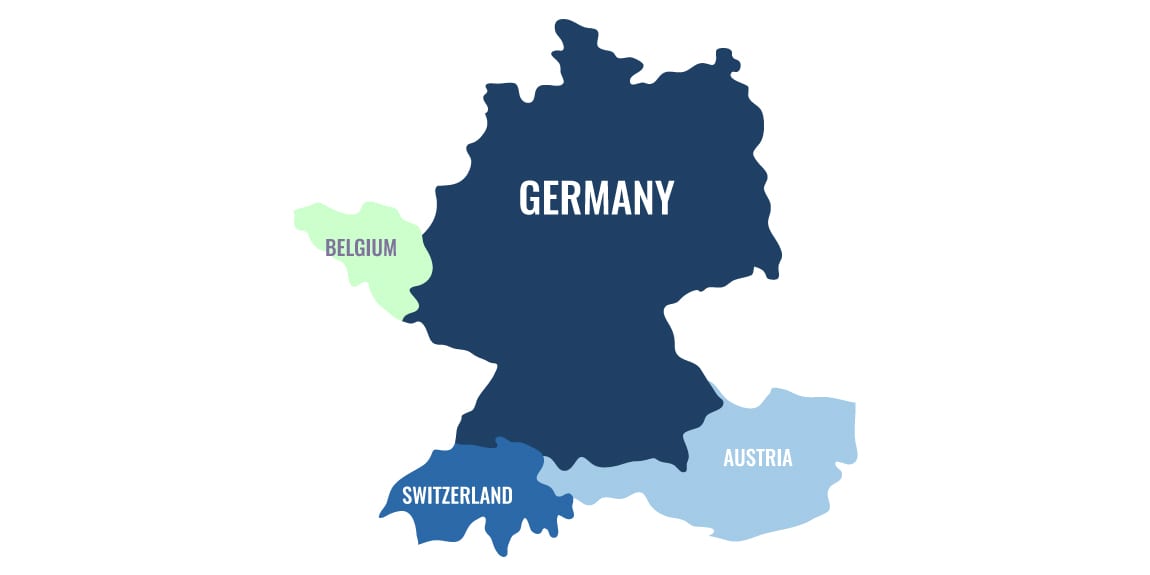
The definition of “German-speaking countries” primarily revolves around nations where German holds official status and is widely spoken by a significant portion of the population. These core countries form the bedrock of the DACH region, an abbreviation frequently used to denote Germany, Austria, and Switzerland. While there are variations in dialect and pronunciation, the standard German language serves as a unifying element across these prominent territories.
Germany: The Economic Powerhouse and Technological Innovator
Germany stands as the undisputed titan of the German-speaking world, both in terms of population and economic might. Its influence is felt across diverse sectors, from automotive manufacturing and engineering to renewable energy and cutting-edge software development. As the largest economy in Europe and the fourth-largest globally by nominal GDP, Germany is a critical hub for innovation and technological advancement.
The Engine of European Industry: Manufacturing and Engineering Excellence
German industry is renowned for its precision, quality, and relentless pursuit of efficiency. Sectors like automotive, mechanical engineering, and chemicals have long been synonymous with German expertise. Companies like Volkswagen, BMW, Siemens, and BASF are global leaders, driving innovation through substantial investment in research and development. This commitment to engineering prowess translates directly into a strong demand for advanced manufacturing technologies, automation solutions, and sophisticated industrial software. Businesses looking to tap into the lucrative German market often find success by aligning their offerings with these established strengths.
Digitalization and Industry 4.0: Germany’s Technological Frontier
Beyond traditional manufacturing, Germany is at the forefront of the digital transformation, particularly through its embrace of Industry 4.0. This concept, originating in Germany, emphasizes the integration of digital technologies, such as the Internet of Things (IoT), artificial intelligence (AI), and big data analytics, into industrial processes. The German government and its private sector have heavily invested in initiatives to foster this transition, creating a fertile ground for tech startups and established companies developing solutions in areas like smart factories, predictive maintenance, and cybersecurity for industrial systems. The country’s strong educational system, with its emphasis on STEM fields, ensures a pipeline of skilled talent crucial for driving these advancements.
Austria: Bridging Central Europe with Innovation
Austria, nestled in the heart of Europe, shares a deep linguistic and cultural heritage with Germany. While smaller in scale, Austria boasts a robust economy with a strong emphasis on specialized industries and a growing technology sector. Its strategic location and highly educated workforce make it an attractive destination for businesses seeking to engage with the Central European market.
Niche Industries and High-Value Manufacturing: Austria’s Economic Strengths
Austria has carved out a reputation for excellence in niche industries and high-value manufacturing. Sectors such as advanced machinery, environmental technology, and specialized engineering components are areas where Austrian companies often lead the global market. Furthermore, the country has a strong tradition in tourism and leisure, which often integrates innovative technological solutions for hospitality and entertainment. The focus on quality and innovation in these specialized areas fosters a demand for sophisticated technological solutions that enhance productivity, sustainability, and customer experience.
The Rise of Austrian Tech Startups: Embracing the Digital Age
While traditionally known for its industrial strengths, Austria is increasingly recognizing the potential of its burgeoning tech startup scene. Cities like Vienna and Graz are becoming hubs for innovation, with a growing number of startups focusing on areas such as FinTech, e-commerce, and software solutions. Government support programs and a strong entrepreneurial spirit are contributing to this growth, creating opportunities for collaboration and investment in the Austrian technology landscape.
Switzerland: Precision, Finance, and a Hub for Life Sciences and Technology
Switzerland, a confederation of cantons, is distinguished by its unique political structure and its status as a global leader in finance, pharmaceuticals, and high-tech industries. While spoken Swiss German dialects differ significantly from Standard German, Standard German is an official language and widely used in business and administration. The country’s stable political environment, highly skilled workforce, and commitment to research and development make it a prime location for technological innovation and investment.
The Apex of Financial Technology and Precision Engineering
Switzerland’s identity is inextricably linked to its prowess in finance and precision engineering. The banking sector, while undergoing transformation, remains a significant economic driver, fostering innovation in FinTech and digital security solutions. Simultaneously, the country’s reputation for meticulous craftsmanship extends to sectors like watchmaking, medical devices, and specialized machinery, all of which rely heavily on advanced technology and automation. This demand for precision and reliability translates into opportunities for companies offering high-quality, innovative technological solutions.
A Global Leader in Life Sciences and a Thriving Tech Ecosystem
Switzerland is a world-renowned center for life sciences and pharmaceutical research, with institutions like Roche and Novartis at the forefront of medical breakthroughs. This focus fuels a strong demand for cutting-edge biotechnological tools, sophisticated laboratory equipment, and advanced data analytics solutions. Beyond life sciences, Switzerland is actively cultivating a broader tech ecosystem, with a particular emphasis on AI, robotics, and cleantech. The country’s strong emphasis on education and its attractive business environment draw talent and investment, making it a dynamic space for technological growth.
Beyond the Core: German as a Significant Minority Language
While Germany, Austria, and Switzerland are the primary German-speaking nations, the German language plays a significant role in several other countries, often due to historical ties and established communities. In these regions, German might not be an official language nationwide but holds official status in specific areas or is spoken by substantial minority populations, influencing local economies and technology adoption.
Belgium: The German-Speaking Community in East Belgium
Belgium, a nation with three official languages, is home to a small but significant German-speaking community in its eastern provinces, bordering Germany. This region, often referred to as East Belgium or the German-speaking Community of Belgium, has its own parliament and government and actively promotes the German language and culture.
Economic Interdependence and Cross-Border Technological Exchange
The German-speaking Community of Belgium shares strong economic ties with its neighbor, Germany. This interdependence fosters cross-border collaboration in various industries, including manufacturing, agriculture, and logistics. For technology providers, this region represents a unique market that bridges Belgian and German business practices, often requiring solutions that can accommodate multilingual interfaces and comply with regulations from both countries. The proximity to major German industrial centers creates opportunities for the adoption of advanced manufacturing technologies and digital solutions.
Italy: The Autonomous Province of South Tyrol
South Tyrol, an autonomous province in northern Italy, boasts a German-speaking majority and enjoys a high degree of self-governance. This unique linguistic and cultural status has shaped its economic development and its relationship with both Italy and Austria.
Specialized Tourism, Agriculture, and Technological Integration
South Tyrol is renowned for its picturesque landscapes, attracting a significant tourism industry. This sector is increasingly leveraging technology for booking platforms, virtual tours, and smart hospitality solutions. Furthermore, the region has a strong agricultural sector, which is embracing precision farming techniques and IoT solutions for efficient resource management. The German-speaking population’s strong connection to both Italian and German business environments creates a distinct market for technological solutions that can cater to diverse cultural and operational needs.
Luxembourg: A Trilingual Economy with German as a Key Language
Luxembourg, a small but economically powerful nation, is a trilingual country where German is one of the official languages, alongside French and Luxembourgish. Its status as a major financial center and its strategic location in Western Europe make it a significant player in the European economic landscape.
FinTech Innovation and Luxembourg’s Digital Ambitions
As a global hub for finance, Luxembourg is at the forefront of FinTech innovation. German plays a crucial role in its financial services sector, facilitating communication and transactions with German-speaking clients and partners. The country is actively pursuing digital transformation across all sectors, investing in cybersecurity, cloud computing, and data analytics. This creates a robust market for technology companies that can offer secure, efficient, and multilingual digital solutions tailored to the needs of its diverse international business community.
The Economic and Technological Significance of German-Speaking Territories
Understanding the German-speaking countries is more than a linguistic exercise; it’s a strategic imperative for anyone involved in international business, technology investment, or market expansion. These nations collectively represent a significant economic force, a hub of technological innovation, and a market demanding sophisticated solutions.
A Foundation for Global Trade and Investment
The combined economic output of the core German-speaking countries – Germany, Austria, and Switzerland – positions them as major players in global trade and investment. Their robust economies, characterized by high levels of productivity, strong manufacturing bases, and advanced service sectors, offer substantial opportunities for businesses seeking to export goods, establish operations, or find investment partners. The emphasis on quality, reliability, and long-term partnerships within these cultures makes them attractive and stable markets.
Leading the Charge in Technological Advancement
The German-speaking world is not just an economic powerhouse; it is a crucible of technological innovation. From Germany’s Industry 4.0 initiatives and AI development to Switzerland’s leadership in life sciences and FinTech, and Austria’s growing startup scene, these countries are consistently pushing the boundaries of what is possible. The deep integration of technology into their industrial processes, scientific research, and business operations creates a continuous demand for new tools, software, and expertise. Companies specializing in areas such as AI, IoT, cybersecurity, advanced manufacturing, and sustainable technologies will find fertile ground for growth and collaboration within these nations.

Opportunities for Technology Providers and Investors
For technology providers, the German-speaking countries offer a discerning and technologically sophisticated market. Businesses operating in these regions typically seek high-quality, reliable, and scalable solutions. The emphasis on efficiency and innovation means that providers who can demonstrate a clear return on investment and a commitment to long-term value will be most successful. For investors, the stable economies, strong research and development capabilities, and forward-thinking governmental policies within these countries present attractive opportunities for investment in innovative tech companies and sectors poised for future growth. Understanding the nuances of each country’s economic landscape and technological focus is key to unlocking the full potential of this influential linguistic and economic bloc.
aViewFromTheCave is a participant in the Amazon Services LLC Associates Program, an affiliate advertising program designed to provide a means for sites to earn advertising fees by advertising and linking to Amazon.com. Amazon, the Amazon logo, AmazonSupply, and the AmazonSupply logo are trademarks of Amazon.com, Inc. or its affiliates. As an Amazon Associate we earn affiliate commissions from qualifying purchases.