
Navigating the landscape of American financial institutions can often lead to confusion, particularly when names and logos share a striking resemblance. One of the most common questions for consumers entering the credit market is: “What is Credit One Bank?” Frequently mistaken for Capital One due to their similar names and “swoosh” logos, Credit One Bank is a distinct entity with a very specific niche in the financial world.
Primarily known as a technology-driven financial services company, Credit One Bank is one of the fastest-growing credit card issuers in the United States. Headquartered in Las Vegas, Nevada, the bank specializes in providing credit products to individuals across the credit spectrum, with a particular emphasis on the “subprime” or “near-prime” market—those who are either building their credit from scratch or attempting to repair a damaged credit history.
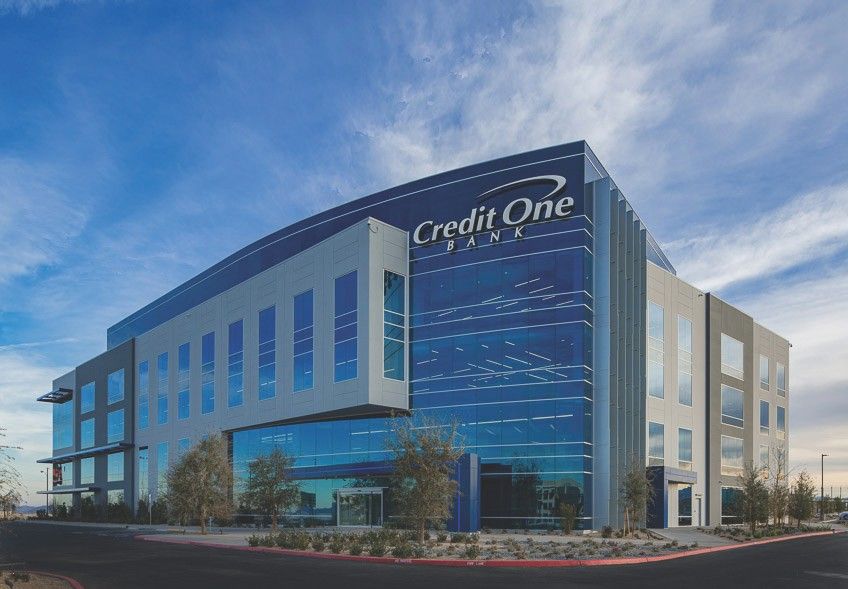
Understanding the Credit One Bank Ecosystem
To understand Credit One Bank, one must first look at its position within the broader financial industry. Unlike traditional “brick-and-mortar” banks like Chase or Bank of America, Credit One operates primarily as a monoline credit card issuer. This means their core business is centered almost exclusively around credit card products rather than mortgages, personal loans, or checking accounts.
The History and Market Positioning
Credit One Bank began its journey in 1984 as a full-service bank in San Rafael, California, but later shifted its focus to become a leader in the credit card industry. Today, it is a wholly-owned subsidiary of Credit One Financial, which is closely linked to Sherman Financial Group. This relationship is significant because Sherman Financial Group is one of the largest debt buyers and managers in the country, giving Credit One a unique perspective on risk management and consumer behavior in the subprime market.
The bank’s primary mission is to provide credit access to those who might be rejected by larger institutions. In the world of personal finance, this is a vital function. Without entry-level credit products, individuals with low FICO scores would find it nearly impossible to demonstrate creditworthiness to future lenders.
Differentiation from Capital One
It is impossible to discuss Credit One Bank without addressing the Capital One comparison. While their branding is remarkably similar, they are entirely separate companies. While Capital One offers a broad suite of banking products (including high-yield savings and cafes), Credit One Bank remains focused on the credit-building niche. For the savvy consumer, distinguishing between the two is the first step in making an informed financial decision.
Analyzing the Credit One Bank Credit Card Portfolio
Credit One Bank offers a surprisingly diverse range of credit cards, categorized by the consumer’s credit level and financial goals. For those looking to manage their money more effectively, understanding these tiers is essential.
Cards for Rebuilding Credit
The flagship products of Credit One Bank are its “Platinum” series cards. These cards are designed for individuals with “fair” to “poor” credit.
- Credit Line Increases: One of the most valuable features for someone in the “Money” niche is the opportunity for regular credit line reviews. Credit One frequently monitors accounts to offer increases, which can lower a user’s credit utilization ratio—a key factor in boosting a FICO score.
- Reporting to Major Bureaus: Credit One reports to all three major credit bureaus (Experian, Equifax, and TransUnion). This is the cornerstone of any credit-building strategy, as it ensures that positive payment behavior is documented across the board.
Rewards and Cash Back Programs
In recent years, Credit One has expanded into “Prime” offerings to compete with mainstream issuers. These cards often include:
- Cash Back Rewards: Many Credit One cards offer 1% to 5% cash back on “eligible” purchases, such as gas, groceries, and internet services.
- The Wander Card: This is the bank’s foray into the travel rewards sector, offering points for flights, hotels, and car rentals. It signals the bank’s intent to retain customers as their credit scores improve, moving them from “rebuilders” to “travelers.”
The “Pre-Qualify” Feature
From a financial management perspective, one of the most useful tools Credit One offers is their “Pre-Qualification” process. This allows potential borrowers to see which cards they might be eligible for without a “hard pull” on their credit report. In the world of personal finance, protecting one’s credit score from unnecessary inquiries is a top priority.
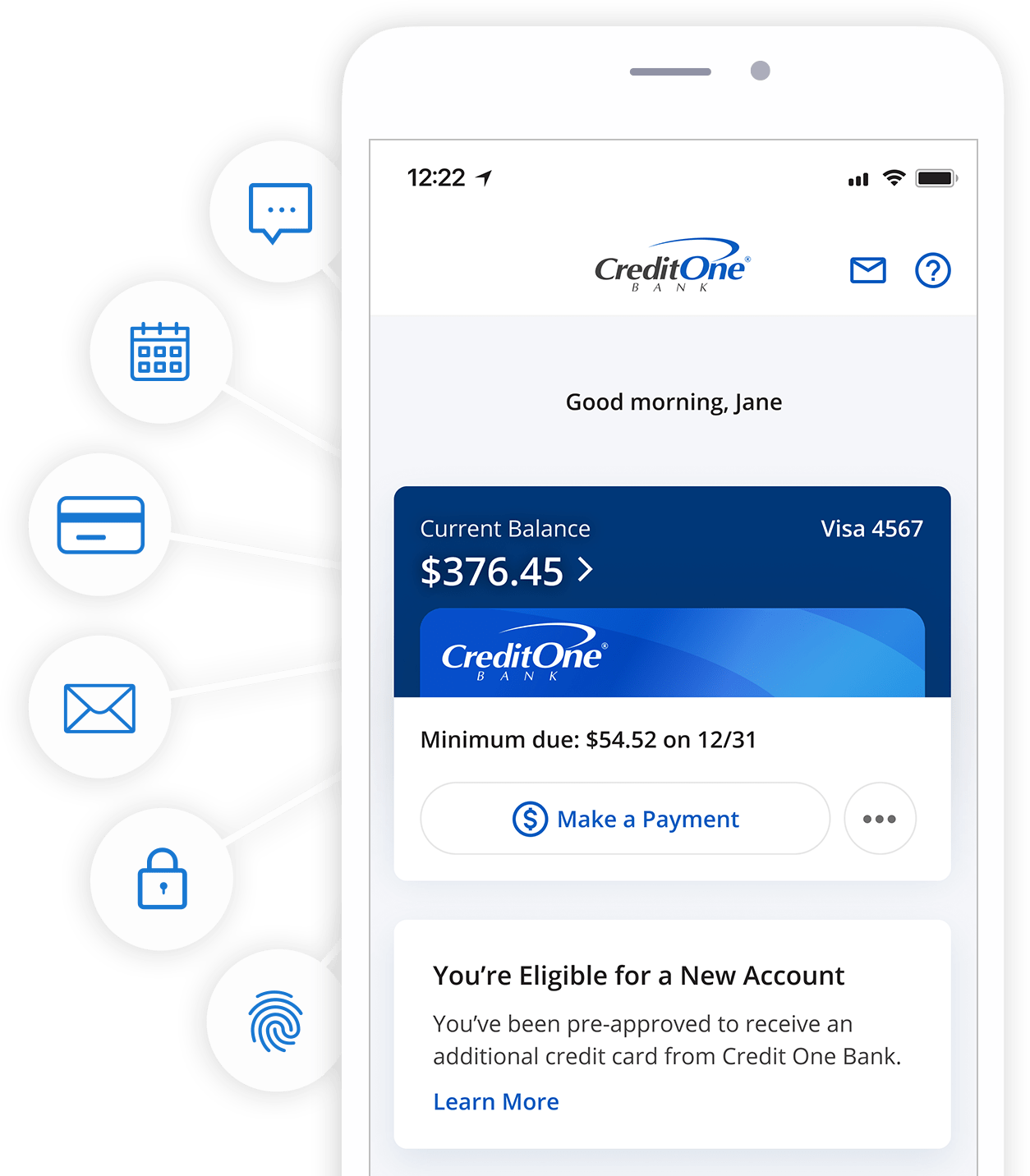
The Financial Mechanics: Fees, Rates, and Terms
When discussing any financial tool, one must look at the “cost of capital.” Credit One Bank products often come with specific terms that require a disciplined approach to money management. To use these cards effectively, a consumer must be intimately familiar with the “Schumer Box”—the standardized table of fees and interest rates.
Annual Fees and Monthly Maintenance
Because Credit One takes on higher-risk borrowers, many of their entry-level cards carry annual fees. These fees can range from $39 to $95 or more, depending on the applicant’s creditworthiness. In some cases, the fee for the first year is deducted from the initial credit limit. For example, if a card has a $300 limit and a $75 annual fee, the user starts with only $225 in available credit.
Furthermore, some older or specific card versions may charge “monthly maintenance fees” after the first year. For a personal finance enthusiast, these fees are the “price of admission” for credit repair, but they should be monitored closely to ensure the cost of the card doesn’t outweigh the benefits of the credit boost.
Interest Rates (APR)
Credit One cards typically feature higher-than-average Variable APRs. Because the bank serves a subprime demographic, the interest rates often hover between 25% and 30%. From a strategic money management standpoint, this means these cards should ideally be used for small purchases that are paid off in full every month. Carrying a balance on a Credit One card can quickly lead to high interest charges that counteract the benefits of the cash-back rewards.
The “Grace Period” Nuance
Historically, some Credit One Bank products did not offer a “grace period” on interest for new purchases. This meant interest began accruing the moment a purchase was made. However, most of their modern “Platinum” and “Rewards” cards now include a standard 24-to-30-day grace period, provided the previous balance was paid in full. It is vital for any cardholder to verify this in their specific cardholder agreement to avoid unexpected finance charges.
Strategic Credit Building with Credit One Bank
Using a Credit One card is not just about spending; it is about leveraging a financial tool to improve one’s overall net worth and financial standing. When used as part of a structured personal finance plan, these cards can be highly effective.
Optimizing Credit Utilization
Credit utilization (the amount of credit you use versus your total limit) accounts for 30% of a FICO score. Since Credit One often starts users with lower limits (e.g., $300 to $500), it is easy to accidentally over-utilize the card. A $150 grocery trip on a $300 limit results in 50% utilization, which can actually lower a credit score. Financial experts recommend keeping utilization below 10%. On a Credit One card, this might mean using the card only for a single subscription service (like Netflix) and setting up an autopay.
Developing a Payment History
The most significant benefit Credit One offers is the opportunity to build a “perfect” payment history. Payment history accounts for 35% of a credit score. By making small, regular purchases and paying the bill on time every month, a consumer can transform their financial profile over 12 to 24 months.
Graduation and Evolution
The ultimate goal of using a Credit One card is often to “graduate” to cards with lower fees and higher limits. For many, Credit One is a “stepping stone” bank. Once a user has used the card to raise their score into the 680–700 range, they may find themselves eligible for “Prime” cards from other issuers. At that point, the cardholder must decide whether the annual fee of the Credit One card is still worth the “age of credit” history it provides.

Conclusion: Is Credit One Bank Right for Your Financial Journey?
Credit One Bank occupies a necessary and functional space in the American financial ecosystem. It is a specialized tool designed for a specific purpose: providing credit access and rebuilding opportunities. While the fees and interest rates are higher than those of “Prime” banks, they reflect the risk the bank takes by lending to individuals with unproven or damaged financial backgrounds.
For the disciplined consumer, Credit One Bank offers a clear path toward financial recovery. By understanding the fee structures, managing utilization ratios, and treating the card as a credit-building instrument rather than a revolving debt tool, users can effectively navigate their way back to financial health. As with any financial tool, the key to success lies in reading the fine print and ensuring that the product aligns with your long-term wealth-building goals.
aViewFromTheCave is a participant in the Amazon Services LLC Associates Program, an affiliate advertising program designed to provide a means for sites to earn advertising fees by advertising and linking to Amazon.com. Amazon, the Amazon logo, AmazonSupply, and the AmazonSupply logo are trademarks of Amazon.com, Inc. or its affiliates. As an Amazon Associate we earn affiliate commissions from qualifying purchases.