
O-rings are ubiquitous, yet often overlooked, components that play a critical role in the functionality and reliability of countless technological systems. These simple toroidal seals, typically made from elastomeric materials, are designed to prevent leakage between mating parts. Their versatility, cost-effectiveness, and robust performance have cemented their place as indispensable elements in a vast array of applications, particularly within the realm of technology. From the intricate workings of microscopic medical devices to the colossal machinery powering industrial automation, O-rings are the unsung heroes ensuring seamless operation and preventing critical failures. Understanding their fundamental principles and diverse applications is key to appreciating their profound impact on the modern technological landscape.
The Fundamental Principles of O-Ring Sealing
At their core, O-rings function through a process of compression. When an O-ring is placed in a groove between two mating parts, such as a shaft and a housing, and these parts are brought together, the O-ring is squeezed. This compression deforms the O-ring, causing it to expand radially and axially, effectively filling the clearance between the two surfaces. The inherent elasticity of the O-ring material is crucial here, as it creates a tight seal. Pressure applied to the fluid or gas being contained acts on the O-ring, further enhancing its sealing capability. The higher the pressure, the tighter the O-ring is forced against the groove walls and the mating surfaces, improving its effectiveness.
How Compression Creates a Seal
The magic of an O-ring lies in its ability to create a positive seal under pressure. When compressed within its designated groove, the O-ring is forced into a non-circular shape. This deformation creates an interference fit, meaning the O-ring exerts pressure against both the inner and outer walls of the groove, as well as the mating surfaces. This interference is what prevents leakage. In systems where pressure is applied, the fluid or gas being contained exerts force on the O-ring. This force acts to push the O-ring into tighter contact with the sealing surfaces, effectively increasing the sealing force and preventing escape. The design of the groove, the compression ratio, and the material properties of the O-ring all work in concert to ensure an effective seal across a range of operating conditions.
Factors Influencing Sealing Performance
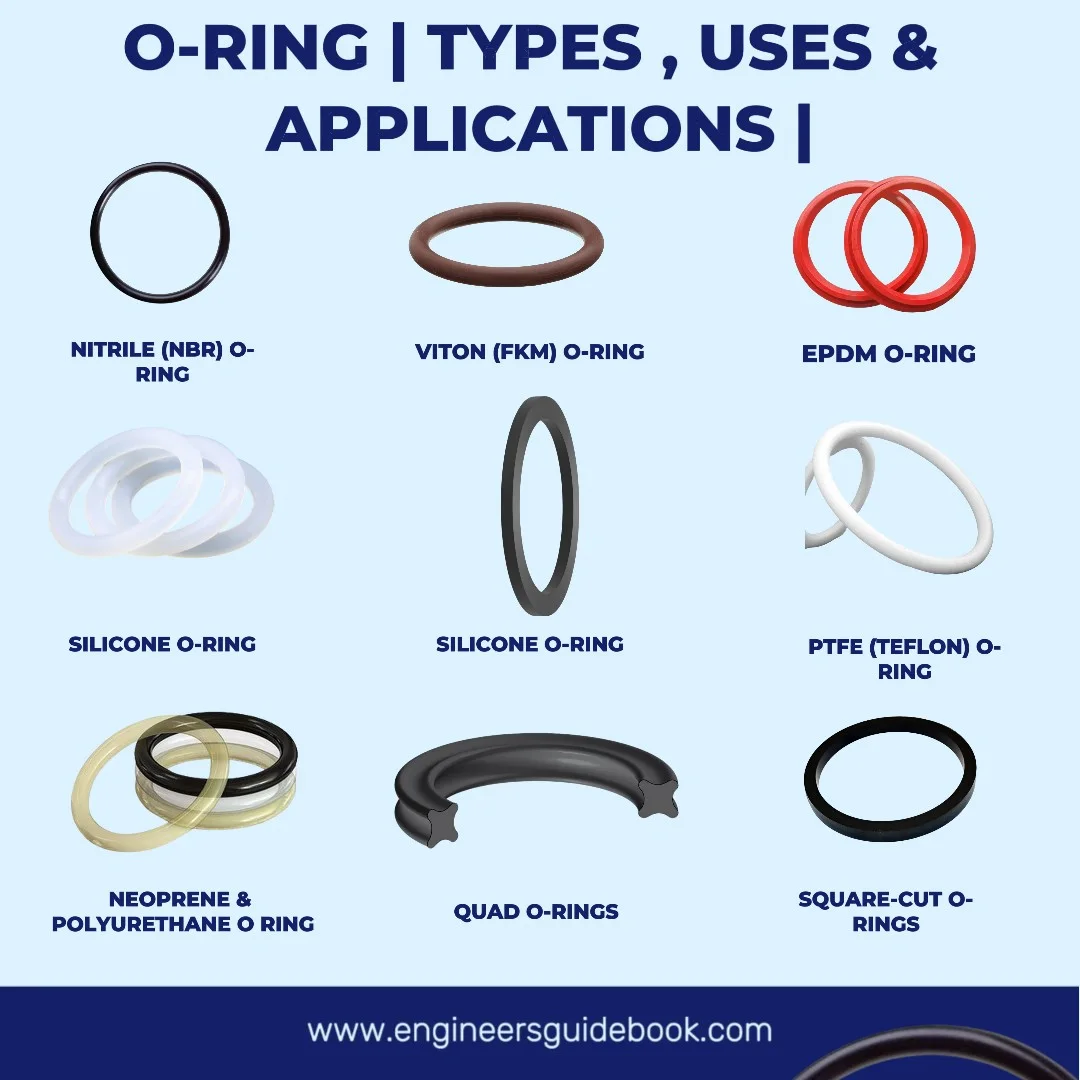
Several critical factors influence the sealing performance of an O-ring. The material of the O-ring is paramount, as different elastomers possess varying degrees of resistance to chemicals, temperature, and abrasion. For instance, nitrile rubber is common for general-purpose applications, while Viton is preferred for high-temperature and chemically aggressive environments. The size and shape of the O-ring must be precisely matched to the groove and mating components. An O-ring that is too small will not provide adequate compression, while one that is too large may be over-compressed, leading to premature failure. The groove design itself is equally important. Proper groove dimensions, including depth, width, and fillet radii, are essential for achieving the correct compression and preventing extrusion of the O-ring under pressure. Finally, operating conditions such as pressure, temperature, and the presence of specific fluids or gases must be considered. Extreme pressures can lead to extrusion, where the O-ring is forced into the clearance gap. High temperatures can degrade the elastomer, reducing its elasticity and sealing capability. Aggressive chemicals can swell or attack the O-ring material.
O-Rings in Hydraulic and Pneumatic Systems
Hydraulic and pneumatic systems are perhaps the most prevalent arenas where O-rings demonstrate their critical importance. These systems rely on the controlled transmission of power through pressurized fluids (hydraulics) or gases (pneumatics). Without effective sealing, these systems would be inherently inefficient and prone to catastrophic failure. O-rings are employed in a multitude of components within these systems, from cylinders and valves to pumps and actuators, ensuring that pressure is maintained and leaks are prevented.
Sealing Cylinders and Actuators
In hydraulic and pneumatic cylinders, O-rings are fundamental to creating sealed chambers. They are typically used as piston seals and rod seals. The piston seal, positioned around the piston head, prevents fluid or air from bypassing the piston as it moves within the cylinder bore. This ensures that the full force of the fluid or air pressure is applied to the piston, enabling effective work to be done. Similarly, the rod seal, located around the piston rod where it exits the cylinder, prevents the internal fluid or air from leaking out to the environment. This dual sealing function is vital for the proper operation of any cylinder, whether it’s lifting heavy loads in construction equipment or actuating robotic arms on an assembly line. The choice of O-ring material here is critical, as these components often experience significant pressure and reciprocating motion.
Preventing Leaks in Valves and Pumps
Valves are sophisticated devices that control the flow of fluids or gases, and pumps are responsible for generating the necessary pressure. Both of these components extensively utilize O-rings to maintain their integrity. Within valves, O-rings are used to seal static components, such as between valve bodies and bonnets, or dynamic components, like spool valves that slide within a bore. These seals prevent leakage past the valve seats or around moving parts, ensuring precise flow control. In pumps, O-rings are employed in various locations, including the casing seals, shaft seals, and within the pumping mechanisms themselves. Their role is to contain the pressurized fluid or gas, preventing internal leakage that would reduce pumping efficiency and external leakage that could lead to safety hazards and environmental contamination. The reliability of O-rings in these applications directly impacts the overall performance and lifespan of hydraulic and pneumatic machinery.
O-Rings in Electronic and Semiconductor Manufacturing
The precision and cleanliness required in the electronics and semiconductor industries necessitate highly specialized sealing solutions. O-rings, particularly those made from advanced materials, are crucial for maintaining the sterile environments and preventing contamination that are paramount in these fields. Their ability to withstand vacuum conditions and aggressive cleaning agents makes them indispensable in the fabrication of sensitive electronic components.
Maintaining Vacuum Integrity in Semiconductor Fabrication
The fabrication of semiconductors involves intricate processes performed under high vacuum conditions. This vacuum is essential for preventing unwanted chemical reactions and ensuring the deposition of ultra-thin layers of materials with extreme precision. O-rings are used extensively in vacuum chambers, pumps, and transfer systems to maintain this critical vacuum integrity. Materials like Kalrez (perfluoroelastomer) or specialized silicone O-rings are often employed due to their excellent outgassing properties, low vapor pressure, and resistance to the harsh chemicals used in etching and cleaning processes. A tiny leak in a vacuum chamber can compromise an entire batch of microchips, highlighting the indispensable role of reliable O-ring seals in this high-stakes industry.
Sealing in Precision Instrumentation and Equipment
Beyond semiconductor fabrication, O-rings are vital in a wide range of precision instrumentation and equipment used in electronics. This includes mass spectrometers, electron microscopes, particle accelerators, and various analytical instruments that rely on controlled environments and vacuum. In these devices, O-rings ensure that sensitive components are isolated from the external atmosphere, preventing contamination and maintaining optimal operating conditions. Furthermore, O-rings are used in the interconnects and connectors of specialized electronic equipment, safeguarding against the ingress of dust, moisture, or other contaminants that could lead to signal degradation or component failure. Their ability to provide a consistent and reliable seal, even under demanding operational parameters, is a testament to their engineering significance in the technological advancement of electronic devices.
O-Rings in Automotive and Aerospace Engineering
The demanding environments of the automotive and aerospace industries, characterized by extreme temperatures, pressures, and exposure to various fluids, make O-rings critical components for safety, reliability, and performance. From sealing engine components to maintaining the integrity of critical aircraft systems, O-rings are integral to the operation of these complex machines.
Sealing Engine and Fuel Systems
In automotive engines, O-rings are employed in numerous locations to prevent leaks of vital fluids and gases. They are found in fuel injectors, sealing the critical connection between the injector and the cylinder head, ensuring precise fuel delivery and preventing fuel leaks. O-rings are also used in the cooling system to seal water pumps and thermostats, preventing coolant loss and maintaining optimal engine temperature. In the oil system, they seal oil pans, oil filters, and various other components to prevent oil leaks. The ability of O-rings to withstand high temperatures, aggressive fuels, and lubricating oils is crucial for the longevity and efficiency of modern automotive engines.
Ensuring Integrity in Aerospace Systems
The aerospace industry places an exceptionally high premium on safety and reliability, making the role of O-rings even more critical. They are used in a vast array of applications, including fuel systems, hydraulic systems, and environmental control systems. In aircraft fuel systems, O-rings are essential for sealing fuel tanks, lines, and pumps, preventing leaks that could have catastrophic consequences. In hydraulic systems that control flight surfaces and landing gear, O-rings ensure the consistent and reliable operation of actuators and valves under extreme pressure and temperature variations. Furthermore, O-rings are employed in environmental control systems, maintaining cabin pressure and preventing the ingress of outside air. The stringent certification requirements and rigorous testing in the aerospace sector underscore the critical need for high-performance O-rings that can consistently perform under the most demanding conditions imaginable. The materials used in aerospace O-rings are often highly specialized elastomers designed for extreme temperature ranges, chemical resistance, and long service life.
The Evolution and Future of O-Ring Technology
While seemingly simple, O-ring technology has continuously evolved to meet the ever-increasing demands of modern engineering. Innovations in material science, manufacturing techniques, and design methodologies are pushing the boundaries of what these essential seals can achieve, paving the way for even more advanced and reliable technological applications.
Advancements in Elastomer Materials
The development of new and improved elastomer materials has been a driving force behind the expanded applications of O-rings. Beyond traditional nitrile and neoprene, researchers and manufacturers have developed advanced compounds such as fluorosilicone for improved fuel and oil resistance, perfluoroelastomers (like Kalrez and Chemraz) for exceptional chemical and thermal stability in the most aggressive environments, and advanced EPDM formulations for enhanced weather and ozone resistance. These material innovations allow O-rings to operate in higher temperatures, lower temperatures, more corrosive media, and under greater pressures than ever before, enabling their use in cutting-edge technologies like advanced battery systems, renewable energy infrastructure, and next-generation industrial machinery.
Innovations in Manufacturing and Design
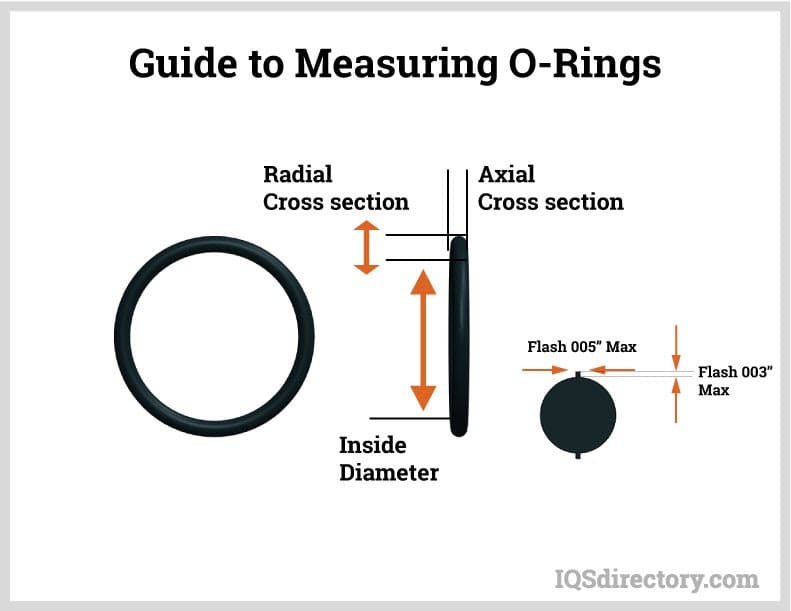
Manufacturing processes for O-rings have also seen significant advancements. Precision molding techniques, including injection molding and compression molding, ensure consistent dimensions and superior surface finishes, leading to improved sealing performance and longevity. Furthermore, advancements in computer-aided design (CAD) and finite element analysis (FEA) allow engineers to simulate O-ring behavior under various conditions, optimizing groove design and O-ring specifications for specific applications. This predictive capability minimizes the need for extensive physical prototyping and reduces the risk of sealing failures in critical systems. Emerging technologies like additive manufacturing (3D printing) are also beginning to explore the creation of custom O-rings with complex geometries and tailored material properties, opening up new possibilities for specialized sealing solutions in niche technological applications. The ongoing refinement of these processes ensures that O-rings remain a cost-effective yet highly reliable sealing solution for the foreseeable future.
aViewFromTheCave is a participant in the Amazon Services LLC Associates Program, an affiliate advertising program designed to provide a means for sites to earn advertising fees by advertising and linking to Amazon.com. Amazon, the Amazon logo, AmazonSupply, and the AmazonSupply logo are trademarks of Amazon.com, Inc. or its affiliates. As an Amazon Associate we earn affiliate commissions from qualifying purchases.