
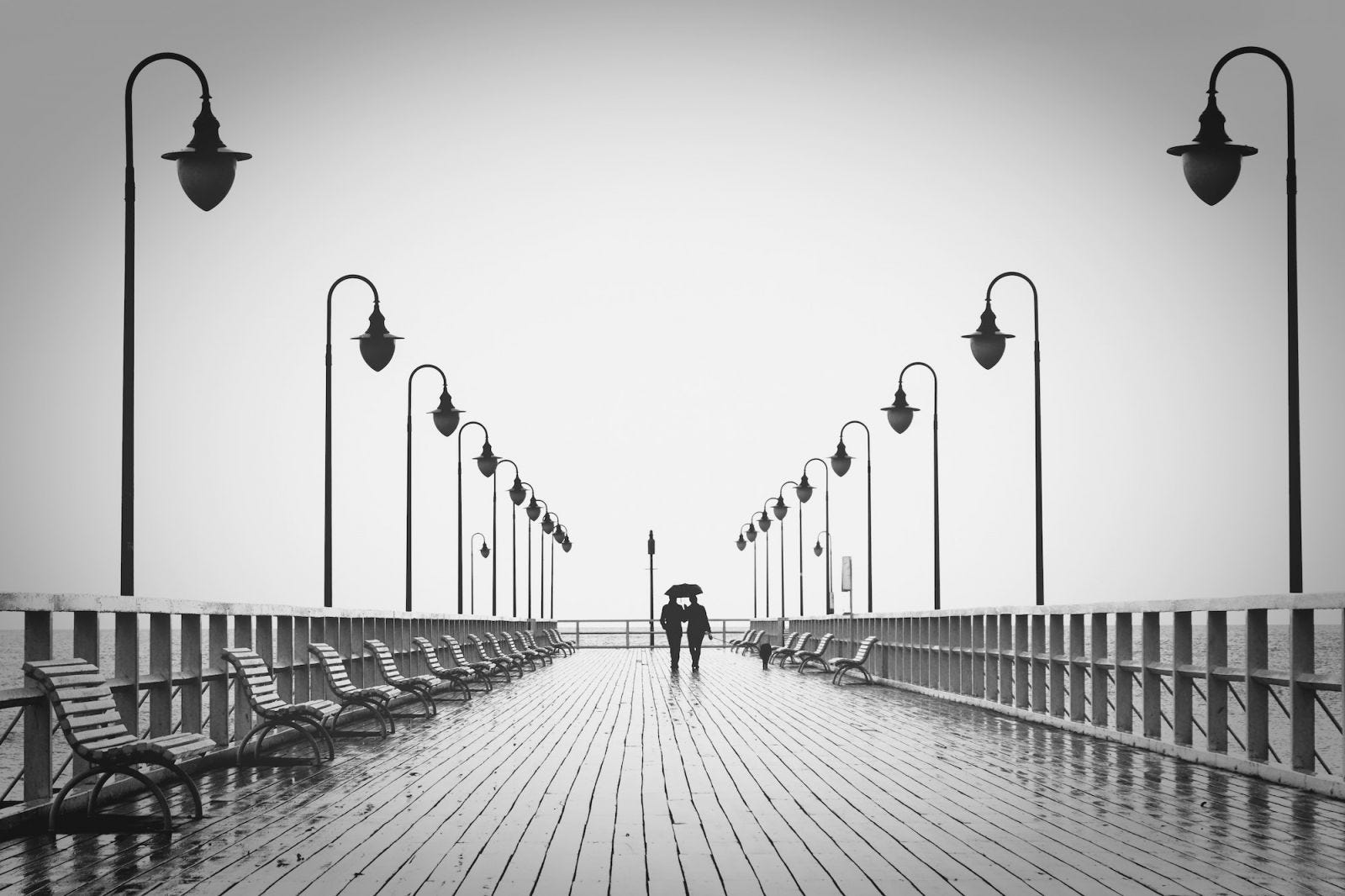
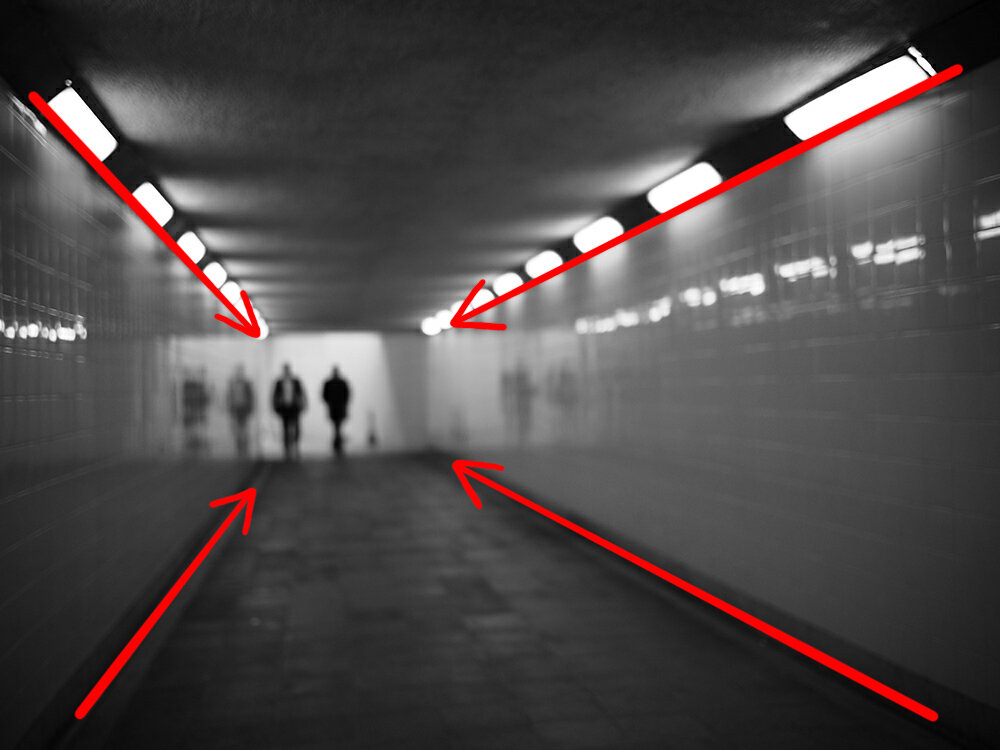
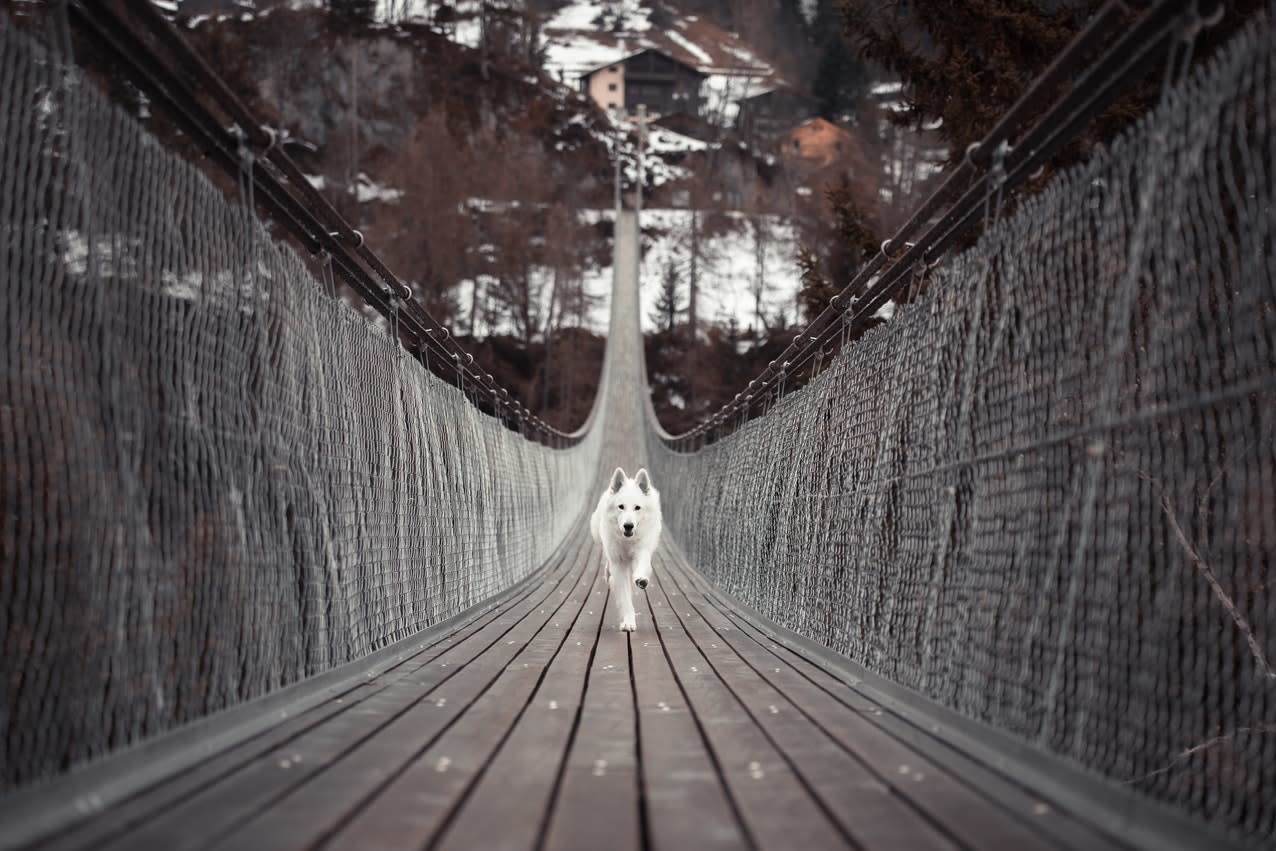
Leading lines are a fundamental compositional technique in photography that guides the viewer’s eye through an image, creating a sense of depth, dimension, and narrative. They are, in essence, visual pathways that direct attention towards a specific point of interest, often the subject of the photograph. While the concept might seem straightforward, understanding and effectively utilizing leading lines can dramatically elevate the impact and storytelling capability of your images. This article delves into the intricacies of leading lines within the Tech niche, exploring how this classic photographic element intersects with modern digital tools, software, and the evolving landscape of visual creation.
The Technological Canvas: Leading Lines in the Digital Age
In the realm of digital photography, the principles of composition, including the use of leading lines, haven’t been rendered obsolete. Instead, technology has provided new avenues for identifying, creating, and even enhancing these visual pathways. From the sophisticated sensors in our cameras to the powerful editing software on our computers and smartphones, technology serves as both a tool and a medium for harnessing the power of leading lines. Understanding this symbiotic relationship is crucial for any photographer looking to leverage technology to its fullest potential.
Identifying and Utilizing Leading Lines with Modern Camera Technology
Modern digital cameras, equipped with advanced autofocus systems and sophisticated metering, provide a stable and precise platform for capturing scenes with potential leading lines. The high resolution and dynamic range of contemporary sensors allow for greater detail and tonal gradation, making subtle lines more discernible and impactful.
The Role of Focal Length and Perspective
The choice of lens significantly influences how leading lines appear and function within an image. Wide-angle lenses, for instance, exaggerate perspective, causing lines to converge more dramatically and creating a strong sense of depth. This is particularly effective for capturing expansive landscapes where roads, rivers, or architectural elements stretch towards the horizon. Conversely, telephoto lenses compress perspective, making parallel lines appear closer together and can create a more intimate feel, sometimes using less obvious lines to guide the eye.
The position of the camera also plays a critical role. Shooting from a low angle can make converging lines of a building appear more dramatic, drawing the viewer upwards. Similarly, placing the camera at an angle that aligns with a natural or man-made line can enhance its leading quality. Digital cameras offer the advantage of instant feedback through their LCD screens, allowing photographers to experiment with different angles and focal lengths in real-time to find the most compelling leading line composition.
Autofocus and Exposure: Ensuring Clarity and Impact
While leading lines are a compositional element, their effectiveness hinges on the clarity and impact of the image. Modern autofocus systems, such as phase-detection and contrast-detection, ensure that the subject at the end of the leading line is sharp and in focus, thus maintaining the intended visual hierarchy. Similarly, advanced metering modes help to correctly expose the scene, preventing distracting over- or under-exposed areas that could detract from the leading lines. The ability to shoot in RAW format also provides unparalleled flexibility in post-processing, allowing for fine-tuning of contrast and color to further accentuate the leading lines without compromising image quality.
Software and AI: Enhancing and Creating Leading Lines
The digital editing suite has become an indispensable part of the modern photographer’s toolkit, offering tools that can not only enhance existing leading lines but also, in some cases, even assist in their creation or identification.
Post-Processing Techniques for Leading Lines
Software like Adobe Photoshop and Lightroom offer a plethora of tools to accentuate leading lines. Adjusting contrast and clarity can make subtle lines more prominent. Dodge and burn techniques can selectively lighten or darken areas, further guiding the eye along a specific path. Cropping can be used to strengthen the convergence of lines or eliminate distracting elements that weaken the overall composition.
More advanced techniques involve using gradient filters or radial filters to subtly darken or brighten areas, thereby creating a visual “tunnel” effect that draws the viewer towards the subject. Even simple adjustments to sharpness can make a significant difference in how clearly a line is perceived. The digital workflow allows for iterative refinement, enabling photographers to experiment with different treatments and find the most impactful way to present their leading lines.
AI-Powered Tools and Future Possibilities
The advent of Artificial Intelligence (AI) in photography is opening up new frontiers. While AI is not yet capable of “creating” leading lines in a purely artistic sense, it can be a powerful assistant in the process. AI-powered scene analysis in some editing software can identify compositional elements, potentially highlighting areas with strong linear features that could be developed into leading lines.
Future AI tools might offer more sophisticated assistance, perhaps by suggesting optimal framing for leading line compositions based on image content or even by intelligently enhancing existing lines to improve their impact. Image generation AI, while distinct from traditional photography, also demonstrates the growing role of algorithms in visual creation. Understanding how AI can augment traditional techniques is becoming increasingly important for staying at the forefront of photographic technology.
The Leading Lines of Your Workflow: Integrating Technology for Success
The effective use of leading lines is not merely about framing a shot; it’s about integrating technology seamlessly into your entire photographic workflow, from capture to post-production. This holistic approach ensures that you are maximizing the potential of both your creative vision and the tools at your disposal.
Camera Settings and Shooting Modes for Optimal Line Capture
Choosing the right camera settings can significantly impact how well leading lines are rendered. Understanding the interplay between aperture, shutter speed, and ISO is crucial for achieving the desired depth of field and image clarity, which are essential for making leading lines stand out.
Aperture and Depth of Field: Isolating Your Subject
The aperture setting directly controls the depth of field, which is the range of distance in a photograph that appears acceptably sharp. When using leading lines to guide the viewer to a specific subject, a shallow depth of field (achieved with a wide aperture, e.g., f/2.8 or f/4) can effectively isolate that subject, making it pop against a softly blurred background. This separation ensures that the leading lines clearly direct attention to the intended focal point. Conversely, in landscape photography where you might want the entire expanse of a leading line, such as a road stretching to the horizon, to be sharp, a smaller aperture (e.g., f/8 or f/11) would be employed.
Shutter Speed and Motion Blur: Adding Dynamism
Shutter speed plays a role in how dynamic elements along leading lines are captured. A fast shutter speed will freeze motion, useful for capturing a moving subject at the end of a leading line with crisp detail. A slower shutter speed, on the other hand, can introduce intentional motion blur, which can add a sense of movement and energy to an image. For instance, a slow shutter speed used with a moving car on a road as a leading line can create a streaking effect, emphasizing speed and direction. This technique requires careful camera stabilization, often using a tripod, which itself is a piece of photographic technology.
ISO and Noise Management: Maintaining Image Quality
When shooting in challenging lighting conditions, particularly when trying to capture subtle leading lines in low light, increasing the ISO setting might be necessary. However, higher ISO values can introduce digital noise, which can detract from the image quality and make lines appear less defined. Modern cameras excel at managing noise at higher ISOs, but it’s still important to be mindful of this trade-off. Utilizing image stabilization technology, either in-camera or in the lens, can also help mitigate the need for excessively high ISOs by allowing for slower shutter speeds.
Software Solutions for Workflow Efficiency and Creative Control
The digital editing software available today offers unparalleled control over the final image, allowing photographers to refine and enhance their leading line compositions with precision.
Non-Destructive Editing and Layer-Based Workflows
Software like Adobe Photoshop and Lightroom utilize non-destructive editing, meaning that original image data is preserved. This is crucial for photographers working with leading lines, as it allows for extensive experimentation without fear of permanently altering the image. Layer-based editing in Photoshop is particularly powerful, enabling the selective application of adjustments and effects to specific areas of the image. For example, you can create a separate layer to enhance the contrast of a specific leading line without affecting other parts of the composition.
Color Grading and Tone Mapping: Enhancing Visual Flow
Color grading and tone mapping are powerful techniques that can be used to subtly influence the viewer’s perception of leading lines. By adjusting the color balance and tonal range of different parts of the image, photographers can subtly draw the eye along a particular path. For instance, a warmer tone might be applied to the area at the end of a leading line to make it more inviting, while cooler tones might be used in the foreground to create a sense of depth. Tone mapping, often used in HDR (High Dynamic Range) photography, can bring out detail in both the highlights and shadows, ensuring that subtle linear details are visible and contribute to the overall composition.
Utilizing Plugins and Presets for Expedited Results
For photographers focused on efficiency, plugins and presets can be invaluable. Many presets are designed to enhance specific compositional elements, and some might include settings that subtly accentuate linear features. Custom presets can be created and saved to quickly apply a consistent look that emphasizes leading lines in a series of images. This allows photographers to leverage the power of advanced editing techniques more rapidly, particularly when dealing with large volumes of work, such as in event or commercial photography where leading lines can be used to guide the viewer through a scene.
Leading Lines in Different Technological Photography Genres
The application of leading lines, amplified by technology, spans across various photographic genres, each with its unique technological considerations and creative approaches.
Architectural Photography: Geometry and Perspective
Architectural photography heavily relies on leading lines, utilizing the inherent geometric structures of buildings to create compelling compositions. Wide-angle lenses are often employed to exaggerate the converging lines of facades and interiors, drawing the viewer into the space. Advanced camera features like tilt-shift lenses, available in both traditional and digital formats, allow photographers to correct for perspective distortion, ensuring that vertical lines remain parallel, thereby enhancing their leading quality.
In post-processing, software is used to further emphasize these lines. Tools for straightening and aligning lines, along with meticulous sharpening, ensure that the architectural forms are presented with clarity and impact. HDR techniques are also common to capture the full dynamic range of interior and exterior scenes, ensuring that subtle linear details within shadows and highlights are visible and contribute to the leading line effect.
Landscape Photography: Natural and Man-Made Pathways
Leading lines in landscape photography often manifest as natural features like rivers, roads, mountain ridges, or even the patterns of waves on a beach. Technology here plays a role in capturing the expansive scenes accurately and in high detail. High-resolution sensors and advanced image stabilization are crucial for capturing vast vistas where subtle linear elements might otherwise be lost.
The use of drones has revolutionized landscape photography, offering unique aerial perspectives that reveal new leading line opportunities. These elevated viewpoints can showcase sweeping curves of roads, intricate patterns of fields, or the winding path of a river from an entirely new vantage point. Editing software then allows for the enhancement of these natural lines, perhaps by subtly adjusting color saturation to make a river stand out or by using gradient filters to emphasize the receding perspective of a path.
Street Photography: Capturing the Urban Flow
In street photography, leading lines are often found in the architecture of urban environments – streets, sidewalks, railway tracks, or even patterns of light and shadow. The spontaneous nature of street photography demands quick decision-making and efficient use of technology. Advanced autofocus systems and rapid burst shooting modes are essential for capturing fleeting moments that utilize leading lines effectively.
The candid nature of street photography means that photographers often rely on available light, making in-camera noise reduction and the ability to shoot at higher ISOs important. Post-processing is then used to refine the composition, often by enhancing contrast to make pavement lines or building edges more prominent. The storytelling aspect of street photography is often amplified by leading lines, which can guide the viewer’s eye towards a particular person or action within the frame, adding a narrative dimension to the captured scene.
The Future of Leading Lines: Evolving Technologies and Creative Horizons
As technology continues to evolve at an unprecedented pace, the way we understand and utilize leading lines in photography is also set to transform. The integration of AI, computational photography, and new imaging technologies promises to open up exciting new creative possibilities.
Computational Photography and Generative AI
Computational photography, which uses algorithms to enhance or even create images, is already impacting how we capture and process photographs. Features like advanced HDR processing, portrait modes that simulate shallow depth of field, and image stabilization are all examples of computational photography at work. These technologies can subtly influence how leading lines are perceived and their impact within an image.
Generative AI, while still in its nascent stages for direct photographic application, offers a glimpse into the future. Imagine AI tools that can suggest the most compelling leading line compositions within a scene, or even intelligently extend or enhance existing lines to create more dramatic effects. While the ethical considerations and artistic integrity of such tools are subjects of ongoing debate, their potential to augment the photographer’s creative process is undeniable.
Emerging Imaging Technologies and New Perspectives
New imaging technologies, such as light-field cameras that capture depth information, could offer novel ways to manipulate focus and depth of field after an image has been taken. This would allow for unprecedented control over how leading lines draw attention to specific points within a scene. Furthermore, advancements in virtual reality (VR) and augmented reality (AR) photography may eventually lead to entirely new forms of visual storytelling where leading lines play a role in guiding users through immersive digital environments.
The fundamental principle of leading lines – guiding the viewer’s eye – will likely remain a constant. However, the tools and techniques we use to achieve this effect will continue to advance. Photographers who embrace these technological shifts and learn to integrate them into their artistic practice will be well-positioned to create innovative and impactful images that resonate with audiences in the years to come. The journey of leading lines in photography is a testament to how timeless artistic principles can be revitalized and amplified by the ever-expanding capabilities of technology.
aViewFromTheCave is a participant in the Amazon Services LLC Associates Program, an affiliate advertising program designed to provide a means for sites to earn advertising fees by advertising and linking to Amazon.com. Amazon, the Amazon logo, AmazonSupply, and the AmazonSupply logo are trademarks of Amazon.com, Inc. or its affiliates. As an Amazon Associate we earn affiliate commissions from qualifying purchases.