
The decision to pursue a career in nursing is a profound one, driven by a desire to make a tangible difference in people’s lives. However, the path to becoming a skilled and respected nurse begins with selecting the right educational institution. In today’s rapidly evolving healthcare landscape, the “best” nursing colleges are those that not only impart foundational knowledge but also equip students with the critical thinking, technological proficiency, and adaptability necessary to thrive. This article delves into the essential elements that define a strong nursing program, focusing specifically on the technological advancements and digital tools that are shaping the future of nursing education and practice.
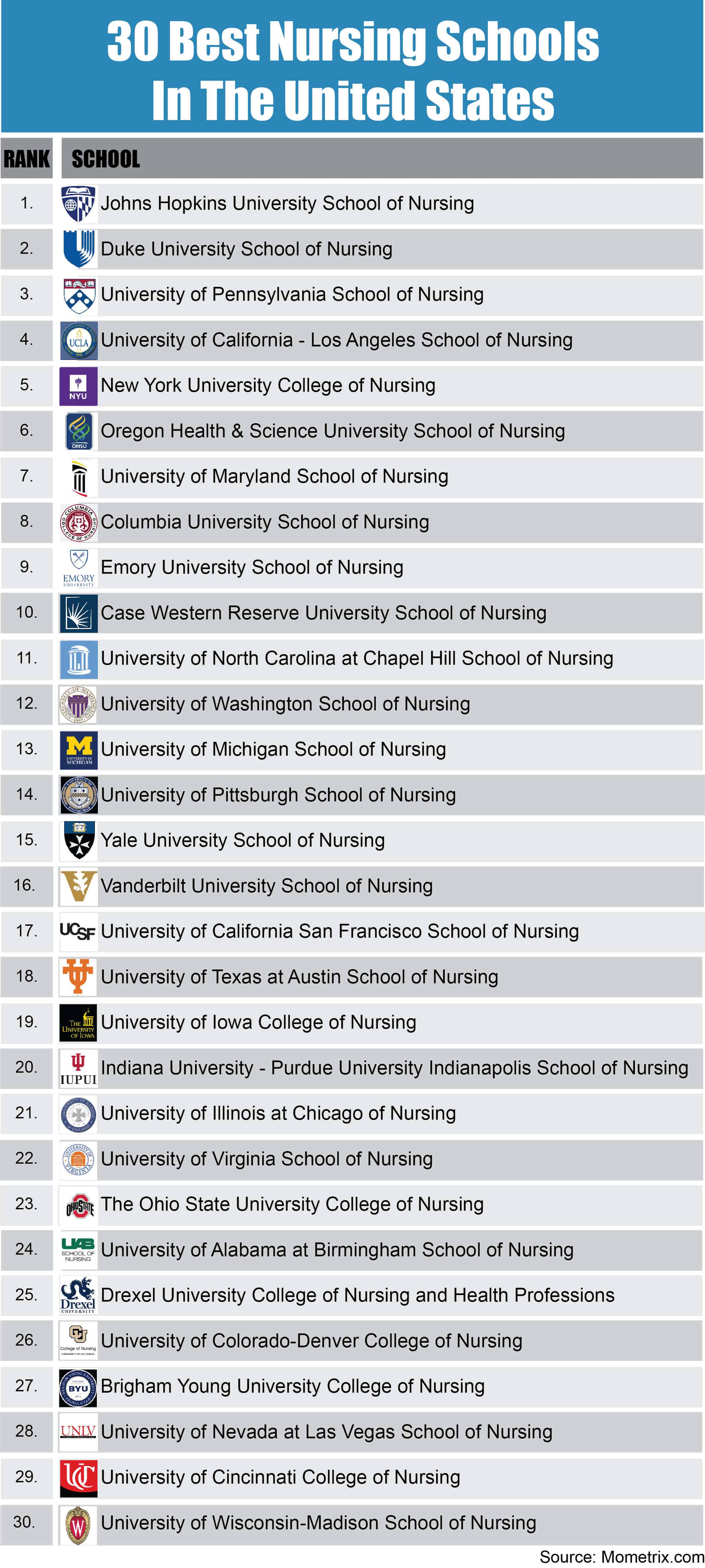
The Evolving Technological Landscape of Nursing Education
Nursing education has moved far beyond traditional textbooks and lectures. The integration of technology has become paramount, transforming how students learn, practice skills, and prepare for real-world clinical scenarios. Good nursing colleges are at the forefront of this digital revolution, investing in state-of-the-art resources that simulate patient care environments and expose students to the technologies they will encounter in their careers.
Simulation and Virtual Reality in Nursing Training
Simulation labs have become a cornerstone of modern nursing education. These facilities, often equipped with high-fidelity manikins that mimic human physiology and responses, allow students to practice complex procedures and critical decision-making in a safe, controlled environment. Colleges with advanced simulation centers offer opportunities for students to manage a variety of patient conditions, from routine care to life-threatening emergencies.
Virtual Reality (VR) is emerging as an even more immersive educational tool. VR allows students to virtually walk through hospital settings, interact with simulated patients, and experience diverse clinical scenarios that might be difficult to replicate in a physical lab. This technology can be particularly effective for developing skills in areas like empathy, communication, and cultural competency, as students can engage with virtual patients from various backgrounds and with different healthcare needs. Colleges that embrace VR are offering a forward-thinking approach to skill acquisition, preparing nurses for the multifaceted challenges of patient care.
Digital Health Records and Informatics Training
The healthcare industry is increasingly reliant on Electronic Health Records (EHRs) and other health informatics systems. Proficient navigation and utilization of these digital platforms are no longer optional but essential for effective nursing practice. Good nursing colleges integrate comprehensive training on EHR systems into their curriculum, often using simulated or real-world data. This ensures that graduates are not only familiar with the technology but also understand its role in patient safety, data security, and efficient care coordination.
Furthermore, understanding health informatics principles – the science of managing and communicating health information – is crucial. This includes data analysis, understanding healthcare information systems, and the ethical considerations surrounding patient data. Colleges that offer robust informatics training prepare nurses to contribute to data-driven decision-making and to advocate for technological solutions that improve patient outcomes. They recognize that nurses are integral to the success of digital health initiatives.
Telehealth and Remote Patient Monitoring Technologies
The expansion of telehealth and remote patient monitoring (RPM) has revolutionized how healthcare is delivered, especially in reaching underserved populations and managing chronic conditions. Nursing programs that recognize this shift will actively incorporate training on these technologies. This includes understanding the platforms used for virtual consultations, the devices used for remote data collection (e.g., wearable sensors, home monitoring kits), and the communication protocols involved in remote patient management.
Students in forward-thinking programs will learn how to assess patients virtually, interpret data from RPM devices, and intervene appropriately based on these readings. They will also gain an understanding of the legal and ethical considerations surrounding telehealth, ensuring they can provide safe and effective care across distances. Colleges that emphasize these skills are preparing nurses for a future where healthcare delivery is increasingly decentralized and technology-enabled.
Embracing Innovation: What Differentiates Top Nursing Programs
Beyond the specific technologies, good nursing colleges foster an environment of continuous innovation. This means staying abreast of emerging trends, investing in faculty expertise, and creating opportunities for students to engage with the cutting edge of nursing science and technology.
Cutting-Edge Learning Management Systems and Online Resources
The traditional classroom is being augmented, and in some cases replaced, by sophisticated online learning platforms. Colleges with excellent nursing programs utilize advanced Learning Management Systems (LMS) that offer a seamless and engaging educational experience. These platforms go beyond basic content delivery, incorporating interactive modules, multimedia resources, virtual labs, and robust communication tools that connect students, faculty, and even external experts.

The availability of comprehensive online resources, such as digital libraries, evidence-based practice databases, and professional networking platforms, is also a hallmark of a good nursing college. These resources empower students to conduct thorough research, stay updated on the latest medical advancements, and connect with a wider community of healthcare professionals. The ability to effectively navigate and utilize these digital tools is a critical skill for any aspiring nurse.
Collaboration and Interprofessional Education Through Technology
Modern healthcare is inherently collaborative, requiring seamless interaction between nurses, physicians, therapists, and other healthcare professionals. Technology plays a vital role in facilitating this interprofessional collaboration. Good nursing colleges will incorporate training and opportunities that mirror this collaborative environment.
This might involve using shared digital platforms for case study analysis, participating in virtual interprofessional simulations where students from different disciplines work together to manage patient scenarios, or learning to communicate effectively through secure digital channels. By fostering these technological avenues for collaboration, nursing programs equip graduates with the essential skills to work effectively within diverse healthcare teams, ultimately leading to better patient care outcomes.
Opportunities for Research and Technology Integration Projects
For students seeking to push the boundaries of nursing practice, opportunities for research and hands-on technology integration projects are invaluable. The best nursing colleges encourage undergraduate and graduate students to participate in research initiatives that explore the impact of technology on patient care, develop new digital health solutions, or evaluate the effectiveness of innovative nursing interventions.
This could involve working with faculty on developing AI-powered diagnostic tools, exploring the use of wearable sensors for chronic disease management, or contributing to the design of more user-friendly EHR interfaces. Such experiences not only deepen a student’s understanding of nursing science but also hone their problem-solving skills and prepare them for leadership roles in the ever-evolving field of healthcare technology.
Investing in Your Future: Technological Readiness as a Key Metric
When evaluating nursing programs, prospective students should prioritize institutions that demonstrate a clear commitment to technological integration and innovation. This commitment is not merely about having the latest gadgets; it’s about a holistic approach to preparing nurses for the demands of a digitally driven healthcare system.
Assessing a Program’s Technology Infrastructure and Investment
Prospective students should inquire about the specific technologies employed by nursing programs. This includes the sophistication of simulation labs, the types of EHR systems used for training, and the availability of VR or augmented reality resources. A program that consistently invests in upgrading its technological infrastructure signals a dedication to providing students with relevant and up-to-date training.
Furthermore, understanding how faculty are trained to utilize these technologies is crucial. Are instructors adept at integrating digital tools into their teaching? Do they actively encourage students to explore and experiment with new technologies? A program with forward-thinking faculty will ensure that technology is not just an add-on but a fundamental component of the learning experience.
Examining Faculty Expertise in Health Informatics and Digital Health
The expertise of nursing faculty in health informatics, telehealth, and other digital health domains is a critical indicator of a program’s technological readiness. Prospective students should look for programs where faculty members are actively engaged in research and practice related to these areas. This can often be identified through faculty profiles, published research, and ongoing professional development activities.
Faculty who are knowledgeable in these fields can provide invaluable mentorship, guide students through complex technological challenges, and offer insights into career pathways that leverage digital skills. Their expertise ensures that the curriculum remains current and relevant, reflecting the rapid pace of technological advancement in healthcare.

The Role of Technology in Enhancing Employability and Career Advancement
Graduates from nursing programs that excel in technological integration are often more competitive in the job market. Healthcare employers are increasingly seeking nurses who are comfortable with and proficient in using a wide range of digital tools, from EHR systems to telehealth platforms. The skills acquired through advanced technological training can lead to earlier career advancement and opportunities in specialized roles, such as informatics nurse specialists, telehealth coordinators, or clinical informaticists.
By choosing a nursing college that prioritizes technological education, students are not just investing in their academic journey but are also strategically positioning themselves for a successful and impactful career in the dynamic and technologically advanced world of modern nursing. This focus on digital fluency ensures that graduates are well-prepared to lead, innovate, and deliver exceptional patient care in the 21st century.
aViewFromTheCave is a participant in the Amazon Services LLC Associates Program, an affiliate advertising program designed to provide a means for sites to earn advertising fees by advertising and linking to Amazon.com. Amazon, the Amazon logo, AmazonSupply, and the AmazonSupply logo are trademarks of Amazon.com, Inc. or its affiliates. As an Amazon Associate we earn affiliate commissions from qualifying purchases.