
In the modern landscape of personal finance, the “subscription economy” has shifted from digital streaming services to the very way we procure our basic necessities. At the forefront of this shift is Costco Wholesale, a titan of the retail industry that operates on a high-volume, low-margin membership model. For the financially conscious consumer, obtaining a Costco membership is not merely about gaining access to a warehouse; it is a strategic investment in household or business overhead reduction. Understanding how to get a membership—and more importantly, which tier provides the highest return on investment (ROI)—is a critical component of a sophisticated personal finance strategy.
Understanding the Costco Membership Ecosystem
Before one walks through the warehouse doors, it is essential to understand the financial architecture of the Costco model. Unlike traditional retailers that profit primarily from the markup on individual goods, Costco generates a significant portion of its operating income from membership fees. This allows the company to cap its margins at approximately 14-15%, passing the savings directly to the member.
The Different Membership Tiers
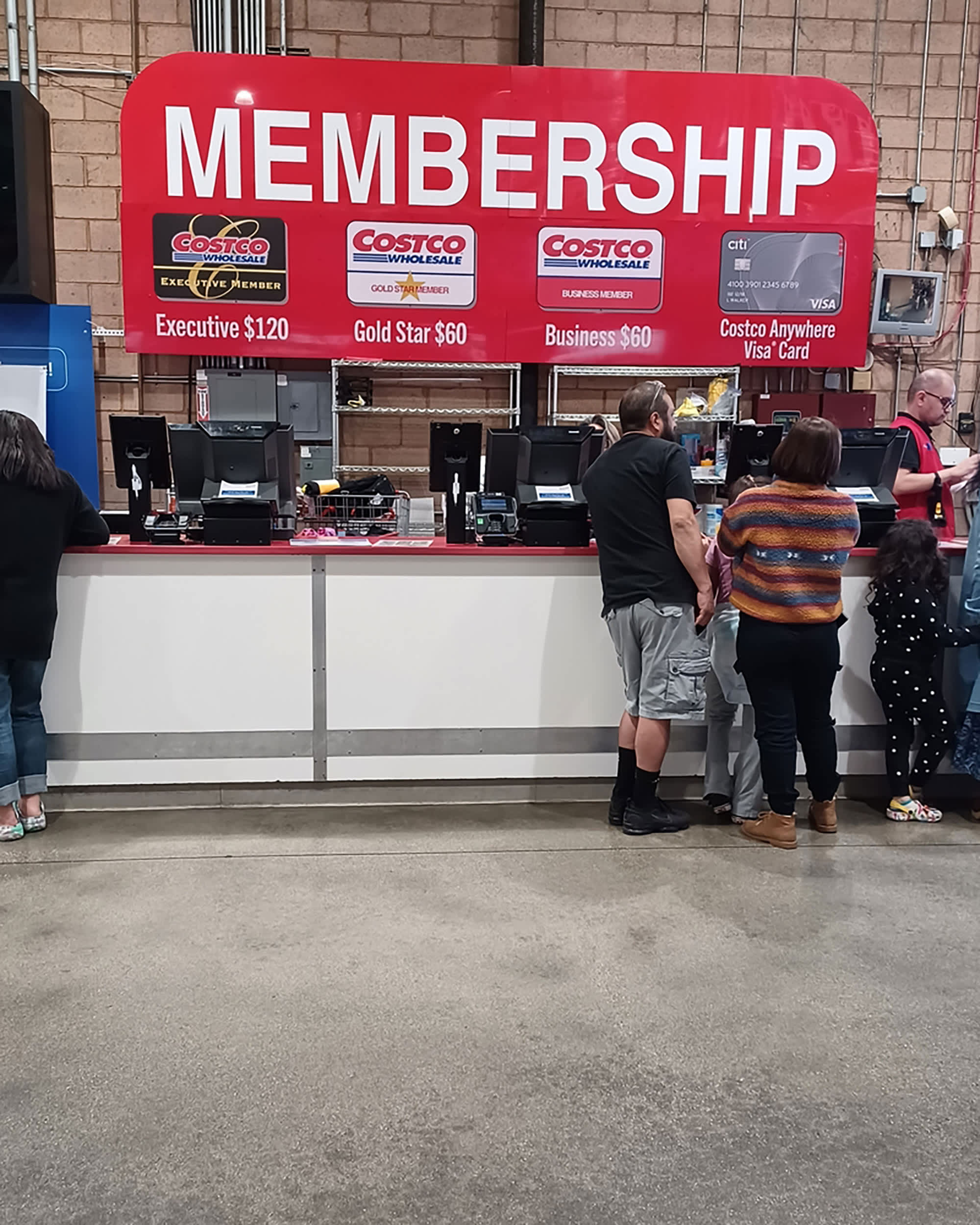
Costco offers two primary levels for individual consumers: the Gold Star Membership and the Executive Membership. As of the most recent 2024 fee adjustments, the Gold Star Membership costs $65 annually, while the Executive Membership is priced at $130 per year.
The Gold Star level is the “entry point,” providing access to all Costco locations worldwide and the ability to purchase from Costco.com. The Executive Membership, however, is designed for the high-volume spender. It includes all the benefits of the Gold Star level but adds a 2% annual reward on qualified Costco purchases (up to $1,250 back per year) and additional discounts on Costco Services, such as auto insurance and pet insurance.
The Business Membership Option
For entrepreneurs and small business owners, Costco offers a Business Membership ($65) and a Business Executive Membership ($130). These are functionally similar to the individual tiers but allow the member to purchase for resale (provided they have the appropriate tobacco/liquor licenses) and add additional “add-on” members for a discounted rate. For a business looking to minimize office supply costs or breakroom overhead, this tier is a fundamental tool for corporate expense management.
The Financial ROI of a Warehouse Membership
The decision to acquire a Costco membership should be treated like any other financial investment. One must calculate the “break-even point” to ensure that the annual fee is justified by the savings accrued. In the world of personal finance, this is known as the Net Present Value of the membership.
Calculating the 2% Reward Break-Even
For those considering the Executive Membership, the math is straightforward. The price difference between a Gold Star ($65) and an Executive ($130) membership is exactly $65. To recoup that $65 through the 2% reward program, a member needs to spend $3,250 annually at Costco. This breaks down to roughly $271 per month. If your household budget for groceries, household goods, and electronics exceeds this amount, the Executive Membership pays for itself, effectively making your “upgrade” free.
Savings Beyond the Grocery Aisle
The true financial value of a Costco membership often lies in its ancillary services. Costco’s gasoline stations typically offer prices significantly lower than the market average—often by 10 to 30 cents per gallon. For a commuter, the annual savings on fuel alone can often cover the entire membership fee within the first quarter. Furthermore, the Costco Optical and Pharmacy departments provide competitive pricing that can disrupt traditional healthcare spending, especially for those without comprehensive insurance coverage.
Unit Price vs. Sticker Price
A core tenant of savvy money management is focusing on unit price rather than the total cost of an item. Costco’s bulk-packaging model forces a lower unit cost, but it requires a higher upfront liquidity. By spending more today on a 30-roll pack of toilet paper or a 5-pound bag of coffee, you reduce your long-term expenditure. However, the “Money” niche perspective warns against “bulk waste”—buying more than you can consume before expiration—which can negate your financial gains.
How to Apply: The Step-by-Step Enrollment Process
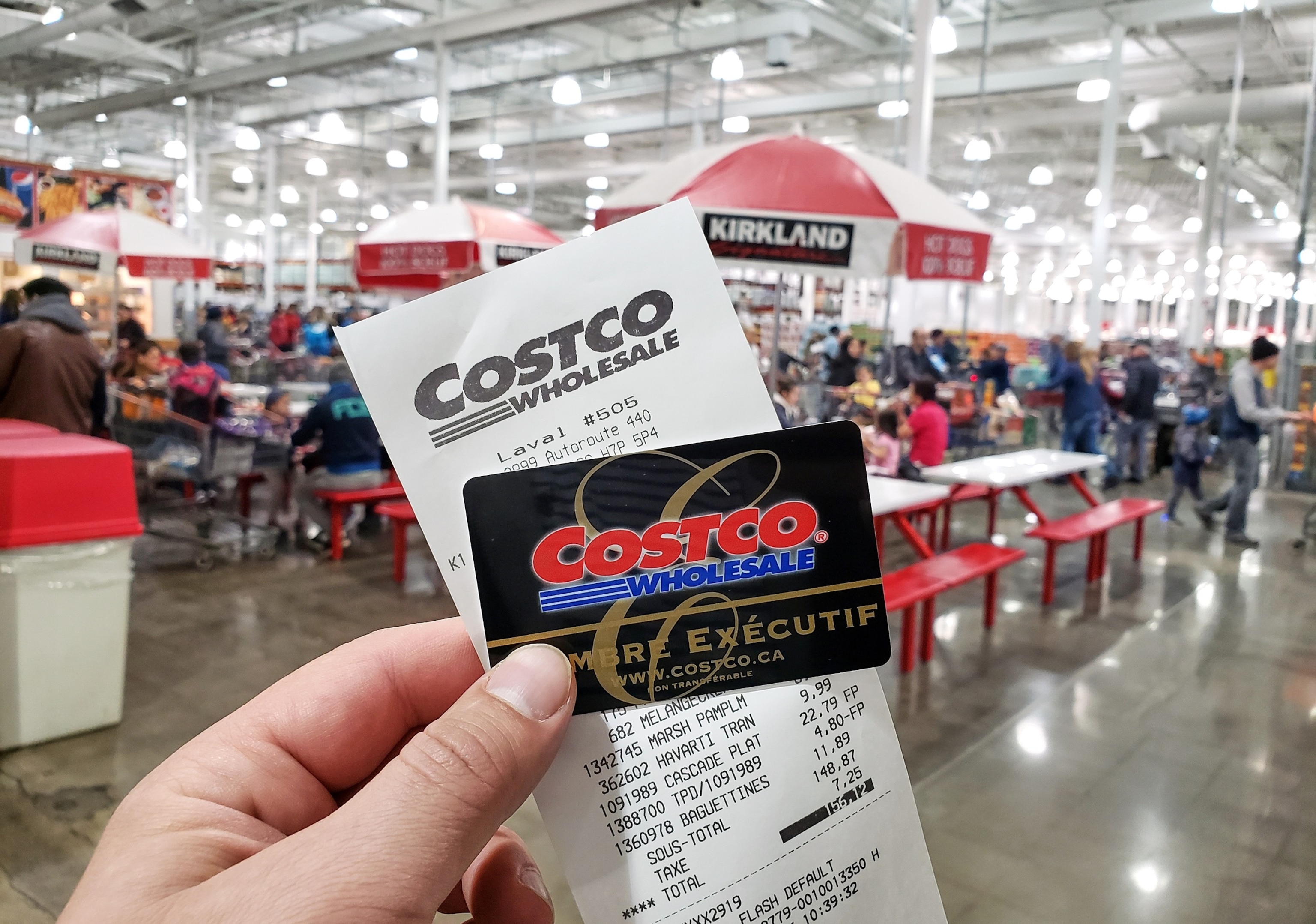
Once you have determined that the financial benefits align with your budget, the process of obtaining the membership is streamlined. There are two primary avenues: online registration and in-person enrollment.
Online Enrollment for Immediate Access
To secure a membership online, visit the Costco website and navigate to the “Membership” section. You will be prompted to select your tier (Gold Star or Executive), enter your personal information, and pay the annual fee via a major credit card. Once the transaction is complete, you will receive a membership number via email. While you can begin shopping on Costco.com immediately, you will still need to visit a physical warehouse location to have your photo taken and receive your permanent plastic card (or set up the digital membership card on the Costco app).
In-Warehouse Enrollment and Documentation
For those who prefer a more hands-on approach, you can visit the Membership Counter at any Costco location. You will need to provide a government-issued photo ID. The advantage of in-person enrollment is the immediate issuance of the card, allowing you to shop that same day.
Adding Household Members
A key strategy for maximizing the value of a single membership is utilizing the “Household Card.” Costco allows one primary member to assign a second card to someone living at the same address. From a financial perspective, this allows two adults to split the cost of a single membership, effectively halving the investment while doubling the shopping utility.
Maximizing Your Membership for Personal Wealth Growth
Simply having a card is not enough; a sophisticated consumer uses the membership as a tool for wealth preservation and strategic spending.
The Kirkland Signature Advantage
One of the most effective ways to save money at Costco is by leveraging the Kirkland Signature brand. In the world of branding and finance, Kirkland is a “private label” powerhouse. Costco frequently partners with top-tier manufacturers (like Starbucks for coffee or Duracell for batteries) to produce goods under the Kirkland name at a 20-25% discount. Switching from name brands to Kirkland is one of the fastest ways to reduce your monthly burn rate without sacrificing quality.
Costco Next and Direct-to-Consumer Value
A lesser-known financial perk of membership is “Costco Next.” This program allows members to purchase products directly from Costco’s curated suppliers at “member-only” pricing. This includes everything from high-end luggage to outdoor power equipment. Because Costco doesn’t have to stock these items in the warehouse, they pass the logistics savings onto the member, often providing prices that beat Amazon or big-box specialty stores.
The Costco Anywhere Visa® Card by Citi
For those looking to integrate their Costco membership into their broader financial ecosystem, the Costco Anywhere Visa® Card is a powerful tool. It offers 4% back on gas (up to $7,000 per year), 3% on restaurants and travel, and 2% on all Costco purchases. When paired with an Executive Membership, the rewards become “stackable,” allowing a member to earn 4% back total on their warehouse spending. This is an elite cash-back rate that few other credit cards can match, making it a staple for those focusing on optimizing their credit card rewards strategy.
Long-term Business and Personal Finance Implications
As inflation continues to impact the purchasing power of the dollar, the ability to control one’s “cost of living” becomes a competitive advantage. A Costco membership, when used correctly, acts as a hedge against inflation.
Strategic Stockpiling and Cash Flow
In personal finance, cash flow is king. While a Costco run might result in a $400 receipt—which can look daunting on a weekly budget—the frequency of those trips is often lower than visits to a traditional supermarket. By “front-loading” your expenses on non-perishables, you stabilize your monthly outflows and reduce the impact of week-to-week price fluctuations in the broader market.

The “Costco Effect” and Budget Discipline
A final word of caution for the budget-conscious: the “Costco Effect.” Retail psychologists have noted that the “treasure hunt” atmosphere of the warehouse can lead to impulse buys of high-ticket items (like a new OLED TV or a 10-person tent). To maintain the financial integrity of your membership, it is vital to shop with a list and a strict budget. The goal of getting a Costco membership should be to decrease your total cost of living, not to increase your consumption of luxury goods.
In conclusion, getting a Costco membership is a straightforward process, but extracting its full financial value requires a tactical approach. By choosing the right tier, leveraging the 2% rewards, utilizing the Household Card, and disciplined shopping, you can transform a $65 or $130 annual fee into thousands of dollars in annual savings. In the pursuit of financial independence and smart money management, the Costco membership remains one of the most accessible and effective tools available to the modern consumer.
aViewFromTheCave is a participant in the Amazon Services LLC Associates Program, an affiliate advertising program designed to provide a means for sites to earn advertising fees by advertising and linking to Amazon.com. Amazon, the Amazon logo, AmazonSupply, and the AmazonSupply logo are trademarks of Amazon.com, Inc. or its affiliates. As an Amazon Associate we earn affiliate commissions from qualifying purchases.