
The GED (General Educational Development) test is a widely recognized credential that signifies a person has academic skills equivalent to a high school diploma. For many, passing the GED is a crucial step toward higher education, career advancement, or personal fulfillment. Understanding the structure, content, and preparation strategies for the GED test is paramount to success. This guide delves deep into what comprises the GED exam, providing an insightful overview for individuals embarking on this important journey.
Understanding the GED Test Structure and Purpose
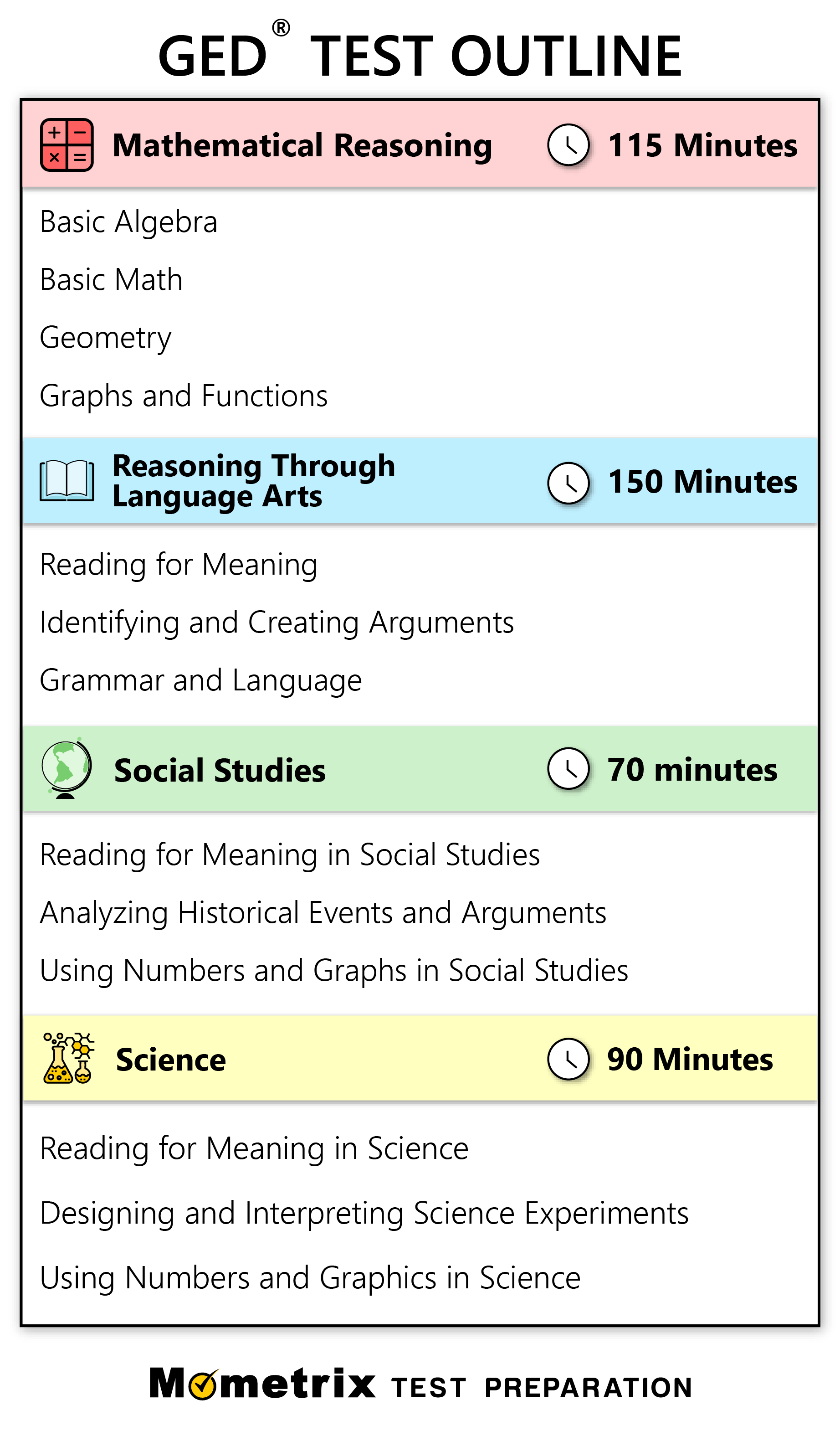
The GED test is not a single exam, but rather a battery of four distinct subject tests. Each test is designed to assess fundamental academic competencies in a way that reflects the knowledge and skills expected of high school graduates. The overarching goal of the GED is to provide individuals who did not complete traditional high school with a pathway to demonstrate their readiness for post-secondary education and the modern workforce.
The Four Subject Tests
The GED exam is divided into four main sections:
1. Reasoning Through Language Arts (RLA)
This section assesses a candidate’s ability to read and comprehend informational and literary passages, to express ideas in writing, and to edit and understand standard written English. It combines both multiple-choice questions and a constructed-response essay. The RLA section aims to measure skills such as:
- Reading Comprehension: Analyzing and interpreting texts from various genres, including literature, science, social studies, and historical documents. This involves identifying main ideas, supporting details, author’s purpose, tone, and making inferences.
- Writing Skills: Evaluating grammar, usage, mechanics, and sentence structure. Candidates will be tested on their ability to identify and correct errors in written English.
- Extended Reasoning: Demonstrating understanding of complex texts and ideas, and articulating well-supported arguments.
- Essay Writing: A critical component of the RLA test is the argumentative essay. Candidates are presented with a prompt and must construct a well-organized essay that presents a clear claim, supports it with evidence from provided texts, and demonstrates logical reasoning. This essay is evaluated for its clarity, coherence, evidence, and command of language.
2. Mathematical Reasoning
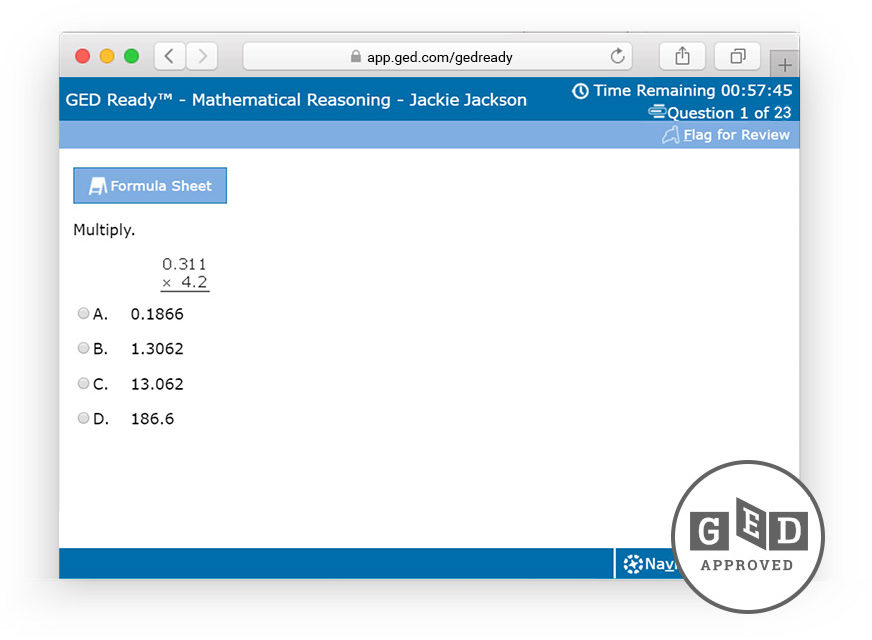
This section evaluates a candidate’s mathematical skills and problem-solving abilities across a range of topics. It includes both multiple-choice questions and drag-and-drop items, and a calculator is permitted for certain portions of the test. The Mathematical Reasoning test focuses on:
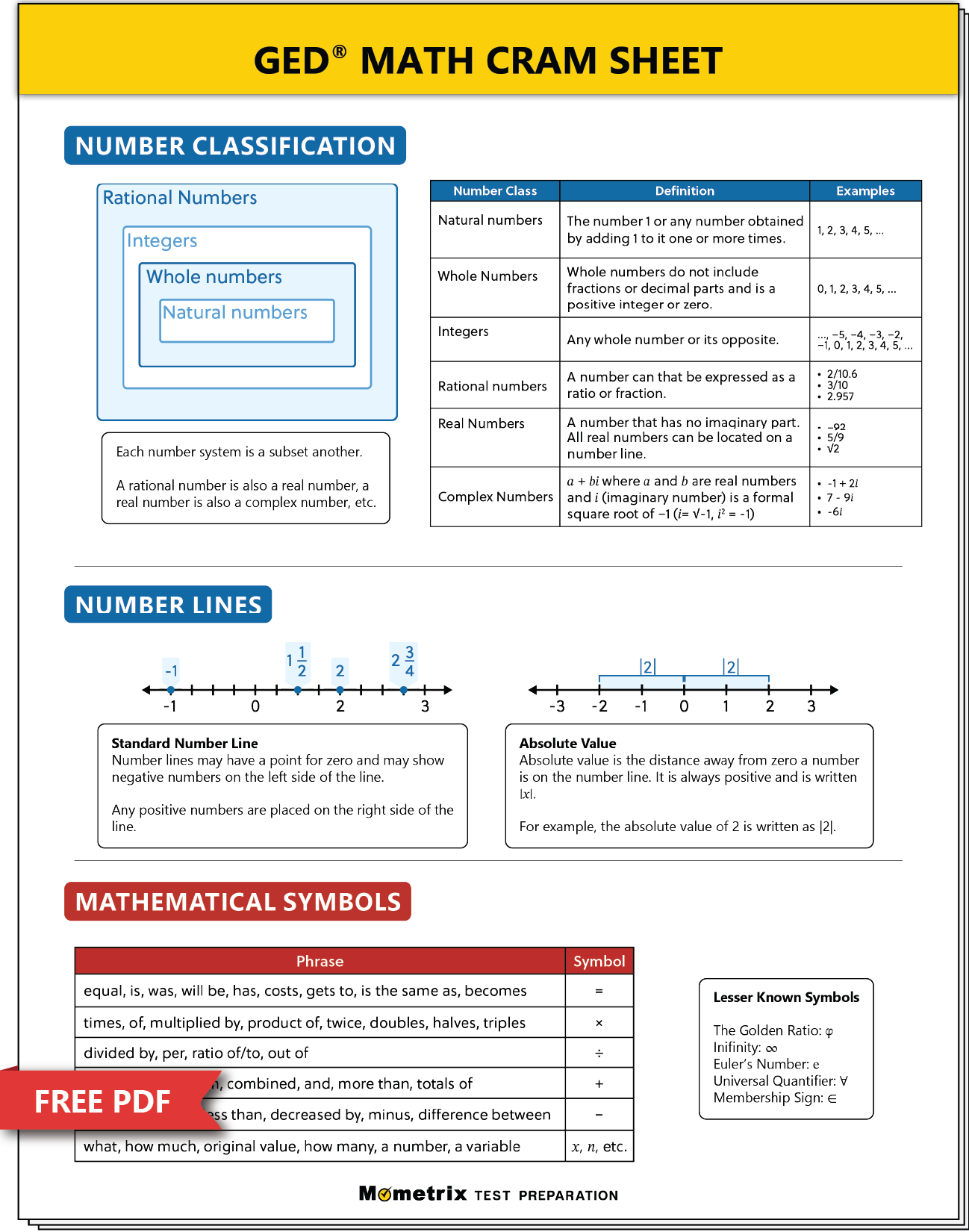
- Quantitative Problem Solving: Applying mathematical concepts to solve real-world problems involving numbers, data, and measurement. This includes understanding fractions, decimals, percentages, ratios, and proportions.
- Algebraic Reasoning and Functions: Working with algebraic expressions, equations, inequalities, and functions. This involves understanding variables, graphing linear equations, and solving for unknown values.
- Geometry: Applying geometric principles to solve problems related to shapes, area, perimeter, volume, and spatial reasoning.
- Data Analysis, Statistics, and Probability: Interpreting graphs, charts, and tables to draw conclusions, understanding basic statistical measures, and calculating probabilities.
3. Science
The Science test measures a candidate’s understanding of scientific concepts and their ability to apply scientific reasoning skills. It encompasses life science, physical science, and Earth and space science. The Science test emphasizes:
- Life Science: Understanding core concepts related to living organisms, their structures, functions, and interactions. Topics include cell biology, genetics, evolution, ecology, and human body systems.
- Physical Science: Exploring fundamental principles of chemistry and physics. This includes understanding matter, energy, forces, motion, and the states of matter.
- Earth and Space Science: Examining concepts related to the Earth’s systems, its place in the universe, and natural phenomena. Topics include geology, meteorology, astronomy, and environmental science.
- Scientific Inquiry and Reasoning: The test assesses the ability to interpret data from experiments, understand scientific methodology, and draw logical conclusions from scientific information presented in text and graphic formats.
4. Social Studies
This section tests a candidate’s knowledge of history, civics, government, and geography, as well as their ability to interpret social studies-related texts and data. The Social Studies test covers:
- U.S. History: Key events, figures, and developments in American history from pre-colonial times to the present. This includes understanding the Constitution, the Civil War, the Civil Rights Movement, and major political and economic shifts.
- Civics and Government: Understanding the principles of American government, the structure of the U.S. Constitution, the role of citizens, and the functions of different branches of government.
- Economics: Basic economic concepts, including supply and demand, markets, and the role of government in the economy.
- Geography: Understanding spatial relationships, map reading, and the influence of geography on historical and social events.
- Analyzing Social Studies Data: Candidates will be expected to interpret charts, graphs, maps, and other data presented in social studies contexts.
Key Competencies and Skills Assessed
Beyond the specific subject matter, the GED test is designed to evaluate a core set of competencies that are essential for success in college and career. These skills are interwoven across all four subject tests, reflecting a holistic approach to academic readiness.
Critical Thinking and Problem Solving
A central theme throughout the GED is the assessment of critical thinking and problem-solving abilities. This means candidates are not just expected to recall facts, but to analyze information, evaluate arguments, draw logical conclusions, and apply knowledge to new situations. Whether it’s dissecting a complex passage in RLA, solving a multi-step word problem in Math, interpreting experimental results in Science, or analyzing historical cause and effect in Social Studies, critical thinking is paramount.
Reading Comprehension and Information Literacy
The ability to read, understand, and interpret various forms of text is fundamental to the GED. Candidates will encounter informational texts, literature, historical documents, scientific data, and graphical representations. They must be able to identify main ideas, supporting details, author’s purpose, tone, and make inferences. Furthermore, the test emphasizes information literacy – the ability to locate, evaluate, and use information effectively, particularly in the context of research and argumentation.
Written Communication
The argumentative essay in the Reasoning Through Language Arts section is a direct assessment of written communication skills. However, strong written communication is also implicitly evaluated in the constructed-response items within other sections. Candidates need to articulate their thoughts clearly, organize their ideas logically, and use precise language. This includes understanding grammar, punctuation, and sentence structure to convey meaning effectively.
Data Analysis and Interpretation
In today’s data-driven world, the ability to understand and interpret data is crucial. The GED heavily emphasizes this skill across all subject areas. Candidates will be expected to read and interpret charts, graphs, tables, and other visual representations of data. This includes understanding statistical measures, identifying trends, and drawing conclusions from numerical and graphical information.
Preparing for the GED Test: Strategies for Success
Passing the GED requires a dedicated and structured approach to preparation. While the test assesses fundamental skills, effective preparation can significantly boost confidence and improve performance.
Familiarize Yourself with the Test Format and Content
The first step in preparation is to understand exactly what the GED entails. This includes reviewing the content outlines for each of the four subject tests. Online resources from GED Testing Service, official GED preparation books, and reputable online courses can provide detailed information on the topics covered and the types of questions asked. Practicing with official GED practice tests is invaluable for understanding the format and pacing of the actual exam.
Develop Strong Foundational Skills
If certain academic areas are weak, it’s crucial to go back and strengthen those foundational skills. This might involve reviewing basic math concepts, improving reading comprehension strategies, or refreshing knowledge in science and social studies. Many adult education programs and online platforms offer remedial courses designed to help individuals build these essential skills.
Utilize Official GED Resources and Study Guides
GED Testing Service offers a wealth of official resources, including practice tests, study guides, and online learning modules. These materials are specifically designed to align with the GED test’s content and rigor. Utilizing these resources ensures that your preparation is targeted and effective.
Practice, Practice, Practice
Consistent practice is key to mastering the GED. Work through practice problems regularly, focusing on understanding the reasoning behind correct answers and identifying areas where you need more work. Pay close attention to timing during practice sessions to simulate the actual test environment.
Understand Scoring and Passing Requirements
The GED is scored on a scale from 100 to 200 for each test, with a passing score of 145 for each subject. To earn a GED credential, you must pass all four tests. Understanding the scoring system and the passing threshold can help you set realistic goals and track your progress during your study period.
Consider a GED Prep Course or Tutor
For those who benefit from structured learning or one-on-one support, enrolling in a GED preparation course or working with a tutor can be highly beneficial. These programs often provide comprehensive curricula, expert instruction, and personalized feedback, helping to address individual learning needs and challenges.
By understanding the breadth and depth of the GED test – its four subject areas, the skills it assesses, and implementing a strategic preparation plan – aspiring GED holders can confidently approach the exam and achieve their educational and career goals. The GED represents a significant accomplishment, opening doors to a future of opportunity and continuous learning.
aViewFromTheCave is a participant in the Amazon Services LLC Associates Program, an affiliate advertising program designed to provide a means for sites to earn advertising fees by advertising and linking to Amazon.com. Amazon, the Amazon logo, AmazonSupply, and the AmazonSupply logo are trademarks of Amazon.com, Inc. or its affiliates. As an Amazon Associate we earn affiliate commissions from qualifying purchases.