
In the ever-evolving landscape of the beauty industry, where innovation and consumer demand constantly reshape product categories, understanding the fundamental purpose and market positioning of core offerings is paramount. For brands navigating this dynamic space, a seemingly simple product like a skin toner can represent a significant opportunity for engagement, differentiation, and revenue. But beyond the superficial application, what truly is a skin toner from a brand perspective? It’s more than just a liquid in a bottle; it’s a carefully formulated product, a marketing message, and a crucial step in a consumer’s skincare ritual, all of which contribute to a brand’s overall identity and market success.

This exploration delves into the multifaceted nature of skin toners, not as a personal skincare guide, but as a lens through which brands can analyze product development, marketing strategies, and consumer perception. We will dissect the historical evolution, functional benefits, and diverse formulations of toners, examining how these elements translate into actionable insights for brands aiming to captivate their target audience and build lasting brand loyalty within the competitive skincare market.
The Evolution of Toner: From Harsh Cleanser to Sophisticated Skincare Solution
The journey of skin toners from their rudimentary beginnings to their current sophisticated status is a compelling narrative of market adaptation and brand repositioning. Initially conceived as an extension of the cleansing process, often laden with alcohol and astringents, their primary function was to strip away any residual impurities and tighten pores. This early iteration, however, often led to a perception of harshness and dryness, which brands had to contend with and eventually overcome.
From Astringent Afterthought to Targeted Treatment
In the early days of cosmetic science, toners were largely viewed as a final, often aggressive, step in cleansing. Brands marketed them as potent pore-minimizers and oil-removers. This approach, while effective for some, alienated a significant segment of consumers who experienced irritation and discomfort. The prevalent use of alcohol and high concentrations of astringent ingredients created a specific brand perception – one of strength and intensity, but also of potential damage. Brands in this era often competed on the basis of “how effectively” their toner could strip the skin, a strategy that is largely antithetical to today’s focus on gentle efficacy and skin barrier support.
The Paradigm Shift: Hydration, Balance, and Multi-Functionality
The true renaissance of the skin toner began with a fundamental shift in consumer understanding and brand messaging. As dermatological research advanced and consumers became more educated about skin health, the demand moved away from stripping and towards nurturing. Brands that embraced this shift began to reformulate their toners, significantly reducing or eliminating harsh alcohols and incorporating hydrating, soothing, and nutrient-rich ingredients. This repositioning transformed toners from a mere cleaning agent into a preparatory and treatment step.
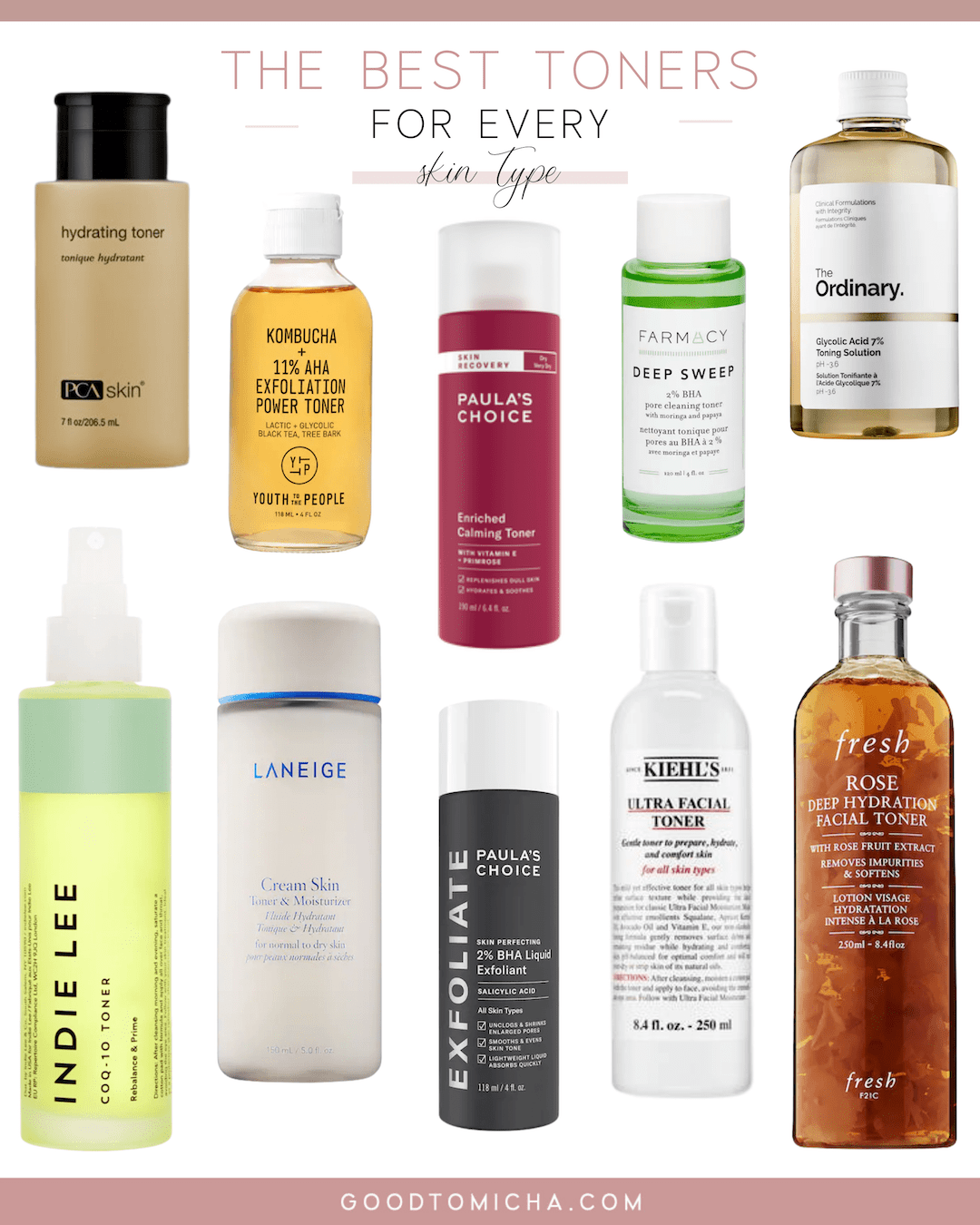
This evolution allowed brands to introduce a spectrum of toner types, each targeting specific concerns and appealing to distinct market segments. For instance, hydrating toners became popular for dry and sensitive skin, offering a soothing and plumping effect. Exfoliating toners, powered by gentle acids like AHAs and BHAs, emerged as solutions for acne-prone and dull skin, promising a brighter and smoother complexion. Balancing toners aimed to restore the skin’s natural pH, creating an optimal environment for subsequent product absorption. This diversification enabled brands to carve out specific niches, offering tailored solutions that resonated with a wider array of consumer needs and preferences, ultimately enhancing brand relevance and market penetration.
Deconstructing Toner Formulations: The Science Behind Brand Claims
The chemical composition of a skin toner is the bedrock upon which its efficacy and market positioning are built. For brands, understanding the interplay of key ingredients is crucial for developing compelling product narratives, justifying price points, and establishing credibility. Each component plays a specific role, contributing to the overall experience and perceived benefits of the product.
The Pillars of Performance: Key Ingredient Categories
Brands leverage a diverse array of ingredients to craft their toner formulations, each designed to address specific skincare concerns and deliver tangible results. At the forefront are humectants, such as hyaluronic acid, glycerin, and panthenol (Vitamin B5). These ingredients are critical for attracting and retaining moisture in the skin, a key selling point for hydrating and plumping toners. Their presence directly supports brand claims of increased skin hydration and a smoother, more supple texture.
Emollients like plant-derived oils (jojoba, squalane) and ceramides, while less common in traditional toners, are increasingly being incorporated into more nourishing formulations. These ingredients help to soften and smooth the skin’s surface, supporting the skin barrier and contributing to a dewy finish, appealing to brands targeting consumers seeking a more luxurious or replenishing experience.
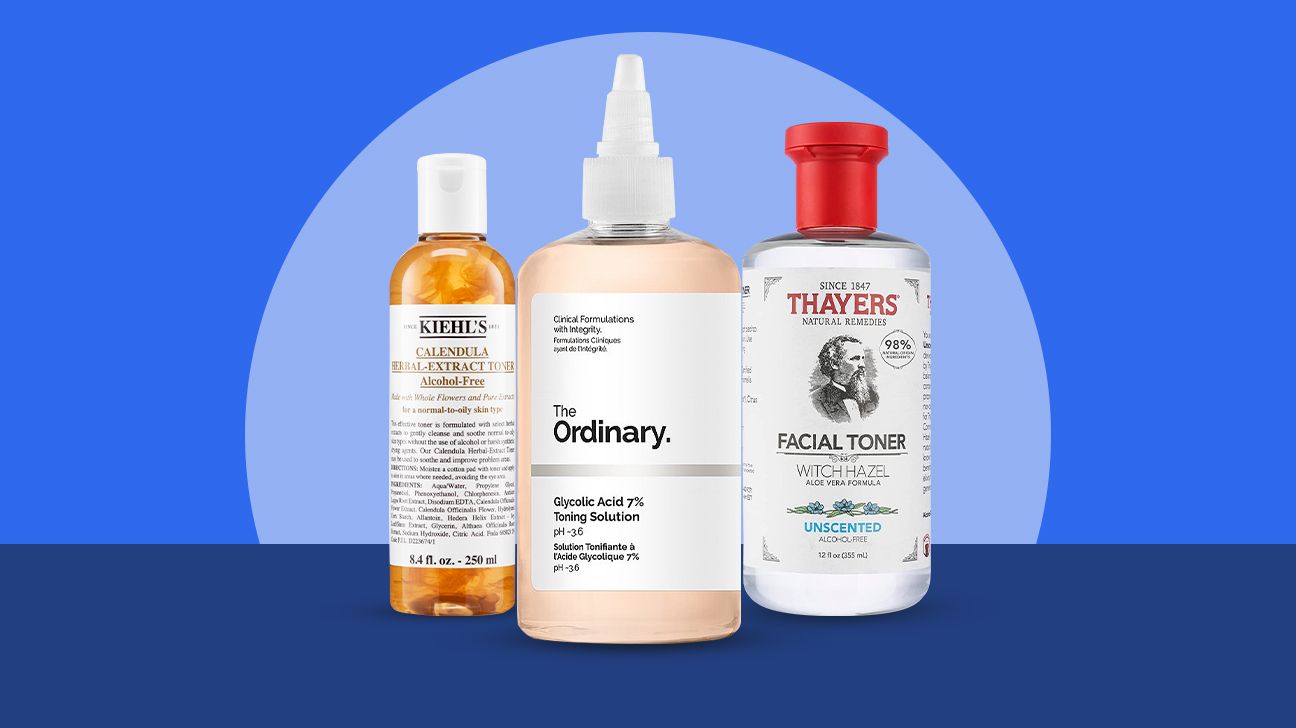
Astringents, while often associated with older toner formulations, are still present in some products, albeit in gentler forms. Witch hazel, for example, offers mild astringent properties that can help to temporarily minimize the appearance of pores and control excess oil, appealing to brands focused on managing oily or combination skin.
Furthermore, active ingredients are a significant differentiator for brands. Alpha Hydroxy Acids (AHAs) like glycolic and lactic acid, and Beta Hydroxy Acids (BHAs) like salicylic acid, are popular in exfoliating toners. Brands utilize these to claim benefits such as improved skin texture, reduced acne breakouts, and enhanced radiance. Antioxidants such as Vitamin C and green tea extract are incorporated to combat free radical damage and support anti-aging claims, appealing to a more mature or preventative skincare market. Soothing agents like chamomile, centella asiatica (cica), and aloe vera are vital for brands targeting sensitive or irritated skin, reinforcing claims of calming and restorative properties.
The Importance of pH and Formulation Stability
Beyond individual ingredients, the overall formulation and the pH balance of a toner are critical for brand credibility and product performance. A toner’s pH should ideally align with the skin’s natural pH, which is typically between 4.5 and 5.5. Toners with a significantly higher or lower pH can disrupt the skin’s acid mantle, leading to irritation, dryness, and increased susceptibility to bacteria. Brands that meticulously formulate for an optimal pH can confidently market their products as “skin-friendly” and “barrier-supporting,” building trust and alleviating consumer concerns about potential damage.
Formulation stability is another technical aspect that brands must master. This refers to the product’s ability to maintain its intended characteristics, efficacy, and safety over its shelf life. Stable formulations ensure that the active ingredients remain potent, the texture remains consistent, and the product does not separate or degrade. Brands invest in rigorous testing to guarantee stability, as this directly impacts product quality and consumer satisfaction, ultimately safeguarding brand reputation. The careful selection and balancing of ingredients, coupled with a commitment to optimal pH and stability, are not just scientific endeavors but strategic brand decisions that dictate how a toner is perceived and performs in the market.
Marketing Toners: Crafting Narratives and Building Brand Equity
The success of a skin toner in the market is not solely dictated by its formulation; it is profoundly shaped by how brands communicate its value and integrate it into consumer routines. Marketing plays a pivotal role in defining a toner’s identity, from its target audience to its aspirational benefits, ultimately contributing to the brand’s overall equity.
Identifying and Engaging the Target Audience
For any brand, a deep understanding of its target demographic is the cornerstone of effective toner marketing. Are you aiming for the Gen Z consumer seeking clear, blemish-free skin, or the mature individual focused on anti-aging and hydration? Each demographic responds to different messaging, ingredient highlights, and aesthetic appeals.
Brands that excel in this area conduct thorough market research to identify unmet needs and consumer desires within specific segments. For instance, a brand targeting oily and acne-prone skin might emphasize salicylic acid and pore-refining benefits through platforms like TikTok and Instagram, utilizing influencers who resonate with this age group. Conversely, a brand focused on mature skin might leverage the sophistication of hyaluronic acid and peptide complexes, communicating through more established beauty publications and emphasizing long-term skin health and rejuvenation. The language used, the visual aesthetics of the marketing collateral, and the chosen channels all contribute to building a strong connection with the intended audience.
The Power of the “Skincare Ritual” Narrative
In today’s beauty landscape, consumers are increasingly invested in the experience and the holistic approach to skincare. Brands that successfully position their toners as an integral part of a “skincare ritual” create a deeper emotional connection and a sense of elevated self-care. This narrative moves beyond mere product functionality to encompass well-being and personal indulgence.
Marketing campaigns can frame the toner application as a moment of mindfulness, a refreshing pause in a busy day, or a crucial preparatory step that enhances the effectiveness of other products. For example, a brand might create aspirational content showcasing the smooth, sensorial application of their toner, linking it to feelings of calm and rejuvenation. They might suggest pairing it with specific serums and moisturizers, creating a complete regimen that reinforces the toner’s indispensable role. This narrative strategy fosters brand loyalty by embedding the product within a larger, desirable lifestyle, transforming a simple step into a valued habit.
Differentiation in a Crowded Marketplace
The toner category is undeniably crowded. To stand out, brands must articulate a clear Unique Selling Proposition (USP). This could stem from innovative ingredient combinations, a commitment to sustainable sourcing, a dermatologist-backed formulation, or a specific functional benefit that competitors may overlook.
Brands can leverage their ingredient story, highlighting proprietary blends or ethically sourced botanical extracts to create a narrative of exclusivity and efficacy. For example, a brand might focus on a specific adaptogenic herb, marketing its harmonizing properties and its connection to ancient wellness practices. Alternatively, a brand could champion a “clean beauty” ethos, emphasizing minimalist formulations free from parabens, sulfates, and synthetic fragrances, appealing to the growing segment of conscious consumers. By clearly defining what makes their toner different and superior, brands can cut through the noise, attract discerning customers, and build a strong, recognizable identity within the competitive skincare market. This strategic differentiation is key to not only acquiring new customers but also fostering long-term brand advocacy.
aViewFromTheCave is a participant in the Amazon Services LLC Associates Program, an affiliate advertising program designed to provide a means for sites to earn advertising fees by advertising and linking to Amazon.com. Amazon, the Amazon logo, AmazonSupply, and the AmazonSupply logo are trademarks of Amazon.com, Inc. or its affiliates. As an Amazon Associate we earn affiliate commissions from qualifying purchases.