
Understanding “what year in the Muslim calendar” transcends mere historical curiosity; for millions globally, it is fundamental to daily life, cultural practices, and, critically, financial management. The Islamic calendar, known as the Hijri calendar (AH – Anno Hegirae), operates on a purely lunar cycle, making it distinct from the solar-based Gregorian calendar most commonly used worldwide for civil purposes. This lunar foundation dictates not only religious observances but also the timing of significant financial obligations and opportunities within the framework of Islamic finance. As of late 2023 and early 2024 in the Gregorian calendar, we are currently in the Hijri year 1445 AH. This article delves into the intricacies of the Hijri calendar, exploring its current year, and critically examining its profound and often underestimated impact on personal finance, investment strategies, and business operations within the Muslim world and beyond.
The shifting nature of the Hijri year relative to the Gregorian calendar presents unique challenges and considerations for financial planning. From the annual obligation of Zakat to the significant expenses associated with pilgrimage (Hajj) and the economic rhythms generated by major festivals like Eid al-Fitr and Eid al-Adha, the Hijri calendar is the silent orchestrator of a vast financial ecosystem. Recognizing its significance allows for more insightful budgeting, strategic investment, and a deeper alignment of financial practices with Islamic principles.
The Foundation: Understanding the Hijri Calendar and Its Current Year
The Hijri calendar is not merely a different way of numbering years; it represents a distinct worldview and a unique approach to time itself. Its lunar basis imbues it with characteristics that profoundly influence planning, particularly in the financial domain.
A Lunar Journey Through Time: Origins and Structure
The Hijri calendar commenced in 622 CE (Common Era), marking the migration (Hijra) of Prophet Muhammad from Mecca to Medina. This pivotal event in Islamic history serves as the epoch for the calendar, designated as 1 AH. Unlike the solar Gregorian calendar, which measures approximately 365.25 days, the Hijri calendar is strictly lunar, comprising 12 months that alternate between 29 and 30 days. Consequently, a Hijri year is approximately 354 or 355 days long – roughly 10 to 11 days shorter than a Gregorian year.
This shorter year means that Hijri dates “drift” backward through the Gregorian calendar by about 10-11 days each year. Over the course of approximately 33 solar years, the Hijri calendar will cycle through all the seasons, ensuring that religious observances and financially significant events like Ramadan or Hajj do not remain fixed to a particular season. This inherent variability necessitates a flexible and dynamic approach to financial planning for individuals and businesses operating within or serving Muslim communities.
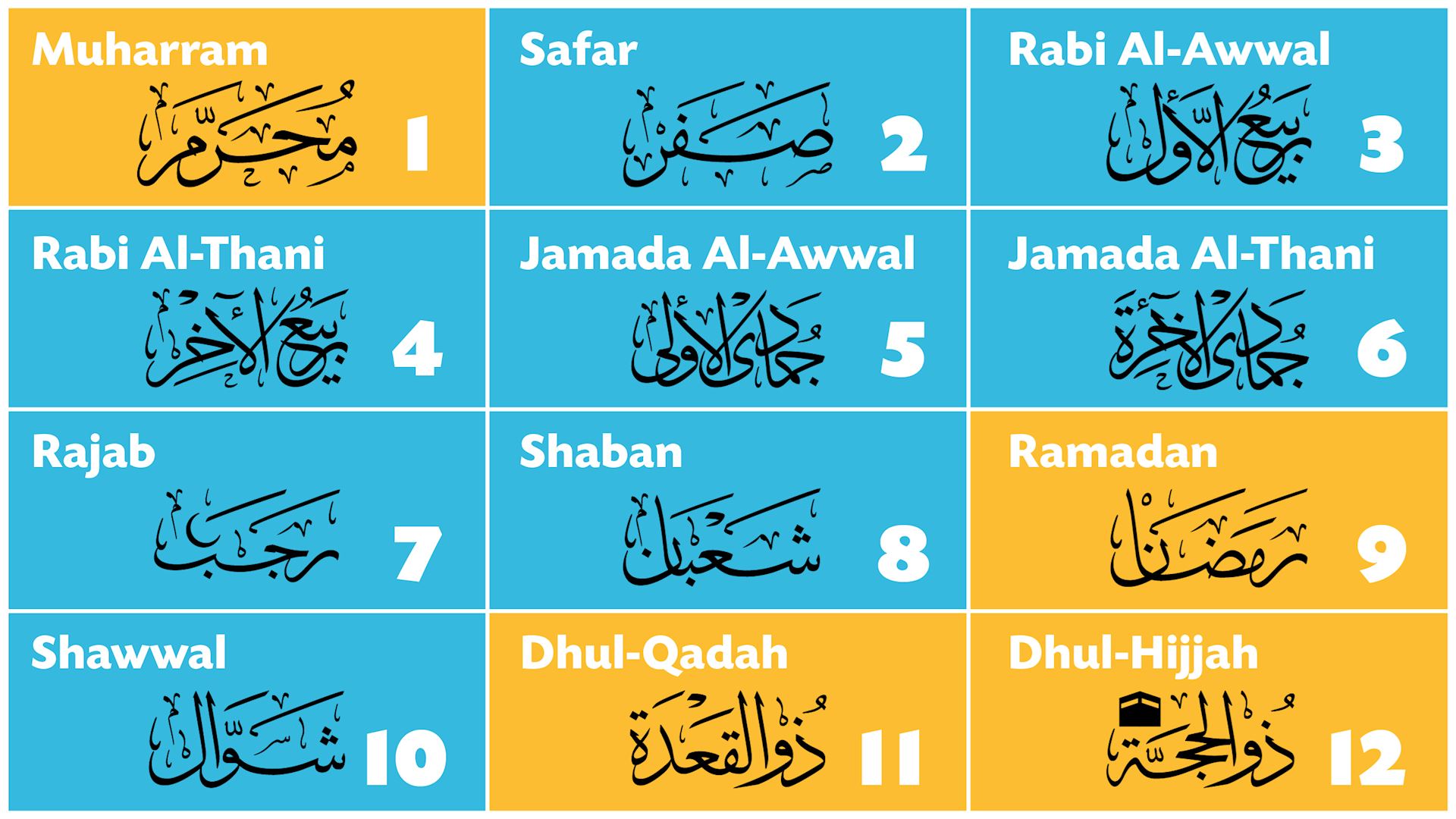
The 12 months of the Hijri calendar are: Muharram, Safar, Rabi’ al-Awwal, Rabi’ al-Thani, Jumada al-Ula, Jumada al-Akhirah, Rajab, Sha’ban, Ramadan, Shawwal, Dhul Qa’dah, and Dhul Hijjah. Each month’s commencement is traditionally determined by the sighting of the crescent moon, which can lead to slight variations in dates across different regions and Islamic authorities, adding another layer of complexity to precise, universal financial scheduling.
Determining the Current Hijri Year: 1445 AH
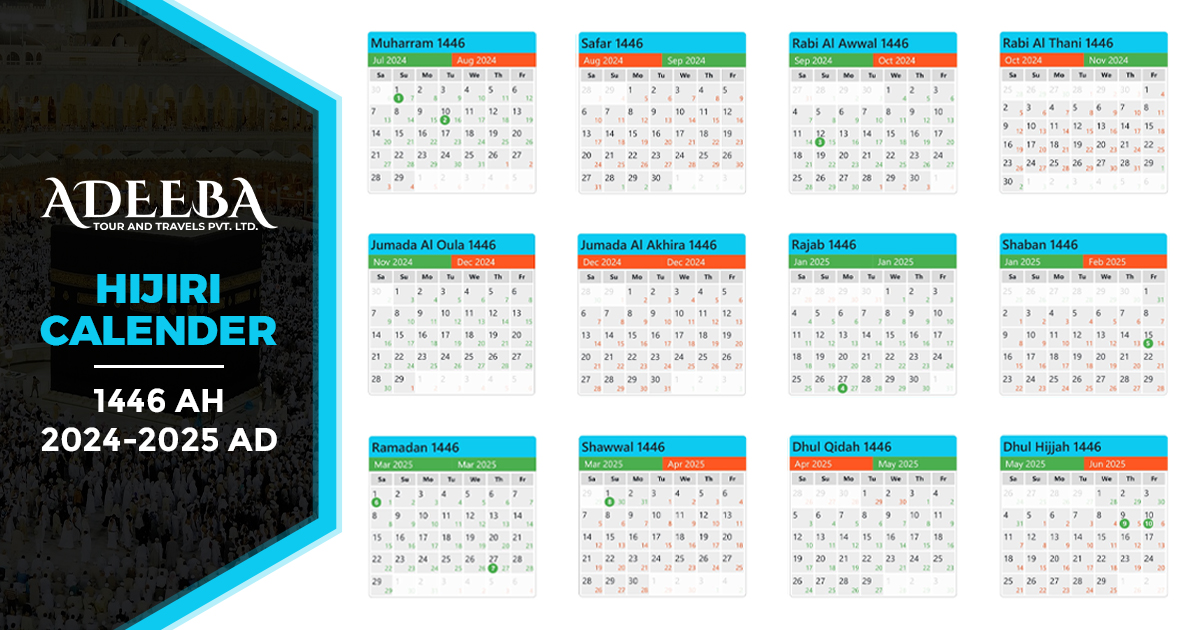
As of the Gregorian months of late 2023 and early 2024, we are in the Hijri year 1445 AH. The Islamic New Year (1 Muharram) for 1445 AH began around July 19, 2023, in the Gregorian calendar. This calculation relies on astronomical predictions for moon sighting, though local religious authorities often make the final declaration.
This ongoing “drift” means that any financial planning tied to the Hijri calendar must account for these moving dates. For instance, an event that occurred in late summer in 1444 AH might fall in early summer or late spring in 1445 AH. For finance professionals and observant Muslims, this is not just an academic detail but a practical consideration that affects budgeting, asset valuation cycles, and the timing of financial obligations and distributions. The need to ascertain “what year in the Muslim calendar” becomes an annual exercise in recalibration, critical for compliance and strategic financial foresight.
The Hijri Calendar’s Indispensable Role in Islamic Finance
The principles of Islamic finance are deeply intertwined with the Hijri calendar. From charitable giving to investment cycles and major life events, the lunar calendar provides the temporal framework for adherence to Sharia-compliant financial practices.
Zakat: The Annual Obligation and Financial Planning
Zakat, often translated as “almsgiving,” is one of the Five Pillars of Islam and an annual religious obligation for Muslims who meet the necessary criteria of wealth. It involves donating a portion (typically 2.5%) of one’s accumulated wealth and certain assets to specified categories of beneficiaries. Crucially, Zakat is calculated on a “Hawl” (lunar year) basis. This means that a person’s Zakat-able wealth is assessed after a full Hijri year has passed from the date the wealth reached the Nisab (minimum threshold).
The variable length of the Hijri year poses a unique challenge for Zakat calculation, especially for individuals whose income and assets are primarily tracked using the Gregorian calendar. A business might close its fiscal year in December (Gregorian), but its Zakat year might end several weeks earlier or later. Failing to account for this can lead to incorrect Zakat payments, either underpaying or overpaying, and potentially missing the spiritual benefits of timely fulfillment. Effective financial planning for Zakat requires diligent tracking of assets against the Hijri calendar, necessitating robust record-keeping and potentially dedicated financial tools to ensure accuracy and compliance. This annual recalculation based on “what year in the Muslim calendar” is a core financial exercise for many.
Hajj and Umrah: Planning for a Spiritual and Financial Journey
The Hajj, the pilgrimage to Mecca, is another Pillar of Islam and a once-in-a-lifetime obligation for every Muslim who is physically and financially able to undertake it. The timing of Hajj is fixed within the Hijri calendar, taking place during the month of Dhul Hijjah. Similarly, Umrah, the lesser pilgrimage, can be performed at any time, but its peak seasons often coincide with school holidays or specific times of the Hijri year.
Undertaking Hajj involves substantial financial planning, often spanning several years. Costs include travel, accommodation, visas, and spending money. Because the Hajj dates shift annually against the Gregorian calendar, individuals planning for this journey must save and budget with this variability in mind. For example, a Hajj package priced for a specific Gregorian calendar year might see its cost change due to currency fluctuations, travel demand, or local economic conditions by the time the actual Dhul Hijjah month arrives in a subsequent Gregorian year. Tour operators and financial institutions offering Hajj savings plans must also manage this temporal discrepancy, providing flexible financial products that align with the lunar calendar’s rhythm.
Eid al-Fitr and Eid al-Adha: Economic Rhythms and Spending

The two major Islamic festivals, Eid al-Fitr (marking the end of Ramadan) and Eid al-Adha (the Feast of Sacrifice, coinciding with Hajj), are pivotal moments in the Hijri year with significant economic implications.
Eid al-Fitr typically involves increased spending on gifts, new clothes, special foods, and travel to visit family. Before this Eid, Muslims are also obligated to pay Zakat al-Fitr, a smaller charitable contribution designed to ensure everyone can celebrate. Similarly, Eid al-Adha involves the ritual sacrifice of an animal (Qurbani or Udhiyah), the meat of which is distributed to family, friends, and the needy. This tradition alone creates a substantial economic activity in livestock markets globally.
The shifting Gregorian dates of these Eids mean that businesses catering to Muslim consumers must adjust their marketing, inventory management, and staffing strategies annually. Retailers, food suppliers, and travel agencies experience predictable surges in demand, but the exact timing of these surges varies year to year. From a personal finance perspective, families must integrate these variable “peak spending” periods into their annual budgets, understanding that they will not consistently align with fixed monthly Gregorian pay cycles or school holidays. Knowing “what year in the Muslim calendar” it is helps businesses and families anticipate these cycles.
Strategic Financial Planning in a Dual Calendar World
Successfully navigating personal and business finance for observant Muslims often means operating effectively across two distinct calendar systems. This dual perspective is crucial for both compliance and prosperity.
Bridging the Calendar Gap for Investments
For investors engaged in Islamic finance, which adheres to Sharia principles (e.g., prohibition of interest, ethical investments), the Hijri calendar is an essential consideration. Investment products like Sukuk (Islamic bonds) or Sharia-compliant funds often have reporting cycles, profit distribution dates, or maturity periods that are either directly or indirectly influenced by Hijri months or annual cycles.
Businesses operating with Islamic financing models might structure their annual reports, financial audits, or debt repayment schedules to align with either the Hijri or Gregorian year, or sometimes both. The challenge lies in harmonizing these different timelines. For instance, if an investment fund’s profit distribution occurs in Ramadan, its Gregorian date will change each year, requiring investors to adjust their expectations for receiving returns. Financial advisors specializing in Islamic finance must therefore possess a deep understanding of both calendars to provide accurate advice on liquidity management, investment timing, and long-term financial projections.
Budgeting for Variable Dates
The fluctuating nature of Hijri dates against the Gregorian calendar makes traditional fixed monthly budgeting models challenging for many Muslim households and businesses. A static annual budget might not adequately account for expenses that shift by 10-11 days each year.
To counter this, a more flexible, rolling budget approach is often advisable. This involves identifying Hijri-dependent expenses (Zakat, Eid gifts, Hajj savings contributions) and allocating funds for them based on their projected Gregorian dates for the upcoming year. For businesses, this means adjusting quarterly sales targets, marketing campaigns, and inventory procurement timelines. For families, it means having a buffer for Eid expenses that might sometimes fall closer to a major Gregorian holiday or salary payout date, or further away. The key is proactive planning and an awareness of “what year in the Muslim calendar” it is, and where its significant events fall in the Gregorian year.
Leveraging Financial Tools for Hijri Calendar Management
The complexity of managing finances across two calendars has spurred innovation in financial technology, providing crucial tools for both individuals and businesses.
Digital Solutions for Zakat Calculation and Tracking
The precise calculation and tracking of Zakat, given its annual Hijri cycle and the varying value of assets, can be complex. Fortunately, a growing number of digital platforms and mobile applications are dedicated to simplifying this process. These tools often allow users to input their assets (cash, gold, silver, shares, property, business inventory) and liabilities, automatically calculate the Nisab based on current market values, and then determine the Zakat due for the current Hijri year.
Many Zakat apps also offer features to track the Hawl, reminding users when their Zakat payment is due. Some even integrate with payment gateways, facilitating direct donations to charitable organizations. These tools are invaluable in ensuring compliance, reducing errors, and making the Zakat obligation manageable, directly addressing the challenge of aligning personal wealth tracking with “what year in the Muslim calendar” it is.
Integrated Financial Planning Software
Beyond Zakat-specific applications, more comprehensive financial planning software and personal finance management (PFM) tools are starting to incorporate features that cater to the dual calendar challenge. These advanced solutions can:
- Display both Gregorian and Hijri dates: Providing a unified view of upcoming financial events.
- Allow for custom event scheduling: Enabling users to set reminders for Hijri-dependent expenses or income.
- Integrate Zakat calculations: Offering a holistic view of financial obligations alongside other budgeting categories.
- Forecast cash flows: Taking into account the shifting dates of major Islamic festivals and their associated spending.
For businesses, enterprise resource planning (ERP) systems in Muslim-majority regions or those serving large Muslim clientele often include modules for Hijri calendar integration, affecting payroll, procurement, and sales forecasting. As the global Muslim economy expands, the demand for such integrated financial tools will undoubtedly grow, emphasizing the continued importance of “what year in the Muslim calendar” means for robust and compliant financial management.
In conclusion, knowing “what year in the Muslim calendar” it is, currently 1445 AH, is far more than a simple date. It is the entry point into a sophisticated system of timekeeping that underpins a significant portion of the global economy through Islamic finance. For individuals, businesses, and investors, a deep understanding of the Hijri calendar’s structure and its inherent variability is essential for accurate financial planning, compliant asset management, and effective budgeting. As the world becomes increasingly interconnected, bridging the gap between the Gregorian and Hijri calendars through strategic planning and technological tools will continue to be a cornerstone of financial success and ethical adherence for observant Muslims worldwide.
aViewFromTheCave is a participant in the Amazon Services LLC Associates Program, an affiliate advertising program designed to provide a means for sites to earn advertising fees by advertising and linking to Amazon.com. Amazon, the Amazon logo, AmazonSupply, and the AmazonSupply logo are trademarks of Amazon.com, Inc. or its affiliates. As an Amazon Associate we earn affiliate commissions from qualifying purchases.