
The iconic film “The Breakfast Club” first graced silver screens on February 15, 1985. Directed by the legendary John Hughes, this seminal teen dramedy didn’t just capture the zeitgeist of the mid-1980s; it established a brand that has transcended generations, influencing pop culture, filmmaking, and our collective understanding of adolescence for nearly four decades. Far more than just a movie, The Breakfast Club quickly evolved into a cultural touchstone, a powerful brand entity whose identity, messaging, and lasting impact offer a masterclass in brand longevity and resonance.
The Genesis of a Cultural Brand: 1985 and Beyond
The release of The Breakfast Club in 1985 was not merely an event in cinematic history; it was the launch of a profound cultural brand. Hughes, already gaining traction for his nuanced portrayal of youth, solidified his reputation with a film that spoke directly to a generation, creating an immediate and enduring connection that many brands strive for but few achieve.
Capturing the Zeitgeist: Initial Release and Reception
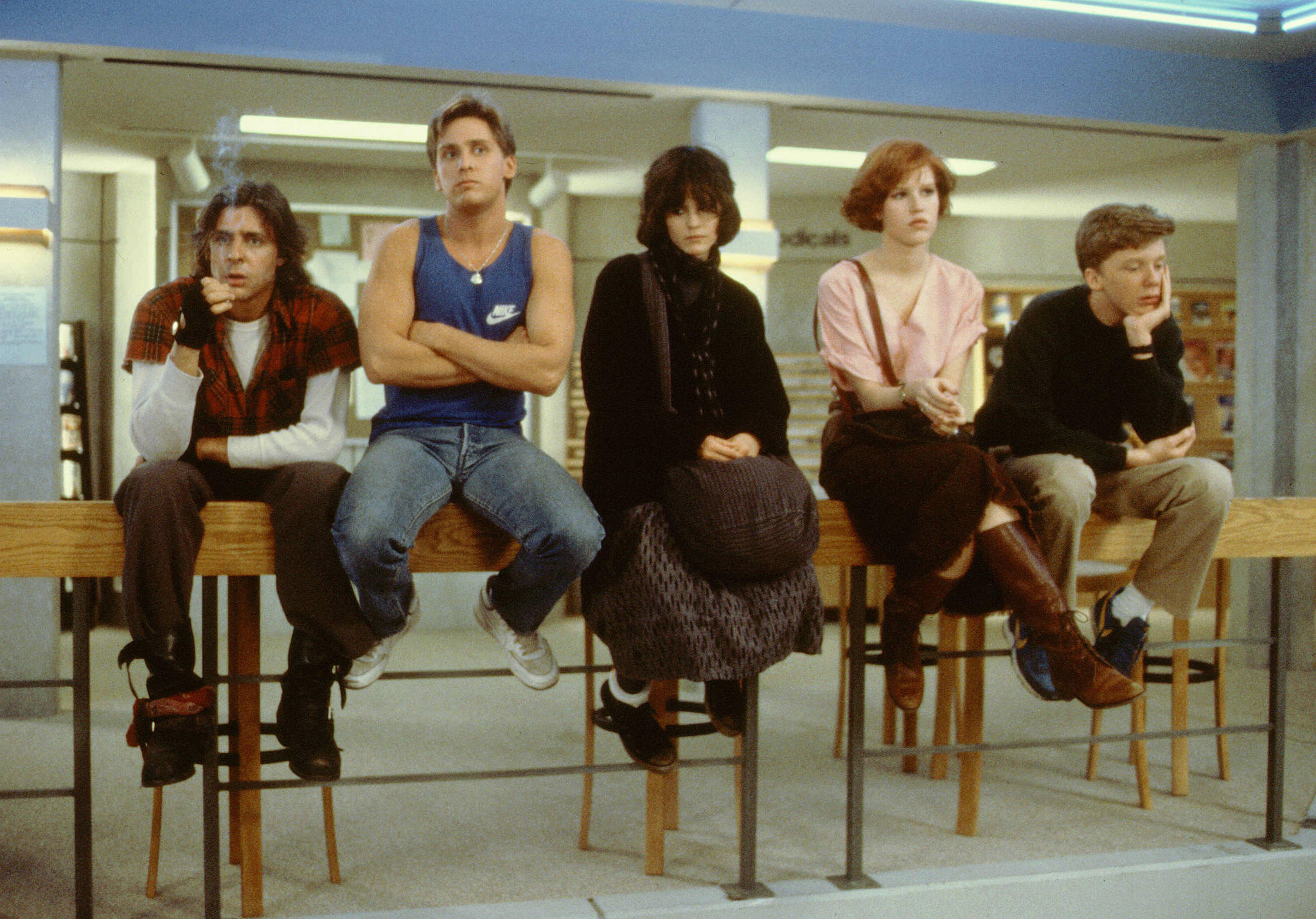
Upon its debut in early 1985, The Breakfast Club was an immediate critical and commercial success. Made on a modest budget of approximately $1 million, it grossed over $51 million worldwide, signaling not just profitability, but a deep audience connection. Critics lauded its smart script, compelling performances, and its ability to delve into complex emotional territory that most teen films of the era shied away from. It tapped into a universal truth about high school and identity, resonating deeply with young audiences who felt seen and understood, and with adults who recalled their own struggles with belonging. This initial burst of enthusiastic reception laid the groundwork for its enduring brand recognition, demonstrating how authentic storytelling can create immediate and lasting brand loyalty. The film didn’t just entertain; it validated, a powerful branding strategy in itself.
John Hughes: The Architect of the Teen Film Brand
John Hughes was more than just a director; he was a brand unto himself, synonymous with intelligent, empathetic portrayals of adolescence. The Breakfast Club stands as perhaps the purest distillation of the “John Hughes brand.” His unique voice understood the angst, humor, and hidden depths of teenagers, often overlooked or trivialized by mainstream media. He crafted narratives where young people were not just caricatures but complex individuals grappling with real issues—peer pressure, parental expectations, the search for identity, and the desire for acceptance. This authenticity became a hallmark of his films and, crucially, of The Breakfast Club‘s brand. Hughes didn’t just make movies; he built a cinematic universe grounded in emotional truth, and The Breakfast Club was a cornerstone that helped define his distinct brand identity in Hollywood and beyond. His brand promised understanding and insight, and the film delivered on that promise with profound success.
Deconstructing The Breakfast Club’s Enduring Brand Identity
The enduring power of The Breakfast Club as a brand lies in its meticulously crafted elements, from its memorable characters to its iconic dialogue and evocative visual and sonic branding. These components collectively form a cohesive brand identity that has proven remarkably resilient and adaptable across decades.
Archetypes as Brand Personas: The Power of Relatability
At the heart of The Breakfast Club‘s brand identity are its five protagonists: John Bender (the Rebel), Claire Standish (the Princess), Andrew Clark (the Jock), Brian Johnson (the Brain), and Allison Reynolds (the Basket Case). These are not just characters; they are distinct brand personas. Each embodies a readily recognizable high school archetype, but the film brilliantly deconstructs these stereotypes, revealing the vulnerability and complexity beneath the surface. This strategy of initially presenting familiar “brand categories” only to subvert them created a powerful sense of relatability. Audiences could see themselves, or aspects of themselves, in each character, fostering an immediate emotional connection. The film successfully communicated that everyone, regardless of their perceived social label, carries hidden struggles and insecurities. This message of universal struggle underpins the film’s brand promise: that despite our differences, we are all connected by our shared humanity.
Messaging That Sticks: Dialogue, Themes, and Emotional Resonance
A strong brand is built on clear, memorable messaging, and The Breakfast Club excels in this regard. Its dialogue is replete with quotable lines that have become embedded in popular culture, from Bender’s defiant “Don’t mess with the bull, young man. You’ll get the horns,” to Brian’s poignant confession, “We’re all pretty bizarre. Some of us are just better at hiding it, that’s all.” These lines are more than just words; they are the core tenets of the Breakfast Club brand message. The film’s themes—alienation, the pressure to conform, the search for authenticity, and the desire for understanding—are universal and timeless. It presented a compelling narrative about breaking down social barriers and finding common ground, even among seemingly disparate individuals. This emotional resonance, combined with its memorable verbal identity, has ensured that the brand’s message remains relevant and impactful for new generations discovering the film.
Visual and Sonic Branding: From Posters to Soundtracks
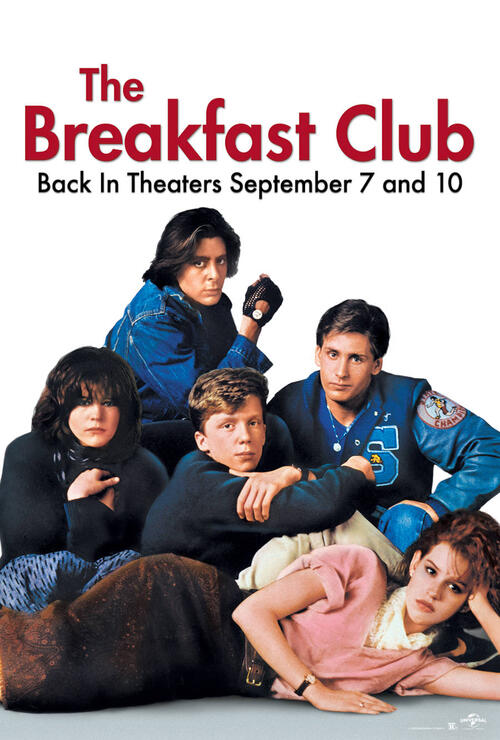
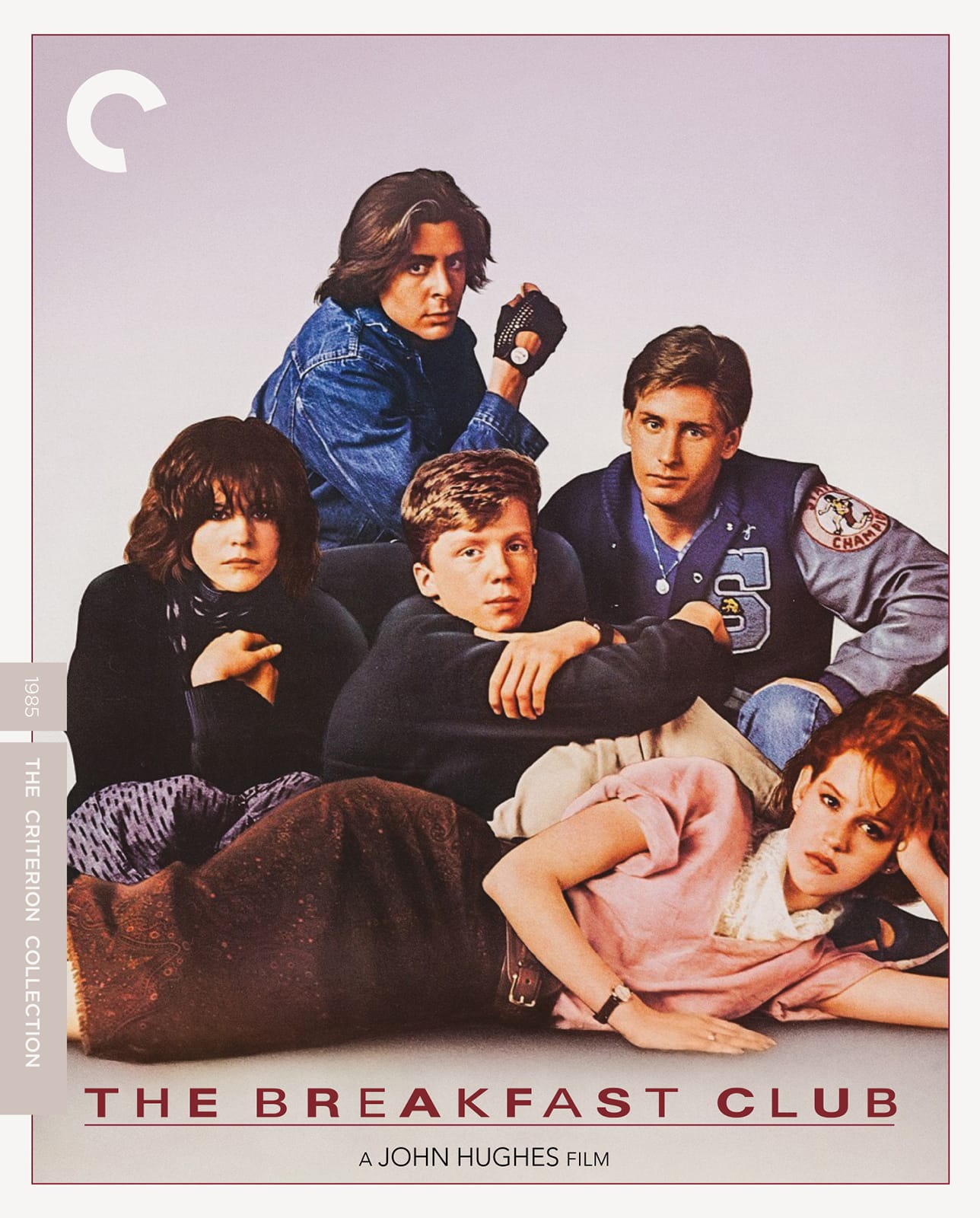
Effective branding often involves distinct visual and sonic elements, and The Breakfast Club masterfully employed both. The film’s iconic poster, featuring the five principal actors huddled together with a sense of defiance and solidarity, is instantly recognizable and has become a powerful symbol of youth rebellion and unity. Its visual simplicity and directness communicate the film’s core theme without words. The setting of the library, initially a place of punishment, transforms into a crucible for emotional revelation and connection, becoming a visual metaphor for personal growth.
Equally critical to its brand identity is the soundtrack, particularly Simple Minds’ “Don’t You (Forget About Me).” This song is not merely a background track; it is the film’s anthem, its sonic signature. Its soaring melody and heartfelt lyrics perfectly encapsulate the film’s themes of longing, memory, and the bittersweet nature of adolescent discovery. The song is inextricably linked to the film, functioning as a powerful piece of sonic branding that evokes the entire experience and emotional landscape of The Breakfast Club instantly.
The Longevity & Evolution of a Brand: Why it Still Matters
A testament to any brand’s strength is its ability to endure and remain relevant across changing cultural landscapes. The Breakfast Club has not only endured but has flourished, continually finding new audiences and cementing its place as an indelible part of global pop culture.
Generational Re-Discovery and Cultural Integration
Nearly forty years since its release, The Breakfast Club continues to be discovered and embraced by new generations. This sustained appeal is a remarkable feat of brand longevity. Each new cohort of teenagers, wrestling with similar issues of identity, peer pressure, and the desire to be understood, finds reflections of their own experiences within the film’s narrative. It has become a cinematic rite of passage, a film that parents introduce to their children, ensuring its cultural transmission. Its themes are evergreen, making it a “classic” that transcends its 1980s setting. Moreover, its influence is evident in countless subsequent teen dramas, comedies, and coming-of-age stories, with many direct references, homages, and parodies solidifying its integrated status within the broader cultural narrative. This continuous re-discovery and integration speak volumes about the strength and timelessness of its brand.
The Digital Age and Brand Reinforcement
The advent of the digital age, with streaming platforms, social media, and online communities, has only served to reinforce The Breakfast Club‘s brand power. Services like Netflix, Hulu, and Amazon Prime Video have given the film unprecedented accessibility, allowing audiences worldwide to discover or re-watch it at their leisure. Social media platforms like TikTok, Twitter, and Instagram buzz with discussions, memes, and fan art related to the film. Scenes and quotes are shared, debated, and recontextualized for modern audiences, proving the film’s adaptability and enduring relevance. This digital presence keeps the Breakfast Club brand alive and vibrant, fostering new layers of engagement and ensuring its continued presence in the contemporary cultural lexicon. It’s a prime example of how older brands can thrive in new media environments through organic fan engagement and digital accessibility.
Marketing the Enduring Legacy: Strategic Brand Management of a Classic
The sustained success of The Breakfast Club is also a function of astute, if sometimes organic, brand management. From its initial theatrical run to its current status as a streaming staple, the film’s legacy has been carefully nurtured, ensuring its brand remains strong and beloved.
From Theatrical Run to Home Media and Beyond
The initial marketing for The Breakfast Club focused on its unique premise and its talented young cast, leveraging the burgeoning “Brat Pack” phenomenon. Its critical acclaim and strong word-of-mouth further amplified its reach. However, the film’s brand extended far beyond its initial cinematic release. The transition to home video (VHS, then DVD, Blu-ray, and digital downloads) allowed for repeated viewings, deepening fan engagement and establishing the film as a cultural touchstone that could be revisited anytime. Special editions, often featuring behind-the-scenes content and director’s commentary, added value and further cemented its status as a collector’s item and a piece of cinematic history. While not heavily merchandised in the way a modern franchise might be, the existence of licensed posters, apparel, and soundtracks over the years indicates a consistent, if subtle, strategy to extend the Breakfast Club brand into various consumer touchpoints.
Cultivating Brand Loyalty: The Power of Nostalgia and Relevance
The continued allure of The Breakfast Club rests on its ability to evoke both powerful nostalgia for those who grew up with it and a sense of fresh relevance for new viewers. For older audiences, the film serves as a potent reminder of their youth, the complexities of high school, and the universal experience of growing up. This emotional connection fosters deep brand loyalty, making it a comfort film to return to. For younger audiences, the film’s exploration of identity, social hierarchies, and the desire for genuine connection remains remarkably pertinent in an increasingly complex world. The brand successfully communicates that despite superficial differences or the passage of time, the core struggles of adolescence are timeless. This blend of nostalgic comfort and contemporary relevance is a powerful strategic advantage, ensuring that the Breakfast Club brand continues to captivate hearts and minds, proving that a truly well-crafted brand can transcend its origins and resonate for generations.
In conclusion, The Breakfast Club, released in 1985, is a testament to the power of a well-defined and emotionally resonant brand. From its initial impact driven by John Hughes’s unique vision and relatable characters to its enduring legacy perpetuated by powerful messaging, iconic visuals, and continuous re-discovery in the digital age, the film exemplifies how an artistic creation can evolve into a timeless cultural brand. Its ability to connect, empathize, and provoke thought has ensured that nearly four decades on, we certainly haven’t forgotten about it.
aViewFromTheCave is a participant in the Amazon Services LLC Associates Program, an affiliate advertising program designed to provide a means for sites to earn advertising fees by advertising and linking to Amazon.com. Amazon, the Amazon logo, AmazonSupply, and the AmazonSupply logo are trademarks of Amazon.com, Inc. or its affiliates. As an Amazon Associate we earn affiliate commissions from qualifying purchases.