
The Victorian era, a period named after its reigning monarch, Queen Victoria, is a significant epoch in British history and, by extension, global history. Spanning nearly seventy years, it was a time of immense transformation, marked by rapid industrialization, unprecedented technological advancements, vast colonial expansion, and profound social and cultural shifts. Understanding the temporal boundaries of this era is crucial for grasping the context of the innovations, societal structures, and global influence that characterized it.
The Victorian era is broadly defined by the length of Queen Victoria’s reign. Ascending to the throne in 1837, she became a symbol of a nation undergoing seismic changes. Her reign concluded with her death in 1901, thus demarcating the period from 1837 to 1901. While these are the precise years of her reign, historical periods are often not as rigidly defined as reigns, and some historians might slightly adjust the start or end dates to encompass the most significant transitional movements and societal shifts. However, for all intents and purposes, the Victorian era is understood to have lasted from 1837 to 1901.
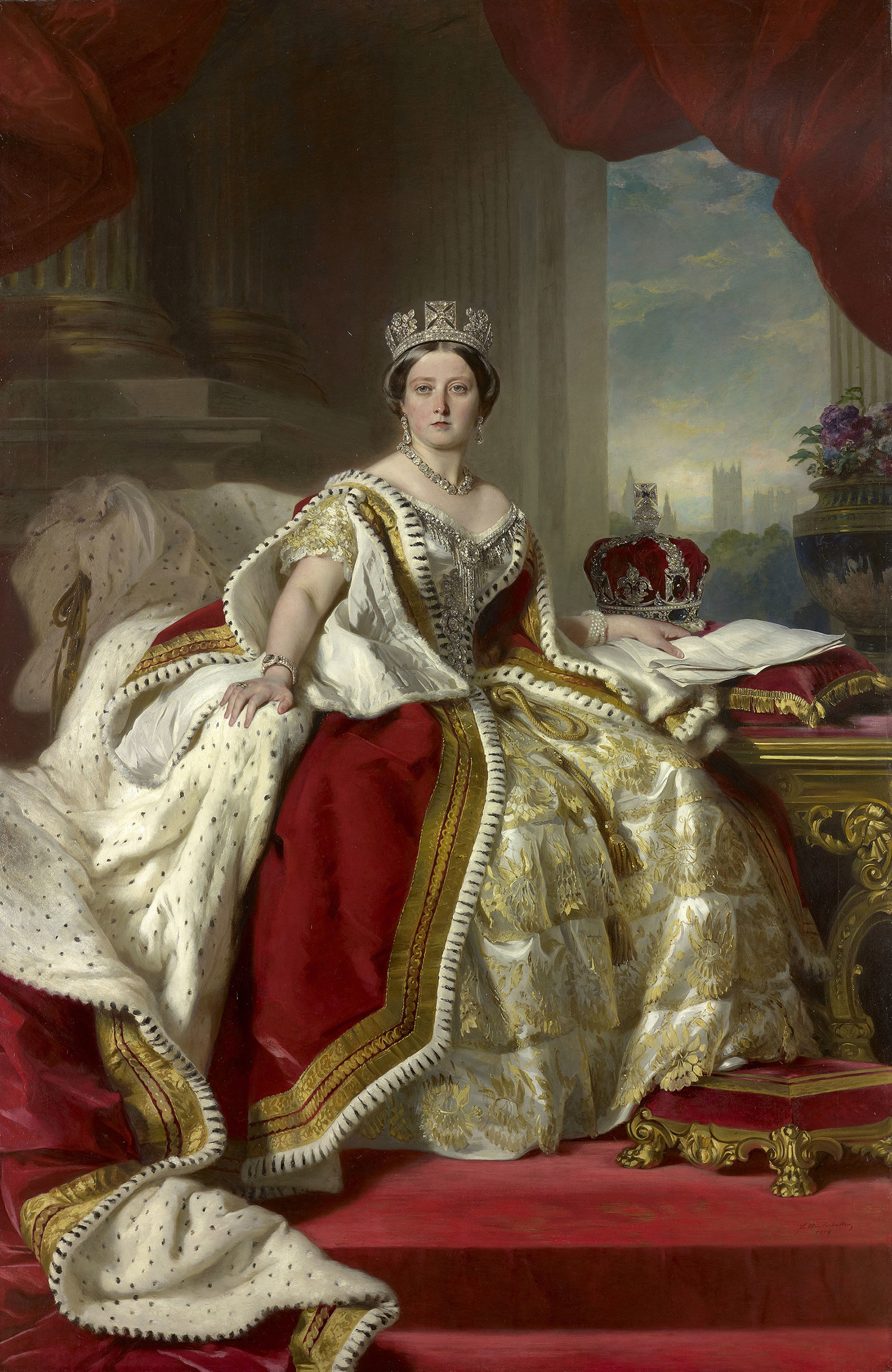
This lengthy reign allowed for the consolidation of numerous trends that defined the era. It was a period where Britain transitioned from an agrarian society to a leading industrial and imperial power. The advancements made in science, technology, and engineering during these decades laid the groundwork for much of the modern world we inhabit today. From the steam engine to the telegraph, the inventions and innovations of the Victorian era fundamentally reshaped human capability and interconnectedness.
The Technological Crucible: Victorian Innovations and Their Enduring Legacy
The Victorian era is intrinsically linked with a period of groundbreaking technological innovation. This wasn’t merely a time of incremental improvements; it was an era of paradigm shifts that redefined industries, transportation, communication, and daily life. The spirit of invention was palpable, fueled by scientific curiosity, entrepreneurial ambition, and the demands of an expanding empire. Understanding the technological landscape of the Victorian era provides crucial insight into the rapid pace of change and the foundational technologies that underpin much of our modern digital world.
The Dawn of Industrialization: Steam, Steel, and the Factory System
The Industrial Revolution, which had begun in the preceding Georgian era, reached its zenith during the Victorian period. The steam engine, perfected and widely adopted, became the powerhouse of this revolution. Its application in factories dramatically increased production capabilities, leading to the rise of the factory system. This system, characterized by mass production, specialization of labor, and urban concentration, fundamentally altered the economic and social fabric of Britain.
The production of iron and, later, steel, also saw remarkable advancements. New smelting techniques and the Bessemer process, developed in the mid-19th century, enabled the mass production of high-quality steel. This cheap and abundant material became the backbone of new infrastructure projects, including railways, bridges, and large buildings, contributing to the era’s distinctive architectural style and engineering marvels.
Communication Revolutionized: The Telegraph and the Photograph
The Victorian era witnessed the birth of instant long-distance communication. The invention and widespread adoption of the electric telegraph, spearheaded by pioneers like Samuel Morse, was a revolutionary development. Suddenly, messages could travel across vast distances at unprecedented speeds, transforming business, news dissemination, and even diplomacy. This laid the groundwork for the interconnectedness we experience today through the internet and other digital communication tools.
Photography, another transformative technology of the era, allowed for the visual recording of life with a fidelity previously unimaginable. From portraits of prominent figures to documentation of scientific expeditions and everyday scenes, photographs provided a new way to capture and preserve reality. This nascent visual medium paved the way for future advancements in imaging technology, from film to digital photography, and profoundly influenced art, journalism, and personal memory-keeping.
Infrastructure and Transportation: Railways and the Modern City
The Victorian era was an age of monumental infrastructure projects. The expansion of railways was perhaps the most visible and impactful. These “iron horses” crisscrossed the country, connecting towns and cities, facilitating the movement of goods and people, and shrinking the perceived distances of the nation. This revolutionized travel, commerce, and leisure, and its impact on urban development and the growth of suburbs was profound.
Beyond railways, canals were expanded and improved, and significant engineering feats were undertaken in bridge construction and urban planning. The development of new water supply and sanitation systems, driven by public health concerns in rapidly growing cities, also represented crucial technological advancements that improved living conditions and laid the foundation for modern municipal services.
The Financial Engine of the Victorian Era: Investment, Industry, and Imperial Wealth
The Victorian era was a period of immense economic growth and transformation, driven by industrialization, global trade, and a burgeoning financial sector. The accumulation and deployment of capital were central to this progress, shaping investment strategies, fostering new industries, and ultimately fueling the expansion of the British Empire. Understanding the financial mechanisms and opportunities of the Victorian era offers a fascinating glimpse into the roots of modern capitalism and the principles of wealth generation that remain relevant today.
The Rise of Joint-Stock Companies and Stock Markets
The Victorian era saw a significant shift in how businesses were financed and organized. The rise of joint-stock companies, where ownership was divided into shares, allowed for the pooling of capital from a large number of investors. This facilitated the funding of ambitious industrial ventures that would have been impossible for individuals or small partnerships to undertake.

Consequently, stock markets played an increasingly vital role in the economy. The London Stock Exchange, already established, grew in prominence as a marketplace for these shares. Investors could buy and sell stakes in companies engaged in everything from railway construction and shipbuilding to mining and manufacturing. This provided a liquid market for capital and incentivized innovation and expansion. The principles of share ownership and market-driven investment that flourished during this period are the direct precursors to today’s global financial markets.
Imperial Finance and Global Trade Networks
The vast expansion of the British Empire was intrinsically linked to its financial prowess. The City of London became the financial capital of the world, facilitating trade and investment across its vast territories. British banks, insurance companies, and financial institutions provided the capital necessary for colonial ventures, infrastructure development in overseas territories, and the financing of global trade routes.
The flow of capital and goods between Britain and its colonies, and indeed with other nations, created complex financial networks. The Sterling standard and the strength of the British pound facilitated international transactions. This era saw the development of sophisticated financial instruments and practices that supported the global economic system, influencing the development of financial tools and strategies used worldwide.
Opportunities for Investors and the Emergence of the Middle Class
The economic dynamism of the Victorian era created new avenues for wealth accumulation. Beyond traditional land ownership, investment in industrial enterprises, railways, and colonial ventures offered significant potential returns. This period saw the rise of a wealthy industrialist class and a growing middle class whose savings could be invested in the burgeoning economy.
Understanding how Victorians approached investment – the risks they took, the sectors they favored, and the role of financial advice – provides valuable context for contemporary personal finance and investing. While the specific investment vehicles have evolved, the fundamental principles of risk assessment, diversification, and seeking returns remain constant. The Victorian era, in many ways, laid the groundwork for the diversified investment portfolios and sophisticated financial planning that are commonplace today.
The Social and Cultural Landscape: Adapting to a World in Flux
The Victorian era was a period of dramatic social and cultural upheaval. The rapid industrialization and technological advancements, while bringing progress, also created new social challenges and reshaped traditional hierarchies and norms. The sheer scale of change necessitated adaptation, giving rise to new social movements, evolving moral codes, and a redefinition of societal roles. Examining the social and cultural landscape of this era reveals the human response to unprecedented technological and economic shifts, offering parallels to our own rapidly evolving digital age.
Urbanization, Class Structure, and the Changing Family
The migration of people from rural areas to burgeoning industrial centers led to rapid urbanization. This created overcrowded living conditions, sanitation challenges, and new forms of social stratification. The traditional landed aristocracy began to cede influence to a new class of industrialists, merchants, and financiers. The rigid class system, while still present, became more fluid, with opportunities for upward mobility, albeit often limited.
The concept of the family also underwent transformation. The ideal of the Victorian home, often characterized by domesticity and distinct gender roles, emerged. While this ideal was not universally realized, it represented a cultural aspiration shaped by changing economic realities. The impact of industrial work on family life, the role of women in the home, and the burgeoning child labor debates highlight the complex social adjustments of the time.
The Rise of Mass Culture and Leisure
As industrialization progressed and incomes, for some, began to rise, a distinct “mass culture” began to emerge. New forms of entertainment, such as music halls, popular literature, and organized sports, became accessible to wider sections of society. The development of railways also facilitated leisure travel and the growth of seaside resorts, creating new opportunities for recreation.
The increased availability of printed materials, from newspapers and magazines to novels, contributed to a more literate population and a shared cultural experience. This period saw the beginnings of mass media and its influence on public opinion and taste, mirroring the development of digital media and its pervasive impact on our lives today.
Social Reform and Intellectual Currents
The stark inequalities and social problems generated by industrialization spurred significant social reform movements. Efforts to improve working conditions, abolish slavery (completed in the British Empire in 1833, just before the era), advocate for women’s suffrage, and improve education gained momentum. Figures like Charles Dickens vividly portrayed the social ills of the era, sparking public awareness and driving calls for change.
Intellectually, the Victorian era was a period of intense debate and discovery. The publication of Charles Darwin’s “On the Origin of Species” in 1859 challenged prevailing scientific and religious orthodoxies, leading to profound philosophical discussions. The era was also marked by advancements in psychology, sociology, and other nascent social sciences, as thinkers grappled with understanding the complex changes occurring in society. These intellectual currents, focused on understanding human behavior and societal structures, echo the contemporary research and discourse surrounding AI and its impact on society.
In conclusion, the Victorian era, spanning the years 1837 to 1901, was a pivotal period characterized by extraordinary technological innovation, dynamic economic expansion, and profound social and cultural evolution. The foundations laid during these decades in areas such as industry, communication, finance, and societal organization continue to resonate in our modern world, underscoring the enduring significance of this transformative historical epoch.
aViewFromTheCave is a participant in the Amazon Services LLC Associates Program, an affiliate advertising program designed to provide a means for sites to earn advertising fees by advertising and linking to Amazon.com. Amazon, the Amazon logo, AmazonSupply, and the AmazonSupply logo are trademarks of Amazon.com, Inc. or its affiliates. As an Amazon Associate we earn affiliate commissions from qualifying purchases.