
The allure of maple syrup, a viscous amber liquid that transforms breakfast tables and culinary creations, extends far beyond its delightful taste. For many, it represents a lucrative agricultural venture, a cherished tradition passed down through generations, and a significant contributor to rural economies. Understanding the foundational element of this sweet industry – the specific types of maple trees that yield the sap necessary for syrup production – is the first step in appreciating the financial viability and intricate business operations involved. While the question itself might seem simple, the answer unlocks a world of financial considerations, from land investment and sap yield optimization to market dynamics and the ever-present influence of climate on profitability.
The Financial Tapestry: Identifying the Prime Syrup Producers
The ability to transform a tree’s clear, watery sap into the rich, sweet syrup we know and love is not a universal trait among all maple species. It requires specific physiological characteristics and geographical conditions that make certain maple trees far more valuable for commercial syrup production than others. This distinction directly impacts the economic potential of maple orchards, influencing land acquisition costs, the density of tappable trees, and the long-term sustainability of an operation.
Sugar Maple (Acer saccharum): The King of Syrup
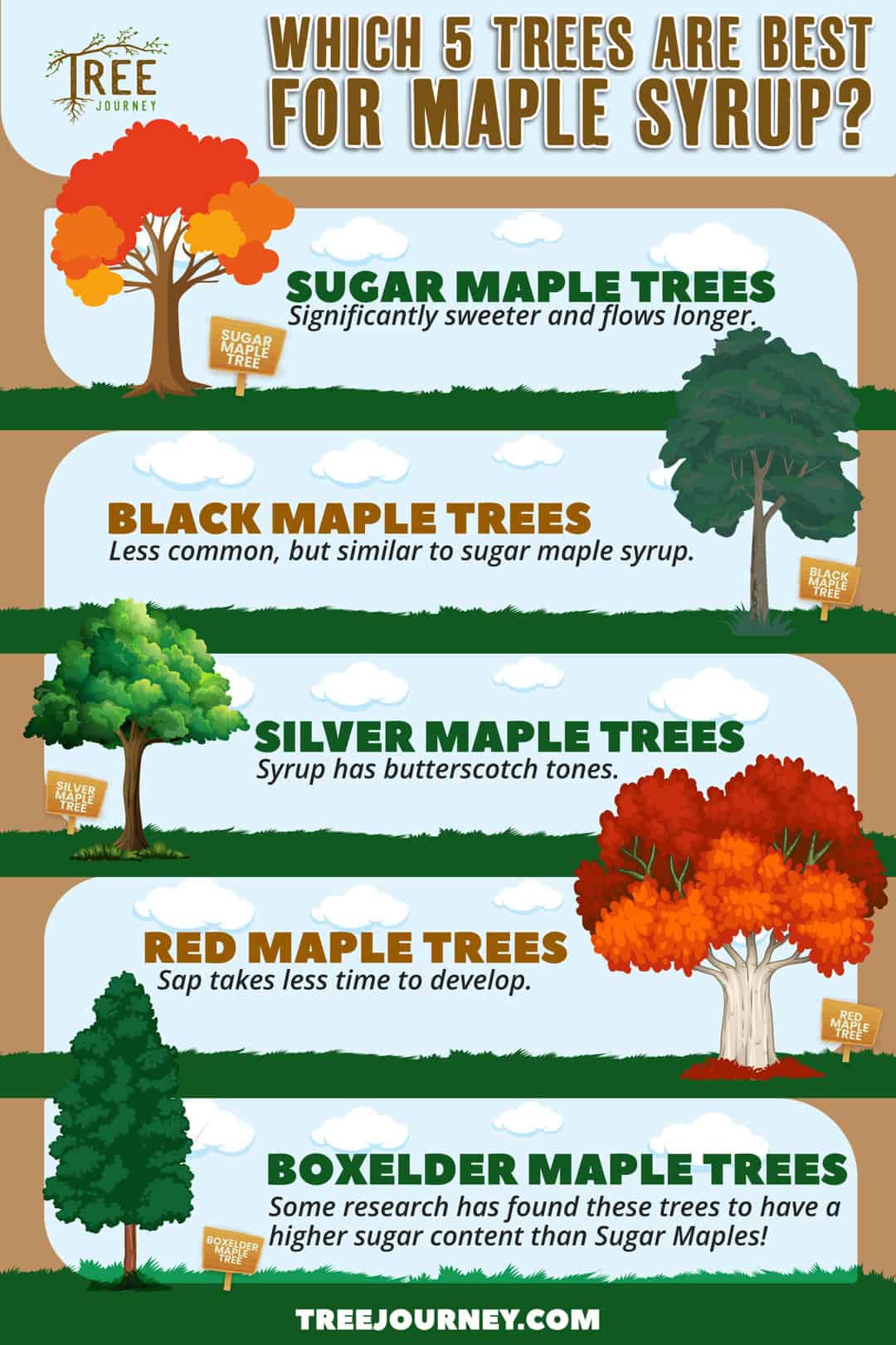
Without question, the Sugar Maple (Acer saccharum) reigns supreme in the world of maple syrup production. This iconic species, known for its distinctive five-lobed leaves that turn brilliant shades of red and orange in autumn, possesses the ideal biochemical composition for high-yield syrup.
Sap Sugar Content: The Economic Sweet Spot
The primary reason for the Sugar Maple’s dominance is its sap’s consistently high sugar concentration, typically ranging from 2% to 4%. This translates to greater syrup output per gallon of sap collected. In financial terms, this means less sap needs to be boiled down to produce a gallon of syrup, leading to lower energy costs for evaporation, reduced labor, and a higher profit margin. For producers, investing in land with a high density of mature Sugar Maples is often the most sound financial decision, as it maximizes the return on their investment in terms of syrup produced.
Growth Habits and Longevity: A Long-Term Investment
Sugar Maples are slow-growing but incredibly long-lived trees, with mature individuals capable of producing sap for over a century. This longevity makes them a sustainable, long-term asset for maple syrup businesses. While the initial investment in acquiring land with mature Sugar Maples might be higher, the extended period of productivity significantly amortizes the cost, making it a stable and predictable revenue stream. Furthermore, the gradual growth allows for careful planning and expansion of tapping operations without drastically impacting the overall health and yield of the forest.
Red Maple (Acer rubrum): A Secondary, but Viable, Contributor
While not as prized as the Sugar Maple, the Red Maple (Acer rubrum) also plays a role in the maple syrup industry, particularly in regions where Sugar Maples are less prevalent.
Sap Sugar Content: A Slightly Less Sweet Proposition
Red Maple sap typically contains a sugar concentration of 1% to 2.5%. This lower sugar content means that more sap must be boiled to produce the same amount of syrup compared to Sugar Maple sap. Financially, this translates to higher energy and labor costs per gallon of syrup. However, Red Maples are often more abundant and adaptable to a wider range of soil conditions, making them a viable option for producers looking to diversify their sap sources or operate in areas where Sugar Maples are not the dominant species. The key for producers is to accurately assess the sap quality and adjust their operational efficiency and pricing strategies accordingly.
Abundance and Adaptability: Expanding the Reach of Syrup Production
Red Maples are widespread and can thrive in various environments, often growing faster than Sugar Maples. This adaptability allows for maple syrup operations to be established in a broader geographical area. While the economics might be slightly less favorable per tap, the sheer number of available trees and the potential for quicker canopy closure can make it a compelling choice for some entrepreneurs. The challenge lies in optimizing boiling processes and marketing strategies to account for the slightly lower sugar content.
Other Maple Species: Limited Commercial Viability
While several other species bear the “maple” name, their sap is generally not suitable for commercial maple syrup production.
Silver Maple (Acer platanoides) and Boxelder (Acer negundo): Low Sugar Content
Species like the Silver Maple (Acer platanoides) and the Boxelder (Acer negundo) typically have significantly lower sugar concentrations in their sap, often below 1%. The effort and resources required to evaporate enough sap from these trees to produce a commercially viable quantity of syrup are simply not cost-effective. In essence, the financial return on investment for tapping these species for syrup production is negligible, making them unsuitable for business purposes.
Financial Implication of Species Selection: A Bottom-Line Consideration
The choice of maple species is a fundamental financial decision in the maple syrup business. Landowners and entrepreneurs must assess the species composition of their potential tapping sites. Investing in land dominated by Sugar Maples offers the highest potential for profitability due to superior sap quality and lower processing costs. While Red Maples can contribute, their lower sugar content necessitates a more efficient operational strategy to maintain competitiveness. Ignoring the species composition can lead to inefficient operations, wasted resources, and ultimately, diminished financial returns.
The Economic Lifecycle of a Maple Tree: From Sapling to Syrup Producer
The financial journey of a maple tree is a long-term commitment, mirroring the slow and steady growth of the trees themselves. Understanding this lifecycle is crucial for financial planning, investment strategies, and the overall sustainability of a maple syrup business. It involves initial capital outlay, ongoing operational costs, and the eventual realization of revenue.
Initial Investment: Land and Tree Establishment
The first major financial hurdle is the acquisition of suitable land. This involves purchasing acreage with a healthy population of mature maple trees, preferably Sugar Maples. The cost of this land will vary significantly based on location, accessibility, and the density and quality of the trees. For new operations, there’s also the long-term investment in planting saplings, which will take decades to mature and become productive. This necessitates a patient and forward-thinking financial approach, as the return on investment for newly planted trees is a distant prospect.
Timber vs. Syrup: Diversifying Revenue Streams
In some cases, landowners may face a decision between harvesting timber from their maple stands or focusing on sap production. The timber market can provide significant upfront revenue, but it permanently removes the tree’s ability to produce sap. A well-managed maple operation might consider a diversified approach, selectively harvesting timber from older, less productive trees while maintaining a core of sap-producing individuals. This requires careful financial modeling to balance immediate gains with long-term syrup revenue.
Operational Costs: Tapping, Collection, and Processing
Once the trees are mature, the operational costs begin. These include:
Tapping and Equipment: The Cost of Access
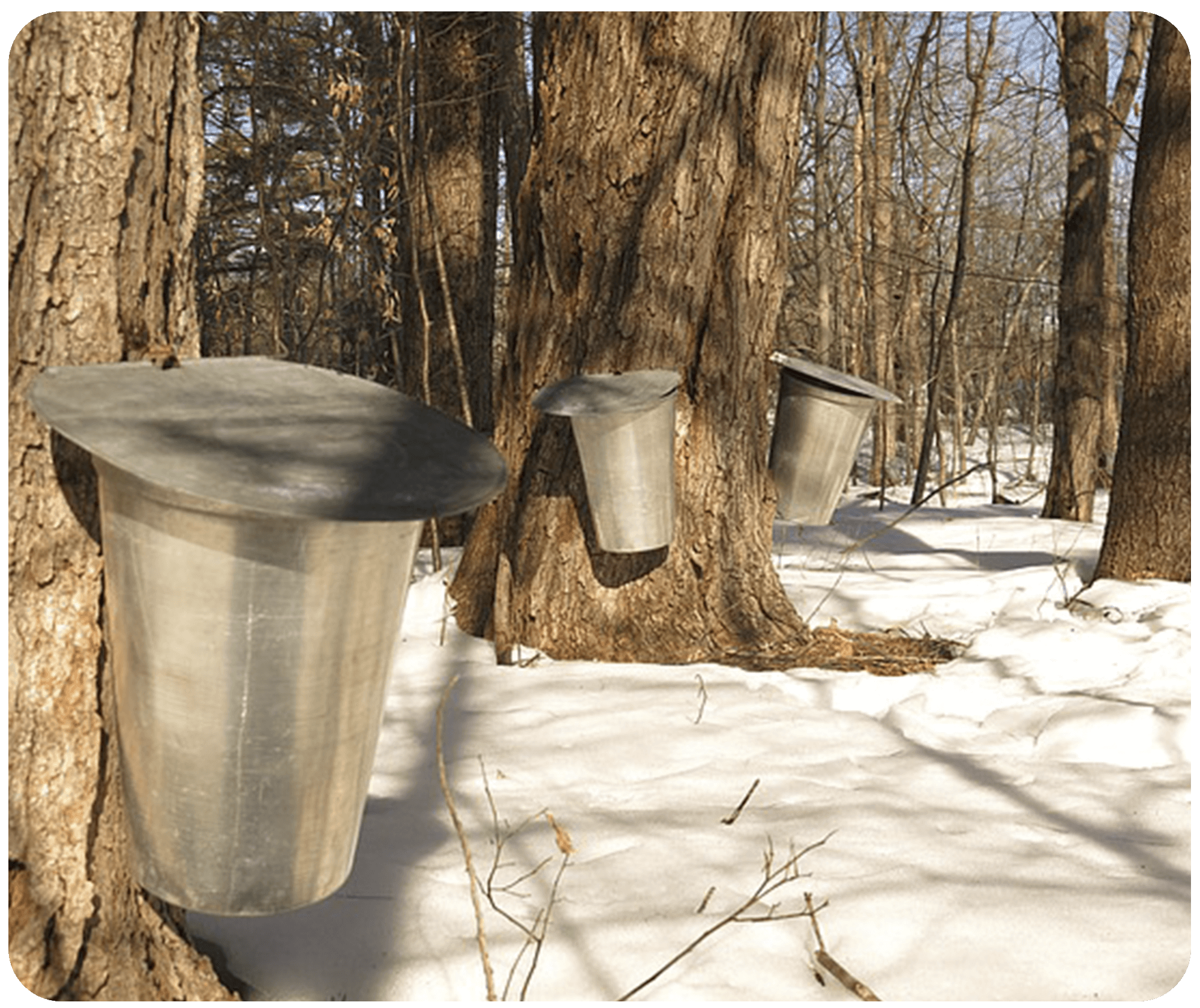
The process of tapping trees involves drilling small holes and inserting spouts (taps). The cost of taps, buckets or tubing systems, and collection tanks represent a significant upfront investment. For larger operations utilizing vacuum-assisted tubing systems, the initial capital outlay can be substantial, involving pumps, filters, and extensive pipeline networks. The ongoing maintenance and replacement of this equipment also contribute to operational expenses.
Evaporation: The Energy-Intensive Bottleneck
The most energy-intensive and costly part of syrup production is the evaporation process, where water is removed from the sap to concentrate sugars. This requires specialized evaporators, which can be fueled by wood, oil, or propane. The cost of fuel, the maintenance of the evaporator, and the labor involved in managing the boiling process are significant ongoing expenses that directly impact profitability. Efficiency in evaporation, such as utilizing modern, high-efficiency evaporators, can lead to substantial cost savings.
Labor and Logistics: The Human Element
Collecting sap, transporting it to the sugarhouse, and managing the boiling process all require labor. In larger operations, hiring skilled staff is essential. The logistics of getting the collected sap from the trees to the processing facility, especially in challenging terrain or weather conditions, also add to operational costs.
Market Dynamics and Pricing: The Revenue Side of the Equation
The revenue generated from maple syrup is directly tied to market demand and pricing. Understanding these dynamics is crucial for financial success.
Premium Product Pricing: Leveraging Quality
Maple syrup is often perceived as a premium natural sweetener. Producers who can consistently deliver high-quality syrup, characterized by a desirable color, flavor, and clarity, can command higher prices. This often involves meticulous attention to hygiene during collection and processing, as well as understanding the nuances of different syrup grades and their market appeal.
Supply and Demand Fluctuations: The Impact of Weather
The supply of maple syrup is inherently tied to weather conditions. A mild winter followed by early thaws can shorten the sap flow season, leading to reduced yields and potentially higher prices. Conversely, a long, cold winter with abundant snow can result in a bumper crop, potentially driving prices down. Producers must be aware of these fluctuations and develop financial strategies that can weather periods of lower supply and revenue.
Direct Sales vs. Wholesale: Maximizing Profit Margins
Maple syrup producers have various avenues for selling their product. Selling directly to consumers through farm stands, farmers’ markets, or online stores generally offers the highest profit margins. However, this requires significant marketing and customer service efforts. Selling wholesale to distributors or retailers provides a larger sales volume but typically at a lower per-unit price. A diversified sales strategy can help optimize revenue and mitigate risk.
The Economic Impact of Climate on Maple Syrup Production
The financial viability of maple syrup production is inextricably linked to the climate. Fluctuations in temperature, precipitation, and the duration of winter conditions can have profound impacts on sap yield, operational timelines, and ultimately, the profitability of an operation. Understanding these climatic influences is no longer just an agricultural concern; it’s a critical business and financial consideration for anyone in the maple syrup industry.
The Ideal Sap Flow: A Symphony of Freezing Nights and Thawing Days
The most productive sap flow occurs when temperatures dip below freezing overnight and rise above freezing during the day. This freeze-thaw cycle creates pressure within the maple tree’s vascular system, forcing the sap to move.
Quantifying Sap Yield: The Financial Impact of Temperature Fluctuations
A consistent and predictable pattern of freezing nights and thawing days is essential for maximizing sap yield. A prolonged cold snap without thawing can halt sap flow, while a sudden warm spell can prematurely end the season. For financial planning, producers must factor in the inherent uncertainty of these weather patterns. Investing in technologies like vacuum-assisted tapping systems can help to extend the sap flow season and mitigate some of the negative impacts of unfavorable temperature fluctuations, thereby protecting revenue streams.
Predicting and Adapting: Financial Strategies for Climate Variability
With increasing climate variability, producers are investing in tools and data to better predict sap flow. This includes using weather forecasting services and historical climate data to inform decisions about when to tap, how much fuel to order for evaporation, and how to manage labor. Financial strategies may include building contingency funds to cover periods of low yield or exploring insurance options that can provide a safety net against extreme weather events.
The Sugar Maple’s Geographic Niches: Where the Sweetest Business Thrives
The Sugar Maple, being the most valuable syrup producer, has specific geographic requirements for optimal growth and sap production. This influences land value and the potential scale of operations.
Soil and Elevation: Factors Affecting Tree Health and Sap Quality
Sugar Maples thrive in well-drained soils and prefer cooler climates. Elevation also plays a role, with higher elevations often providing the necessary cold temperatures for longer sap flow periods. These specific environmental requirements mean that prime maple syrup producing regions are concentrated in certain areas. For investors, understanding these geographic limitations is crucial for assessing the long-term viability and potential return on investment for land in different locations.
Shifting Geographic Landscapes: Long-Term Financial Planning
As climate patterns shift, the traditional geographic zones for optimal Sugar Maple growth and sap production may also change. This necessitates long-term financial planning for producers. It might involve investing in research and development to identify new viable regions, adapting tapping techniques for changing conditions, or even diversifying into other agricultural ventures if maple syrup production becomes unsustainable in their current location. This forward-thinking approach is essential for the continued financial health of the industry.
The Role of Precipitation and Snowpack: Fueling the Sap Run
Adequate precipitation throughout the year, particularly in the spring and fall, is crucial for maintaining the health of maple trees and ensuring they have sufficient stored energy to produce sap. Snowpack can also play a beneficial role by insulating tree roots during the winter and providing moisture as it melts.
Water Availability and Tree Health: A Foundation for Productivity
A lack of adequate rainfall can stress trees, leading to reduced sap production. Conversely, excessive rainfall during the tapping season can dilute the sap, making evaporation more energy-intensive and costly. Producers must monitor water availability and consider irrigation in drought-prone areas, which adds to operational costs but can safeguard revenue.
Snowpack and Root Insulation: Protecting a Valuable Asset
A healthy snowpack can protect the delicate root systems of maple trees from extreme cold, preventing damage that could impact future sap yields. The financial implications are significant: damaged trees represent lost future revenue. Therefore, understanding the role of snowpack and its potential decline due to climate change is a vital aspect of long-term financial risk assessment in the maple syrup industry.
The Economic Butterfly Effect: How Climate Impacts the Entire Industry
The economic ripple effects of climate change on maple syrup production are far-reaching. Reduced sap yields can lead to increased syrup prices, impacting consumer affordability and demand. It can also affect the livelihoods of producers, sugarhouse operators, and those involved in the processing and distribution of maple products. Financial resilience in the face of climate change requires a proactive approach, embracing sustainable practices, investing in adaptive technologies, and fostering collaboration within the industry to share knowledge and resources. Ultimately, the sweet success of maple syrup production hinges on a deep understanding of the trees, the market, and the powerful, ever-changing influence of the climate.
aViewFromTheCave is a participant in the Amazon Services LLC Associates Program, an affiliate advertising program designed to provide a means for sites to earn advertising fees by advertising and linking to Amazon.com. Amazon, the Amazon logo, AmazonSupply, and the AmazonSupply logo are trademarks of Amazon.com, Inc. or its affiliates. As an Amazon Associate we earn affiliate commissions from qualifying purchases.