
The Turks and Caicos Islands (TCI) have long been synonymous with ultra-luxury tourism and pristine shorelines. However, for the astute investor and financial strategist, the question of “what to do” in this British Overseas Territory extends far beyond leisure. Beneath the surface of its turquoise waters lies one of the most robust and attractive financial ecosystems in the Caribbean. For those looking to diversify their portfolio, optimize tax liabilities, or secure high-yield real estate assets, the Turks and Caicos represent a premier frontier for capital growth and wealth preservation.

This guide explores the strategic financial moves available in the islands, focusing on real estate acquisition, tax optimization frameworks, and business development opportunities that define the territory’s economic landscape.
Leveraging the Real Estate Market for Long-Term Growth
The cornerstone of the Turks and Caicos economy is its real estate sector. Unlike many other Caribbean destinations, TCI has maintained a trajectory of “low density, high value” development. This philosophy ensures that the market remains exclusive, driving up property values while protecting the natural beauty that attracts global elites.
Luxury Vacation Rentals as a Cash-Flow Asset
For the personal finance enthusiast, the primary “to-do” in TCI is the acquisition of luxury villas for the short-term rental market. The islands, particularly Providenciales, boast some of the highest Average Daily Rates (ADR) in the world. High-net-worth travelers frequently seek private villas over traditional resorts, creating a lucrative opportunity for property owners.
When managed professionally, these assets can yield significant annual returns that outperform traditional stock market indices. The demand is fueled by the islands’ proximity to the United States and Canada, coupled with a consistent influx of affluent visitors who are less sensitive to global economic fluctuations.
The Appreciation Potential of Providenciales vs. Outer Islands
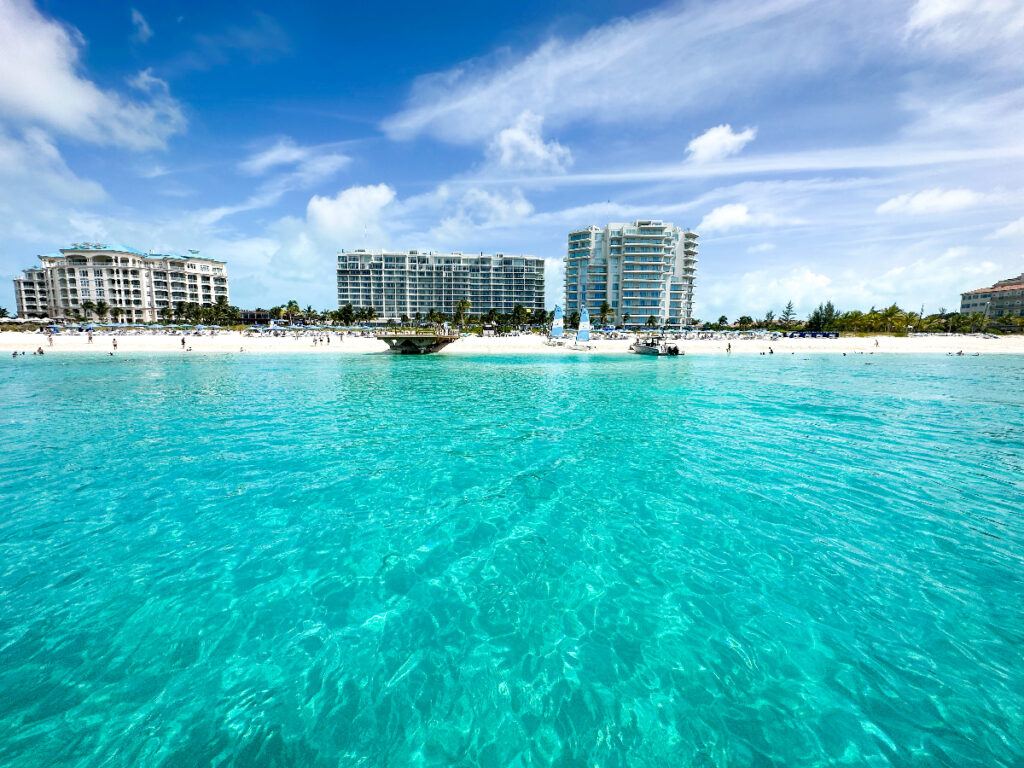
While Grace Bay in Providenciales remains the “Gold Coast” of the islands, sophisticated investors are increasingly looking toward the “Sister Islands” such as North Caicos and Middle Caicos.
The strategy here is one of “land banking.” As Providenciales reaches a saturation point in terms of available beachfront, the government is incentivizing development in the outer islands. Purchasing undeveloped land in these regions offers significant capital appreciation potential. Investors who get in early on these emerging markets are positioning themselves for exponential gains as infrastructure and accessibility improve over the next decade.
Navigating the Tax Advantages and Financial Incentives
The Turks and Caicos Islands are a “neutral tax” jurisdiction. For individuals looking to optimize their global tax footprint, understanding what to do within the TCI legal framework is essential. The territory does not impose personal income tax, capital gains tax, inheritance tax, or corporate tax.
Understanding the “No Personal Income Tax” Framework
The absence of direct taxation is not a loophole but a core component of the TCI economic model. This makes the islands an ideal base for digital nomads, remote hedge fund managers, and international entrepreneurs. By establishing residency or a business presence, individuals can significantly reduce their global tax burden, allowing for more aggressive reinvestment of profits.
However, it is crucial to understand that while there are no direct taxes, the government generates revenue through indirect means, such as customs duties and stamp duties. A professional financial plan must account for these costs to ensure the “tax-free” benefits are not eclipsed by operational expenses.
Permanent Residency through Investment (PRP)
One of the most strategic financial moves available is the pursuit of a Permanent Residency Certificate (PRC) through investment. The TCI government offers a clear path to residency for those who contribute significantly to the local economy.
Typically, this involves a minimum investment in a home or a business (the thresholds vary depending on which island the investment is made). Obtaining a PRC not only secures a lifestyle asset but also provides a “Plan B” residency in a stable, British-backed legal jurisdiction. This is a vital component of modern wealth management, offering both physical and financial security in an era of global volatility.
Developing a Diversified Business Portfolio in the Islands
Beyond real estate and residency, the Turks and Caicos offer a fertile ground for direct business investment. The economy is predominantly driven by tourism, but there is an increasing push for diversification into sustainable technologies and professional services.
Opportunities in the Tourism and Hospitality Sectors
While the “big box” resort model is well-established, there is a growing niche for boutique hospitality services. This includes luxury concierge firms, private aviation support, and high-end culinary ventures.
Investors looking for “what to do” should analyze the gaps in the current service economy. There is a high demand for specialized services that cater to the ultra-wealthy demographic. Launching a business that services the existing luxury infrastructure—such as yacht management or high-end interior design for new villas—allows investors to tap into the islands’ wealth without the massive overhead of building a 300-room hotel.
Sustainable Infrastructure and Green Energy Ventures
As an island nation, TCI faces unique challenges regarding energy and waste management. The government has signaled a strong interest in “Green Energy” initiatives. For the ESG-conscious (Environmental, Social, and Governance) investor, there are opportunities to partner with local entities on solar farm developments, water desalination technology, and sustainable construction materials.
These ventures often qualify for specific government concessions and duty waivers, making them not only ethically sound but financially attractive. As global energy prices fluctuate, the transition to renewable sources in the Caribbean represents a high-growth sector for private equity and institutional investors.
Risk Management and Legal Considerations for Foreign Investors
No financial strategy is complete without a thorough assessment of risk. Investing in a foreign jurisdiction requires a deep understanding of the local legal and regulatory environment.
The Role of the TCI Government and Financial Services Commission
The Turks and Caicos are a British Overseas Territory, which means their legal system is based on English Common Law. This provides a level of security and predictability that is often missing in other offshore jurisdictions. The Financial Services Commission (FSC) regulates the islands’ financial sector, ensuring compliance with international standards against money laundering and terrorist financing.
When investing, it is imperative to work with local legal counsel and registered agents. They ensure that all transactions, from land titles to business licenses, are executed within the bounds of the law, protecting the investor from future litigation or title disputes.
Mitigating Market Volatility in a Tourism-Dependent Economy
The primary risk in TCI is its heavy reliance on the tourism sector. Economic downturns in the US or global health crises (as seen in recent years) can lead to temporary declines in occupancy and rental income.
To mitigate this, financial experts recommend a diversified approach. Rather than putting all capital into a single beachfront property, investors should consider a mix of liquid assets, land banking, and service-based businesses. Furthermore, ensuring that properties are “storm-hardened” and carry comprehensive insurance is a non-negotiable aspect of protecting one’s investment from the physical risks of the Caribbean hurricane season.

Conclusion: The Strategic Path Forward
When asking “what to do in the Turks and Caicos,” the answer for the financially minded individual is clear: build, invest, and optimize. The islands offer a rare combination of physical beauty and fiscal efficiency. By focusing on high-value real estate, leveraging the tax-neutral environment, and identifying gaps in the boutique service and sustainable energy markets, investors can create a legacy of wealth that is as enduring as the islands’ famous reefs.
Success in the Turks and Caicos requires more than just capital; it requires a strategic vision and a commitment to the local economic fabric. Whether you are seeking a primary residence to escape high-tax jurisdictions or a high-yield asset to diversify your global portfolio, the Turks and Caicos Islands stand as a premier destination for modern wealth management.
aViewFromTheCave is a participant in the Amazon Services LLC Associates Program, an affiliate advertising program designed to provide a means for sites to earn advertising fees by advertising and linking to Amazon.com. Amazon, the Amazon logo, AmazonSupply, and the AmazonSupply logo are trademarks of Amazon.com, Inc. or its affiliates. As an Amazon Associate we earn affiliate commissions from qualifying purchases.