
In the world of personal finance and professional productivity, time is often the most undervalued currency. For the frequent traveler, business consultant, or savvy investor, the hours spent idling in airport security lines represent a significant leak in one’s “time budget.” TSA PreCheck is not merely a travel convenience; it is a strategic financial tool designed to reclaim that lost time.
However, the effectiveness of this tool depends entirely on a successful enrollment process. Arriving at your TSA PreCheck appointment unprepared can result in a wasted application fee and a secondary trip, further depleting your resources. This guide provides a comprehensive breakdown of exactly what you need to bring to your appointment, analyzed through the lens of financial optimization and personal documentation management.
1. The Financial ROI of TSA PreCheck: Why the Appointment Matters
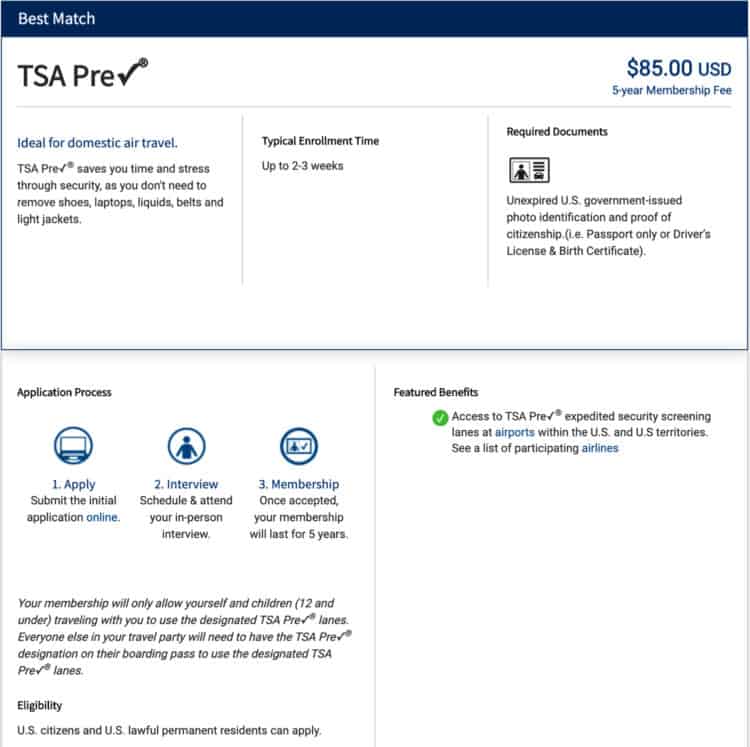
Before gathering your documents, it is essential to understand the fiscal logic behind the TSA PreCheck program. As of the current fee structure, an initial five-year membership costs approximately $78 to $85, depending on the enrollment provider (such as IDEMIA or Telos). When amortized over 60 months, the cost is less than $1.50 per month.
The Cost-Benefit Analysis of Your Time
If an individual values their professional time at $50 per hour and saves an average of 30 minutes per flight, the program pays for itself in just over three round-trip flights. By ensuring you have the correct documentation for your appointment, you protect this investment and avoid the “opportunity cost” of a rejected application.
Protecting Your Initial Investment
The TSA PreCheck application fee is non-refundable. If you arrive at your appointment without the necessary proof of identity or citizenship, and your application window expires, you forfeit the capital spent. Therefore, treating the appointment with the same rigor as a tax audit or a loan closing is paramount for maintaining high financial efficiency.
2. Essential Documentation: The Checklist for Your Appointment
The TSA PreCheck enrollment process is a high-stakes background check that requires definitive proof of your identity and legal status. From a financial security perspective, these documents are your “credentials.” The TSA follows a tiered system for documentation.
Primary Identification: The “One-Document” Solution
The most efficient way to handle your appointment is by bringing a single document from the TSA’s “List A.” These documents prove both identity and citizenship simultaneously, reducing the margin for error.
- Unexpired U.S. Passport: This is the gold standard. It serves as a comprehensive proof of citizenship and photo identification.
- U.S. Passport Card: A more compact version of the passport that carries the same weight for domestic enrollment.
- Enhanced Driver’s License (EDL): Only available in specific states (like Michigan, New York, or Washington), this specific type of license is sufficient on its own because it requires proof of citizenship to obtain.
Secondary Identification: The “Two-Document” Solution
If you do not have a passport, you must provide a combination of documents (usually one from “List B” and one from “List C”). This requires more careful planning to ensure the names match exactly across all records.
- Proof of Citizenship: An original or certified copy of a government-issued birth certificate is the most common requirement. Note that photocopies are generally not accepted.
- Proof of Identity: A standard government-issued driver’s license or a state ID card with a photo.
- Name Change Documentation: If your current legal name (on your ID) differs from the name on your birth certificate, you must bring a “paper trail.” This includes marriage certificates, divorce decrees, or court-ordered name change documents. In the world of finance, “chain of title” is vital; the TSA views your identity through the same lens.
3. Leveraging Financial Tools: Credit Card Credits and Payment Strategy
While the fee for TSA PreCheck is a modest investment, the modern financial landscape offers ways to eliminate this cost entirely. Part of your “appointment prep” should include selecting the right payment method to ensure a 100% rebate on the expense.
Premium Credit Card Benefits
Dozens of premium and mid-tier credit cards offer a statement credit for TSA PreCheck or Global Entry fees every four to five years. Cards like the American Express Platinum, Chase Sapphire Reserve, and the Capital One Venture X are well-known for this. However, many “no-annual-fee” or low-fee cards, such as the United Gateway or certain Navy Federal Credit Union cards, also offer this perk.
- Strategy: Ensure the card you use is the one that offers the benefit. The credit is usually triggered automatically when the TSA enrollment provider processes the charge.
- Maximizing Family Value: If you already have PreCheck through one card, you can use a different card’s credit to pay for a spouse’s or child’s appointment. The name on the card does not have to match the name on the TSA application.
Payment Methods at the Enrollment Center
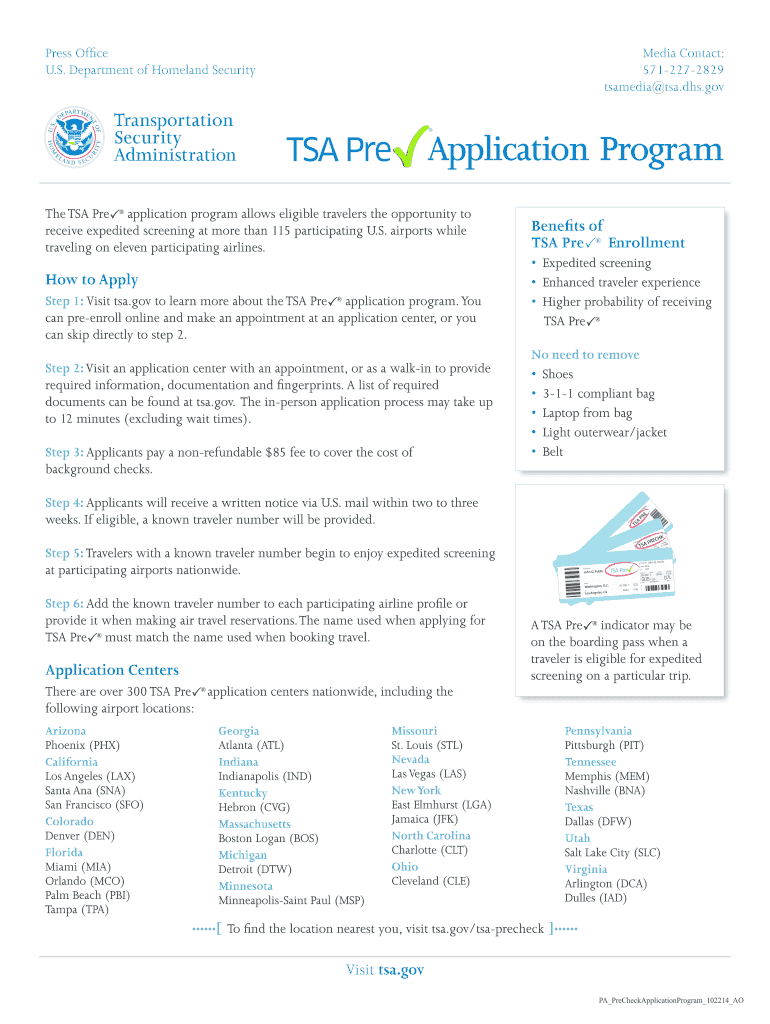
It is important to note that TSA enrollment centers do not accept cash. To avoid a logistical failure at the finish line, you must bring a valid credit or debit card.
- Accepted Payments: Visa, Mastercard, American Express, and Discover are universally accepted. Some centers may accept money orders or cashier’s checks, but for the sake of financial tracking and potential fee reimbursement, a credit card is the superior choice.
4. The Business Finance Perspective: Productivity and Expense Management
For the corporate traveler or the small business owner, TSA PreCheck is a line item that contributes to “Operational Efficiency.” The appointment is the final gate to unlocking a more streamlined business travel model.
Travel Friction and Revenue Generation
In business finance, “friction” is anything that slows down the generation of revenue. Standing in a 45-minute security line is a form of friction. By completing the TSA PreCheck appointment, you are effectively buying back time that can be spent on billable hours, client calls, or strategic planning. For a team of ten consultants, the aggregate time saved over five years represents hundreds of hours of potential revenue.
Expensing the Cost
If you are an employee, check your corporate travel policy. Many companies view the TSA PreCheck fee as a reimbursable business expense because it reduces employee burnout and increases travel efficiency. Ensure you ask the enrollment agent for a printed receipt or a digital confirmation to attach to your expense report. From an accounting standpoint, this is a legitimate business deduction for those who are self-employed or travel extensively for work.
5. Post-Appointment: Securing Your Financial and Digital Identity
Once you have presented your documents and paid the fee, the final stage of the appointment is the collection of biometric data—specifically fingerprints and a digital photograph.
The Value of Biometric Security
From a digital security and “Money” niche perspective, your Known Traveler Number (KTN) becomes a part of your financial identity profile. The TSA uses your biometrics to cross-reference against law enforcement and intelligence databases. This ensures that the person boarding the plane is exactly who they claim to be, reducing the risk of identity fraud in the aviation sector.
Managing Your Known Traveler Number (KTN)
After your appointment, you will receive your KTN via mail or online portal (usually within 3 to 60 days). The financial value of this number is only realized if it is applied correctly.
- Automation: Add your KTN to your frequent flyer profiles across all airlines.
- Verification: When booking business travel through portals like Concur or Navan, ensure your KTN is saved in your profile to ensure the “TSA PreCheck” indicator appears on your digital boarding pass. Failing to do this is equivalent to leaving money on the table; you have paid for the service but are not utilizing the asset.
Conclusion: A Small Step for Long-term Gains
The TSA PreCheck appointment is a brief 10-to-15-minute commitment that yields a high dividend over a five-year horizon. By arriving with the correct documentation—ideally a U.S. Passport—and using a credit card that offsets the cost, you are exercising sound financial judgment. In the modern economy, where time is the scarcest resource, optimizing your movement through the world is one of the smartest investments you can make. Gather your documents, verify your name consistency, and treat your appointment as the strategic financial move that it truly is.
aViewFromTheCave is a participant in the Amazon Services LLC Associates Program, an affiliate advertising program designed to provide a means for sites to earn advertising fees by advertising and linking to Amazon.com. Amazon, the Amazon logo, AmazonSupply, and the AmazonSupply logo are trademarks of Amazon.com, Inc. or its affiliates. As an Amazon Associate we earn affiliate commissions from qualifying purchases.