
In an increasingly digital world, the seemingly simple question, “What time does the post get delivered in my area?” has evolved far beyond a glance out the window or a quick call to the local post office. Today, the answer is deeply embedded in a sophisticated web of technological innovation, data analytics, and real-time communication tools. The postal service, once a bastion of manual labor and paper trails, has undergone a profound digital transformation, leveraging cutting-edge technology to optimize every stage of mail and package delivery, from sorting facilities to your doorstep. This shift not only enhances efficiency for carriers but, more importantly, empowers consumers with unprecedented visibility and control over their incoming mail.

This article delves into how technology addresses and answers this fundamental question, exploring the digital advancements that define modern postal logistics. We’ll examine the intricate systems that predict delivery times, the tools available to consumers for tracking, and the future innovations shaping the postal landscape. Understanding these technological underpinnings provides a clearer picture of why your mail arrives when it does and how you can harness digital resources to better anticipate its arrival.
The Digital Transformation of Postal Services
The journey of a letter or package from sender to receiver is a masterclass in logistical complexity, a process now overwhelmingly orchestrated and optimized by technology. Gone are the days when guesswork dominated delivery schedules; instead, sophisticated systems work in concert to ensure precision and predictability.
From Manual Sorting to Automated Hubs
At the heart of modern postal efficiency are automated processing centers. These high-tech facilities have replaced labor-intensive manual sorting with robotic arms, optical character recognition (OCR) scanners, and intricate conveyor belt systems capable of processing millions of items daily. OCR technology rapidly reads addresses, barcodes, and other routing information, instantly categorizing mail for its next destination. This automation drastically reduces human error, accelerates processing speeds, and ensures that items are directed to the correct geographical hub with unparalleled accuracy.
Furthermore, parcels, which vary widely in size and weight, are handled by specialized automation that scans dimensions, weight, and destination codes, routing them through a complex network of chutes and belts. This initial sorting phase, largely invisible to the consumer, is where the first crucial predictions about delivery timelines begin to form, as items are batched and dispatched for specific regions and routes. The efficiency gained at these hubs is directly proportional to the speed and reliability of subsequent delivery stages, making them critical technological linchpins in the entire postal operation. Without these digital advancements, the sheer volume of modern e-commerce shipments would overwhelm traditional postal infrastructures, rendering timely deliveries almost impossible.
Data-Driven Route Optimization
Once mail and packages leave the automated processing centers, their path to your area is meticulously planned using advanced data analytics and artificial intelligence. Postal services employ powerful algorithms to optimize delivery routes, taking into account a myriad of variables that traditional methods could never fully process. These algorithms consider factors such as traffic patterns, road closures, historical delivery times for specific areas, the number of stops on a route, and even real-time weather conditions.
GPS-enabled delivery vehicles constantly feed data back into these systems, providing live updates on progress and potential delays. This continuous feedback loop allows the system to dynamically adjust routes, ensuring carriers take the most efficient path possible. For example, if a sudden traffic jam occurs on a planned route, the system can suggest an alternative, minimizing delays. This data-driven approach doesn’t just save fuel and time; it also helps predict estimated delivery windows with greater accuracy. By understanding the typical time required for each segment of a route and factoring in real-time disruptions, the system can provide a reliable timeframe for when the post will arrive at a particular address, translating directly into the “what time does the post get delivered in my area” answer.
IoT and Fleet Management
The integration of the Internet of Things (IoT) has further revolutionized fleet management for postal services. Delivery vehicles are equipped with a suite of sensors that collect a wealth of operational data in real-time. These sensors monitor everything from vehicle speed and engine performance to fuel consumption and idle times. This data is transmitted to central management systems, providing a comprehensive overview of the entire fleet’s status.
Beyond simple tracking, IoT devices contribute significantly to predictive maintenance, alerting technicians to potential issues before they lead to breakdowns, thus preventing service disruptions. For drivers, tablets and handheld devices are standard, displaying optimized routes, package manifests, and even providing turn-by-turn navigation. These devices are also used to scan packages upon delivery, capturing precise timestamps and GPS coordinates, which are then fed back into the system to confirm delivery and update tracking information. This sophisticated network of connected devices ensures that every step of the delivery process is monitored, measured, and optimized, contributing to more accurate delivery predictions and a more reliable service overall. The synergy between IoT, GPS, and data analytics creates a robust framework that underpins the reliability and transparency of contemporary postal operations.
Empowering Consumers: Your Digital Window to Deliveries
While the internal mechanisms of postal services have been transformed by technology, the most visible impact for the average consumer lies in the digital tools that provide unprecedented access to delivery information. The question, “What time does the post get delivered in my area?” is now often answered not by waiting, but by actively checking an app or website.
Real-Time Tracking Applications
The cornerstone of modern package delivery information is the real-time tracking application. Major postal carriers and private shipping companies alike offer robust mobile apps and web portals where consumers can enter a tracking number and receive instant, detailed updates on their package’s journey. These applications don’t just tell you where your package was; they increasingly provide sophisticated predictive analytics to estimate its arrival time. Using the same data-driven route optimization and IoT fleet management systems discussed earlier, these apps can often give a specific delivery window – sometimes as narrow as a one-hour slot – on the day of delivery.
This capability is a game-changer for recipients, allowing them to plan their day around an anticipated delivery, rather than being tethered to their home. The interface often includes a map showing the current location of the delivery vehicle relative to your address, offering a visual representation of progress. Push notifications further enhance this experience, alerting users when their package is out for delivery, nearing its destination, or has been successfully delivered. This level of transparency and interactivity was unthinkable just a decade ago and represents a direct technological answer to the consumer’s need for delivery predictability.
Predictive Analytics for Homeowners
Beyond just tracking individual packages, some advanced postal services and third-party logistics platforms are beginning to offer predictive analytics tailored to specific homeowners or addresses. This takes into account historical delivery patterns for your specific location, average traffic conditions in your neighborhood, and even data from your local postal carrier’s typical schedule. By crunching this data, systems can learn when mail typically arrives at your house on a given day of the week or under certain conditions.
For instance, if your carrier usually arrives between 1 PM and 2 PM on weekdays, and today’s route data shows they are running on schedule, the system can confidently predict your mail will arrive within that usual window. This level of personalization moves beyond generic route information to provide highly specific estimations. Furthermore, integrating with smart home technologies allows for even more refined predictions and actions. For example, a smart doorbell might notify you when the delivery vehicle is in the vicinity, or a connected app might suggest you open your smart lock for a package to be placed inside a secure area if you’re not home. This proactive use of data and connectivity transforms a passive waiting game into an informed, integrated experience.
AI-Powered Customer Support and Chatbots
When real-time tracking might not provide all the answers, or if there’s a specific query about a delivery, technology again steps in to streamline customer support. AI-powered chatbots and virtual assistants are now commonplace on postal service websites and within their mobile applications. These chatbots are trained on vast datasets of frequently asked questions, tracking information, and common delivery scenarios.
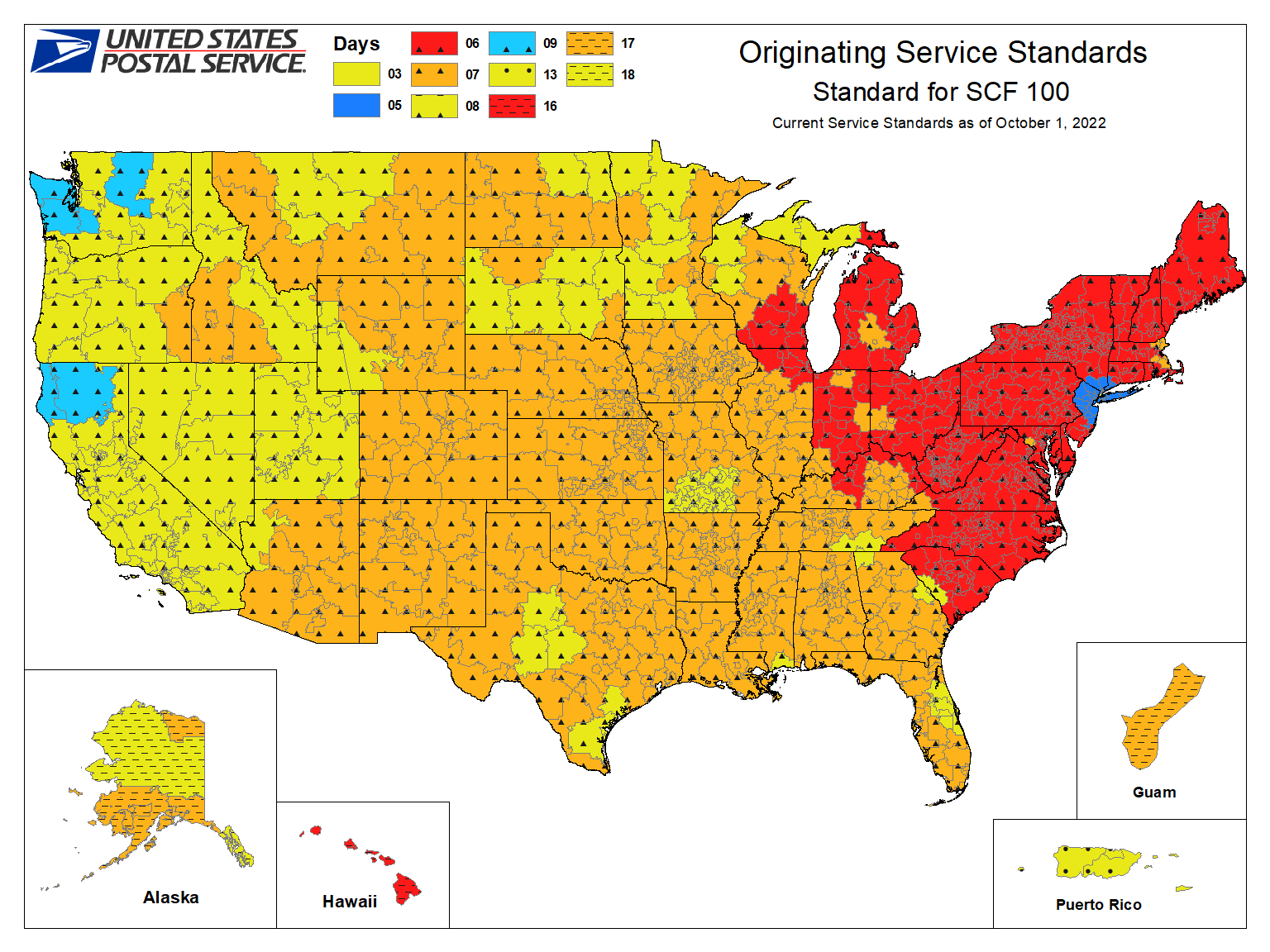
A user can simply type a question like “When will my package arrive?” or “My tracking hasn’t updated,” and the chatbot can instantly access databases, cross-reference tracking numbers, and provide accurate, up-to-the-minute information. This eliminates the need for lengthy phone calls to customer service representatives, saving time for both the consumer and the postal service. For more complex issues, these AI tools can intelligently escalate the query to a human agent, providing them with all the necessary context gathered from the initial interaction. This seamless integration of AI ensures that answers to delivery-related questions are available 24/7, providing immediate gratification and enhancing the overall customer experience through digital efficiency.
Challenges and Innovations in Last-Mile Delivery Tech
While technology has revolutionized the macro aspects of postal logistics, the “last mile” – the final leg of delivery from a local distribution center to the recipient’s doorstep – remains the most complex and expensive part of the process. However, this is also where some of the most exciting technological innovations are emerging, aiming to refine the answer to “what time does the post get delivered” even further.
Overcoming Urban and Rural Logistics Hurdles
The last mile presents distinct challenges depending on the environment. In densely populated urban areas, congestion, parking limitations, and security access issues can significantly impede delivery speed. Technology is addressing this through optimized micro-fulfillment centers located within cities, allowing for shorter delivery distances. Electric cargo bikes and pedestrian delivery robots are also being piloted in urban environments, offering agile and environmentally friendly solutions to navigate crowded streets. Smart lockboxes and centralized package receiving points in apartment complexes further streamline urban deliveries, reducing the number of individual stops required.
Conversely, rural areas face challenges of vast distances, sparse populations, and often unpaved or difficult-to-navigate roads. Here, technology like advanced geospatial mapping helps carriers plan the most efficient routes across wide expanses, minimizing travel time and fuel consumption. Predictive analytics becomes even more crucial in rural settings, as slight delays can have a magnified impact on overall route efficiency. Innovations like autonomous ground vehicles (AGVs) are being explored for rural deliveries, where the benefits of automation can be fully realized without the complexities of heavy urban traffic.
The Rise of Smart Lockers and Drone Delivery
Looking to the future, the answer to “what time does the post get delivered” might not even involve human interaction at your doorstep. Smart lockers, strategically placed in public areas or accessible commercial zones, offer a secure and convenient alternative for package retrieval. Recipients receive a unique code or QR code to access their locker at their convenience, often 24/7. This technology mitigates missed deliveries and provides flexibility for consumers, effectively shifting the “delivery time” to “retrieval time at your convenience.”
Even more futuristic is the prospect of drone delivery. While still in nascent stages and facing regulatory hurdles, drone technology promises to radically alter last-mile logistics, particularly for urgent or small package deliveries. Drones could bypass traffic entirely, delivering directly to designated landing zones at homes or businesses, potentially offering delivery times measured in minutes rather than hours or days. Companies are actively testing this technology, and as regulations evolve and battery life improves, drones could become a viable, if specialized, component of the postal delivery network, offering unparalleled speed and redefining the concept of immediate post delivery.
Enhancing Security with Digital Verification
As deliveries become more sophisticated, so too must their security. Technology is playing a crucial role in ensuring that packages reach the intended recipient safely and securely. Digital verification methods are becoming standard, replacing traditional signatures with electronic confirmations. This might involve a photo of the package at the doorstep, a unique PIN sent to the recipient’s phone that the driver confirms, or even biometric authentication for high-value items.
For sensitive documents or high-value goods, smart packaging with embedded sensors can monitor conditions like temperature, humidity, or tampering, providing an additional layer of security and accountability. Furthermore, integration with home security systems, such as video doorbells and smart locks, allows homeowners to remotely monitor and control package deliveries, granting access to carriers or receiving alerts when a delivery occurs. These technological advancements not only protect against theft and fraud but also build consumer confidence in the security and reliability of modern postal services, ensuring that the post delivered to your area is not just timely, but also safe.
Personalizing Your Postal Experience with Technology
The ultimate aim of all these technological advancements is to provide a highly personalized and convenient postal experience, moving beyond a one-size-fits-all approach. For consumers, this means having greater control and insight into their deliveries, making the answer to “what time does the post get delivered in my area?” not just accurate, but also adaptable to individual needs.
Customizing Delivery Preferences
Modern postal apps and online portals offer a suite of customization options that empower users to tailor their delivery experience. No longer are you beholden to the standard delivery schedule. Many services now allow you to redirect a package to an alternate address (like a neighbor or a workplace), hold it at a local post office for pickup, or even reschedule delivery for a different day if you know you won’t be home. Some premium services even allow for specific time window selections, albeit often for an additional fee.
These preferences can often be set as defaults, ensuring that all future packages automatically adhere to your chosen parameters. For example, if you frequently travel, you might set a default to hold all mail at the post office until a specific date. This level of customization, driven by user-friendly interfaces and robust backend logistics systems, transforms the delivery process from a rigid service into a flexible utility that adapts to the modern consumer’s dynamic lifestyle.
Integrating with Smart Home Ecosystems
The smart home is becoming an increasingly important frontier for postal delivery technology. By integrating postal service applications with smart home ecosystems (like Google Home, Amazon Alexa, or Apple HomeKit), users can receive voice-activated updates on their package status. Imagine asking your smart speaker, “Hey Google, where’s my package?” and receiving an immediate update on its estimated arrival time.
Furthermore, smart doorbells and security cameras with motion detection can be configured to alert you specifically when a delivery vehicle approaches your property or when a package is left at your door. For homes equipped with smart locks, designated delivery personnel could potentially be granted temporary, one-time access to place a package securely inside a porch or garage, eliminating the risk of theft or exposure to weather. This seamless integration blurs the lines between physical delivery and digital control, creating a holistic and secure delivery ecosystem right at your home.

Proactive Notifications and Alerts
One of the most valuable aspects of modern delivery technology is its ability to provide proactive notifications and alerts. Beyond simply checking an app, consumers can opt to receive timely updates via various channels. SMS messages might alert you when a package is out for delivery, while an email could confirm its successful arrival. For critical or time-sensitive deliveries, some services offer high-priority alerts that can bypass do-not-disturb settings.
These notifications often include a tracking link for quick access to detailed information, ensuring you’re always in the loop without having to constantly monitor an app. This proactive communication strategy not only reduces anxiety for recipients but also minimizes missed deliveries, leading to a more efficient system overall. The ability to receive granular updates – from “package arrived at local facility” to “driver 3 stops away” – ensures that the answer to “what time does the post get delivered in my area” is not just available, but actively communicated to you as events unfold.
In conclusion, the simple inquiry “what time does the post get delivered in my area” is now met with a symphony of technological solutions. From the automated precision of sorting hubs and data-driven route optimization to the empowering real-time tracking apps and futuristic drone deliveries, technology has fundamentally reshaped the postal landscape. These innovations not only provide accurate answers to delivery questions but also offer unprecedented control, personalization, and security for the modern consumer, ensuring that the post arrives efficiently, reliably, and on your terms. As technology continues to advance, we can expect even more sophisticated and integrated solutions that will further refine and redefine the postal experience.
aViewFromTheCave is a participant in the Amazon Services LLC Associates Program, an affiliate advertising program designed to provide a means for sites to earn advertising fees by advertising and linking to Amazon.com. Amazon, the Amazon logo, AmazonSupply, and the AmazonSupply logo are trademarks of Amazon.com, Inc. or its affiliates. As an Amazon Associate we earn affiliate commissions from qualifying purchases.