
The intricate dance of American presidential elections often hinges on a system as old as the nation itself: the Electoral College. While much of the public discourse focuses on which candidate wins a state’s popular vote and, by extension, its electoral votes, the concept of “splitting” these votes is a fascinating, albeit rare, phenomenon. Understanding how and why electoral votes are split, and the implications for both the candidates and the financial markets, offers a deeper appreciation for the complexities of American democracy and its economic reverberations. This article delves into the mechanisms of electoral vote allocation, the historical instances of splits, the political strategies involved, and the tangible economic impacts that can arise from such electoral outcomes.
The Mechanics of Electoral Vote Allocation: Beyond the Winner-Take-All Straitjacket
The Electoral College, established by the U.S. Constitution, is a system where each state is allocated a number of electors equal to its total number of senators and representatives in Congress. For most states, the candidate who wins the popular vote within that state receives all of its electoral votes. This is known as the “winner-take-all” system, which is the most common method employed across the nation. However, the Constitution, and subsequent practices, allow for variations, creating the theoretical possibility of splitting electoral votes.
State-by-State Winner-Take-All: The Dominant Paradigm
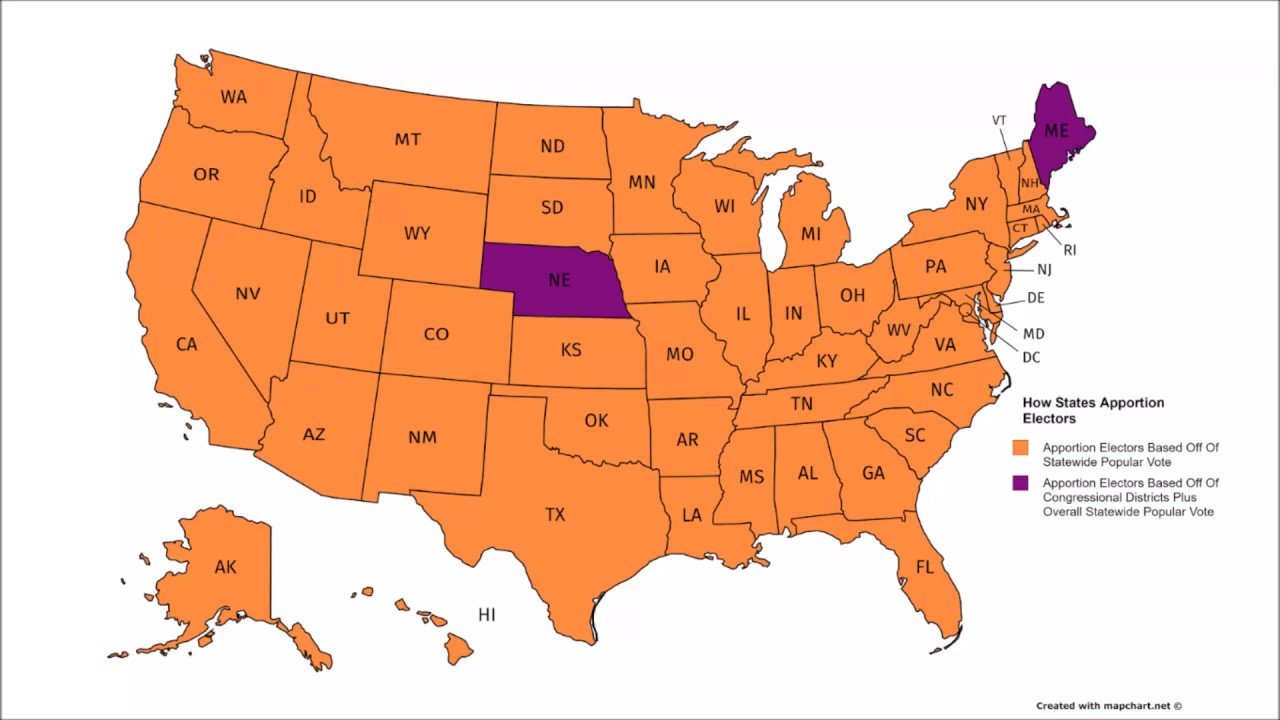
The overwhelming majority of states, 48 out of 50, plus the District of Columbia, operate under a winner-take-all system. In these jurisdictions, a candidate secures all of the state’s electoral votes if they win even a plurality of the popular vote. This system simplifies the electoral calculus for campaigns and often amplifies the margin of victory in the Electoral College compared to the popular vote. For instance, a candidate winning a state by a razor-thin margin still garners 100% of that state’s electoral power. This has been a significant factor in many historical presidential elections, where the Electoral College outcome has differed from the national popular vote. The financial implications of this system are profound. Campaigns pour resources into swing states where a narrow victory can deliver a significant bloc of electoral votes. This targeted spending can boost local economies through advertising, campaign rallies, and staffing, but it also creates a perception of unequal attention and resource allocation across the nation.
The Exceptions: Maine and Nebraska’s Proportional Approach
The exceptions to the winner-take-all rule are Maine and Nebraska. These two states have adopted a district-based system for allocating their electoral votes. In these states, the statewide popular vote winner receives two electoral votes (representing the state’s two senators). The remaining electoral votes, corresponding to the state’s congressional districts, are awarded to the popular vote winner in each individual congressional district.
This district method allows for the possibility of splitting electoral votes within a state. A presidential candidate could win the statewide popular vote and thus secure the two at-large electoral votes, while their opponent could win several congressional districts, thereby winning those individual electoral votes. This creates a scenario where a state’s electoral votes are not awarded as a monolithic bloc to a single candidate. The economic impact of this system, while less pronounced than in large winner-take-all states, can still be felt. Campaigns may invest resources in specific districts within Maine and Nebraska, aiming to secure those individual electoral votes, potentially influencing local spending and campaign activity in those areas.
Historical Instances and the Rarity of Split Electoral Votes
The concept of splitting electoral votes, while legally permissible in Maine and Nebraska, has been a rare occurrence throughout American history. The complexity of national presidential campaigns, combined with the strategic decisions of political parties, often leads to candidates focusing their efforts on broader statewide victories rather than meticulously dissecting individual congressional districts.
The 2008 Presidential Election: A Notable Example
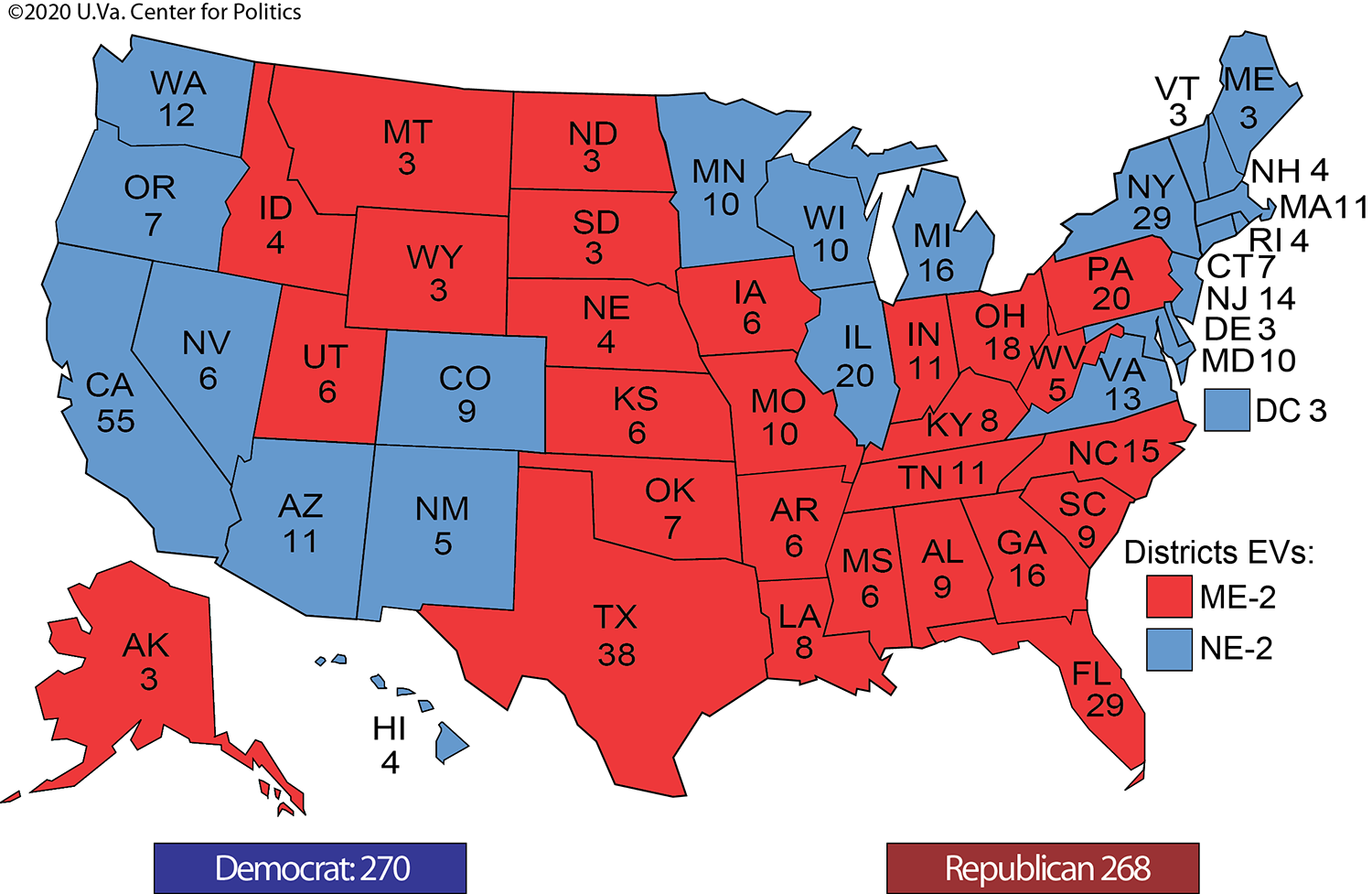
One of the most recent and prominent examples of split electoral votes occurred in the 2008 presidential election in Nebraska. In that election, then-Senator Barack Obama won the popular vote in Nebraska’s 2nd Congressional District, securing one electoral vote. However, Senator John McCain won the statewide popular vote and the other five electoral votes. This instance highlighted how a candidate could achieve a partial victory in a state that employs a district-based allocation system. The economic ripple effect, though localized, demonstrates how even a single electoral vote can become a target, prompting campaign engagement and resource allocation within that specific district.
Other Infrequent Occurrences and the Rationale Behind Them

Beyond 2008, instances of split electoral votes are infrequent but not entirely absent. These splits are often attributed to unique local political dynamics, strong regional candidate support within specific districts, or exceptionally close statewide races where district-level outcomes diverge significantly from the overall state result. The rarity underscores the efficacy of the winner-take-all system in consolidating electoral power for candidates and the strategic incentives for campaigns to focus on securing entire states rather than individual districts. From a financial perspective, the consolidation of electoral votes often translates into larger campaign budgets being directed towards a smaller number of highly competitive “swing states” that employ the winner-take-all method. This concentration of campaign spending can have a disproportionate economic impact on those specific states.
Strategic Implications and Economic Ramifications
The allocation of electoral votes, whether through winner-take-all or district-based systems, has profound strategic implications for presidential campaigns and, consequently, significant economic ramifications. Campaigns meticulously analyze the electoral map, allocating resources and tailoring their messages to maximize their chances of securing the 270 electoral votes needed to win the presidency.
Campaign Resource Allocation and Targeted Investments
Presidential campaigns are sophisticated operations that involve significant financial investments. The decision of where to spend campaign funds—on advertising, rallies, grassroots organizing, and staff—is heavily influenced by the electoral vote allocation system. In winner-take-all states, a substantial portion of a campaign’s budget is often directed towards the handful of battleground states where the outcome is uncertain. This targeted spending can provide a short-term economic boost to these regions through increased consumer spending, job creation in campaign-related activities, and increased demand for local services.
However, this strategic allocation can also lead to economic disparities. States considered “safe” for one party often receive less attention and fewer campaign resources, potentially impacting local economies. The prospect of split electoral votes, as seen in Maine and Nebraska, introduces a layer of granularity to this strategy. Campaigns may invest in specific districts within these states, aiming to secure individual electoral votes that could prove decisive in a close election. This can lead to localized economic benefits within those districts, even if the state as a whole leans towards one party.
The Impact on Financial Markets and Investor Confidence
The uncertainty surrounding presidential elections, particularly the potential for a close race or an unexpected outcome, can have a tangible impact on financial markets. Investor confidence can be swayed by the perceived economic policies of the candidates and the stability of the political landscape. When electoral votes are split, especially in a close election, it can prolong the period of uncertainty, as the final tally might be contested or take longer to determine.
This prolonged uncertainty can lead to market volatility. Businesses may delay investment decisions, and investors may adopt a more cautious approach, waiting for a clear victor and a predictable policy environment. The economic policies proposed by candidates – tax rates, trade agreements, regulatory frameworks – directly influence sectors like technology, energy, and healthcare. Therefore, the electoral outcome, and the path through which it is determined, can send ripples through the stock market, currency exchange rates, and commodity prices. A more predictable outcome, often facilitated by the winner-take-all system’s clear victories, can lead to greater market stability and investor confidence, fostering economic growth. Conversely, a highly contested election with split electoral votes can introduce a period of economic apprehension.
Future of Electoral Vote Allocation and its Economic Echoes
The debate surrounding the Electoral College and its allocation methods is perennial. As the United States continues to evolve, so too do the discussions about whether the current system best represents the will of the people and serves the nation’s economic interests.
Proposals for Reform and the Potential Economic Shifts
Various proposals for reforming the Electoral College have been put forth over the years, including the National Popular Vote Interstate Compact, which aims to effectively award electoral votes to the national popular vote winner, and efforts to encourage more states to adopt a proportional or district-based allocation system. Each of these potential reforms carries significant economic implications.
If the United States were to move towards a national popular vote system, campaign strategies would fundamentally shift. Instead of focusing on a handful of swing states, campaigns would need to mobilize voters across the entire nation, potentially leading to a more equitable distribution of campaign resources and attention. This could benefit smaller states and urban areas that are currently overlooked.
Conversely, if more states adopted proportional or district-based allocation, it could lead to a more fragmented electoral landscape, where individual districts become crucial battlegrounds. This might create more localized economic opportunities but could also lead to increased political polarization as campaigns hyper-target specific geographic areas. The debate over these reforms is not merely academic; it directly influences where campaign funds are spent, which regions receive political attention, and ultimately, how economic policy is shaped. The path forward for electoral vote allocation will undoubtedly continue to be intertwined with the nation’s economic trajectory.
aViewFromTheCave is a participant in the Amazon Services LLC Associates Program, an affiliate advertising program designed to provide a means for sites to earn advertising fees by advertising and linking to Amazon.com. Amazon, the Amazon logo, AmazonSupply, and the AmazonSupply logo are trademarks of Amazon.com, Inc. or its affiliates. As an Amazon Associate we earn affiliate commissions from qualifying purchases.