
The dietary restrictions surrounding pork consumption are a significant aspect of religious practice for billions worldwide. While the prohibition of pork is often associated with Islam and Judaism, other faiths and even cultural traditions have historically viewed pork with apprehension or outright avoidance. Understanding these religious and cultural nuances sheds light not only on the diversity of human belief systems but also on the intricate relationship between faith, tradition, and daily life. This exploration delves into the core reasons behind these prohibitions, tracing their roots through scripture, historical context, and differing interpretations, ultimately highlighting the profound impact dietary laws can have on community identity and religious observance.
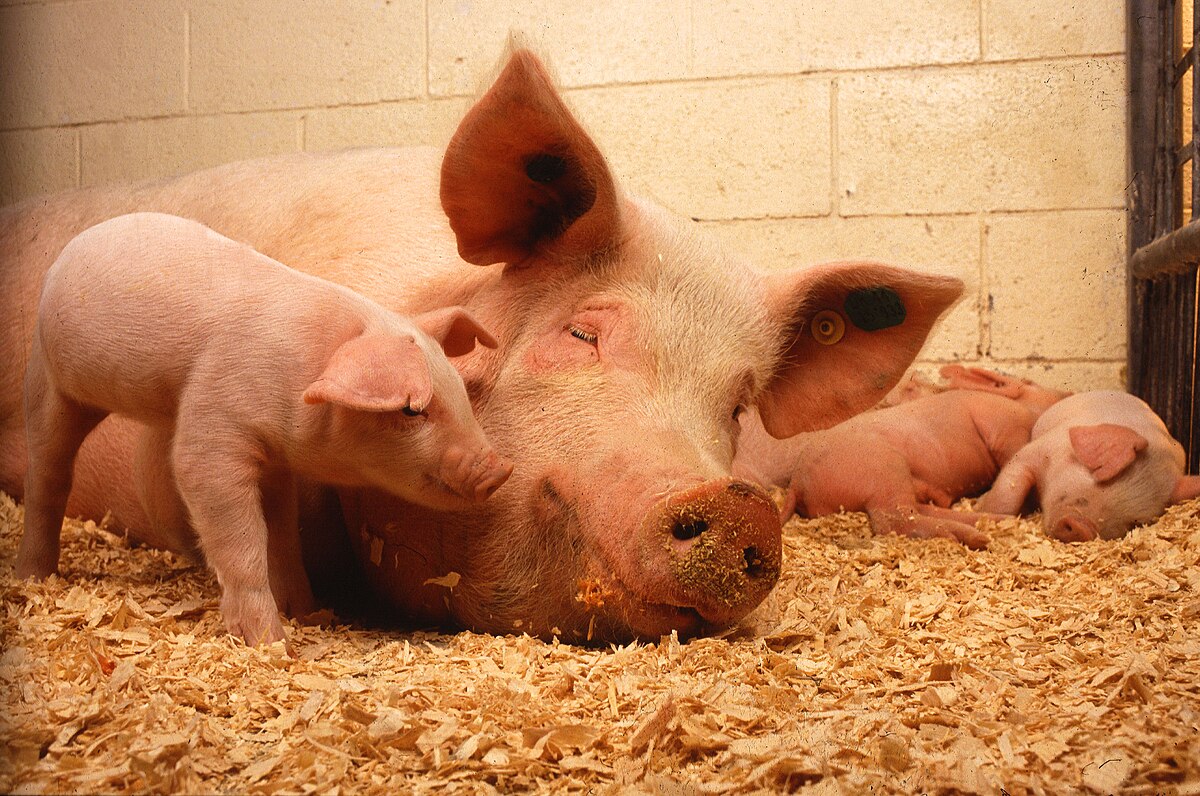
The Abrahamic Prohibitions: A Shared Heritage, Divergent Paths
The most prominent and widely recognized religious prohibitions against pork stem from the Abrahamic faiths: Judaism and Islam. While both traditions share a common lineage and many similar dietary laws (often collectively referred to as “kashrut” in Judaism and “halal” in Islam), their specific interpretations and the underlying theological reasoning behind the pork ban offer fascinating insights into their distinct developmental paths.
Kashrut and the Torah’s Command: Judaism
In Judaism, the prohibition against eating pork is explicitly laid out in the Torah, the foundational text of Jewish law. Leviticus 11:7-8 states, “And the pig, though it has a divided hoof, does not chew the cud; it is unclean for you. You shall not eat their flesh or touch their carcasses; they are unclean for you.” This commandment is central to the concept of kashrut, the Jewish dietary laws derived from the Torah.
The ‘Unclean’ Status of the Pig
The Torah designates certain animals as “clean” and permissible for consumption, while others are deemed “unclean” and forbidden. The pig is classified as unclean primarily because it possesses one of the two required characteristics for permissible land animals: a cloven hoof. However, it fails the second requirement of chewing its cud. This dual criteria, or the absence of both, immediately renders the pig forbidden.
The rationale behind these classifications has been a subject of much discussion and interpretation throughout Jewish history. Some scholars suggest a health-based rationale, pointing to the pig’s susceptibility to trichinosis and other parasites, making it a potentially risky food source in ancient times without modern refrigeration and sanitation. However, the dominant religious perspective emphasizes obedience to divine command. The laws of kashrut are not seen as arbitrary but as a divinely ordained system designed to sanctify the Jewish people, promoting a distinct identity and a life lived in accordance with God’s will. The act of abstaining from forbidden foods is a constant reminder of this covenant and a spiritual discipline.
Beyond the Text: Rabbinic Interpretation and Tradition
While the Torah provides the foundational prohibition, rabbinic interpretation and tradition have further elaborated on the nuances of kashrut. This includes detailed rules about the slaughter of animals (shechita), the removal of forbidden fats and blood, and the separation of meat and dairy. The meticulous observance of kashrut extends beyond the food itself to the entire process of its preparation and consumption, creating a holistic system that permeates Jewish daily life. For observant Jews, adhering to kashrut is not merely a dietary choice but a profound expression of faith, community, and a commitment to living a holy life. The shared practice of keeping kosher fosters a strong sense of collective identity and belonging.
Halal and the Quranic Decree: Islam
In Islam, the prohibition against consuming pork is equally unequivocal, stemming directly from the Quran, the holy book believed by Muslims to be the literal word of God revealed to the Prophet Muhammad. The Quran explicitly forbids the consumption of pork in several verses, including Surah Al-Baqarah (2:173): “He has forbidden you the dead animals, blood, the flesh of swine, and that which has been slaughtered in the name of other than Allah.”
The Quranic Imperative
Unlike Judaism, where the reasoning behind the pig’s unclean status is linked to specific biological characteristics, the Quranic prohibition is primarily presented as a direct divine decree. While various scholars and theologians have proposed potential reasons for this prohibition, the core tenet is obedience to Allah’s command. The concept of halal, meaning “permissible,” governs all aspects of a Muslim’s life, including diet. Pork is explicitly listed as haram, meaning “forbidden.”
Some of the proposed explanations for the prohibition include:
- Health Concerns: Similar to Jewish interpretations, some Muslim scholars have pointed to the pig’s unhygienic habits and susceptibility to diseases as a potential reason for its prohibition, suggesting that God, in His infinite wisdom, forbade it for the well-being of His followers.
- Symbolic Associations: The pig has sometimes been associated with greed, gluttony, and impurity in various cultural contexts, and some scholars suggest that its prohibition may have symbolic resonance with these negative traits.
- Distinctiveness: The prohibition could also serve to differentiate the followers of Islam from surrounding cultures and practices that may have consumed pork, thus fostering a unique religious and cultural identity.
Regardless of the specific scholarly interpretations, the ultimate reason for abstaining from pork in Islam is submission to the will of God as expressed in the Quran and the Sunnah (the teachings and practices of Prophet Muhammad).
Halal Practices: Beyond Pork
The concept of halal extends far beyond just the prohibition of pork. It encompasses a comprehensive system of permissible foods, including the prescribed method of slaughter for other animals (dhabihah), which involves a swift incision to the throat while invoking God’s name. This meticulous adherence to halal guidelines ensures that food is not only safe and wholesome but also consecrated, serving as a constant reminder of God’s presence and the Muslim’s responsibility to live a life that is pleasing to Him. For Muslims, the observance of halal is an integral part of their faith, reinforcing their connection to God, their community, and their spiritual identity.
Beyond Abraham: Other Traditions and Cultural Apprehensions
While Judaism and Islam are the most prominent religions with explicit pork prohibitions, the avoidance or cultural apprehension towards pork can be observed in other traditions and historical contexts, often for reasons that are theological, practical, or deeply ingrained in cultural norms.
Hinduism and the Sacred Cow: Indirect Implications
While Hinduism does not have a direct, universal prohibition against eating pork as it does against beef, there are aspects of Hindu practice and belief that can lead to the avoidance of pork by many followers. The reverence for cows in Hinduism is paramount, stemming from their association with nurturing deities and their role as providers of milk and sustenance. This deep respect for bovine life can create a cultural atmosphere where the consumption of other animals, including pigs, might be viewed with less enthusiasm, especially in communities where vegetarianism is prevalent.
Caste System and Purity
Historically, the caste system in India also played a role in dietary practices. Certain lower castes were traditionally associated with the raising and consumption of pigs, which were sometimes seen as scavengers or less desirable animals compared to those that offered more valued products like milk or grains. As a result, adherence to stricter notions of ritual purity, often linked to higher castes, could lead to the avoidance of pork by those seeking to maintain a more elevated status or a more “pure” lifestyle.

Regional and Familial Practices
Furthermore, regional variations and specific familial traditions within Hinduism can influence dietary choices. In some communities or families, pork may be traditionally avoided due to cultural preferences, perceived unhealthiness, or simply as a matter of established custom, even without a direct scriptural mandate. For many Hindus, vegetarianism is a common and often preferred choice, further reducing the likelihood of pork consumption.
Buddhism: The Principle of Non-Violence
Buddhism, with its foundational principle of ahimsa (non-violence), encourages compassion towards all sentient beings. While there isn’t a strict prohibition against eating pork in Buddhism, the ethical implications of causing harm to animals mean that many Buddhists strive to be vegetarian or vegan. This pursuit of minimizing suffering naturally extends to avoiding the consumption of meat from any animal, including pigs.
The Five Precepts
The first of the Five Precepts, which are fundamental ethical guidelines for Buddhists, is to abstain from taking life. While this is primarily interpreted as refraining from killing humans, its broader application to animal welfare leads many practitioners to embrace vegetarianism. For those who do consume meat, there’s an emphasis on consuming meat that has not been specifically killed for them, a concept known as “pure and clean meat” in some traditions. However, in practice, the avoidance of meat altogether is the most straightforward way to uphold the principle of non-violence. Therefore, while not an explicit “can’t eat pork” rule, the Buddhist ethos strongly favors its avoidance.
Historical and Cultural Apprehensions: Beyond Formal Religion
It is also important to acknowledge that historical and cultural factors, independent of formal religious doctrine, have sometimes led to an avoidance of pork.
Health and Sanitation Concerns in Antiquity
In many ancient societies, pigs were often considered less hygienic than other livestock. Their foraging habits and tendency to wallow in mud could make them more prone to carrying parasites and diseases. Without the advanced sanitation and refrigeration of modern times, consuming pork could have posed a greater health risk, leading to cultural taboos and avoidance.
Social and Economic Factors
In some societies, pork consumption might have been associated with poverty or lower social strata, leading to its avoidance by those aspiring to higher social standing. Conversely, in other cultures, pork may have been a staple, demonstrating a different set of socio-economic influences.
The Symbolism of the Pig
Across various cultures, the pig has sometimes been imbued with symbolic meanings that could lead to its avoidance. Its perceived association with greed, uncleanliness, or even specific deities in certain pagan traditions might have contributed to its less favorable status in some communities.
The Modern Landscape: Observance, Adaptation, and Identity
In the contemporary world, the dietary restrictions surrounding pork continue to be a significant aspect of religious and cultural identity for millions. While the core prohibitions remain, the ways in which these are observed, adapted, and maintained in a globalized society present a dynamic picture.
The Importance of Halal and Kosher Certification
The increasing global demand for halal and kosher products has led to a sophisticated industry focused on certification. Businesses in the food sector, from global corporations to local restaurants, now prominently display halal and kosher certifications to cater to observant Muslim and Jewish consumers. This signifies the economic and social importance of these dietary laws, making it easier for adherents to navigate food choices in diverse environments. These certifications provide a crucial layer of assurance, allowing individuals to trust that the food they are consuming meets the stringent requirements of their faith.
Adaptation and “Faux” Alternatives
As societies become more interconnected, there’s also an interesting interplay between tradition and innovation. For instance, the development of plant-based “pork” alternatives has provided new options for individuals who may not consume pork for religious or ethical reasons but still desire similar culinary experiences. While not a religious adaptation in itself, the availability of these alternatives reflects a broader societal engagement with dietary diversity and a recognition of the importance of inclusivity. These products, while not a religious mandate, can help individuals maintain social connections and participate in communal meals that might traditionally feature pork.
Maintaining Identity in a Secular World
For many, adhering to religious dietary laws, including the prohibition of pork, is a profound way of maintaining religious and cultural identity in increasingly secularized societies. It serves as a constant, tangible connection to heritage, community, and spiritual values. The act of preparing, sharing, and abstaining from certain foods becomes a ritual that reinforces belonging and transmits religious beliefs across generations. This is particularly true for minority religious groups who may find that shared dietary practices provide a strong unifying force.
Diverse Interpretations and Levels of Observance
It’s also important to note that within any religious community, there can be varying degrees of observance. While some individuals are scrupulously observant of all dietary laws, others may adopt a more relaxed approach depending on their personal interpretation, upbringing, and social circumstances. This spectrum of observance is a natural part of any living tradition, allowing for individual agency within the framework of religious guidelines.

Conclusion: More Than Just Food
The religious prohibitions against eating pork are far more than simple dietary rules; they are deeply woven into the fabric of faith, culture, and identity for billions of people. From the explicit commandments in the Torah and the Quran to the broader ethical principles of Buddhism and the historical apprehensions in other traditions, the avoidance of pork reflects a complex tapestry of theological reasoning, health considerations, social norms, and symbolic meanings.
These prohibitions serve as powerful tools for maintaining religious distinctiveness, fostering community cohesion, and guiding adherents towards a life of mindful practice and obedience. In a world that is increasingly diverse and interconnected, the continued observance and adaptation of these dietary laws underscore their enduring significance in shaping personal lives, communal bonds, and the broader landscape of human belief and practice. Understanding why certain religions cannot eat pork offers a window into the rich diversity of human spirituality and the profound ways in which our choices about what we eat can connect us to something larger than ourselves.
aViewFromTheCave is a participant in the Amazon Services LLC Associates Program, an affiliate advertising program designed to provide a means for sites to earn advertising fees by advertising and linking to Amazon.com. Amazon, the Amazon logo, AmazonSupply, and the AmazonSupply logo are trademarks of Amazon.com, Inc. or its affiliates. As an Amazon Associate we earn affiliate commissions from qualifying purchases.