
Australia, a nation forged in multiculturalism and shaped by waves of immigration, presents a complex and evolving religious landscape. Far from a monolithic entity, its religious identity is a dynamic tapestry woven from ancient traditions, colonial imprints, and the constant hum of secularization. Understanding “what religion is Australia” requires looking beyond simple statistics and delving into the historical influences, the contemporary demographics, and the societal implications of faith in the land Down Under.
The narrative of religion in Australia is intrinsically linked to its colonial past. The initial European settlement brought Christianity, primarily Catholicism and Protestantism, which dominated the religious discourse for centuries. However, the latter half of the 20th century witnessed a significant shift. Increased migration from non-Christian countries, particularly from Asia and the Middle East, introduced a broader spectrum of faiths, including Islam, Buddhism, Hinduism, and Sikhism. Simultaneously, a steady decline in religious affiliation and participation, a phenomenon mirrored in many Western nations, has led to a growing number of Australians identifying as having no religion. This tripartite evolution – the historical Christian dominance, the diversification of faiths, and the rise of secularism – forms the bedrock of Australia’s religious identity.
The Enduring Influence of Christianity
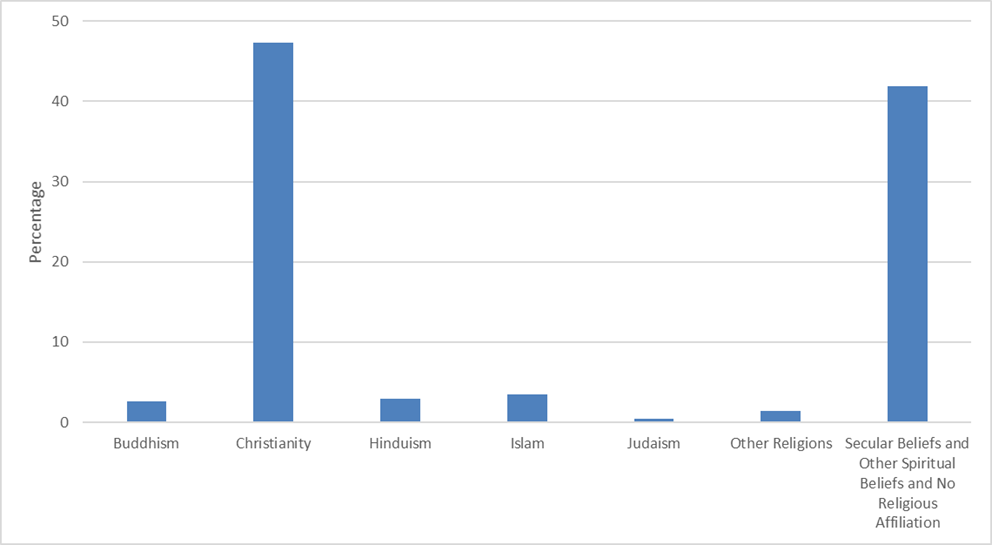
Despite the increasing secularization and diversification, Christianity remains the most widely practiced religion in Australia. Its historical roots run deep, having been the faith of the colonizers and the dominant cultural force for much of the nation’s history. This enduring influence is visible in various aspects of Australian society, from its legal and educational systems to its social customs and public holidays.
Historical Dominance and Colonial Legacy
From the arrival of the First Fleet in 1788, Christianity, predominantly in its Protestant and Catholic forms, was established as the religion of the colonizers. Missions were established, and religious institutions played a significant role in the development of early Australian society, particularly in areas like education and social welfare. The legal framework, while secular in principle, often reflected Christian moral values. Holidays like Christmas and Easter, deeply embedded in the Australian calendar, are testaments to this historical Christian dominance. The establishment of separate religious school systems, predominantly Catholic and Anglican, further solidified the presence and influence of these denominations within the educational fabric of the nation.
Contemporary Christian Demographics and Trends
While Christianity continues to hold the largest share of religious adherents, its adherents have been steadily declining as a proportion of the total population. Census data consistently shows a decrease in people identifying with Christian denominations. However, within Christianity itself, there are varying trends. Some denominations have experienced significant declines, while others, particularly Pentecostal and evangelical groups, have seen growth, often driven by younger demographics and effective community outreach. This internal dynamism within Christianity highlights that its story in Australia is not one of uniform decline but rather one of internal shifts and varying levels of engagement across different traditions. The remaining Christian population is diverse, encompassing a wide range of theological beliefs and levels of observance, from devout practitioners to those who identify culturally rather than religiously.
The Growing Pluralism: A Mosaic of Faiths
Australia’s post-war immigration programs have been a powerful catalyst for religious pluralism. As people from diverse backgrounds settled in Australia, they brought their unique cultural and spiritual traditions, enriching the nation’s religious landscape and challenging its previously predominantly Christian identity. This has resulted in a vibrant and diverse array of religious practices and beliefs coexisting within the Australian community.
The Rise of Non-Christian Religions
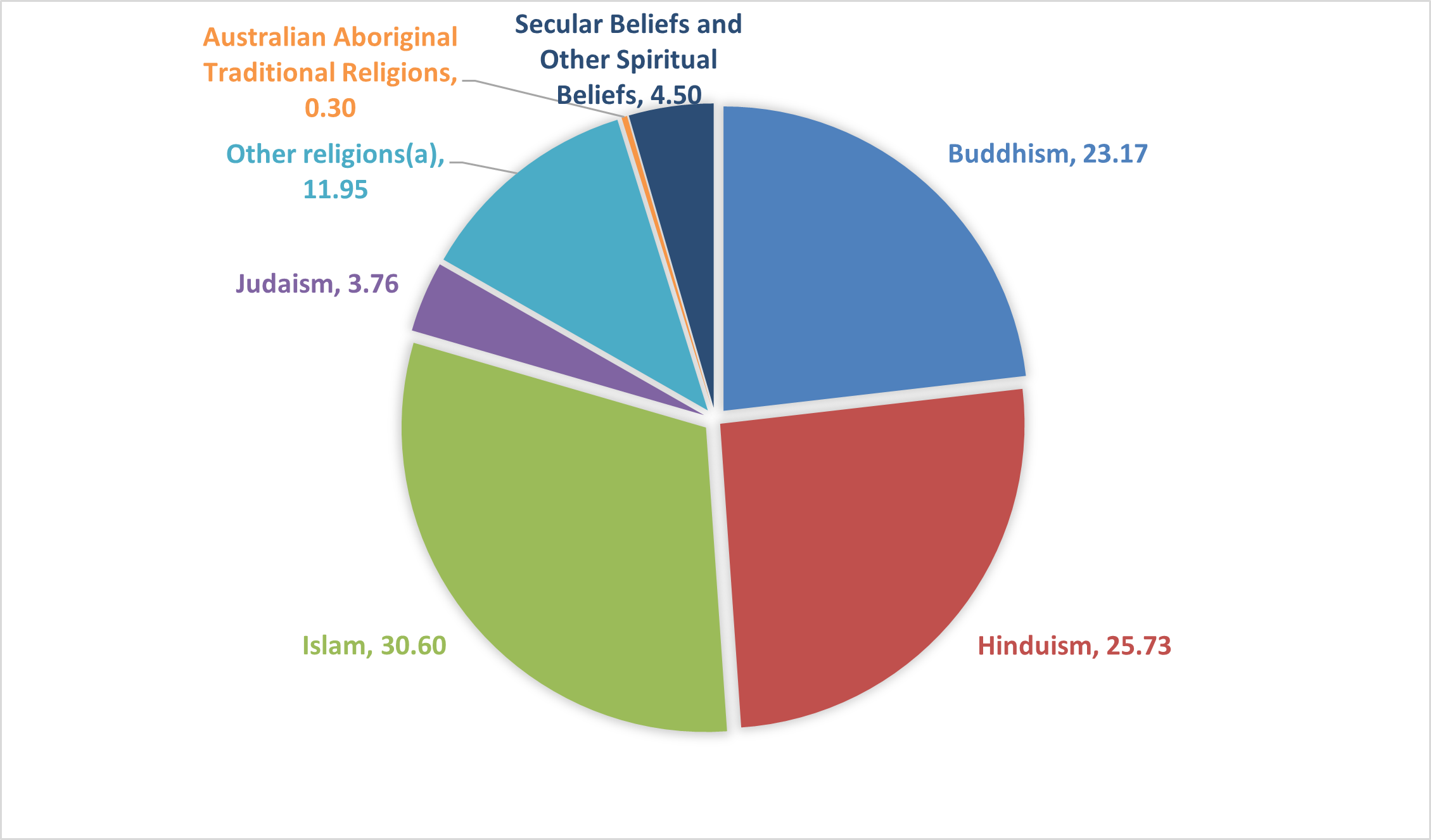
The increasing presence of Islam, Buddhism, Hinduism, and Sikhism, among other faiths, is a significant demographic reality. Large-scale immigration from countries like India, Sri Lanka, Pakistan, and various Southeast Asian nations has led to substantial and growing Muslim and Buddhist communities. Similarly, the influx of migrants from India has bolstered the Hindu population. These communities are not confined to major urban centers but have established vibrant places of worship, cultural centers, and community networks across the country. This diversification has moved Australia away from a singular religious identity towards a more complex and multifaceted one, where multiple faiths are actively practiced and celebrated.
Inter-faith Dialogue and Community Cohesion
The growth of religious diversity has, for the most part, fostered an environment of inter-faith dialogue and collaboration. Organizations and initiatives dedicated to promoting understanding and respect between different religious groups have become increasingly prevalent. These efforts are crucial for building social cohesion and ensuring that Australia’s multicultural fabric remains strong. While challenges and instances of misunderstanding can arise, the general trend is towards mutual respect and a recognition of the shared values that underpin a harmonious society, regardless of religious background. This focus on shared humanity and common civic values helps to bridge potential divides and foster a sense of national unity.
The Rise of the Secular and the “No Religion” Demographic
Perhaps the most striking trend in Australia’s religious identity is the significant and ongoing rise of individuals who do not identify with any particular religion. This demographic, often broadly categorized as “no religion,” represents a growing segment of the population and has profound implications for the role of religion in public life.
Declining Religious Affiliation and Practice
Sociological studies and census data consistently point to a decline in formal religious affiliation and regular religious practice across Australia. This trend is particularly pronounced among younger generations, who are less likely to have grown up in overtly religious households or to see religious institutions as central to their lives. Factors contributing to this include increased access to diverse worldviews through education and media, a greater emphasis on scientific rationalism, and a growing societal acceptance of secular lifestyles. The perception of religion as outdated or irrelevant by some segments of the population also contributes to this decline.
The Impact of Secularization on Public Life
The rise of the “no religion” demographic has a tangible impact on Australia’s public sphere. Debates surrounding religious education in schools, the role of chaplains in public institutions, and the influence of religious lobby groups are all shaped by this changing religious landscape. There is a growing expectation that public policy should be based on secular principles and evidence, rather than on religious doctrine. This doesn’t necessarily mean an antagonism towards religion, but rather a desire for a more inclusive and equitable public discourse that respects the diversity of beliefs and non-beliefs within the population. This shift is also influencing how religious institutions themselves operate, necessitating adaptation to remain relevant in an increasingly secular society.

Conclusion: A Nation Redefining its Spiritual Identity
Australia’s religious identity is not a static declaration but an ongoing process of evolution and redefinition. The nation is a testament to the dynamic interplay between historical legacy, demographic change, and societal attitudes towards faith. While Christianity continues to hold historical significance, the burgeoning diversity of faiths and the significant rise of secularism are reshaping the very fabric of Australian spirituality.
The story of religion in Australia is one of increasing complexity. It is a nation where ancient traditions and modern secularism coexist, where established faiths navigate changing societal norms, and where new spiritual expressions continue to emerge. Understanding “what religion is Australia” is to understand a society grappling with its past, embracing its diverse present, and charting a future where religious and non-religious identities are increasingly recognized and respected in a shared national narrative. This ongoing evolution ensures that Australia’s religious identity will remain a subject of fascination and a vital aspect of its unique national character for years to come.
aViewFromTheCave is a participant in the Amazon Services LLC Associates Program, an affiliate advertising program designed to provide a means for sites to earn advertising fees by advertising and linking to Amazon.com. Amazon, the Amazon logo, AmazonSupply, and the AmazonSupply logo are trademarks of Amazon.com, Inc. or its affiliates. As an Amazon Associate we earn affiliate commissions from qualifying purchases.