
In the dynamic landscape of technology, the ability to identify and effectively address the right problems is not merely a competitive advantage; it is the very foundation of innovation and sustainable growth. The digital realm is not a static entity; it is a constantly evolving ecosystem where new challenges emerge daily, and existing ones are reconfigured by advancements in software, artificial intelligence, and the proliferation of sophisticated gadgets. For individuals and organizations alike, navigating this landscape requires a strategic approach to problem identification and a clear understanding of the problem-solving frameworks that can lead to meaningful solutions. This article delves into the critical aspects of identifying and tackling the most impactful problems within the technology sector, focusing on areas ripe for innovation and those that demand urgent attention.
The Shifting Sands of Technological Needs
The technological frontier is perpetually being redrawn. What was once a groundbreaking innovation can quickly become obsolete, demanding a continuous cycle of adaptation and reinvention. Understanding these shifts is paramount to ensuring that our problem-solving efforts are directed towards challenges that are relevant, impactful, and future-proof.
Evolving User Expectations and Digital Experiences
Modern users are no longer content with mere functionality. They expect seamless, intuitive, and personalized digital experiences. This translates into a demand for applications that are not only robust but also aesthetically pleasing, accessible, and deeply integrated into their daily lives. The problems here lie in bridging the gap between technological capabilities and human desires. How can we design interfaces that are so natural they disappear? How can we leverage data to anticipate user needs before they are explicitly articulated? The rise of AI has opened new avenues for personalized content delivery, adaptive learning platforms, and even proactive customer support, yet significant challenges remain in achieving true contextual understanding and avoiding intrusive or biased recommendations.
The Growing Complexity of Digital Systems
As technology becomes more intertwined with every facet of our existence, the systems underpinning it grow exponentially in complexity. From vast cloud infrastructures and intricate software architectures to the interconnectedness of the Internet of Things (IoT) devices, managing and securing these sprawling networks presents a formidable set of challenges. Debugging distributed systems, ensuring data integrity across multiple platforms, and maintaining high availability in the face of unforeseen events are just a few of the technical hurdles. The security implications are particularly acute, with the constant threat of cyberattacks necessitating robust defense mechanisms and proactive threat detection.
The Accessibility and Inclusivity Gap
Despite the immense potential of technology to democratize information and empower individuals, a significant accessibility and inclusivity gap persists. Many digital products and services are not designed with the needs of individuals with disabilities in mind, nor do they cater to diverse cultural backgrounds, languages, or socio-economic statuses. This presents a critical problem: how can we ensure that the benefits of technology are equitably distributed? This involves developing assistive technologies, designing universally accessible interfaces, and creating platforms that are culturally sensitive and linguistically diverse. The challenge lies in embedding these principles into the design and development lifecycle from the outset, rather than treating them as an afterthought.
Emerging Frontiers and Uncharted Territories
Beyond addressing existing pain points, the future of technology is shaped by the exploration of new frontiers. Identifying and solving problems in these nascent areas offers the potential for groundbreaking advancements and the creation of entirely new markets.
The AI Revolution and its Ethical Imperatives
Artificial intelligence is no longer a futuristic concept; it is a present-day reality that is rapidly transforming industries. However, alongside its immense promise come profound ethical considerations. Problems surrounding bias in AI algorithms, the potential for job displacement due to automation, the opaque nature of deep learning models, and the responsible deployment of AI in sensitive domains like healthcare and law enforcement are critical areas demanding attention. Developing AI that is fair, transparent, accountable, and aligned with human values is perhaps one of the most significant problems facing the tech industry today. This requires interdisciplinary collaboration, robust regulatory frameworks, and a commitment to ethical AI development.
The Metaverse and the Future of Digital Interaction
The concept of the metaverse, a persistent, interconnected set of virtual spaces, promises to redefine how we interact, socialize, and conduct business online. However, realizing this vision involves solving a myriad of complex problems. From establishing interoperability between different virtual worlds and ensuring secure digital ownership of assets to defining governance models and creating compelling user experiences, the path forward is fraught with challenges. Furthermore, addressing issues of digital identity, privacy, and the potential for online harassment within these immersive environments will be crucial for their widespread adoption and positive societal impact.
The Edge Computing Paradigm Shift
As the volume of data generated by connected devices continues to surge, the limitations of traditional cloud computing are becoming increasingly apparent. Edge computing, which brings computation and data storage closer to the source of data generation, offers a compelling solution. However, implementing edge computing effectively presents its own set of problems. Managing distributed devices, ensuring security at the edge, optimizing data processing and analytics, and developing applications that can leverage this decentralized infrastructure are key challenges. The problem is to harness the power of edge computing to enable real-time decision-making, reduce latency, and enhance the efficiency of IoT deployments.
The Pillars of Effective Tech Problem Solving
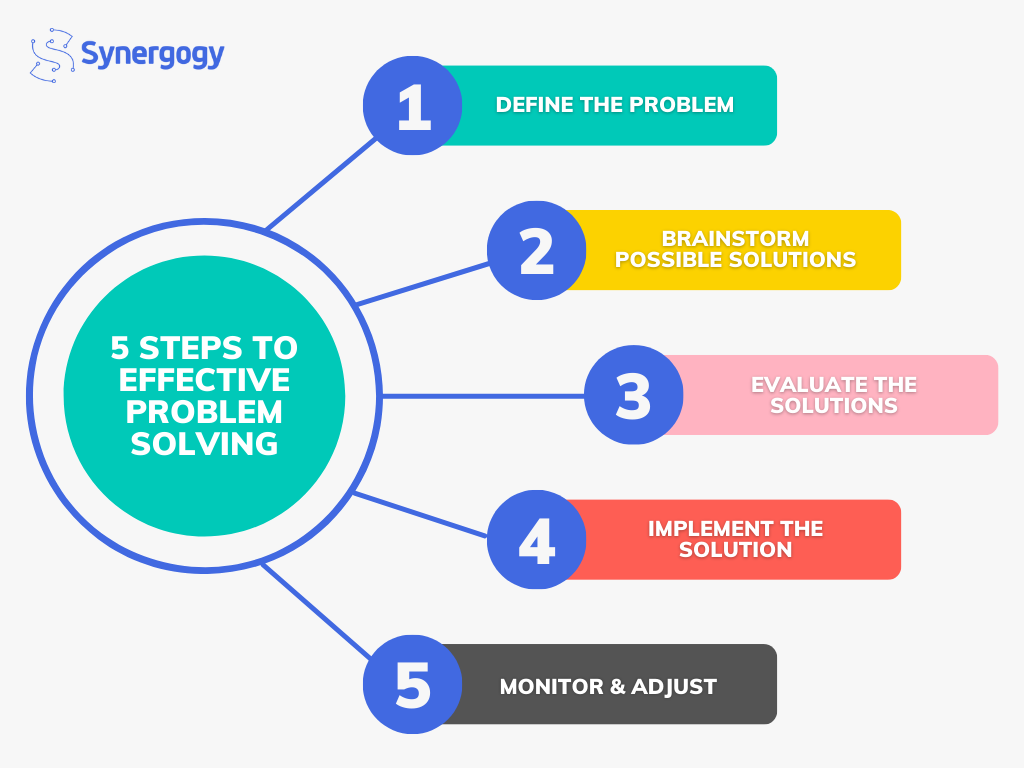
Successfully tackling the aforementioned problems requires a structured and thoughtful approach. It is not simply about identifying a bug or a feature gap; it is about understanding the root causes, the potential impact, and the most efficient pathways to a solution.
Understanding the Problem Space: Deep Dive and Contextualization
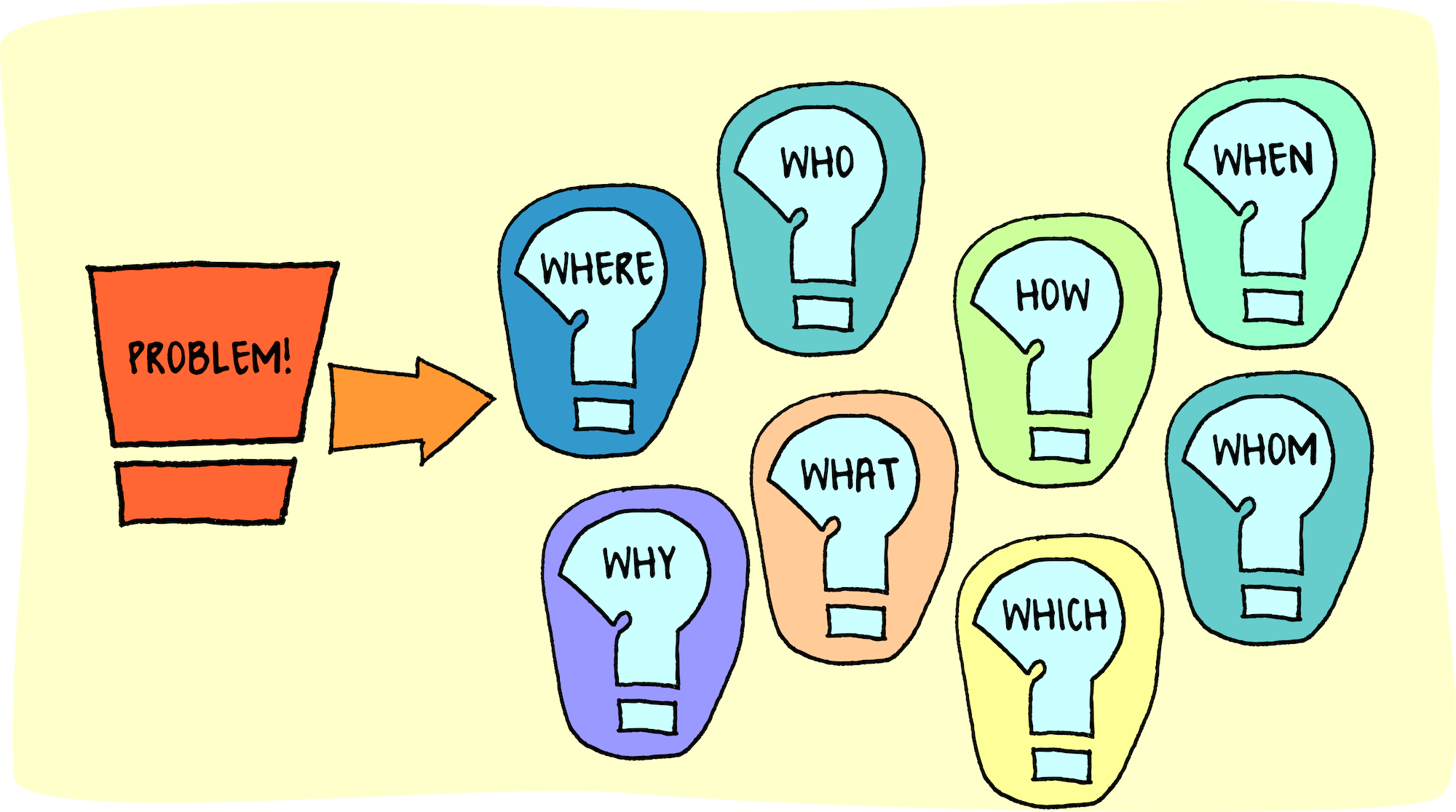
The first and arguably most crucial step in solving any problem is to thoroughly understand it. This involves moving beyond superficial observations and delving into the underlying causes, the affected stakeholders, and the broader context. For tech problems, this means conducting extensive user research, analyzing system logs, performing competitive analysis, and understanding the market dynamics. It’s about asking “why” repeatedly until the fundamental issue is uncovered. Without this deep contextualization, solutions are often misdirected, addressing symptoms rather than the disease. For instance, a decline in app engagement might not be a UI issue, but rather a fundamental lack of perceived value or a competitor offering a superior solution.
Leveraging the Right Tools and Methodologies
The tech industry has a rich toolkit of methodologies and frameworks designed to facilitate problem-solving. Agile development, for example, allows for iterative development and rapid adaptation to changing requirements, making it ideal for tackling complex and evolving problems. Design Thinking provides a human-centered approach, emphasizing empathy and ideation to arrive at innovative solutions. For software development, methodologies like Test-Driven Development (TDD) and Behavior-Driven Development (BDD) help ensure the quality and reliability of solutions. Furthermore, the right AI tools can automate analysis, identify patterns, and even suggest potential solutions, augmenting human problem-solving capabilities. The key is to select the methodology and tools that best align with the nature of the problem at hand.
The Art of Iteration and Continuous Improvement
Few complex technological problems are solved in a single attempt. The process of problem-solving is inherently iterative, involving the development of a solution, testing its efficacy, gathering feedback, and refining the approach. This cycle of build, measure, and learn is fundamental to navigating the uncertainties of the tech landscape. Embrace failure not as an endpoint, but as a valuable learning opportunity. Each iteration brings you closer to an optimal solution, allowing for course correction and continuous improvement. This mindset is particularly critical in the fast-paced world of technology, where the landscape can shift dramatically even during the development of a single product.

Conclusion: The Unending Quest for Better Solutions
The title “What Problems to Solve” is not just a question; it is a perpetual call to action for the technology sector. The opportunities for innovation are boundless, driven by evolving user needs, technological advancements, and the ever-present challenge of making our digital world more accessible, equitable, and secure. By embracing a deep understanding of the problem space, leveraging the right methodologies and tools, and committing to an iterative process of continuous improvement, individuals and organizations can not only identify impactful problems but also develop the groundbreaking solutions that will shape our future. The quest for better solutions is an unending one, and it is in this dynamic pursuit that the true power and potential of technology are realized.
aViewFromTheCave is a participant in the Amazon Services LLC Associates Program, an affiliate advertising program designed to provide a means for sites to earn advertising fees by advertising and linking to Amazon.com. Amazon, the Amazon logo, AmazonSupply, and the AmazonSupply logo are trademarks of Amazon.com, Inc. or its affiliates. As an Amazon Associate we earn affiliate commissions from qualifying purchases.