
Purchasing a vehicle is often the second-largest financial commitment a consumer makes, trailing only the purchase of a home. In the current economic climate, where inflation fluctuates and the cost of debt remains a significant factor, the decision of where to buy a used car is no longer just a matter of convenience; it is a critical exercise in asset management. A used car is a depreciating asset, but the rate at which you lose value—and the amount of capital you overextend at the point of sale—can be controlled through a strategic selection of your purchasing venue.
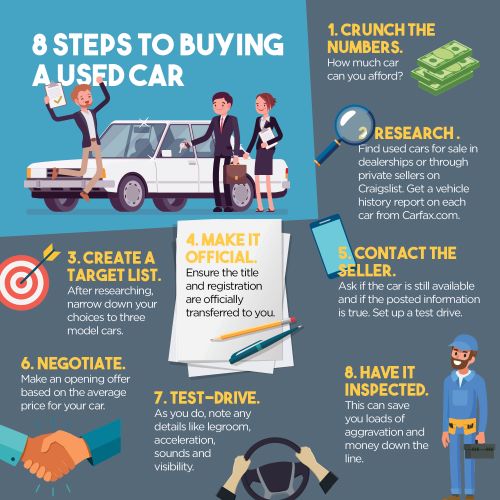
This guide analyzes the primary avenues for acquiring a pre-owned vehicle through the lens of personal finance and wealth preservation, helping you determine which source aligns best with your budgetary constraints and long-term financial goals.
1. Private Party Sales: Minimizing Middleman Margins
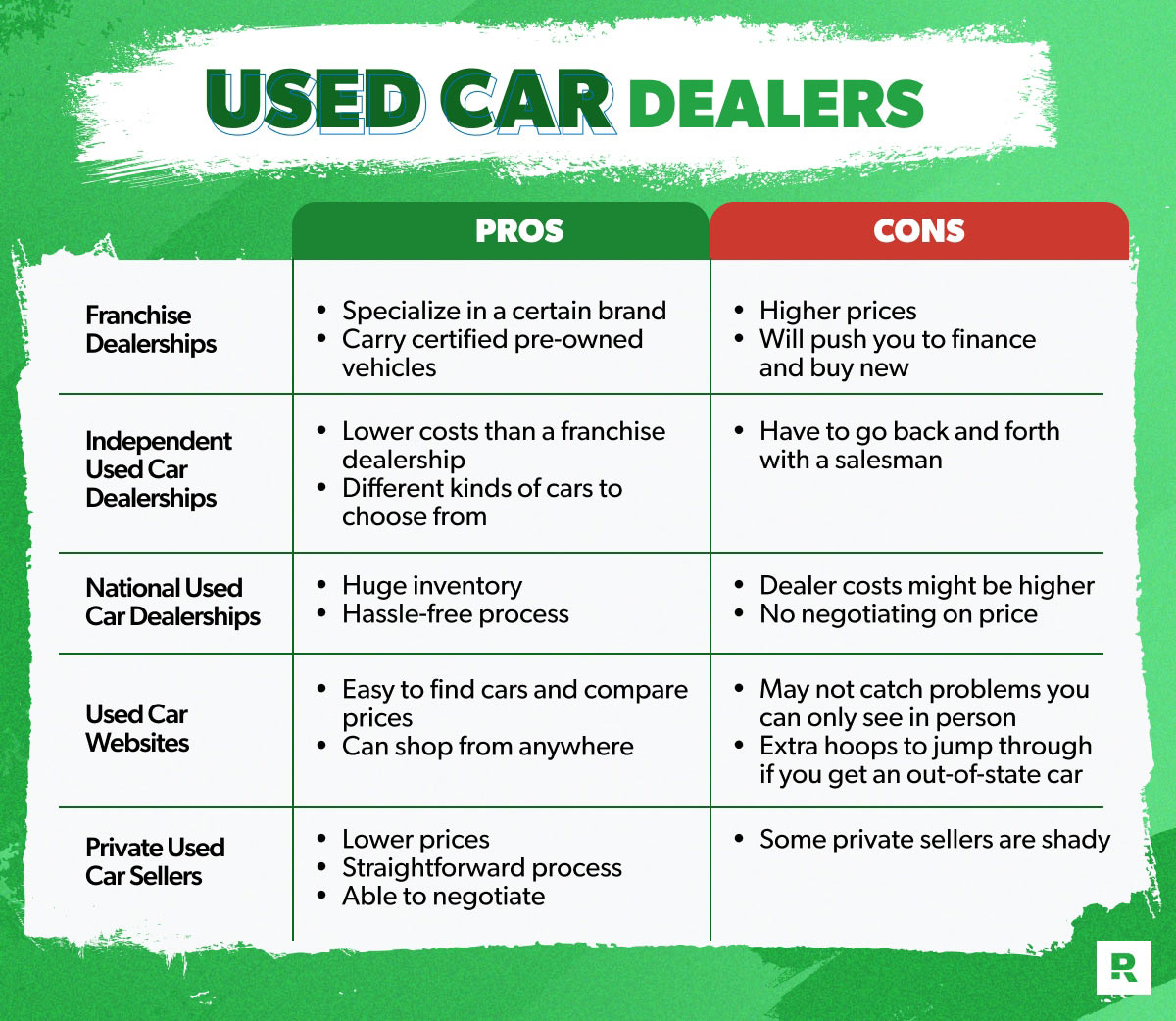
For the financially savvy buyer, the private party market—consisting of individual sellers on platforms like Facebook Marketplace, Craigslist, or specialized automotive forums—often represents the highest potential for value. By removing the dealership infrastructure, you eliminate the “middleman margin” that covers a business’s overhead, sales commissions, and marketing costs.
The Direct-to-Seller Financial Advantage
When you buy from an individual, you are negotiating in a “pure” market. The seller is typically motivated by the desire to liquidate an asset quickly or to get a higher price than a dealership would offer for a trade-in. This creates a unique window for the buyer: you can often purchase a vehicle at the “Private Party Value,” which is significantly lower than the “Retail Value” found on a dealer’s lot. For a vehicle priced at $20,000, this spread can range from $2,000 to $4,000—savings that stay in your investment portfolio rather than going into a dealership’s profit margin.
Identifying Red Flags and Mitigating Risk
While the financial upside is high, the risk profile of a private sale is equally elevated. From a financial perspective, a “lemon” is a total loss of capital. To protect your investment, you must conduct rigorous due diligence. This includes verifying the title status (ensuring there are no liens) and investing in a Pre-Purchase Inspection (PPI) by a trusted mechanic. A $150 inspection fee is a minor insurance premium to protect a five-figure investment. Furthermore, you must be prepared to handle the administrative side of the transaction, including tax filings and registration, which requires a firm understanding of your local jurisdiction’s financial requirements.
2. Dealerships and CPO Programs: Paying for Peace of Mind
Traditional franchise dealerships and independent lots offer a different value proposition. Here, the focus shifts from the lowest possible entry price to the mitigation of long-term financial risk. This is most evident in Certified Pre-Owned (CPO) programs, which are exclusive to manufacturer-franchised dealers.
Understanding the Premium of Certified Pre-Owned (CPO)
A CPO vehicle is a used car that has undergone a multi-point inspection and comes with an extended manufacturer warranty. From a personal finance standpoint, you are paying a “premium”—often between $1,000 and $2,500—over the price of a non-certified used car. However, this premium acts as a hedge against future repair costs. If you are financing your vehicle and have limited liquid savings for emergency repairs, a CPO vehicle can be a more stable financial choice, as it provides predictable monthly costs and protects you from catastrophic mechanical failures during the warranty period.
Navigating Dealership Financing Tactics
The dealership’s “F&I” (Finance and Insurance) office is where many buyers lose the financial gains they negotiated on the sales floor. Dealerships often act as intermediaries for lenders and may add a “markup” to the interest rate for which you qualify. To maintain financial control, it is essential to secure a pre-approval from a credit union or bank before stepping onto the lot. By having a benchmark interest rate, you can force the dealership to beat your existing offer, potentially saving you thousands of dollars in interest over the life of the loan.
3. The Rise of Online Retailers: Convenience vs. Overhead
The digital transformation of the automotive industry has introduced players like Carvana, Vroom, and Shift. These platforms have revolutionized the buying process by offering “no-haggle” pricing and home delivery. From a financial perspective, these platforms offer transparency but often come with a higher price tag than private sales or traditional auctions.
Fixed-Price Models and Their Impact on Your Budget
For many, the psychological and financial cost of negotiation is high. Online retailers use algorithmic pricing to set a “fair market value.” While you are unlikely to get a “steal,” you are also protected from the predatory pricing sometimes found at low-end independent lots. The value here lies in time-saving and the elimination of high-pressure sales tactics that often lead buyers to make poor financial decisions, such as over-extending their budget for unnecessary add-ons like paint protection or VIN etching.
Evaluating Return Policies as a Financial Safety Net
One of the most significant financial advantages of online giants is their return policy—typically a 7-day money-back guarantee. In the traditional used car market, once you sign the paperwork, the depreciation and any mechanical issues are your financial responsibility. The ability to return a vehicle for a full refund provides a level of capital protection that is virtually non-existent in other used-car venues. If the vehicle is found to be substandard upon delivery, your capital remains liquid, allowing you to pivot to a better asset without the friction of resale.
4. Optimizing the Transaction: Financial Due Diligence
Regardless of where you choose to buy, the success of the investment depends on your internal financial framework. Buying a car is not just about the sticker price; it is about the Total Cost of Ownership (TCO) and the impact on your net worth.
Calculating the Total Cost of Ownership (TCO)
A “cheap” car can be incredibly expensive if it carries high insurance premiums, poor fuel economy, and rapid depreciation. Before deciding where to buy, use financial tools to project the five-year TCO. A $15,000 Toyota may have a higher purchase price than a $12,000 luxury European sedan, but the Toyota will almost certainly have a lower TCO due to reliability and resale value. By prioritizing vehicles with high “value retention,” you ensure that when it comes time to sell, you recoup a larger percentage of your initial investment.
Mastering the Art of Financial Negotiation
When you finally arrive at the point of purchase, whether at a dealership or a private driveway, you must treat the negotiation as a business transaction. Avoid “payment-based” selling. Salespeople often try to fit a car into your “monthly budget” by extending the loan term to 72 or 84 months. This is a financial trap that leads to “negative equity”—where you owe more on the car than it is worth. Always negotiate on the “out-the-door” price, keep your loan terms to 60 months or fewer, and aim for a down payment of at least 20%. These steps ensure that your used car purchase remains a tool for mobility rather than a drain on your financial future.

Conclusion
Determining where to buy a used car requires a balance between risk tolerance and the desire for value. If you have the expertise and the liquid cash to navigate the private market, you can secure an asset at its lowest possible price point. If you require financing and mechanical certainty, the CPO market offers a structured, albeit more expensive, path. Online retailers provide a middle ground of transparency and convenience.
Ultimately, the best place to buy a used car is the venue that allows you to maintain the strongest financial position. By focusing on total cost, avoiding high-interest debt, and protecting your capital through inspections and warranties, you can turn a depreciating necessity into a well-managed component of your personal financial strategy.
aViewFromTheCave is a participant in the Amazon Services LLC Associates Program, an affiliate advertising program designed to provide a means for sites to earn advertising fees by advertising and linking to Amazon.com. Amazon, the Amazon logo, AmazonSupply, and the AmazonSupply logo are trademarks of Amazon.com, Inc. or its affiliates. As an Amazon Associate we earn affiliate commissions from qualifying purchases.